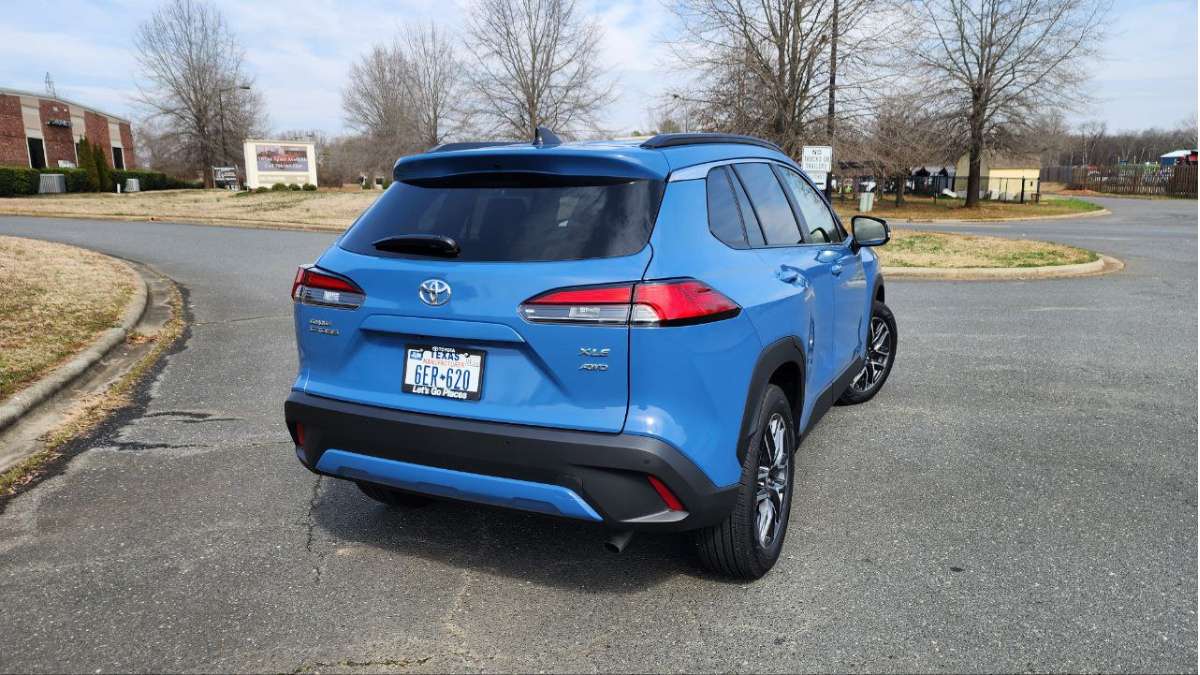

There’s something about the compact SUV segment that makes buyers overthink everything. Hybrid or gas? AWD or FWD? Base trim or “just one step up”? After spending seven days in a Cavalry Blue 2026 Toyota Corolla Cross XLE AWD around Charlotte, North Carolina, I came away with a surprisingly firm conclusion:
For most buyers, the XLE AWD might be the only trim in the lineup that truly makes sense.
And that’s coming from someone who recently reviewed the hybrid version, specifically the hard-to-find XSE trim, and broke down its strengths and weaknesses in a separate piece. I’ve spent 15 years covering the auto industry, and if there’s one pattern I’ve seen, it’s this: the trim that looks “middle of the road” on paper often ends up being the smartest buy in real life.
Let’s break it down.
Cavalry Blue Gives The 2026 Corolla Cross Subtle Confidence
The 2026 model year brings a few meaningful updates to the Corolla Cross lineup, and on the XLE AWD, they land well. My tester came finished in Cavalry Blue, a new color for 2026 that genuinely elevates the vehicle’s presence. It’s not loud. It’s not trying too hard. But in a parking lot full of grayscale crossovers, it stands out in a tasteful way.
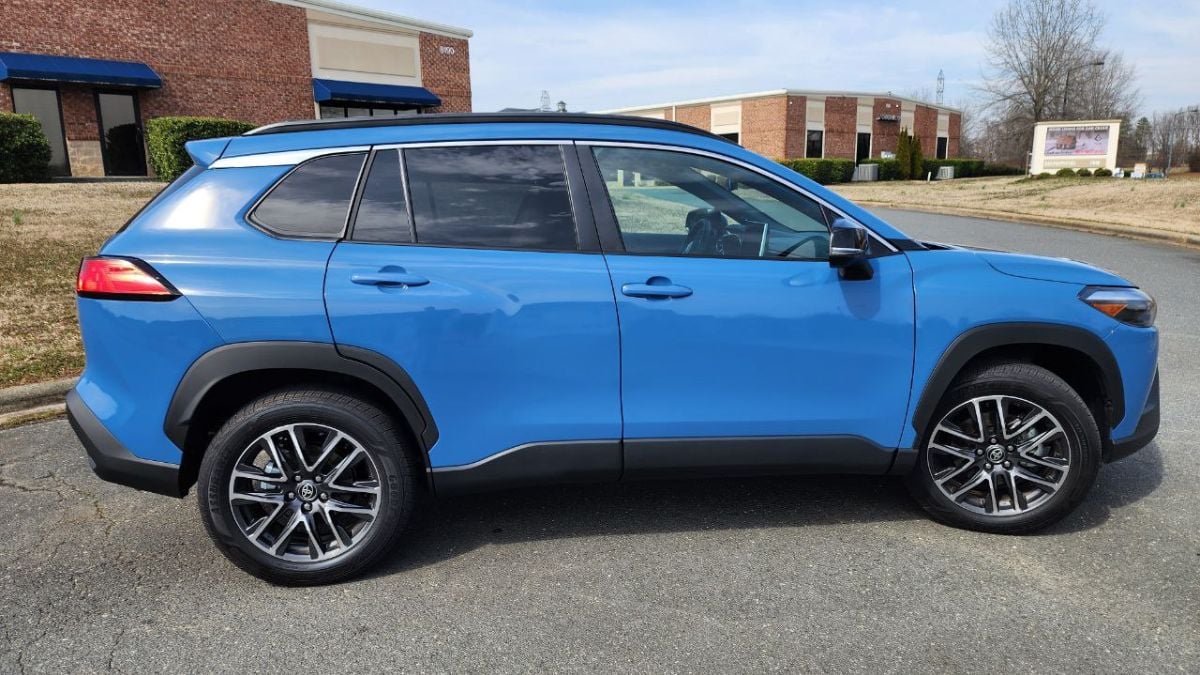
The XLE trim also gets a new 18-inch dark gray wheel design, and that alone visually separates it from the L and LE trims. The lower trims ride on smaller wheels that, frankly, make the Corolla Cross look more appliance-like. The 18-inch wheels give the XLE a planted, finished look, especially paired with the darker accents.
In Charlotte’s suburban sprawl, from Ballantyne to Hickory (to where I wrote for trip) the 2026 Corolla Cross XLE never felt out of place. It’s compact enough to park easily in tight retail lots, yet tall enough to give you that SUV confidence.
Does it look like a RAV4? No. But it also doesn’t cost RAV4 money, and that’s part of the appeal.
Interior and Infotainment Is Where the XLE Starts to Justify Itself
Step inside, and this is where the “makes sense” argument really begins.
The XLE trim adds SofTex-trimmed seats, a power-adjustable driver’s seat, dual-zone automatic climate control, and, crucially for AWD buyers, a standard cold-weather package. That means heated front seats and a heated steering wheel now come standard on all-wheel-drive models.
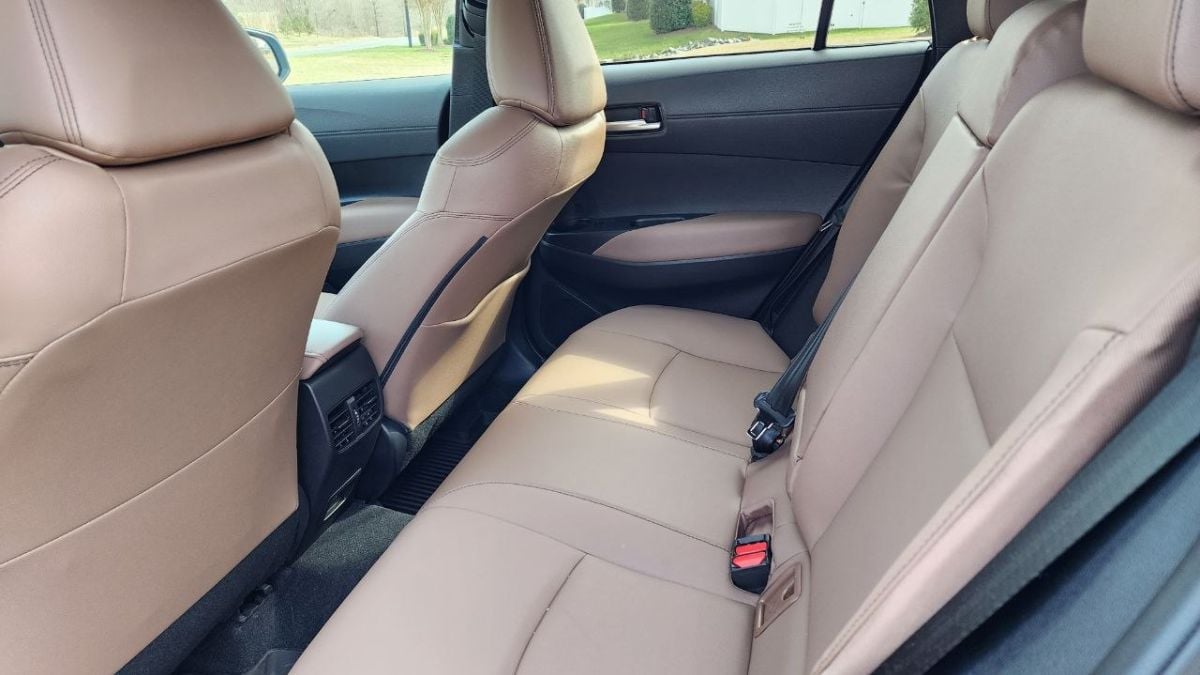
In North Carolina, you may not need heated seats every day. But when that January cold snap hits and your windshield is frozen over at 6:45 a.m., you’ll be glad you didn’t settle for the LE.
Compared to the L and LE trims, the XLE interior feels less rental-grade and more “this is my daily driver for the next five years.” The materials aren’t luxury-level, but they’re durable, logically laid out, and easy to live with.
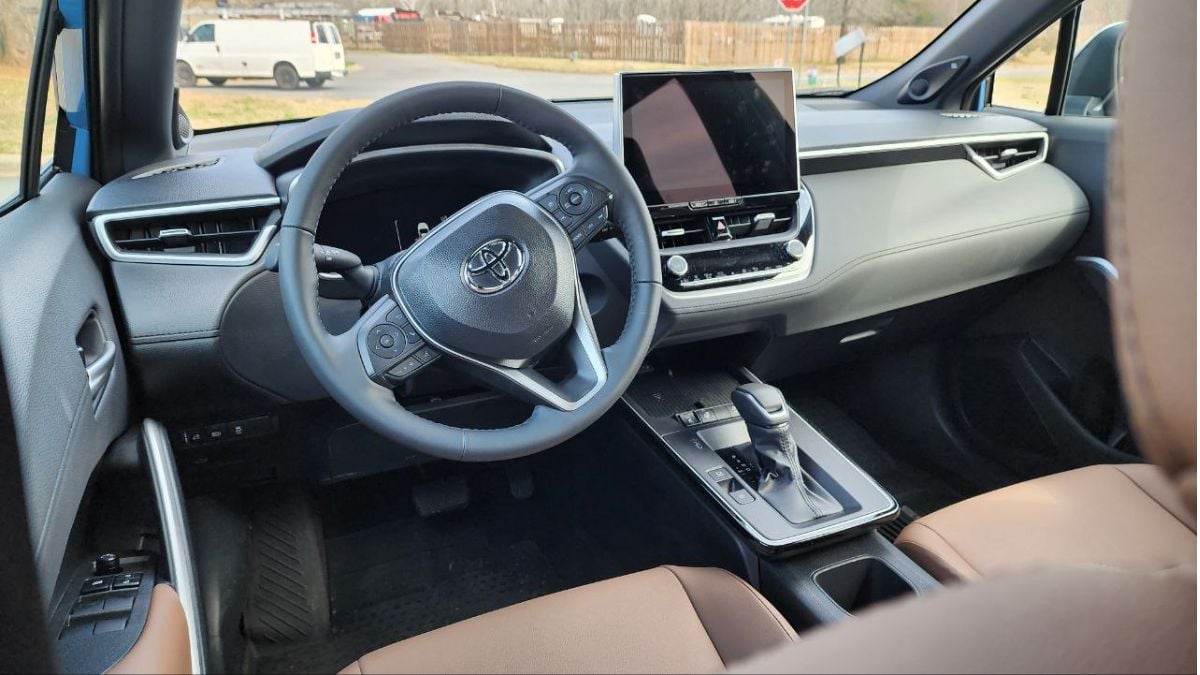
Toyota’s infotainment system continues to be one of the most straightforward in the segment. Wireless Apple CarPlay and Android Auto worked seamlessly during my weeklong test. No glitches. No lag. Just plug in (or don’t) and go.
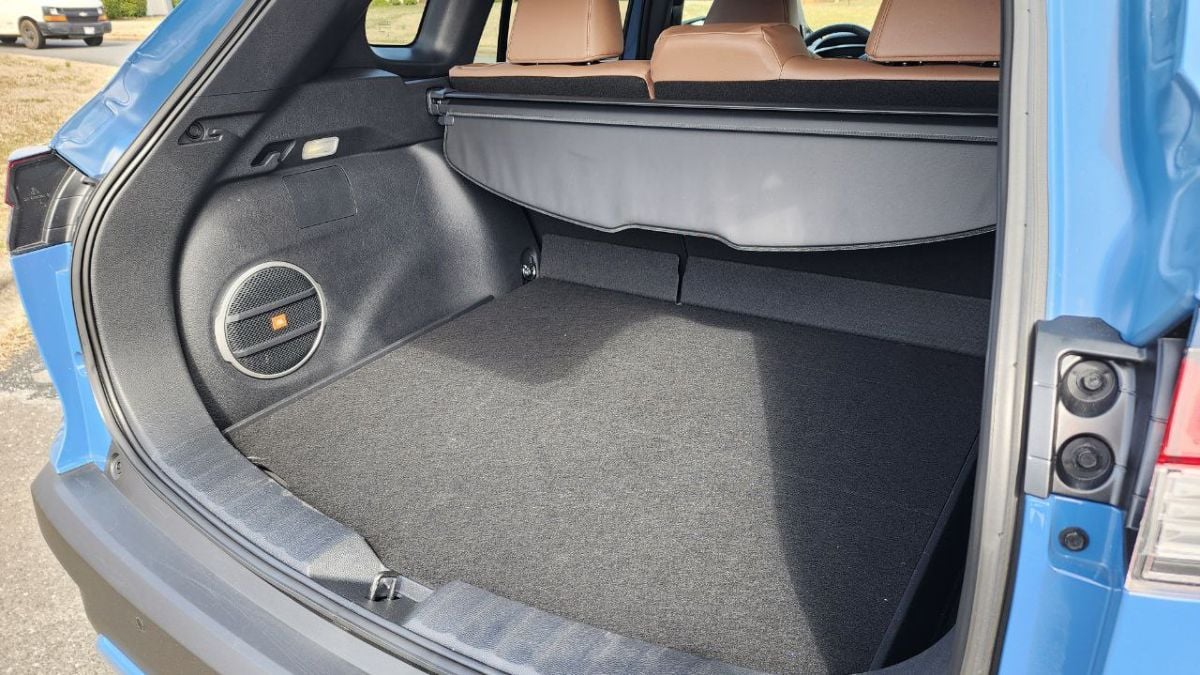
Rear seat space is adequate for adults on short trips, and cargo space remains one of the Corolla Cross’s strongest assets in the subcompact SUV segment. Grocery runs, camera equipment, even a folded stroller, it handled them without drama.
Engine And Power Are Practical, Not Exciting, and That's Fine
Under the hood of the non-hybrid 2026 Corolla Cross XLE AWD sits a 2.0-liter four-cylinder engine producing 169 horsepower, paired with a CVT.
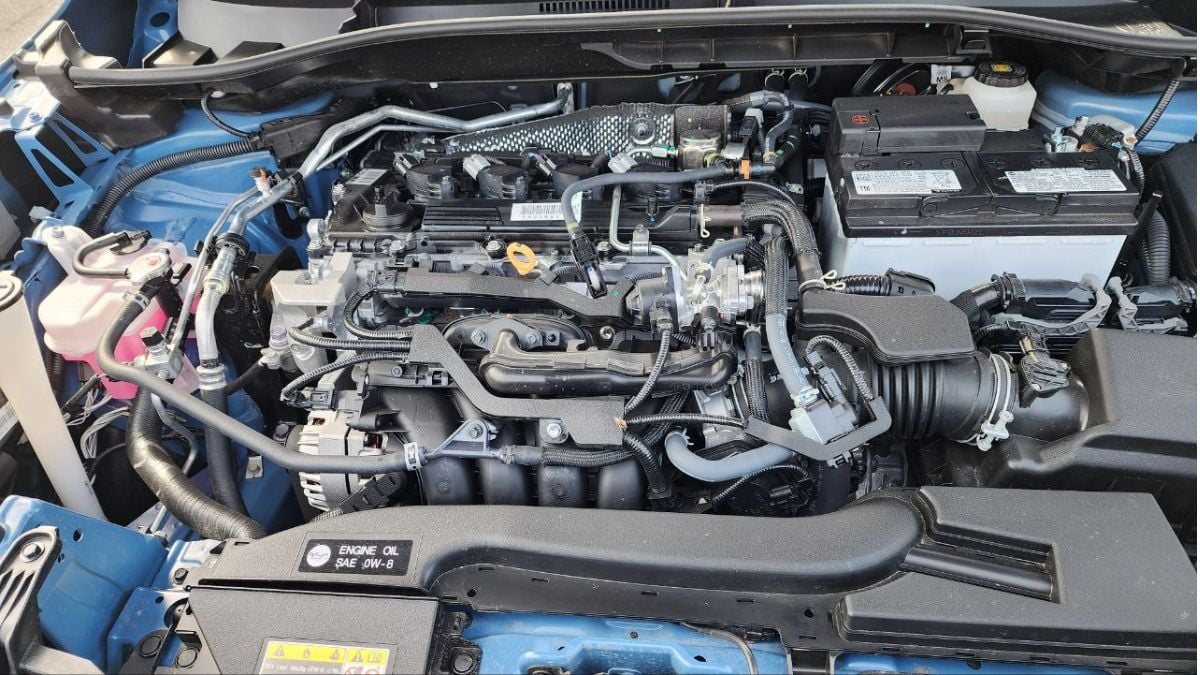
Let’s be honest: this is not a performance machine.
Acceleration is adequate for daily commuting, merging onto I-485, and navigating uptown traffic. It’s not fast, but it’s predictable. The CVT can get a little vocal under heavy throttle, but in normal driving it fades into the background.
Now, this is where the comparison to the hybrid matters.
In my recent review of the 2026 Corolla Cross Hybrid, particularly the XSE trim, I noted its stronger off-the-line acceleration and significantly better fuel economy. The hybrid delivers more punch and typically averages in the low 40 MPG range combined.
The gas XLE AWD, on the other hand, delivers respectable fuel economy in the high 20s to low 30s depending on driving conditions.
So why would anyone choose the gas XLE over the hybrid?
Two reasons:
- Availability. In our area, hybrids, especially upper trims, are hard to find and often carry dealer markups.
- Price simplicity. The gas XLE AWD undercuts the hybrid trims and avoids the complexity of a hybrid system for buyers who simply want straightforward ownership.
If you drive mostly short city trips and can secure a hybrid at MSRP, the hybrid makes financial sense long-term. But if inventory is limited or pricing climbs, the XLE AWD becomes the pragmatic choice.
Ride and Handling of The 2026 Corolla Cross Are Surprisingly Composed
Charlotte’s roads are a mix of smooth new pavement and aging, patched asphalt. Over my week with the Corolla Cross XLE AWD, the ride quality was composed and comfortable.
The 18-inch wheels didn’t introduce harshness. In fact, the suspension tuning strikes a smart balance: firm enough to feel stable at highway speeds, soft enough to absorb imperfections without transmitting every bump into the cabin.
AWD adds confidence in rainy conditions, and we had a couple of wet mornings during my test. It’s not a rugged off-roader, but it gives peace of mind.
Steering is light but accurate. It doesn’t invite spirited driving, but that’s not the mission here. This is a practical daily-use crossover, and in that role, it performs exactly as expected.
Why the XLE Trim Actually Makes Sense
Here’s the core argument.
The L trim is affordable, but it feels stripped. The LE is better equipped, but once you start adding options, especially AWD, you approach XLE pricing anyway.
The XLE AWD gives you:
- Standard heated steering wheel and heated front seats
- 18-inch dark gray wheels
- SofTex seating
- Dual-zone climate control
- Power-adjustable driver’s seat
- A more polished overall experience
The price jump from LE to XLE is noticeable, but so is the jump in livability.
In my view, the XLE avoids two common buyer regrets:
- “I should have gotten the heated seats.”
- “I wish it felt a little more upscale.”
At the same time, it doesn’t push you into RAV4 pricing territory unless you fully load it.
For many buyers, especially families who want AWD security, decent fuel economy, and strong Toyota reliability, this trim hits the sweet spot.
XLE Corolla Cross vs The Hybrid Version
Hybrid Pros:
- Better fuel economy (low 40 MPG range)
- Quicker acceleration
- Electrified driving experience
As we explored in our broader look at why Toyota hybrids still rule and will probably remain dominant, Toyota’s hybrid systems consistently lead the industry in efficiency and long-term ownership value, but that doesn’t always translate to the best choice for every buyer. For some shoppers, especially those balancing upfront cost, local availability, and AWD confidence, the practicality of a gas XLE AWD - even if it doesn’t match hybrid MPG - can make more sense on paper and at the dealer.
Hybrid Cons:
- Harder to find
- Higher pricing
- Potential dealer markups in some markets
XLE AWD Pros:
- Easier availability
- Lower upfront cost
- Standard cold-weather package on AWD
- Straightforward ownership
XLE AWD Cons:
- Lower fuel economy than hybrid
- Modest acceleration
- Less “tech-forward” appeal
After reviewing both, I would say this:
If fuel savings and quicker acceleration are your top priorities, and you can find one at a fair price, the hybrid is compelling.
But if you want the most balanced, widely available, comfortable version of the Corolla Cross without stretching into RAV4 pricing, the XLE AWD makes a strong case.
In a relatively-recent Torque News story about a first-time buyer, the prospective owner “walked away from a 2025 Toyota Corolla Cross even though I loved the car,” highlighting how inventory, dealer pricing, and the right trim choice can make or break a purchase decision for shoppers who are new to the market. That real experience shows that it isn’t just technical specs that matter — it’s how a vehicle fits into a buyer’s budget, lifestyle, and even emotional expectations.
Toyota Corolla Cross' Long Term Ownership Cost
One important subtopic that would genuinely benefit readers, especially in today’s market, is long term ownership costs and resale value. For a vehicle like the 2026 Corolla Cross XLE AWD, this might matter even more than horsepower or wheel design.
Here’s why.
When you buy a compact SUV in this segment, you’re usually not chasing excitement. You’re making a financial decision that will affect you for five to ten years. Toyota has built its reputation largely on durability and strong resale value, and the Corolla Cross sits squarely in that tradition. Historically, Toyota compact SUVs have retained value better than many competitors in the same price bracket, which means your total cost of ownership can be lower even if your upfront price is slightly higher. Insurance rates also tend to be reasonable for vehicles in this class, and the naturally aspirated 2.0 liter engine paired with a conventional CVT avoids the added complexity some buyers worry about in turbocharged or hybrid systems. For buyers who plan to keep their vehicle well past the warranty period, that simplicity can translate into peace of mind.
The other factor here is depreciation positioning. The XLE trim may actually hold value better than the base L because it includes the features buyers look for in the used market, such as heated seats, larger wheels, dual zone climate control, and all wheel drive. Used buyers rarely search for the most basic configuration. They search for value with comfort. That makes the XLE a potentially smarter long term play than the entry trim, even if the monthly payment is slightly higher at the start. In other words, the trim that feels like a small splurge today could protect more of your money down the road, and for many families, that matters more than saving a few dollars upfront.
Torque News Take
After seven days behind the wheel in Charlotte, I understand this vehicle’s role clearly.
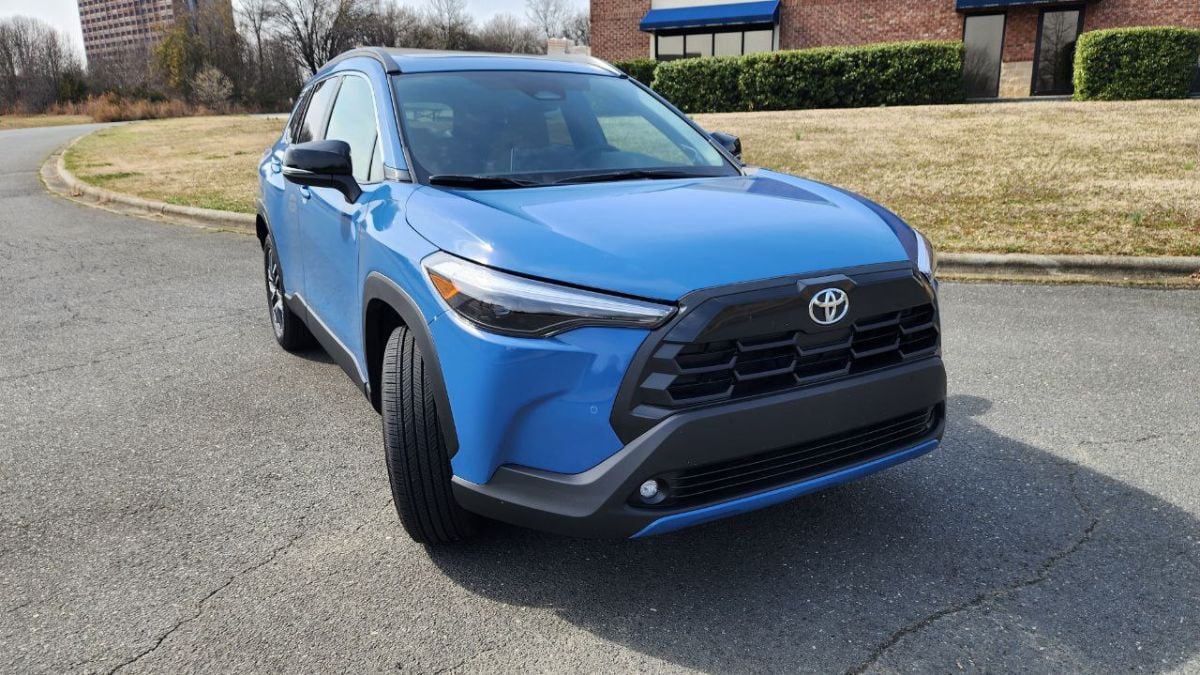
The 2026 Toyota Corolla Cross XLE AWD isn’t exciting. It isn’t flashy. But it’s thoughtfully equipped in a way that avoids regret. And sometimes, that’s exactly what buyers need.
As someone who has covered the auto industry for 15 years, I’ve learned that the smartest trim is rarely the cheapest, and rarely the most expensive.
The XLE AWD lands in that practical middle ground.
Now I’d like to hear from you:
- Would you choose the hybrid for better MPG, or does availability and upfront price matter more to you?
- If you’re shopping for a Corolla Cross, is the XLE worth the jump over the LE in your opinion?
Let me know your thoughts in the comments below.
About The Author
Armen Hareyan is the founder and Editor-in-Chief of Torque News and an automotive journalist with over 15 years of experience writing car reviews and industry news. Now based in the Charlotte region (Indian Land, SC, he founded Torque News in 2010, which since then has been publishing expert news and analysis about the automotive industry. He can be reached at Torque News on X, Linkedin, and Youtube. Armen holds three Masters Degrees, including an MBA, and has become one of the known voices in the industry, specializing in the landscape of electric vehicles and real-world stories of actual car owners. Armen focuses on providing readers with transparent, data-backed analysis bridging the gap of complex engineering and car buyer practicality. Armen frequently participates in automotive events throughout the United States, national and local car reveals and personally test-drives new vehicles every week.
Set Torque News as Preferred Source on Google
Follow us today...