
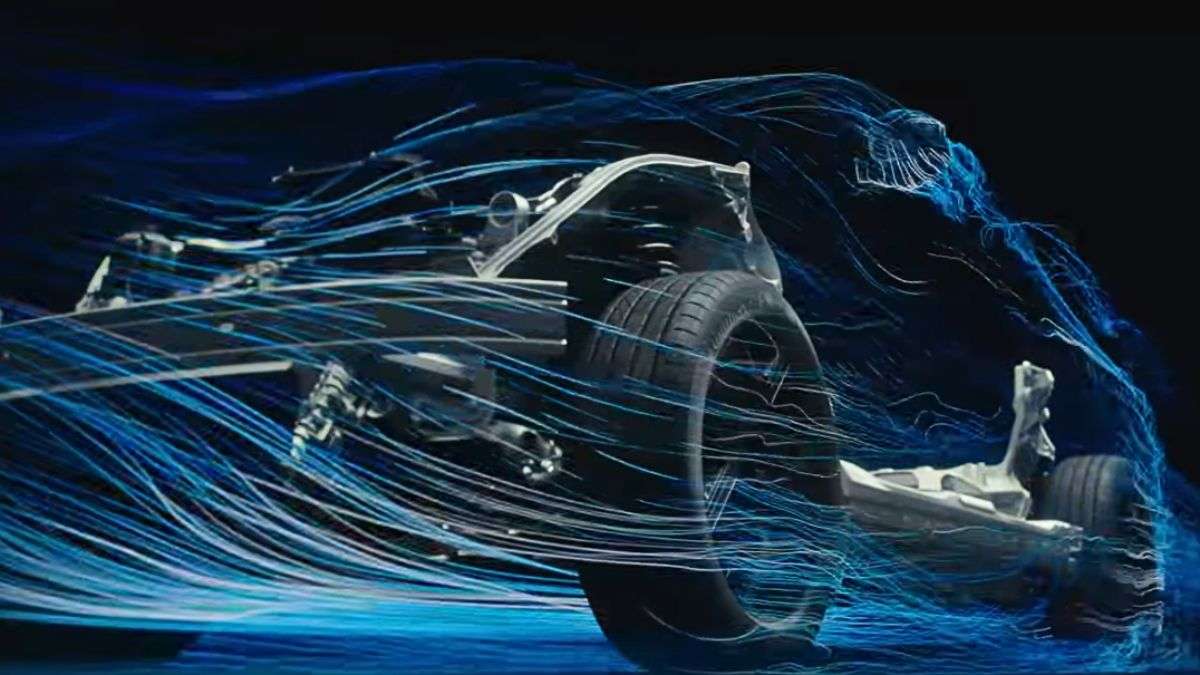

Ford’s recent unveiling of its Universal Electric Vehicle platform - starting with a ~$30,000 mid-size electric pickup - has reignited the EV truck debate. On the surface, it feels like apples to oranges compared with the Cybertruck, but there are real points of comparison in price, engineering strategy, performance ambition, and market positioning.
Here’s a clear, in-depth look at how these two contenders stack up, and what it means for EV buyers.
1. Price and Market Position
Ford: A $30,000 EV Pickup
Ford is targeting an entry-level mid-size pickup for ~$30,000 in the U.S. market, scheduled for 2027. This matters because:
- EV adoption is still constrained by high prices.
- Most EV trucks today, including the Lightning and Rivian, sell well north of $55,000 once you factor real-world dealer pricing.
If Ford truly delivers a ~$30K electric truck with real capability, it puts EVs into a price bracket closer to mainstream buyers.
Cybertruck: Premium and Polarizing
Tesla’s Cybertruck has been positioned as a premium electric pickup, with base models historically projected above $50,000 and higher trims into six figures. According to Tesla’s own pricing history and configurator estimates, the starting price has fluctuated but generally sits well above mainstream compacts. (Tesla hasn’t released final MSRP for every trim as of early 2026.)
Key takeaway:
- Ford’s strategy: Affordable, mass-market EV.
- Tesla’s strategy: Tech-forward, performance-oriented EV with distinctive style, but at a higher price.
If pricing matters most to you, and it should for mainstream adoption, on paper, Ford has the edge.
2. Ford's EV-First Platform Is Built From The Ground Up vs. Tesla’s Bold Architecture
Ford’s Universal EV Platform
Ford’s platform is an EV-first architecture designed around:
- Structural LFP battery that’s part of the vehicle’s structure
- Zonal electronics architecture for reduced wiring
- Gigacasting to cut part count by ~20%
- Formula 1–inspired aerodynamics for better efficiency
- Scalable design for cars, pickups, subcompacts, and vans
This is a holistic rethink of how the vehicle is put together, closer in spirit to how Tesla does things but with emphasis on cost reduction and manufacturability.
Cybertruck’s Unique Build
Tesla’s Cybertruck is famous for its:
- Ultra-hard 30X stainless steel exoskeleton
- Minimalist, futuristic design
- Highly scalable software and chassis shared with other Tesla models
That stainless-steel shell isn’t just a styling choice; it’s meant to be durable and unique. However, it also has reportedly caused production delays and manufacturing challenges. That’s a trade-off: radical design vs. manufacturability.
What this means to buyers:
- Ford’s approach looks more traditional but optimized and cost-efficient. It’s about making EVs people will actually buy in volume.
- Tesla’s approach is about pushing vision and technology, but it has historically led to complex manufacturing hurdles.
3. Performance and Capability
Ford’s Performance Targets
Ford has publicly said its first vehicle on this platform should hit:
- ~4.5 seconds 0–60 mph
- More passenger space than a Toyota RAV4
- Efficiency improvements ~15% better than current EV pickups
Those targets are competitive, especially for entry pricing, and reflect an intent to balance performance and practicality. Ford clearly wants this to be more than a commuter EV.
Cybertruck’s Performance Claims
Tesla has claimed:
- Sub-3.0 second 0–60 mph for high-end trims
- Over 300–500+ miles of range depending on battery size
- High towing and payload ratings
Tesla’s track record suggests that performance (acceleration and range) often comes ahead of practical design, highlighting speed and range more than affordability or interior comfort.
The key contrast:
- Ford: Well-rounded and practical performance that meets real use-case needs.
- Tesla: High performance and range, possibly at the cost of affordability.
4. Design and Everyday Use
Ford’s Conventional But Smart Design
From what’s teased, Ford is keeping design familiar but smart:
- Likely usable interiors and ergonomics
- Passenger-centric packaging
- Aero efficiency without bizarre angles
This matters for real-world users who want utility without sacrifice.
Cybertruck’s Futuristic Boldness
The Cybertruck’s aesthetic is polarizing. Some buyers love the sci-fi look; others find it impractical or too radical. Beyond how it looks:
- The stainless steel shell makes for a very rigid structure.
- The design has also reportedly complicated production and panel fitment.
In everyday usability terms:
- Ford’s design feels more conventional, predictable, and likely easier to live with daily.
- Cybertruck’s design is a statement, which may or may not match broad buyer tastes.
5. Charging, Range, and Ecosystem
Ford’s Charging and Network
Ford buyers benefit from:
- BlueOval Charge Network access
- Potential integration with national charging infrastructure
Ford also has the advantage of working with Electrify America and other network partners to ensure charging coverage.
Tesla’s Supercharger Advantage
Tesla still leads in charging infrastructure with a proprietary Supercharger network that’s widely regarded as:
- Fast
- Reliable
- Extensive
This matters because range anxiety still tops the buyer list of EV concerns. According to a 2025 consumer survey, availability of fast charging is one of the largest factors preventing EV purchases.
Tesla’s charging advantage remains a compelling reason for many buyers to choose a Cybertruck, even if the vehicle costs more.
6. Production Risk and Timeline
Ford’s 2027 Target
Ford’s timeline gives them:
- Extra runway to refine manufacturing
- Time to optimize cost and efficiency
- Room to learn from current EV production challenges
But it’s also time when competitors will be launching. The EV truck landscape will be crowded by 2027.
Cybertruck’s Production Journey
The Cybertruck has already faced delays, but Tesla is producing units and delivering to customers. That means:
- Early adopters have real vehicles to test
- Real-world feedback is arriving
- Production issues have already been partially ironed out
That’s a real advantage for Tesla: you can buy one now (or soon) and see how it works in daily life.
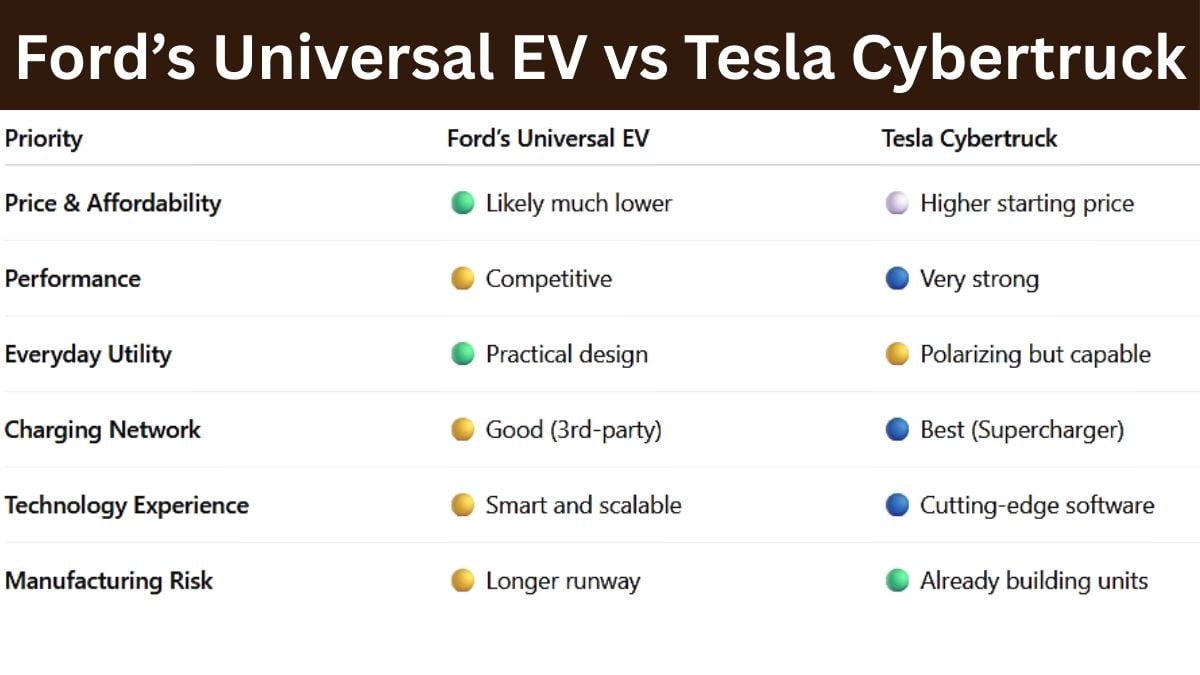
7. Which Should You Choose? It Depends on Priorities
Here’s a practical way to think about it:
Torque News Take
Both vehicles point to a future where electric pickups aren’t niche oddities - they’re mainstream options. What makes this moment especially exciting is how different the two approaches are:
- Ford is playing for the mass market. They’re aiming for real price accessibility and practical design solutions that can scale across vehicle types.
- Tesla continues to push technology boundaries. Cybertruck remains more premium, more controversial, and more performance-focused.
If your primary goal is affordability and everyday utility, Ford’s platform might be the EV truck that actually moves the needle for most buyers.
If your goal is highest performance, best charging experience, and a bold statement, Cybertruck still has the edge, even at a higher cost.
Either way, the competition is good for consumers. Affordable EVs with genuine utility are exactly what the market needs to accelerate adoption, and both Ford and Tesla are now placing big bets in that direction.
Armen Hareyan is the founder and Editor-in-Chief of Torque News. He founded TorqueNews.com in 2010, which since then has been publishing expert news and analysis about the automotive industry. He can be reached at Torque News Twitter, Linkedin, and Youtube. He has more than a decade of expertise in the automotive industry with a special interest in Tesla and electric vehicles.
Set Torque News as Preferred Source on Google
Follow us today...







Comments
Affordable utility is key…
Permalink
Affordable utility is key for EV adoption.