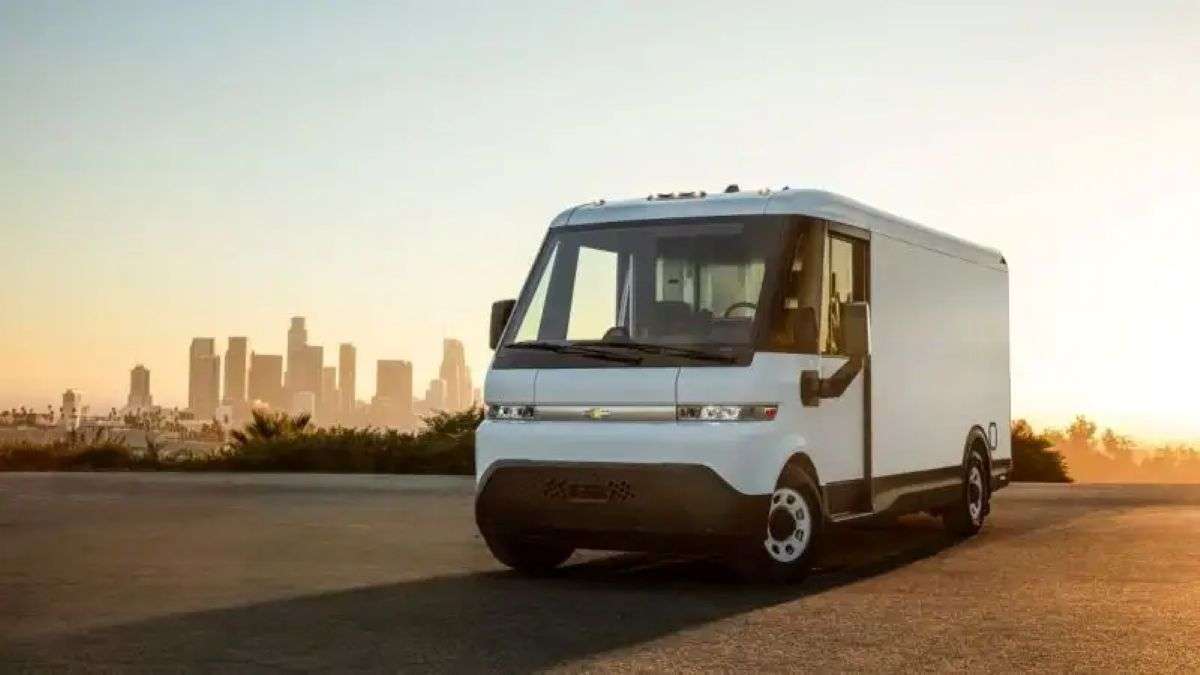

I have covered the BrightDrop EV trucks since GM introduced the subsidiary years ago. This week, GM Chair and CEO, Mary Barra, said they are dropping production of the vans in Canada and they continue to realign overall production and balance the demand for internal combustion vehicles and EVs going forward. BrightDrop has been much less successful than other EV delivery vehicles like Ford’s E-Transit van. As I reported last year, GM brought BrightDrop back under the Chevrolet umbrella to try and increase sales, but it didn’t help enough. CEO Barra said in her letter to shareholders,
“However, with the evolving regulatory framework and the end of federal consumer incentives, it is now clear that near-term EV adoption will be lower than planned. That is why we are reassessing our EV capacity and manufacturing footprint. The work, which is ongoing, resulted in a special charge in the third quarter, and we expect future charges. By acting swiftly and decisively to address overcapacity, we expect to reduce EV losses in 2026 and beyond.”
Falling EV Demand
The federal government recently dropped the $7,500 tax incentives for electric vehicles. While there was a bump in EV auto sales as some buyers rushed to take advantage of the incentive, it was not enough to help BrightDrop. The vans were built at GM’s CAMI plant which stands for General Motors (GM) Canada Assembly plant in Ingersoll, Ontario. At one point the plant employed 1300 people building the vans but production was stopped in May because unsold vans were piling up. CAMI was the first Canadian plant tooled totally for EVs. GM says it will reevaluate the plant for future products but the current tariffs with Canada aren’t helping. Barra told shareholders that the company is onshoring as much production as possible.
“I also want to thank the President and his team for the important tariff updates they made on Friday. The MSRP offset program will help make U.S.-produced vehicles more competitive over the next five years, and GM is very well positioned as we invest to increase our already significant domestic sourcing and manufacturing footprint.
Earlier this year, we announced $4 billion in capital investments to onshore production at plants in Tennessee, Kansas, and Michigan over the next two years.
BrightDrop’s History
GM unveiled its BrightDrop EV subsidiary in 2021 but struggled to get the cargo vans built. It had two models and even announced contracts with FedEx and Verizon but had trouble delivering the EV vans on time. Meanwhile, Rivian teamed up with Amazon and Ford heavily marketed to other delivery businesses.
When BrightDrop delivered its first batch of EVs to Fedex, everyone seemed enthused. ““The delivery of the first BrightDrop EV600s is a historic moment, born out of a spirit of collaboration between two leading American companies,” said Mitch Jackson, chief sustainability officer, FedEx. “At FedEx, transforming our pickup and delivery fleet to electric vehicles is integral to achieving our ambitious sustainability goals announced earlier this year. This collaborative effort shows how businesses can take action to help usher in a lower-emissions future for all.”
“BrightDrop built more than 500 of its Zevo 600s in the first quarter at CAMI Assembly. BrightDrop says all of its 2023 model year Zevo 600s are already sold out.”
Ryder trucks ordered 4000 vehicles but after that sales seemed to peter out.
In 2024, I reported the subsidiary was rolled into Chevrolet to try and boost sales.
Going forward GM is placing the EVs under the Chevrolet brand so the vans will get a much wider sales and distribution network. Chevrolet reaches all over the world and now the two different BrightDrop models, now called the 2025 Chevrolet BrightDrop 600 EV or 2025 Chevrolet BrightDrop 400 EV, will have a much greater reach.
“With the addition of BrightDrop to the Chevrolet lineup, we are combining advanced EV technology with the dependability and widespread accessibility that only Chevrolet can offer," said Scott Bell, vice president, Chevrolet. "This move strengthens our EV offerings and reaffirms our role as a leading commercial brand that enables businesses large and small to get work done."
Balancing EV and ICE Future Production
Now, Canadian production is being halted entirely, and GM is expected to take a huge hit to wind down the company in the fourth quarter. CEO Barra still is committed to EV production but admits that timing was off for this particular EV delivery van.
“As I have said, electric vehicles remain our North Star, and I am proud of the way our portfolio of Cadillac, Chevrolet and GMC EVs have connected with customers. We believe their performance will improve, even in a smaller market. At the same time, we will continue to invest in new battery chemistries, form factors, and architectural improvements to drive profitability.”
Chevrolet Photo
Mary Conway is a professional automotive journalist and has decades of experience specializing in automotive news analysis. She covered the Detroit Three for more than twenty years for the ABC affiliate, in Detroit. Her affection for the Motor City comes naturally. Her father ran a gas station while Mary was growing up, in Wisconsin.
Follow Mary Conway at @MaryConwayMedia and send her car news tips for future stories
Set Torque News as Preferred Source on Google
Follow us today...