
Are our EVs reaching their advertised range? We decided to dig into the facts. For EV owners, it can seem like their cars get less range than what the manufacturers advertise or what the vehicle estimates on its dashboard. It has been a popular theme on social media where EV owners compare experiences. On the Facebook Tesla Model Y group page Thanos Voudouris posted:
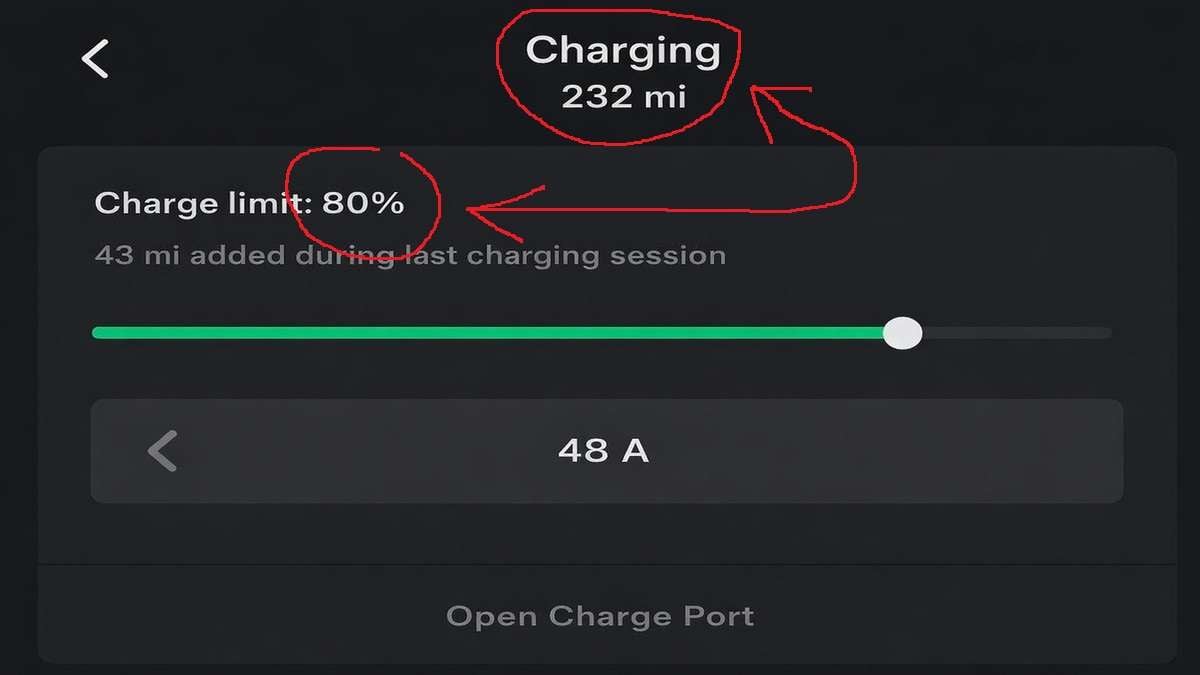
“The mileage estimate is completely inaccurate. I know from experience that an 80% charge won’t get me anywhere near 231 miles.
These appear to be default EPA values that display when you switch between the percentage and the mileage view. It would have been far more useful if the system to actually calculate accurate numbers based on the real-world miles driven by this specific vehicle. It shouldn’t be a big deal, software wise, to show the realistic miles.”
Doug Jacobs suggested using the Tesla’s energy app to gain more insight:
“Are you aware of the Energy app on your screen? That will give you more details, and more accurate real-world mileage estimates.”
Joe Farrell pointed out that climate control and accessories reduce range:
“Of course you won’t get 231 miles. You have climate and radio on. Power for that comes from somewhere”
Larry Boyers referred to a recent range test by Edmonds:
“Edmunds just did a real-world range test on the Model 3 Standard which included a mix of city and highway driving. The car was EPA rated for 321 miles and they got 339 miles which 5.6% above the EPA estimate.
The new EPA estimates are a lot more accurate than they were previously.”

What Did Edmunds Find in Their Tesla Model 3 Range Test
In a recent real-world range test by Edmunds, the Model 3 Standard beat its EPA estimate. The car managed around 339 miles on a mix of city and highway driving, which exceeded the EPA’s 321-mile estimate. That shows strong efficiency from the battery pack even though this version is the entry-level offering. Using 23 kWh per 100 miles in the test, the range performance rivals more expensive EVs in its class.
Digging Further
In what should be the gold standard of objectivity, Consumer Reports tested 30 different EVs. They found that more than half of the EVs tested fell short of their EPA range estimates. Although most that fell short of their advertised range only missed my a few miles. Their test set out to answer a simple question that many EV shoppers still ask, how close is advertised range to what drivers actually see on the road. The test focused on steady highway driving at 70 miles per hour, starting with a full charge and continuing until the battery was depleted. This approach mirrors real road trip conditions better than mixed city testing and highlights where range expectations can drift from reality.
How Most EVs Performed Versus Their EPA Ratings
One of the biggest takeaways is that most electric vehicles now come much closer to their EPA range estimates than many people assume. Several models finished only slightly below their advertised numbers, showing that manufacturers are getting better at aligning lab results with real driving conditions. A handful of vehicles even exceeded their EPA ratings, which helps reinforce confidence in modern EV efficiency claims.
Vehicles That Fell Short and the Role of Physics
The vehicles that missed their EPA targets by the largest margins tended to share the same traits, heavier weight and less aerodynamic shapes. Large electric trucks stood out as examples where highway speed significantly reduced range. At higher speeds, weight and wind resistance matter more, which explains why some vehicles struggle to match their sticker range during sustained highway driving. The poorest performer was the Ford F-150 Lightning.
EVs That Beat Expectations
Several electric cars surprised by delivering more range than advertised. Luxury sedans and efficiency focused designs performed especially well, sometimes exceeding their EPA ratings by dozens of miles. Three models that exceeded were the Cadillac Lyriq, Mercedes-Benz EQS 580, and the BMW iX. These results suggest that effective aerodynamics, efficient drivetrains, and careful energy management can pay off in real world highway use.
Top Performers and Unexpected Results
Among the longest running vehicles in the test, some models achieved nearly 380 miles of highway range, setting a high bar for long distance electric travel. At the same time, a few well known efficiency leaders underperformed compared to expectations, showing that even strong reputations do not guarantee perfect results in every testing scenario.
Bottom Line
Overall, the Consumer Reports testing paints a more balanced picture of electric vehicle range than online debates often suggest. Most EVs now deliver highway range that closely matches their EPA ratings, with some outperforming and others falling short due to unavoidable physical limits. For buyers, the lesson is simple, advertised range is a useful guide, but real-world results depend heavily on vehicle design and how it is driven.
The Tesla Model Y
The Tesla Model Y is popular because it combines industry leading performance, simple operation, and everyday practicality in a compact crossover SUV package. It was first launched in early 2020 and quickly became one of the best-selling vehicles in the world. What sets it apart from many EVs is Tesla’s tightly integrated software, frequent over the air updates, and access to the Tesla Supercharger network, which makes long distance travel easier than with many competitors. Pricing typically starts in the mid $40,000 range before incentives, depending on trim and market conditions. The Model Y is sold as a compact crossover SUV, usually with two rows of seats, with some versions offering an optional third row. Range varies by configuration, with Tesla advertising roughly 300 to 350 miles depending on the model. In real world driving, owners and independent tests often report results that can be lower or sometimes close to those figures, especially at highway speeds or with heavy climate control use, which has fueled ongoing discussion about the difference between Tesla’s stated range and everyday driving experience.
What Do You Think?
What does your EV show for estimated miles at an 80 percent charge, and how close does that feel to reality for you?
Do you leave your EV set to percentage or miles, and why did you choose that view?
Chris Johnston is the author of SAE’s comprehensive book on electric vehicles, "The Arrival of The Electric Car." His coverage on Torque News focuses on electric vehicles. Chris has decades of product management experience in telematics, mobile computing, and wireless communications. Chris has a B.S. in electrical engineering from Purdue University and an MBA. He lives in Seattle. When not working, Chris enjoys restoring classic wooden boats, open water swimming, cycling and flying (as a private pilot). You can connect with Chris on LinkedIn and follow his work on X at ChrisJohnstonEV.
Photo credit: Thanos Voudouris (with permission), Tesla media kit
Set Torque News as Preferred Source on Google
Follow us today...