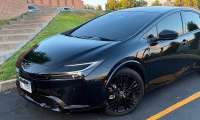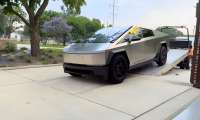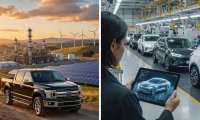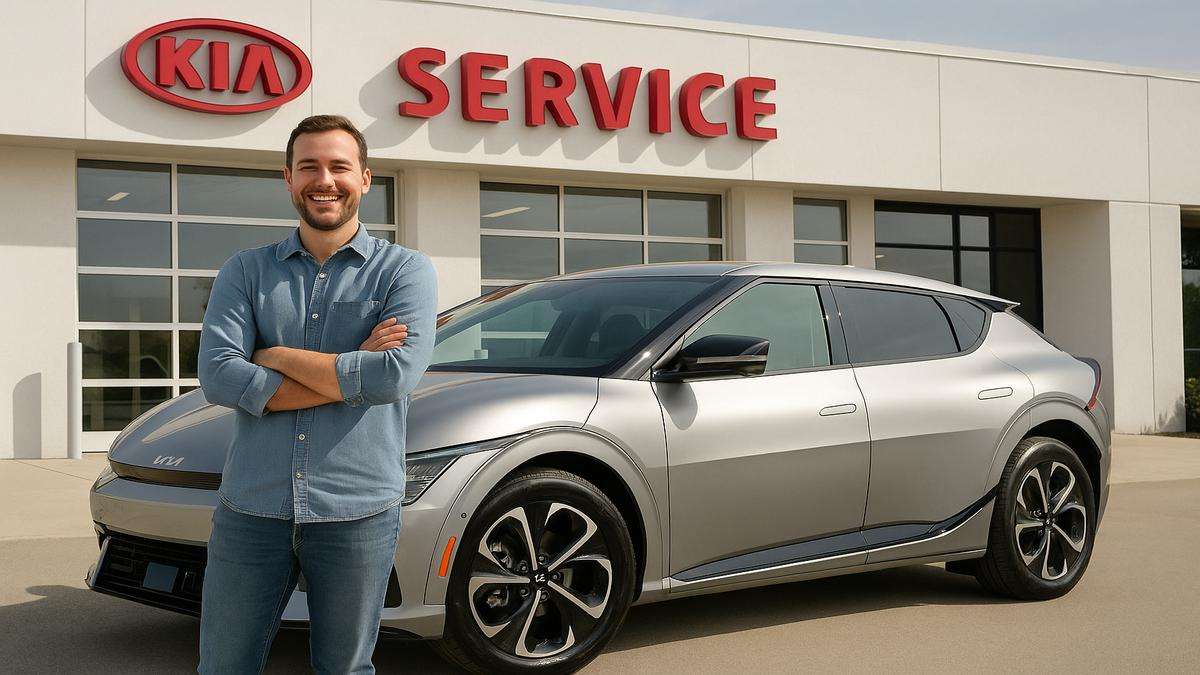

Being able to conveniently get service after the sale has become a huge consideration for new EV buyers. The road to an electric future depends not only on innovation in vehicle design but also on how well automakers support customers after the sale. Service centers have become the bridge between new technology and customer peace of mind. As EV adoption grows, the automakers that find ways to deliver reliable service, clear communication, and personalized support will not only keep their current customers but attract new ones.
We’ve seen a lot of discussion about this on social media. This Reddit post captures a common story about a customer who chose a different EV brand after looking at the availability of service in their area. Stock_Celery_3331 posted:
“I was interested in a Tesla but the nearest service center was 2.5 hours away. I bought a Kia EV6 from a local dealer and any warranty/service is done through them. I’m much happier with my EV6 now over a Tesla anyway.”
CopperBlitter commented on the availability of Tesla’s mobile service:
“I can only speak for Tesla ownership. Required maintenance is far less than an ICE car. I learned this past week that Tesla has mobile service for rural areas. I'm having a HomeLink system installed and was expecting to have to drive an hour to the nearest service center, but was offered the mobile service option. Also, the warranty includes roadside assistance, which will tow up to 500 miles.”
tech57 observed that service quality and parts availability is just as important as the number of service centers:
“Generally speaking, high volume cars have more support and more parts availability. Look at Hyundai/Kia's ICCU (Integrated Charging Control Unit) issue. It's just a part swap but lots of people have had after sales support problems getting a simple part swapped out. Good cars, crappy support. But if you find a good dealer shop even with the ICCU issue I'd take a Hyundai/Kia over Rivian's problems (if service is the primary concern).”
The Growing Importance of Service Centers and EV Buying Choices
As electric vehicles become more common, service departments are emerging as a key factor influencing both sales and customer loyalty. While sales and service have always been connected, EVs have brought them closer together. More than half of today’s auto buyers say the dealership’s service department plays a major role in where they purchase a vehicle. For EV owners, the link is even stronger, as most prefer servicing their cars at the same place they bought them, reflecting how technology and trust now drive loyalty.
Shifting Patterns in Service Retention and Customer Engagement
Traditional gas-powered vehicles often lose dealership service retention after the warranty period ends. EVs and hybrids are changing that pattern. These vehicles still require standard maintenance like tire rotation and filters, but they also need specialized attention for batteries and electrical systems. This creates opportunities for dealerships to maintain customer relationships longer, transforming routine service visits into meaningful interactions that reinforce brand trust and familiarity.
Service Experience as a Loyalty Builder
Service visits are no longer just transaction. They have become touchpoints where customers learn more about their vehicles, receive personalized care, and develop a stronger connection with the dealership. Research shows that customers who are satisfied with service are far more likely to return for their next purchase. Dealers that emphasize education, transparent communication, and high-quality service are building lasting relationships that extend well beyond the initial sale.
While independent chains like NAPA AutoCare are the largest service providers overall, automakers with the most dealer service centers are Toyota, General Motors, and Ford.
EV Service Challenges and Mobile Solutions
Service convenience is evolving too. More EV owners are using mobile vans and pick-up options, showing that flexibility matters. Tesla offers mobile service. Even so, service delays remain an issue. It currently takes Tesla owners about 23% longer to get their cars serviced compared to gas models, and non-Tesla EVs take 34% longer. Same-day repairs have dropped significantly from 40% to 28% in just one year. While most owners do not pay for service during the first year, the higher wait times reveal a growing strain on service capacity as more EVs hit the road.
The Rise of Direct Sales and Its Impact on Service
Newer EV brands like Tesla, Rivian, Lucid, and Polestar have introduced direct-to-consumer sales models, allowing customers to configure, order, and finance vehicles entirely online. This streamlined experience appeals to tech-savvy buyers and reduces the need for traditional dealership interactions. However, it also shifts how customers think about service, since these brands manage their own centers rather than relying on the franchise dealer network. Meanwhile, buyers of most other EVs still follow the traditional process, making dealership service locations even more important.
Preparing for an Electrified Future
Legacy automakers are still adapting to the new reality where technicians must handle both gas and electric vehicles. The transition has revealed challenges in training, repair times, and service infrastructure. Yet, those who modernize their operations, expand EV-trained staff, and merge sales with service strategies will be better positioned to win long-term loyalty as electrification accelerates.
The Tesla Model Y and the Kia EV6
The Tesla Model Y is one of the most popular electric vehicles on the road today, known for its impressive range, quick acceleration, and roomy interior that feels both modern and practical. It launched in 2020 and quickly became Tesla’s best seller thanks to its balance of performance, technology, and everyday usability. While Tesla has fewer service centers than most major automakers, the company offers mobile service that can come directly to an owner’s home or workplace. This convenience has helped make ownership easier, especially for those who live far from a traditional service location.
The Kia EV6 is a sharp-looking all-electric crossover that brings strong EV performance, quick charging, and a modern design. Launched globally in early 2021 (with U.S. deliveries for the 2022 model year) it marked Kia’s first dedicated EV built on its E-GMP platform. One of its standout features is ultra-fast 800-volt charging capability, enabling a rapid jump from 10 % to 80 % in about 20 minutes under the right conditions. On the flip side, Kia has fewer traditional service centers compared to some of the bigger legacy brands, which can be a concern depending on your location. Kia compensates for this by offering mobile service in many markets, bringing maintenance and repair directly to the owner’s home or workplace, a convenience that not all major automakers provide.
What Do You Think?
Have you ever chosen one EV brand over another because of how close or far the nearest service center was?
Do you think automakers are keeping up with the number of trained technicians needed for EV repairs?
Chris Johnston is the author of SAE’s comprehensive book on electric vehicles, "The Arrival of The Electric Car." His coverage on Torque News focuses on electric vehicles. Chris has decades of product management experience in telematics, mobile computing, and wireless communications. Chris has a B.S. in electrical engineering from Purdue University and an MBA. He lives in Seattle. When not working, Chris enjoys restoring classic wooden boats, open water swimming, cycling and flying (as a private pilot). You can connect with Chris on LinkedIn and follow his work on X at ChrisJohnstonEV.
Photo credit: Generated by author
Set Torque News as Preferred Source on Google
Follow us today...