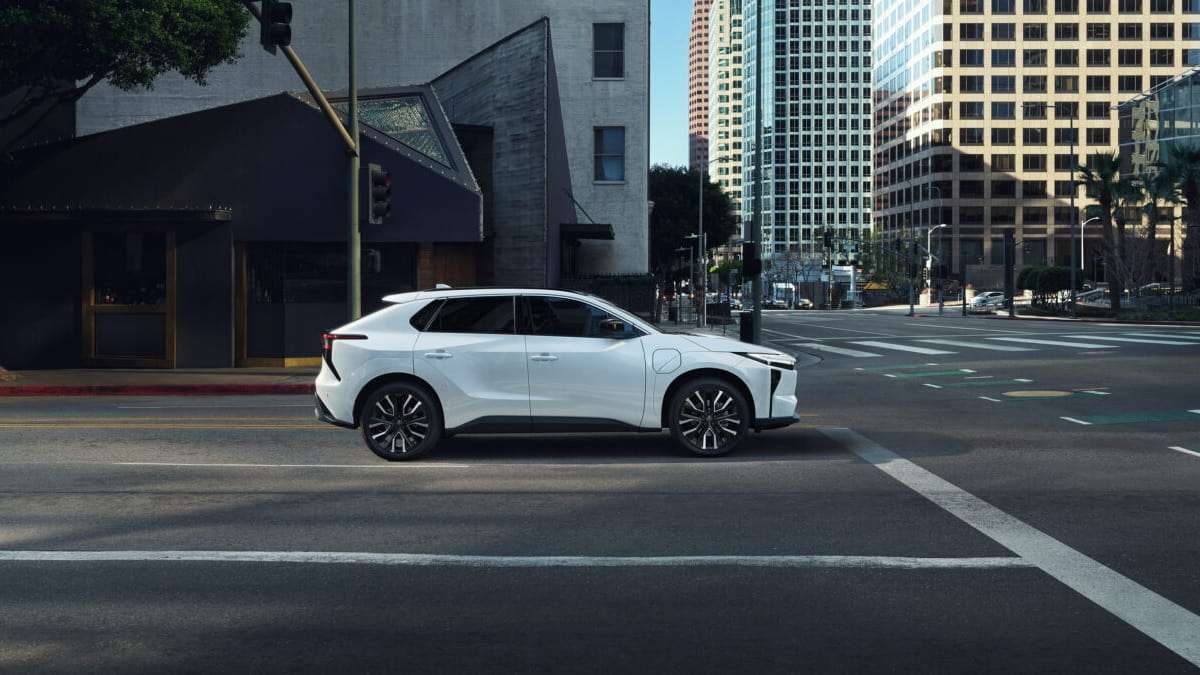

We respect Toyota and we really want to like their new BZ EV. Having pioneered the hybrid space with the world-beating Prius, Toyota was late to jump into the EV game. Their first battery electric vehicle was the bZ4X. Despite its catchy name (sarcasm), it received a poor reception with Toyota CEO Tetsuo "Ted" Ogawa admitting, “it's too expensive, or the driving range is too short.” For 2026 they are launching the much-improved BZ. In addition to a better name, the BZ boasts better range (from the bZ4X’s 252 miles to 314 miles), an added NACS (Tesla style) charge port, more power (from 214 hp in the bZ4X to 338 in the BZ), improved infotainment, and a sleeker front fascia with new LED lighting.
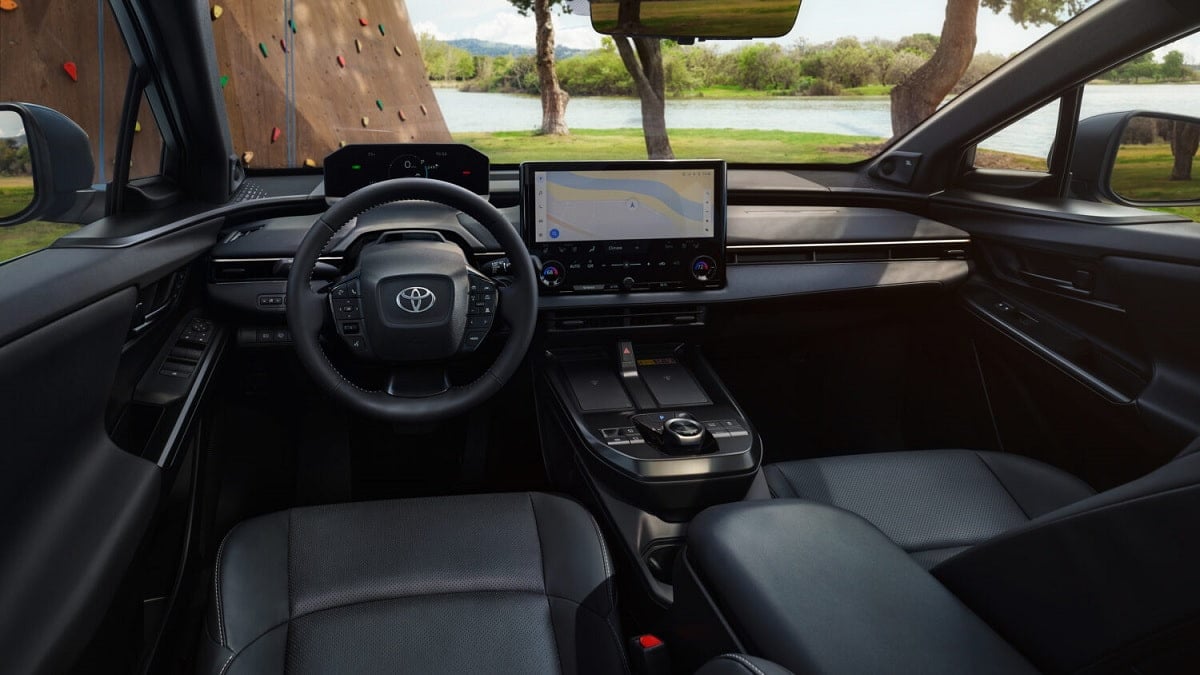
All that said, what we like best is their new ad campaign for the BZ. It has the tagline "One drive can change your mind.” In general, we believe that this is the best way to sell EVs – let them sell themselves. You just can’t describe EV acceleration and zero-lag responsiveness. You have to let prospective buyers experience it. The new Toyota BZ ad campaign has caught the attention of social media. Here’s a good post from the r/electricvehicles subreddit posted by deckeda
“I like Toyota’s “just try one” ad message they’re using.”
Maverick21FM responded:
“That's been shown to be the best way to get people to switch to an EV. You have to get butts in seats.”
DeathlessBliss responded by stating that the jury is still out regarding the new BZ:
“The bZ4X was horrible. The 2026 model so far has had really good reviews and way better charging speed. It still doesn’t match the Hyundai Kia level but is a decent buy.”
Our Favorite EV Commercials
It’s difficult to mark when the modern EV era started, but we like to point to the 2021 Superbowl when there were seven EV ads that accounted for a record breaking ad spend of over $38 million. Starting at that point in time, we chose the following four EV commercials as our favorites.
GM’s "No Way, Norway" starring Will Ferrell (2021)
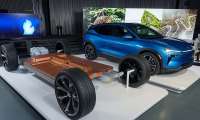
GM’s "No Way, Norway" Super Bowl ad featured Ferrell, Kenan Thompson, and Awkwafina hilariously confronting Norway for selling more EVs per capita than the U.S., with Ferrell leading a comedic, absurd road trip to challenge them using GM's new Ultium battery EVs. It promoted GM's shift to electric vehicles in a funny, engaging way. It worked well because Ferrell humorously highlighted America's lagging EV adoption compared to Norway, driving a Cadillac Lyriq and GMC Hummer EV, creating massive awareness and positive sentiment for GM's EV push.
Kia’s "Robo Dog" (2022)
Kia's 2022 Super Bowl commercial featuring the EV6 was a heartwarming story designed to promote the EV6 and raise awareness for pet adoption through a partnership with the Petfinder Foundation. It worked well because it featured the EV6 in a fun, adventurous ad, showing its fast-charging capability (from 10% to 70% in 18 mins) with a clever story, winning hearts and boosting the EV6's profile.
BMW’s "62 Years of Legend" starring Arnold Schwarzenegger and Salma Hayek (202)
The BMW "62 Years of Legend" commercial featuring Arnold Schwarzenegger and Salma Hayek was a hit for its humorous take on retirement. Arnold played a bored Zeus in Palm Springs, finally finding his spark with Salma's electric BMW iX. It blended legendary status with future tech, humor, and a personal touch (Arnold's real-life love for BMWs) to make EVs cool and relatable.
GM: "Electric Mayhem" (2021)
GM's "Electric Mayhem" commercial, a Super Bowl ad from 2021, was great because it cleverly used the beloved Muppet band to show GM's serious pivot to EVs. It acknowledged slow US adoption while promising a future with only electric cars by 2035. It made the complex shift feel fun, nostalgic, and backed by innovative technology like their Ultium battery platform. The commercial tried to shift perception from "slow" to "unstoppable" electric future.
The Current State of EV Advertising
When it comes to EV advertising, studies show that interest in electric vehicles is uneven and increasingly nuanced. Many consumers are showing stronger preference for hybrids and range extender vehicles rather than fully electric models, largely due to concerns about cost and ease of charging. Charging remains the biggest barrier, especially for people without reliable home charging. When charging away from home, speed and convenience matter far more than brand or location aesthetics.
Recent studies show that the main areas of emphasis for EV advertising are purchasing behavior, preferences regarding in-vehicle tech, and the emergence of the “shared economy.”
Traditional buying factors like price, quality, and performance continue to dominate purchase decisions. While online vehicle shopping has grown, most consumers still want to see, touch, and test drive a vehicle before committing. Direct to consumer sales appeal to some buyers, but the majority remain want to be able to be able to test drive, especially for higher priced vehicles.
Drivers like modern technology but remain cautious about control and privacy. Smartphone integration is often valued more than proprietary in vehicle systems. Trust in how vehicle data is managed varies by region, and willingness to pay for connected services depends heavily on perceived usefulness. Interest in autonomous features exists, yet confidence levels differ widely across markets.
How often people drive depends strongly on where they live. In regions with strong public transportation, consumers are more open to shared mobility services. In other areas, personal vehicle ownership remains central to daily life. Younger consumers are generally more flexible about alternatives to ownership, though this varies by country.
Bottom Line
The overall picture is practical rather than ideological. Consumers want vehicles that fit their lives, reduce hassle, and make financial sense. Electrification, connectivity, and new ownership models will continue to evolve, but it looks like EV adoption currently depends on solving everyday concerns instead of selling future promises.
The Toyota BZ
The Toyota BZ is a compact all-electric SUV that launched in the United States for the 2026 model year after first appearing as a concept and early production model a few years earlier. It stands out for offering a practical mix of range, everyday comfort, and Toyota’s reputation for reliability. Many buyers appreciate how it supports commonly used fast charging and feels easy to live with on a daily basis. Pricing starts in the mid $30,000 range with higher trims closer to the mid $40,000s, and it is sold as a four-door SUV that aims to appeal to mainstream drivers looking for an accessible and versatile electric vehicle.
What Do You Think?
Did a single test drive change your mind about EVs, or did it take longer to convince you?
Do you think Toyota waited too long to enter the EV market, or did holding back actually help them improve the BZ?
Chris Johnston is the author of SAE’s comprehensive book on electric vehicles, "The Arrival of The Electric Car." His coverage on Torque News focuses on electric vehicles. Chris has decades of product management experience in telematics, mobile computing, and wireless communications. Chris has a B.S. in electrical engineering from Purdue University and an MBA. He lives in Seattle. When not working, Chris enjoys restoring classic wooden boats, open water swimming, cycling and flying (as a private pilot). You can connect with Chris on LinkedIn and follow his work on X at ChrisJohnstonEV.
Photo credit: Toyota media kit
Set Torque News as Preferred Source on Google
Follow us today...