
Partially from its built in, loyal fanbase, and probably from some aggressive incentives, Toyota is receiving rave reviews for it’s massively updated bZ EV. We’re seeing a lot of positive comments on social media from excited new Toyota bZ owners. Here a good one from the r/electricvehicles subreddit where settledow_n posted:
“I’m loving the 2026 Toyota bZ XLE AWD
I just picked up the 2026 Toyota bZ XLE AWD and it has MASSIVELY upgraded features. It has a native NACS port. It’s getting about 280 range, and it finally has battery preconditioning! I turned in my 2023 Toyota Corolla Hatchback SE lease a few months early as a trade-in and got $1,000 equity due to low miles. On top of that, I received $6,500 in lease cash and an extra $5,000 rebate all put toward the bZ. The new lease was 0 down, $400/mo for 36mo. Toyota rewards loyalty big time. Mind you this is with only fair credit but perfect payment history on the Corolla. I’m in Boise but the deals were associated with the Portland region internally at Toyota. I cannot recommend enough. I think this is the year Toyota got an EV right.”
Another new buyer, No_Influence_1376, shared her enthusiasm:
“I just got mine last week, same exact model. There's a foot of snow this morning and it handled it like a beast. It’s super comfortable and fun to drive. I also noticed that the software felt improved from the 2024 model, my phone doesn't lose connection anymore with Android Auto.
It's 8 degrees F here and it's giving me over 155 miles range with the heat/climate maxed out. Love that”
Volvowner44 gave a shout out to Toyota:
“Your last sentence says it all. Toyota doesn't lead the pack, but when they commit, they do so with quality and for the long term. 2026 is their year for EV rollout, the earlier BZ4X was an atypical response from them.”
Toyota’s Aggressive Incentives
Toyota is offering substantial incentives in the form of lease cash and rebates for its electric vehicles, especially the 2026 bZ model. Qualified lessees can receive up to $6,500 in TFS (Toyota Financial Services) Lease Cash on a new 2026 bZ. This incentive is applied as a capitalized cost reduction, significantly lowering the monthly payment. A direct $5,000 customer cash rebate is available for buyers of the 2026 bZ model who do not lease. On top of these, Toyota is offering 0% APR financing for up to 72 months on the 2026 bZ, which also includes an additional bonus cash incentive ranging from $3,500 to $6,000, depending on the trim.
Exterior Design and Naming Changes
Starting with its original cumbersome name, Toyota had a bit of a mess to clean up from the original launch of the bZ4X. With the 2026 iteration, they seem to have nailed what the market is looking for.
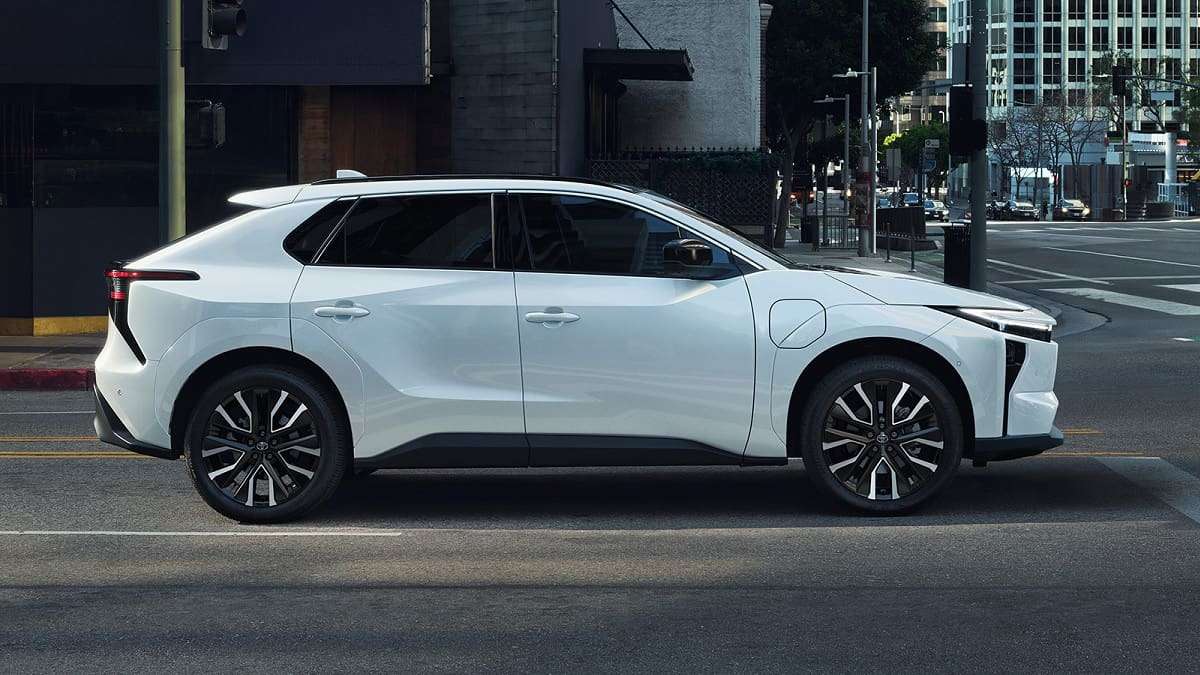
The updated Toyota bZ brings subtle but meaningful styling changes. The overall shape is familiar, but the front end now features a sharper hammerhead style nose with wraparound LED lighting. This aligns the bZ more closely with newer Toyota designs like the C-HR and upcoming models. The heavy black cladding seen on the earlier bZ4X is mostly gone, giving the vehicle a cleaner and more conventional look. Toyota has also simplified the name. While some markets still display the bZ4X badge, the vehicle is now simply called the Toyota bZ, which makes it easier for buyers to understand and remember.
Battery, Range, and Charging Improvements
Under the surface, the bZ sees major upgrades. Buyers now get a choice of battery packs, with the larger 74.7 kWh unit being the standout. This improved efficiency pushes the estimated range up to around 288 miles depending on configuration. Charging capability has also improved. DC fast charging now supports up to 150 kW, while AC charging jumps to 22 kW, offering far more flexibility for home and public charging. These changes address some of the biggest criticisms of the earlier model.
Interior Quality and Technology
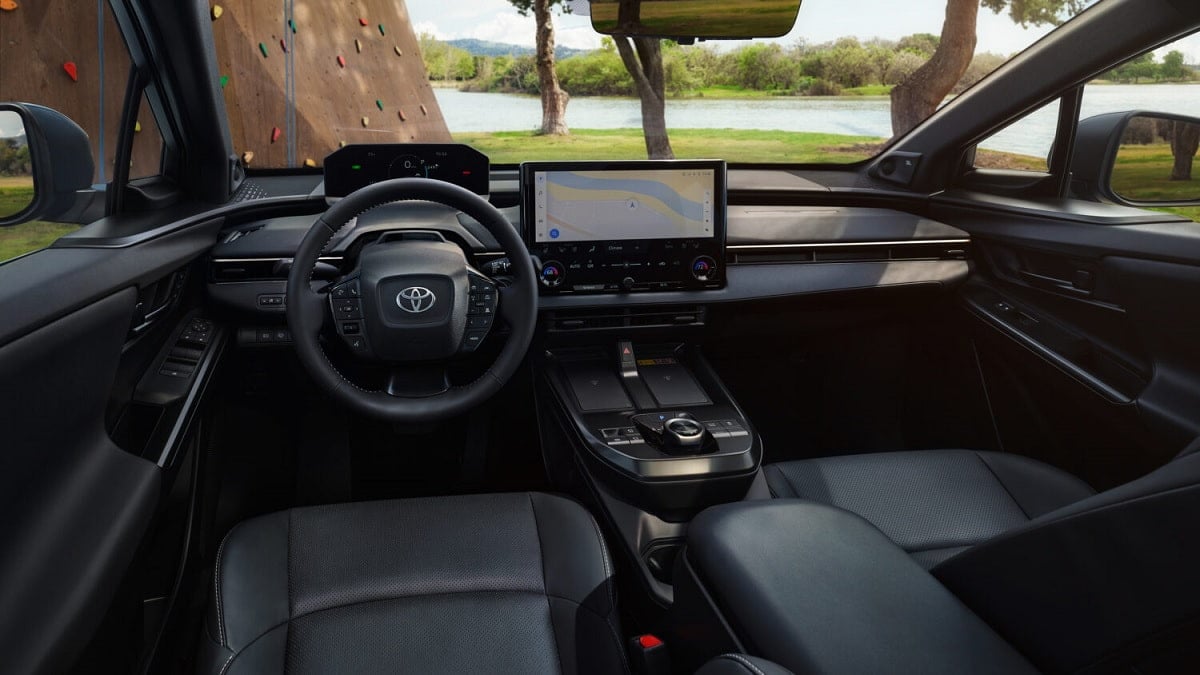
Inside, the design retains a familiar Toyota design language but the execution is noticeably better. Materials feel higher quality, the cabin is more comfortable, and the overall refinement is easy to notice. The infotainment system is faster and clearer, borrowing elements from Lexus, while still retaining physical rotary controls for climate settings. Borrowing a page from Tesla, the interior includes dual wireless phone chargers, multiple storage areas, and a clever double hinge center console. Rear seat space is generous, with good legroom, air vents, USB ports, and practical storage. One odd omission remains the lack of a glove box, though most owners will likely adapt.
Performance and Drivetrain Options
The Toyota bZ is offered in both front wheel drive and all-wheel drive versions. The front wheel drive model produces around 225 horsepower and delivers the longest range, making it the most logical choice for most buyers. The all-wheel drive version adds a second motor, boosting output to roughly 338 to 344 horsepower. Range drops slightly to around 480 to 490 kilometers, but efficiency remains respectable. Acceleration is brisk, and power delivery is smooth, as expected from a modern EV.
Off Road Capability and X Mode
One of the most surprising aspects of the bZ is its off road ability. Thanks to the X Mode system developed with Subaru, the all-wheel drive version performs well on loose surfaces like gravel and dirt. Short overhangs and smart traction control help it handle tougher terrain than expected for an electric crossover. While it is not intended for extreme off roading, it proves capable enough for trails, rural roads, and light adventure use, which sets it apart from many EV competitors.
Driving Experience and Comfort
On the road, the bZ delivers a smooth and quiet drive. Acoustic glass helps reduce road noise, which is especially important in an EV with no engine sound. Steering and handling are predictable and easygoing, fitting well with its role as a daily driver. Regenerative braking is adjustable via steering wheel paddles, allowing drivers to fine tune how aggressive the system feels. Like most EVs in this price range, the driving experience is competent rather than exciting, but that consistency will appeal to many buyers.
Pricing and Market Position
Toyota appears to have priced the bZ competitively, especially when incentives and lease deals are applied. The company’s strong profitability in hybrids likely gives it more flexibility than rivals who invested heavily in EV only platforms. Whether Toyota is making a profit on the bZ is unclear, but the pricing suggests a strategic effort to stay competitive with vehicles like the Tesla Model Y and Chevy Equinox EV without alienating existing customers.
Bottom Line
The new Toyota bZ represents a meaningful step forward from the outgoing bZ4X. It looks better, drives better, charges faster, and goes farther on a single charge. Interior quality has improved, off road capability adds a unique twist, and pricing remains competitive. While it may not feel dramatically different from other EV crossovers while driving, the overall package is far more convincing. For buyers who want a familiar Toyota experience in an electric format, the bZ finally feels like a fully realized product rather than a compliance experiment.
What Do You Think?
If you were offered a $400 per month all-in lease on a Toyota bZ, would you switch from your current car or stick with what you have?
Would you trust Toyota more for long-term EV ownership than newer EV-only brands, or does innovation matter more to you?
Chris Johnston is the author of SAE’s comprehensive book on electric vehicles, "The Arrival of The Electric Car." His coverage on Torque News focuses on electric vehicles. Chris has decades of product management experience in telematics, mobile computing, and wireless communications. Chris has a B.S. in electrical engineering from Purdue University and an MBA. He lives in Seattle. When not working, Chris enjoys restoring classic wooden boats, open water swimming, cycling and flying (as a private pilot). You can connect with Chris on LinkedIn and follow his work on X at ChrisJohnstonEV.
Photo credit: Toyota media kit
Set Torque News as Preferred Source on Google
Follow us today...