
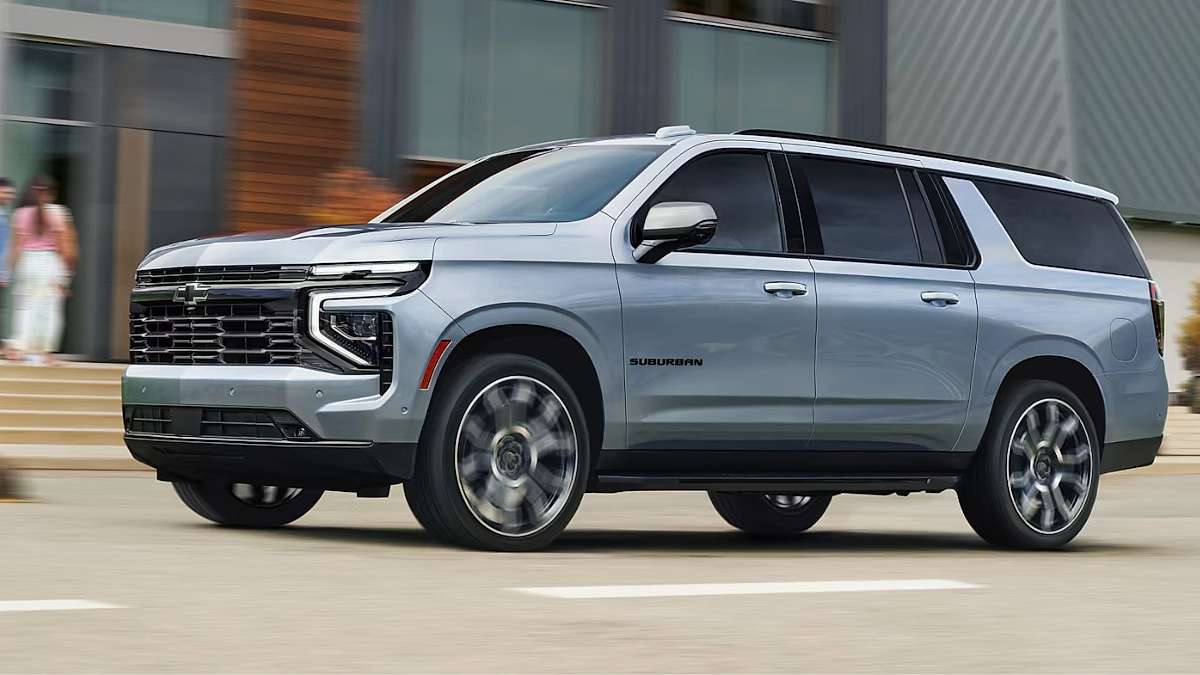

Diesel engines earned their reputation by doing one thing exceptionally well for years, and that's surviving massive mileage totals that would scare a lot of gasoline-powered vehicles off the road. Buyers expected diesel trucks and SUVs to handle towing, highway travel, and years of abuse while barely breaking a sweat, but modern diesel ownership no longer feels as predictable as it once did.
Today’s diesel-powered trucks and SUVs are quieter, smoother, cleaner, and more technologically advanced than ever before, yet they are also packed with sophisticated sensors, software integration, and expensive components that can quickly turn a dependable long-haul vehicle into a stressful ownership experience when something fails. That growing contrast is exactly what stood out to me while browsing through the “Duramax 3.0 Owners” Facebook group today. One owner shared a simple comment that grabbed attention because of how unbelievable it sounded for such a new vehicle.
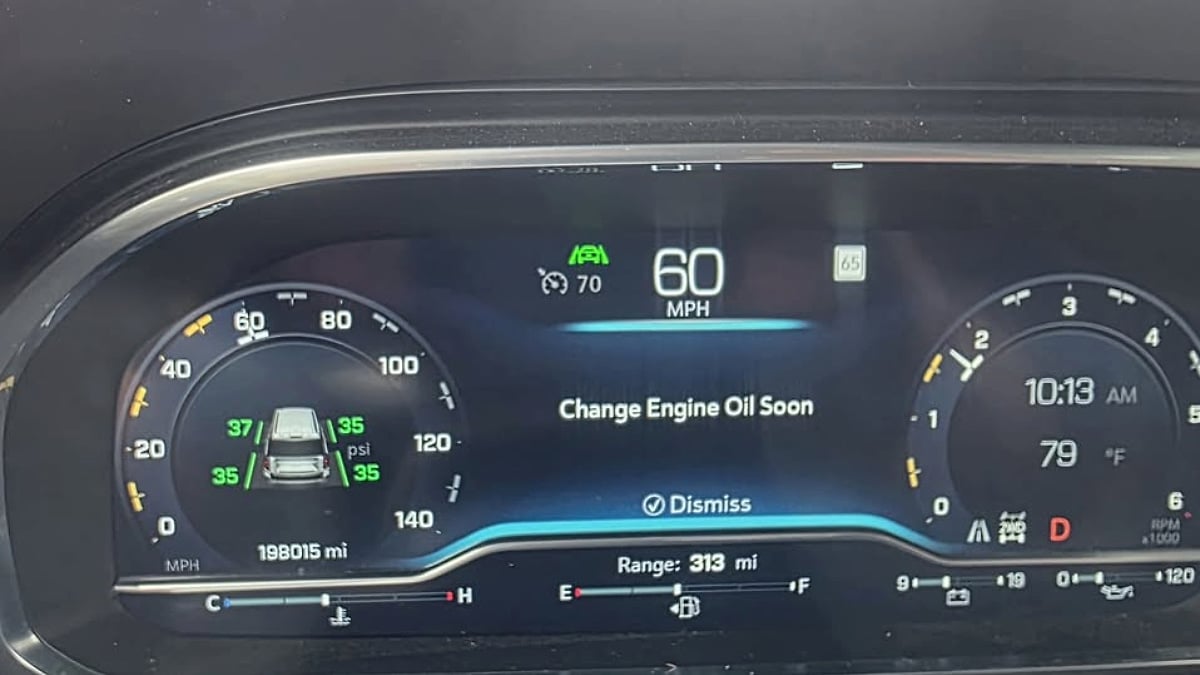
“198,000 and counting on the 2023 Suburban LT.”
That short statement came from Scott Beck, and honestly, it says a lot about how fascinating modern GM diesel ownership has become. A 2023 Chevrolet Suburban approaching 200,000 miles already suggests the SUV has likely spent much of its life doing heavy highway driving, long-distance travel, or commercial-style use. For many diesel enthusiasts, that kind of mileage almost feels like proof that the 3.0L Duramax still carries some of the long-haul durability people expect from a modern diesel platform. But what makes the discussion truly interesting is that not every owner in the same group appears to be experiencing that kind of success.
The Diesel That Refuses to Slow Down
The 3.0L Duramax has quietly developed a strong following among many GM truck and SUV owners over the last few years. Compared to some larger diesel engines, the inline-six focuses less on brute-force towing numbers and more on balance, with owners frequently praising its impressive highway fuel economy, smooth torque delivery, quiet operation, long-distance comfort, and strong daily drivability.
That combination has made the engine increasingly popular in vehicles like the Chevrolet Silverado, Tahoe, Suburban, GMC Sierra, and Yukon. And in many ways, Scott Beck’s nearly 200,000-mile Suburban represents exactly what diesel fans want modern ownership to look like.
High-mileage highway driving is often ideal for modern diesel engines because it allows components to remain at stable operating temperatures for long periods of time. Long-distance driving can also reduce stress associated with repeated cold starts, interrupted emissions-system regeneration cycles, and constant stop-and-go traffic.
A diesel SUV that spends most of its life cruising on highways may actually age better than one constantly making short suburban errands every day. Still, while some owners continue stacking massive mileage totals with relatively few complaints, others say their experiences have looked completely different.
Four Months in the Shop Changes Ownership Fast
Under Scott Beck’s comment, other owners quickly chimed in with very different stories.
Shane Root wrote: “My '24 with 55k miles has been in the shop for 4 months.”
That single comment highlights the growing issue of downtime surrounding many modern vehicles today, especially technologically advanced trucks and SUV. For many owners, the frustration is not always just the repair itself. Sometimes the bigger issue becomes how long the vehicle remains unavailable.
Modern diesel trucks and SUVs rely on increasingly complex systems involving emissions controls, turbochargers, advanced transmissions, software integration, electronic modules, and high-pressure fuel systems, which means that when a major issue appears, repairs are often far more involved than they were years ago.
Not to mention parts shortages, technician availability, and dealership backlogs can also stretch repairs into weeks or even months. That reality has started changing how many owners think about long-term reliability. A vehicle can still technically be repairable, but if it spends months sitting at a dealership, ownership satisfaction can collapse quickly.
In fact, I recently reported on a frustrated 2025 Chevrolet Silverado Duramax owner whose truck reportedly sat broken at the dealership shortly after purchase, and stories like that continue fueling larger conversations about repair delays and modern diesel ownership anxiety. For buyers spending well over $60,000 or even $80,000 on full-size trucks and SUVs, long-term downtime feels increasingly unacceptable.
Repair Costs Become the Real Story
As the discussion continued, another owner added a comment that shifted the conversation from inconvenience to financial shock.
Alexander Chiliy wrote: “Mine has had $30k worth of repairs in 70k miles.”
That number immediately changes the tone of the discussion. One of the biggest reasons modern diesel ownership discussions have become so heated online is because repair costs can escalate incredibly fast once warranty coverage becomes uncertain or multiple systems begin failing together.
Today’s diesel trucks and SUVs are not simple mechanical machines anymore, and all of those modern systems help modern diesels achieve impressive performance, refinement, and efficiency. But they also create more possible failure points. And when something major fails on a modern diesel vehicle, labor costs alone can become staggering.
At Torque News, we’ve also seen broader conversations surrounding uncertainty with modern GM diesel ownership, including ongoing discussions about whether certain 3.0 Duramax oil consumption concerns are harmless characteristics or early warning signs of larger problems. That uncertainty itself has become part of the ownership experience for many buyers.

Even Fleet Owners Start Noticing Patterns
As more owners joined the conversation, Kendrick Bateman added another comment that widened the discussion even further.
“Damn that's one lucky 3.0 Duramax. Had to send all of the new company trucks in for various mechanical issues and one total loss.”
That’s important because fleet usage often reveals trends faster than normal ownership. Commercial vehicles usually accumulate mileage rapidly and operate under demanding schedules. When businesses start experiencing repeated downtime across multiple vehicles, reliability discussions naturally become more serious.
This does not automatically mean every 3.0 Duramax is unreliable since, clearly, Scott Beck’s nearly 200,000-mile Suburban suggests some examples are performing extremely well.
Comments like Kendrick’s reinforce something many modern buyers are increasingly discovering though. Many ownership outcomes can vary dramatically even among nearly identical vehicles.
That unpredictability is becoming one of the defining characteristics of modern vehicle ownership across the industry. My colleague recently covered a GMC Sierra 3.0 Duramax owner who reportedly experienced two catastrophic engine-related breakdowns, adding to the growing divide between owners who swear by these trucks and those who say they no longer trust them.
The Internet Has Changed Vehicle Reputation Forever
One thing I find especially interesting about stories like this is how quickly modern vehicle reputations are now shaped online. Years ago, an owner experiencing a major failure might only complain to friends, coworkers, or people at a local repair shop. Today, one breakdown post inside a large owner group can instantly reach thousands of current and potential buyers within hours.
That creates a strange situation for modern automakers because vehicles like the 3.0 Duramax can simultaneously build a reputation for impressive long-distance durability while also becoming associated with expensive repairs and dealership downtime at the exact same time.
In many ways, Scott Beck’s nearly 200,000-mile Suburban and the frustrated comments underneath it perfectly represents the modern ownership experience online. Positive stories travel fast, but negative experiences often travel even faster because people naturally pay more attention to costly failures, downtime, and financial stress.
As a younger journalist, I think this has completely changed how buyers research vehicles today. Many people no longer rely only on dealership visits or manufacturer marketing. Instead, they scroll through owner groups, Reddit discussions, repair stories, and real-world mileage updates trying to figure out whether a vehicle will genuinely hold up long term.
That is part of what makes discussions surrounding the 3.0 Duramax so fascinating right now. Depending on which owner you ask, it's either one of GM’s most impressive modern engines or a platform that has seriously damaged confidence in long-term truck and SUV ownership.
Important Takeaways for Buyers Considering Modern Diesel Ownership
- Highway driving matters more than many people realize because modern diesel systems often perform best under long-distance steady-state driving conditions.
- Repair costs can become just as important as fuel savings when evaluating whether a diesel-powered SUV or truck truly makes financial sense long term.
- Modern reliability is becoming increasingly inconsistent even among vehicles sharing the same engine and drivetrain.
- Online ownership discussions usually contain both extremes which is why it is important to look at broad patterns rather than one isolated story.
- Long dealership downtime can damage ownership satisfaction quickly even if the actual repair is eventually completed under warranty.
- One owner’s incredible experience does not automatically erase another owner’s frustrating one and vice versa.
Tell Us What You Think?
Have you owned a GM vehicle with the 3.0L Duramax engine? And has your experience been mostly positive or frustrating?
Plus, do you think modern diesel trucks and SUVs are becoming too technologically complicated compared to older generations, or do the benefits still outweigh the risks?
We'd love to hear from you in the comments below.
About The Author
Aram Krajekian is a young automotive journalist bringing a fresh and analytical perspective to the evolving automotive landscape by reporting on real-world ownership experiences and providing industry analysis. Based in North Carolina, he covers electric vehicles, trucks, and broader automotive trends with a focus on contributing a balanced evaluation. His reporting cuts through brand bias to provide readers with grounded insight into how vehicles perform for everyday drivers beyond marketing narratives.
Aram can be reached on X and LinkedIn for ongoing automotive coverage.
Image Credits
The “Duramax 3.0 owners” Facebook group and Chevrolet’s gallery.
Set Torque News as Preferred Source on Google
Follow us today...







Comments
Mine had the dreaded engine…
Permalink
Mine had the dreaded engine knock and went into limp mode. It needs an entirely new engine at 7,500 miles. I own a 2026 Chevy Silverado LT Trailboss.
2023 it has 80,000 miles was…
Permalink
In reply to Mine had the dreaded engine… by Samuel A (not verified)
2023 it has 80,000 miles was in shop one time for emissions. Truck has been very reliable, super good fuel mialage and lots of torque.
The diesel engine longevity…
Permalink
The diesel engine longevity/durability debate often does come around to the old knowledge that diesels dont like short run cycles. However given the massive engine related recalls by some auto makers, this is very indicative of an issue affecting both the design and the build process. That core issue is variation in standardized processes. Rigorous product testing helps limit the damage but has a cost. Performing technical services in an advanced ISO manufacturing environment for over two decades is an exercise in recognizing differences in human behavior. As OEMs lose sight of long-term brand quality and customer respect, the common management culture in the USA is to trim manufacturing costs. Real, effective ISO adds cost and near-sighted white coats may lack the accounting skills to access the performance of well maintained machinery.