
The digital age has transformed how we understand automotive incidents, replacing witness testimony and physical evidence with terabytes of sensor data and millisecond-precise logs that capture every pedal press, steering input, and system response. This technological revolution has created an unprecedented ability to reconstruct events with scientific precision, yet it has also revealed something unexpected: the human element remains the most unpredictable variable in the equation, capable of creating scenarios where perception and reality diverge in ways that challenge both our understanding of technology and our faith in our own experiences.
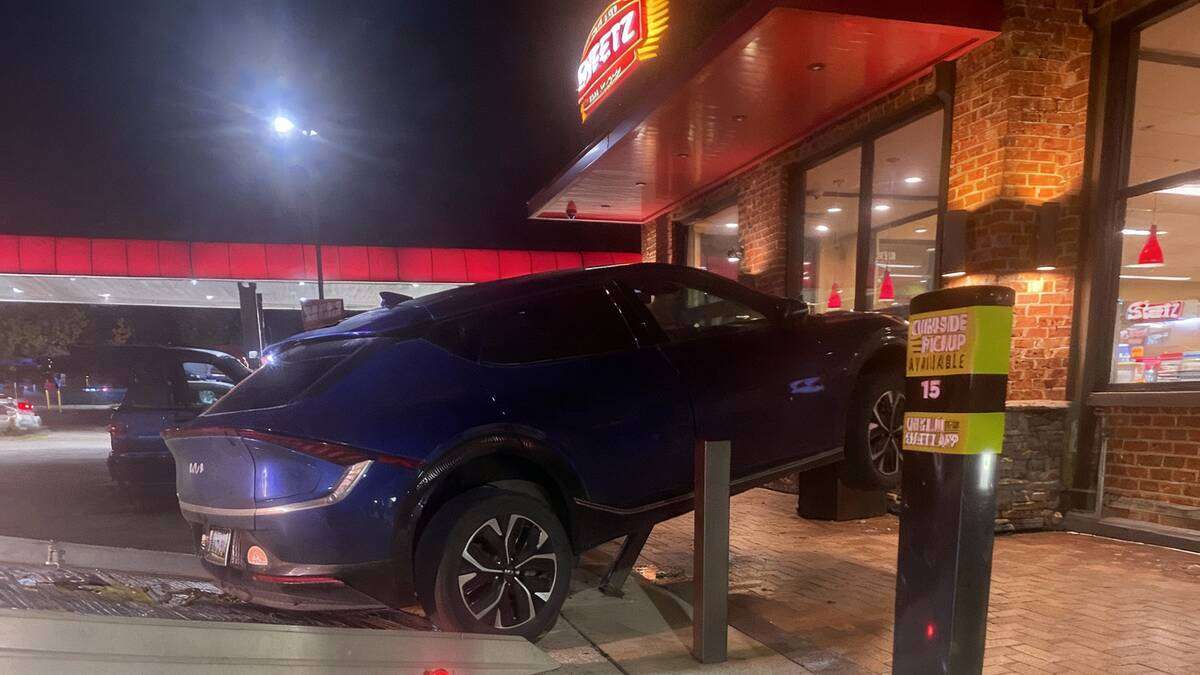
This tension between human memory and electronic truth became the central theme of Ellen Mayer's experience on a rainy September night outside a Sheetz convenience store. Her 2022 Kia EV6 Wind, with 43,000 miles of presumably uneventful service, was about to become the center of a mystery that would reveal as much about the psychology of automotive incidents as it did about the mechanics of modern electric vehicles. The setting itself carried an almost cinematic quality that would influence everything that followed, creating the perfect conditions for an incident that would blur the lines between mechanical failure and human error.
The circumstances leading to the incident began with a frustration familiar to many electric vehicle owners: the search for reliable charging infrastructure.
“On 9/25/25, while parked in front of a Sheet,z looking for a nearby charging station ( this location was in the process of replacing their chargers). My 2022 Wind (43K miles) suddenly, at full speed, charged forward toward the brick and glass wall of the store. This happened within the blink of an eye - it stopped with a horrible jolt just as suddenly, as it was impaled on a barrier pole. The photo should tell the story . . . at midnight, in a light drizzle I endured shock, being asked if I was ok, if I needed help calling 911, and being instructed to climb DOWN from the car before it catches on fire - I, unaware that my car was in the blast off position was trying to put it in reverse to get away from the building! I soon realized that I was looking down at the people who were standing outside my car, talking - indeed, I needed help climbing down. After enduring DUI exercises and tests, the Sheriff was satisfied that I was clearly sober ( in spite of being in shock and depressed that my car was impaled and bleeding - red antifreeze)! My car was totaled!
I am hoping that people with similar experiences will contact me - I am aware of other reports of such incidents ( with photos posted on The Reddit EV6 forum. I have filed a report with the NHTSA, contacted Kia customer service, etc. I fear I will need legal representation to navigate the LEMON law of WV - KIA needs to do the right thing for me and all of us - I was headed out of town the night this occurred and have only been home a few days -I am exhausted from trying to hit all thew bases to resolve this issue - My Ins ( after paying the 5K I still owe) will only award me 18K! I have owned the car 2for .5 years as the original owner.
I emphasize - the car was in Park - no safety mechanisms clicked in to stop or prevent the car from charging forward into the building - I am only grateful that I did not die, end up totally handicapped, or harm anyone.
I look forward to your responses.”

That barrier pole, designed as a passive safety measure to protect the building's facade, became the unlikely hero in a story where establishing the truth would require diving deep into the vehicle's electronic memory. The dramatic language Mayer used to describe the incident reflects not just the physical impact but also the psychological shock of experiencing something that seemed to defy her understanding of how her vehicle should behave. This emotional response would prove crucial to understanding why her account differed so significantly from what the technical community would conclude actually happened.
The Community Detective Work Begins
What followed Mayer's account was not the typical expression of sympathy and support that usually greets such stories in online forums, but rather a forensic dissection that revealed the depth of technical knowledge within the EV ownership community. The responses came not from professional investigators or automotive engineers, but from fellow owners who had spent countless hours learning the intricate details of their vehicles' operation. This immediate shift from emotional support to technical analysis reflected the unique culture of electric vehicle communities, where owners often develop expertise that rivals that of dealership technicians.

The first and most decisive response came from Pj Germain, whose technical analysis cut through the emotional narrative with mechanical precision. The car was most definitely NOT in park. On an EV6, putting the car in Park engages a mechanical pawl that locks the driveshaft from turning. 100 percent you were in Autohold, misread it for park and pressed the wrong pedal. The pedal log will confirm this. The certainty in this statement reflects not arrogance but the kind of intimate familiarity that comes from understanding exactly how these systems work and fail. More importantly, it introduced a crucial distinction that would become central to understanding the incident: the difference between AutoHold and Park mode.
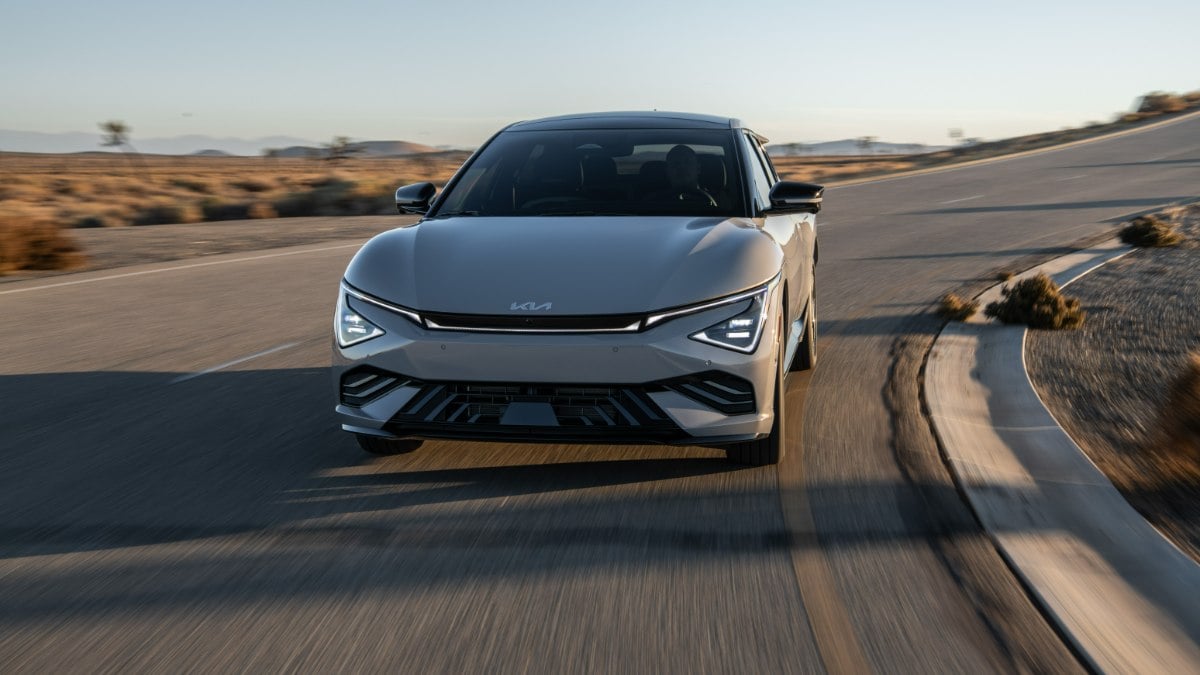
This technical explanation revealed one of the subtle complexities of modern electric vehicles that can trap even experienced drivers. AutoHold, designed as a convenience feature that maintains brake pressure when stopped, creates a sensation of being "parked" without actually engaging the mechanical systems that would prevent forward motion. The feature works seamlessly in normal operation, holding the vehicle stationary at traffic lights or in stop-and-go traffic, but it requires the driver to understand that it's not the same as Park mode. In the stress of a late-night charging search, with rain creating additional sensory distractions and the frustration of finding non-functional charging equipment, the distinction between these modes could easily blur in a driver's mind.
Building on this technical foundation, Roy Reynolds approached the incident from a different angle, focusing on the physics of the situation rather than the mechanical systems.
Great story, but you shouldn't have been texting on your phone. Lmao if it jumped in the drive all by itself, it would have gone more than 5 ft.
While his tone lacked diplomatic finesse, his observation about distance traveled pointed to a crucial element that would prove central to understanding what actually occurred. The limited forward movement he referenced suggested not a runaway vehicle accelerating under full power, but rather a brief, controlled motion that ended almost as quickly as it began.

This detail about distance, seemingly minor in Mayer's original account, became a key piece of evidence that would help reconstruct the actual sequence of events. If the vehicle had truly experienced a sudden, uncontrolled acceleration as described, the physics would have resulted in much greater forward momentum before the barrier pole could stop it. Instead, the short distance suggested a different scenario: a momentary acceleration that was quickly corrected, either by the driver or by the vehicle's safety systems responding to the impending collision.
The Digital Witness Never Lies
The community's technical analysis, while compelling, ultimately pointed toward a more definitive source of truth: the vehicle's own data logging systems. Modern vehicles function as rolling data centers, capturing and storing information with a precision that would make forensic investigators envious. Every pedal press, every gear selection, every system activation gets recorded with timestamps accurate to the millisecond, creating an objective record that can either confirm or contradict human recollections of events. This capability represents a fundamental shift in how automotive incidents are understood and resolved, moving from subjective accounts to objective data analysis.
Daetron Beverage-Sanders's observation cut to the heart of how this new reality works in practice. When they pull data from the computer, they can tell what happened. This simple statement represents the culmination of decades of automotive technology development, where vehicles have evolved from purely mechanical devices to sophisticated computer systems that monitor and record their own operation. The vehicle's computer systems would have recorded not just what happened, but the precise sequence and timing of events that led to the incident.
The data would reveal crucial details that human memory simply cannot capture with the same precision:
Did the brake pedal get released before the accelerator was pressed? Was the vehicle actually in Park mode or AutoHold when the incident began? How long did the forward acceleration last, and at what rate did it occur? What safety systemswere activated, and when? These questions, impossible to answer through human testimony alone, become straightforward matters of data retrieval and analysis. The technology that enables this level of investigation creates both opportunities and challenges for incident resolution.
While this technological capability provides unprecedented accuracy in determining causation, it also places enormous pressure on human memory and perception, potentially making people doubt their own experiences when the data tells a different story. This creates a new category of psychological challenge for incident victims, who must reconcile their lived experience with objective data that may contradict their recollections. The emotional impact of this contradiction can be as significant as the original incident itself, particularly when it affects fundamental assumptions about personal competence and reliability.
Modern Vehicle Data Systems Reveal
- Exact timing and pressure measurements for both brake and accelerator pedal applications, showing the sequence and intensity of driver inputs during incidents with millisecond accuracy.
- Definitive records of transmission mode selection, including timestamps for changes between Park, Drive, Reverse, and AutoHold modes that eliminate guesswork about vehicle configuration.
- Complete records of vehicle system operation, including safety system activation, electronic stability control intervention, and collision avoidance system responses during critical moments.
- Data about vehicle speed, steering angle, and external conditions that provide context for understanding incident development and evaluating the appropriateness of driver responses.
The Psychology of Automotive Incidents
The gap between Mayer's experience and the community's technical analysis reveals something profound about how humans process traumatic events, particularly those involving technology we don't fully understand. The midnight setting, the stress of finding charging infrastructure, and the shock of unexpected vehicle movement all contributed to a perfect storm of factors that could easily distort perception and memory. These psychological factors don't invalidate Mayer's experience, but they do help explain why her account might differ from what the vehicle's data systems recorded.
The phrase "at full speed" in Mayer's account likely reflects not the actual velocity achieved but the subjective experience of unexpected acceleration. When you're expecting your vehicle to remain stationary and it suddenly moves forward, even a few miles per hour can feel like "full speed" in the context of your expectations and the confined space of a parking lot. This perceptual distortion is a well-documented phenomenon in traumatic events, where the brain's stress response can alter how sensory information is processed and stored in memory.
The community's response, while technically accurate, also reveals the challenge of reconciling objective mechanical reality with subjective human experience. The certainty with which fellow owners dismissed the possibility of system failure reflects both their confidence in the technology and perhaps an unconscious need to maintain faith in their own vehicles' reliability. This psychological dynamic is common in owner communities, where admitting the possibility of system failure could undermine confidence in a significant financial investment and daily transportation tool.
Mayer's emphasis on her recollection of events demonstrates the natural human tendency to trust our own perceptions, even when confronted with contradictory evidence. I emphasize - the car was in Park - no safety mechanisms clicked in to stop or prevent the car from charging forward into the building - I am only grateful that I did not die, end up totally handicapped, or harm anyone. This emphasis on Park mode selection and safety system failure reflects the fundamental disconnect between her experience and the technical community's explanation, a disconnect that speaks to deeper questions about how we understand and interact with complex technology.
The investigation process, with its access to objective data, would ultimately provide answers that might resolve this disconnect, but the psychological impact of the incident would likely persist regardless of the technical findings. This reality highlights the importance of understanding not just what happened mechanically, but how the human experience of the incident affects the individuals involved and their relationship with the technology they depend on daily.
Human Factors in Automotive Incidents
- High-stress situations can affect perception, memory formation, and decision-making processes, potentially leading to actions that differ from conscious intentions while feeling completely deliberate to the person involved.
- Complex vehicle control systems with multiple modes and states create opportunities for misunderstanding, particularly in unfamiliar or stressful situations where cognitive resources are already strained.
- Traumatic events often undergo mental reconstruction that can alter specific details while preserving the emotional impact and overall narrative structure, creating accounts that feel accurate but may not align with objective records.
- Incidents involving advanced technology can create lasting concerns about system reliability that extend beyond the specific circumstances of individual events, affecting future interactions with similar systems.
The Financial Reality of Modern Incidents
Beyond the immediate safety concerns and technical questions, Mayer's experience highlights the complex financial implications of automotive incidents in the age of rapid depreciation and sophisticated vehicle technology. The insurance settlement details reveal how quickly vehicle values can diverge from owner expectations and financial obligations, creating economic hardship that compounds the trauma of the incident itself. This financial dimension adds another layer of stress to an already difficult situation, particularly when questions about causation remain unresolved.
My Ins (after paying the 5K I still owe) will only award me 18K! I have owned the car 2.5 years as the original owner. The mathematics of this settlement tell a story about modern automotive economics that extends far beyond the specific incident. A vehicle that likely cost over $40,000 new had depreciated to an insurance value of approximately $23,000 after just 2.5 years and 43,000 miles.
This depreciation rate, while shocking to owners, reflects the reality of electric vehicle market dynamics, where rapid technological advancement and changing incentive structures can dramatically affect resale values.
The gap between the insurance settlement and the remaining loan balance creates a financial burden that persists long after the incident itself has been resolved. This "underwater" loan situation is increasingly common with rapidly depreciating vehicles, but it creates particular hardship when combined with the sudden loss of transportation and the need to secure replacement vehicles. The financial stress of this situation can significantly impact the psychological recovery process, making it difficult to move past the incident even when technical questions have been resolved.
The mention of lemon law protections reveals another layer of complexity in resolving modern automotive incidents. I fear I will need legal representation to navigate the LEMON law of WV - KIA needs to do the right thing for me and all of us. These laws, designed to protect consumers from defective vehicles, require proving that problems are substantial and cannot be adequately repaired by manufacturers. When incidents involve questions of human error versus system failure, establishing the necessary legal standards becomes significantly more challenging, often requiring expensive expert testimony and prolonged legal proceedings.
The investigation process initiated by Mayer demonstrates the multi-faceted approach required to address modern automotive incidents. The involvement of federal regulators through NHTSA reporting, manufacturer customer service interactions, and potential legal representation reflects the complexity of achieving resolution in cases where causation remains disputed. Each of these processes operates on different timelines and with different standards of evidence, creating a complex web of proceedings that can extend the stress and uncertainty for months or years after the initial incident.
The Broader Implications for Electric Vehicle Safety
Mayer's experience, regardless of its ultimate cause, contributes to important ongoing discussions about modern electric vehicle safety systems and the design of human-machine interfaces in advanced vehicles. The incident highlights potential areas where improvements in system design, user education, or safety protocols might prevent similar occurrences, making it valuable for the broader automotive community even if the specific causation remains disputed. This educational value extends beyond the immediate parties involved to benefit all owners of similar vehicles and inform future design decisions.
The complexity of modern vehicle control systems creates new categories of potential confusion that didn't exist in simpler mechanical vehicles. Features like AutoHold, while designed to improve convenience and safety, introduce new modes of operation that require driver understanding and attention to function safely. The visual and tactile feedback systems that communicate vehicle status to drivers become crucial elements in preventing misunderstanding and ensuring safe operation, yet these systems must balance informativeness with simplicity to avoid overwhelming drivers with unnecessary complexity.
The comprehensive data logging capabilities of modern vehicles provide unprecedented opportunities for understanding incident causation and improving safety systems based on real-world experience. However, this capability also creates new challenges in balancing objective data analysis with subjective human experience and the psychological impact of traumatic events. The goal should be using this data not just to assign blame or liability, but to identify opportunities for preventing similar incidents through improved design, better education, or enhanced safety systems.
The ongoing development of electric vehicle technology continues to introduce new capabilities and safety features, but it also creates new opportunities for human-machine interface problems that require careful consideration and design. The challenge lies in creating systems that are both sophisticated enough to provide advanced functionality and intuitive enough to prevent confusion in high-stress situations. This balance becomes increasingly important as vehicles incorporate more autonomous features and complex operating modes.
The automotive industry's approach to incident investigation and resolution will continue to evolve as vehicles become more sophisticated and data-rich. The balance between protecting manufacturers from unfounded claims and ensuring that legitimate safety concerns receive appropriate attention requires ongoing refinement of investigation procedures and legal frameworks. As electronic vehicle controls become increasingly sophisticated, the importance of comprehensive driver education and clear, intuitive interface design continues to grow, making incidents like Mayer's valuable learning opportunities for the entire industry.
The resolution of Mayer's case, when the vehicle data analysis is complete, will contribute valuable information to the broader understanding of how modern vehicles behave in real-world situations and how human factors interact with advanced technology systems. This information benefits not only the individuals involved but also the broader community of electric vehicle owners and the manufacturers working to improve safety and reliability. Regardless of the specific findings, the incident serves as a reminder that the human element remains central to automotive safety, even in an age of increasingly sophisticated electronic systems.
What aspects of modern vehicle technology do you find most confusing or concerning? Have you experienced situations where vehicle interfaces or controls created uncertainty about your vehicle's status or operation, and how do you think manufacturers can better balance advanced functionality with intuitive operation? Share your thoughts on the challenges of human-machine interaction in modern vehicles in the comments below.
Image Sources: Kia Media Center
Noah Washington is an automotive journalist based in Atlanta, Georgia. He enjoys covering the latest news in the automotive industry and conducting reviews on the latest cars. He has been in the automotive industry since 15 years old and has been featured in prominent automotive news sites. You can reach him on X and LinkedIn for tips and to follow his automotive coverage.
Set Torque News as Preferred Source on Google
Follow us today...