
There are few moments more unsettling for a driver than watching their car begin to move after they have shut it off, stepped away, and reasonably assumed the matter was settled.
That quiet confidence in “Park” is one of the most basic contracts between driver and machine.
When it fails, even briefly, the sense of control evaporates. That is precisely the situation one 2024 Ford Mustang Mach-E owner described this week, and the story has quickly resonated with other EV owners who understand how much modern vehicles now depend on software behaving exactly as intended.
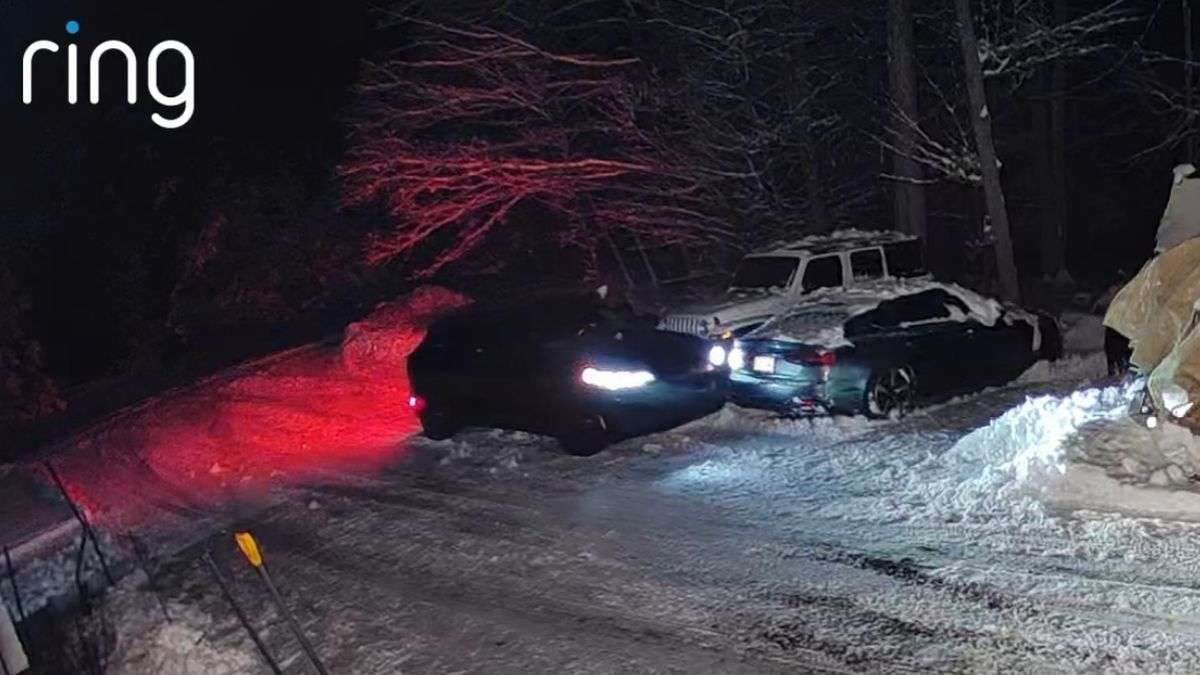
Ryan Taylor, posting in a Mustang Mach-E owners group, described parking his 2024 AWD Extended Range Premium exactly as he always had. He powered the car down, exited, and then watched as it began to roll on its own.
“Figured I’d share with you all so you’re aware… this was the recall they just posted about with the car rolling away, even in park, with the parking brake on… I parked the car as I normally would, powered down, and got out- it started rolling off on its own. I had to jump back in and hit the brake to stop it inches away from my Audi. It's a 2024 AWD Extended range premium.”
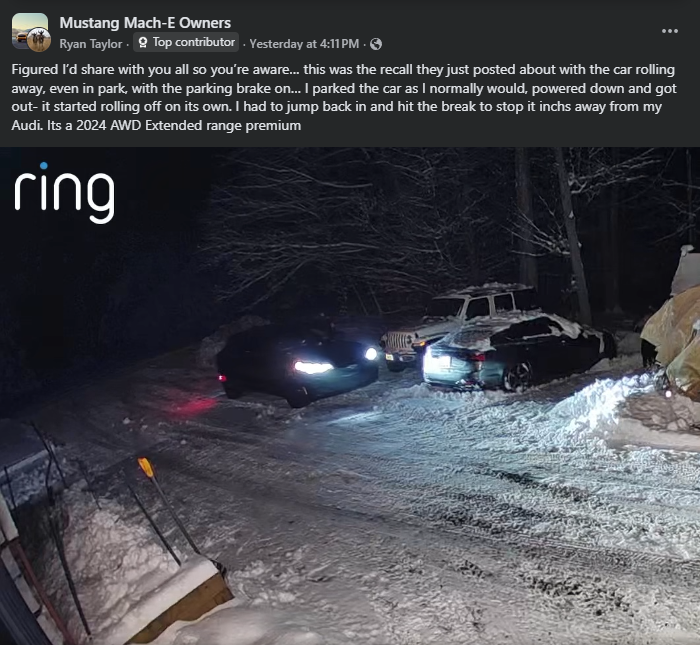
The vehicle was reportedly in Park with the parking brake applied. Only a quick reaction, jumping back inside and hitting the brake pedal, stopped the Mach-E inches from contacting a nearby Audi. Taylor connected the incident to a newly announced recall addressing rollaway risk, noting that this was not a theoretical failure but one he experienced firsthand.
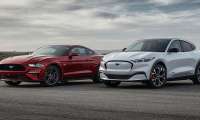
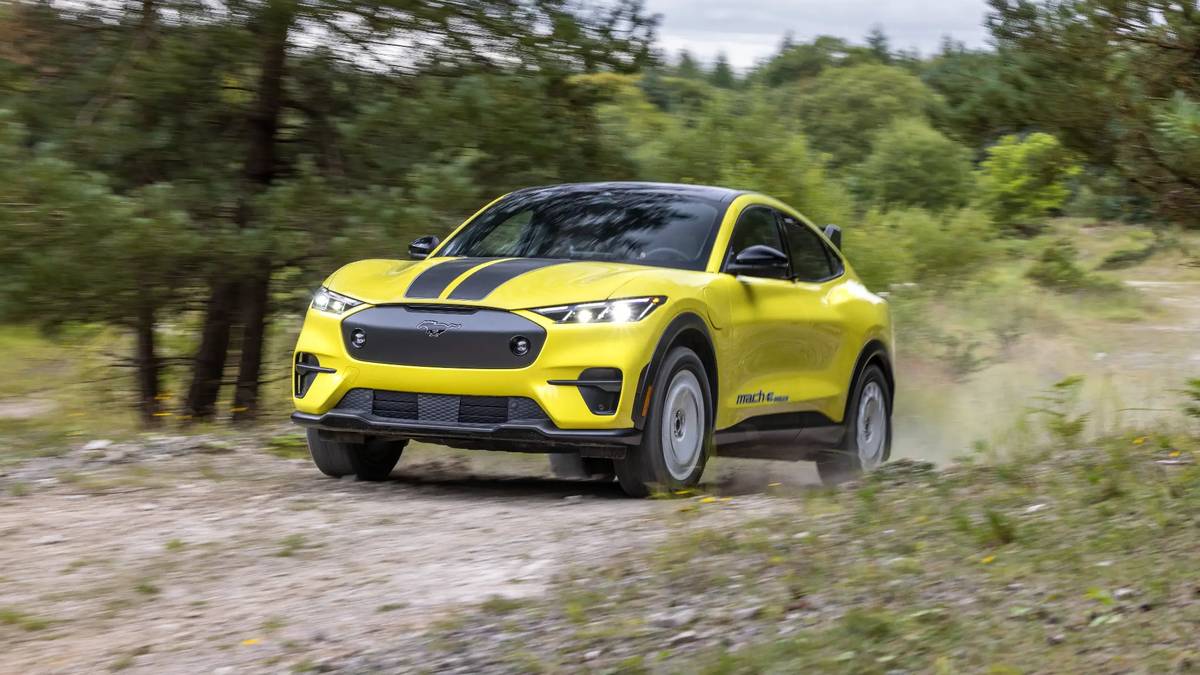
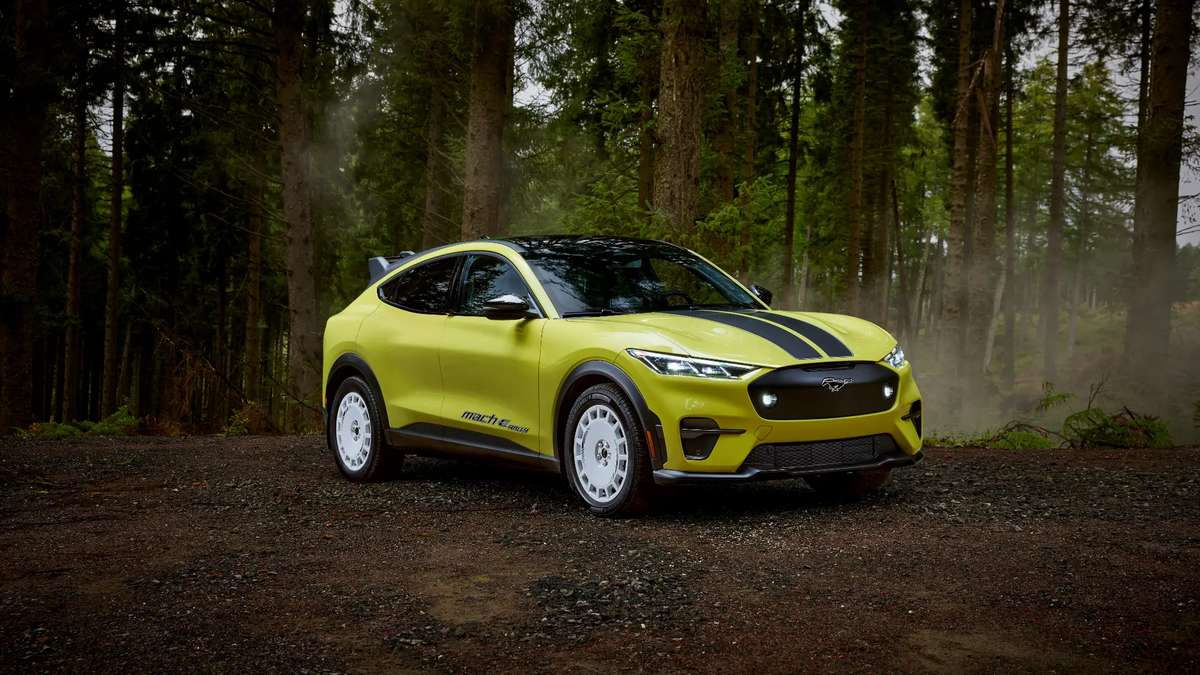
Ford Mustang Mach-E: Electric Performance
- The Mach-E uses a crossover-oriented platform that emphasizes interior space and ride height, positioning it more as a practical electric family vehicle than a traditional performance coupe.
- Electric power delivery is smooth and immediate, with drive modes noticeably altering throttle response and steering weight to shift between efficiency-focused and more dynamic behavior.
- The interior relies heavily on a large vertical touchscreen for vehicle functions, reducing physical controls and requiring greater interaction with menus for climate and settings adjustments.
- Suspension tuning favors everyday comfort and stability, handling highway travel confidently while allowing some firmness to surface over broken pavement or sharper road imperfections.
Another group member, Lee Flory, summarized the recall plainly. It affects more than 270,000 vehicles, including the Mustang Mach-E, F-150 Lightning, and Maverick, and centers on a potential failure of the integrated park module. In certain conditions, the system may not fully lock the vehicle in Park, allowing it to roll. Ford’s fix is a software update, a reminder that the mechanical certainty once provided by a lever and a pawl has increasingly been replaced by lines of code and electronic confirmation.
Importantly, this issue does not appear to affect earlier Mach-E model years. Taylor clarified that his vehicle is a 2024, aligning with the recall’s stated range. That distinction matters because it underscores how rapidly systems can change from one model year to the next, even when the car looks and feels largely the same. For owners of newer vehicles, it also reinforces the idea that being “latest” does not always mean being immune to first-run problems.
The discussion also revealed how complex these situations can be. One commenter pointed out that on many EVs, Park typically locks only the rear wheels, meaning a car can still slide on ice or snow when parked on a slope. Taylor responded by clarifying that this was not a passive slide. The wheels were actively turning, and Park did not engage as intended. That distinction moves the conversation from environmental conditions to system behavior.
Others questioned whether the car was truly powered off, noting that in earlier Mach-E models, exterior lights shut down immediately when the vehicle is turned off. In the video referenced by commenters, the headlights and taillights remained illuminated. Owners of newer Mach-E models chimed in to explain that lighting behavior has changed, with lights staying on for a short period after shutdown. It is a small detail, but one that highlights how evolving design choices can complicate diagnosis for both owners and observers.
None of this suggests negligence or recklessness on the part of the owner, nor does it condemn the Mach-E as a concept. Instead, it illustrates the reality of modern vehicles, particularly EVs, where software plays a central role in functions once governed by purely mechanical means. When everything works, the experience is seamless. When it does not, the failure can feel sudden and deeply personal, because it undermines a fundamental expectation of safety.
For Ford, the recall and software update represent a necessary step in maintaining trust with customers who have embraced this new generation of vehicles. For owners, it is a reminder to stay informed, respond promptly to recalls, and remain attentive even during the most routine moments of ownership. A parked car should stay parked. When it does not, the incident becomes more than a glitch. It becomes a story that spreads quickly, not out of alarmism, but because it touches something every driver understands instinctively.
Image Sources: Ford Media Center
Noah Washington is an automotive journalist based in Atlanta, Georgia. He enjoys covering the latest news in the automotive industry and conducting reviews on the latest cars. He has been in the automotive industry since 15 years old and has been featured in prominent automotive news sites. You can reach him on X and LinkedIn for tips and to follow his automotive coverage.
Set Torque News as Preferred Source on Google
Follow us today...