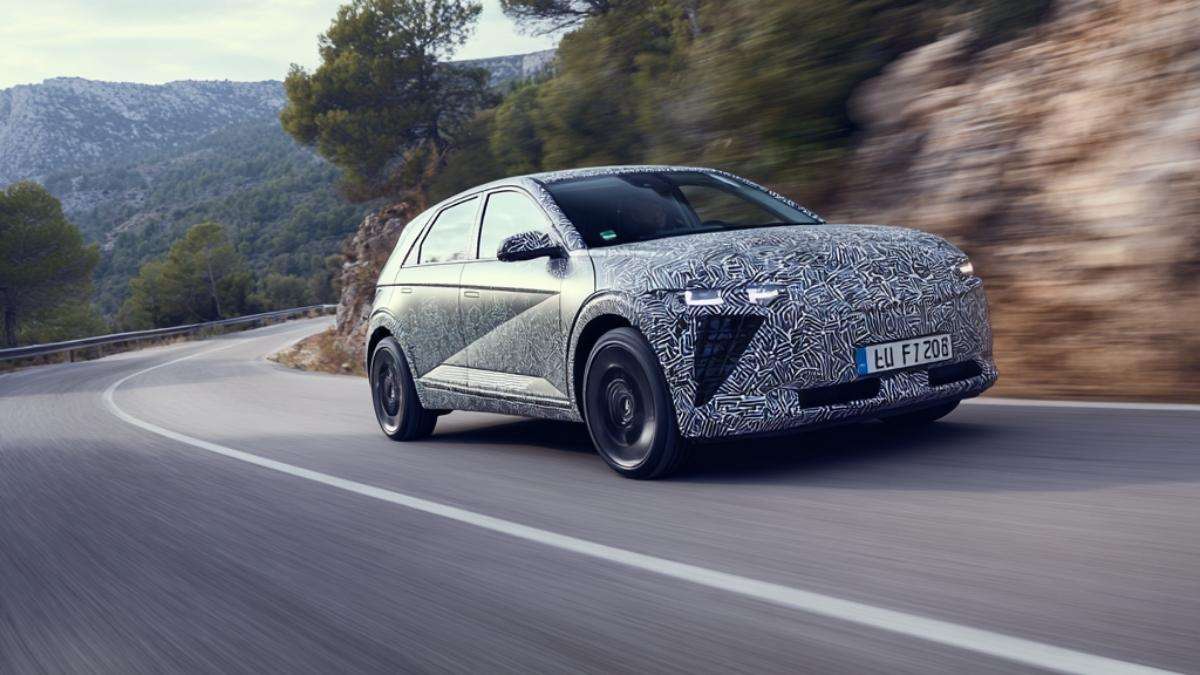

The automotive world is buzzing with anticipation as a camouflaged, compact Hyundai electric vehicle has been spotted undergoing testing on European roads. Whispers from industry insiders suggest a full reveal is just around the corner, potentially at next month's International Motor Show in Munich. This isn't just another EV launch; it's a calculated move from a brand that has transformed itself from a budget-friendly alternative into a genuine industry leader. This upcoming vehicle represents the next phase of Hyundai's electric ambitions, targeting the highly competitive and crucial compact segment.
The Ioniq's Intelligent Bridge to the Future
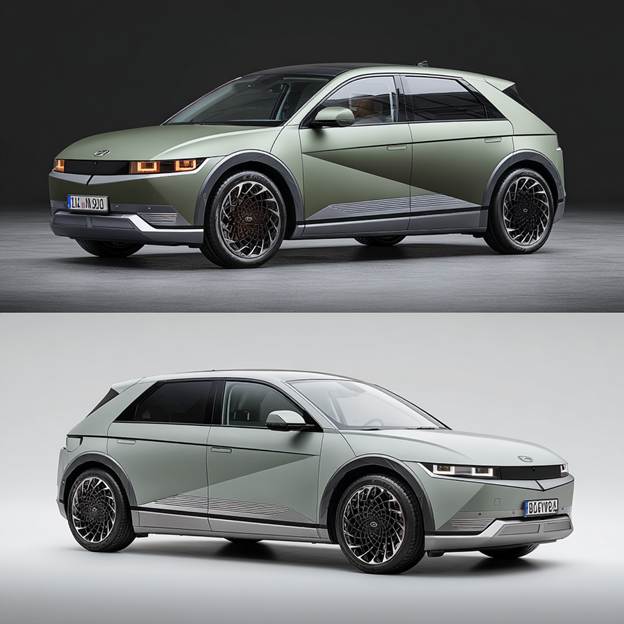
To understand the significance of this new compact EV, one must look at what Hyundai has already achieved with its Ioniq lineup. The Ioniq 5 and Ioniq 6 are arguably two of the most interesting and forward-thinking cars on the market today. Their retro-futuristic "Parametric Pixel" design language is a bold statement, but their true genius lies in how they bridge the gap between the familiar experience of a gasoline-powered car and the new world of electric mobility.
Hyundai recognized that for many drivers, the switch to an EV can be jarring. To ease this transition, they've incorporated clever features that blend the best of both worlds. For instance, the steering wheel-mounted paddles, which would traditionally be used for shifting gears, are repurposed to adjust the level of regenerative braking. This gives drivers a familiar point of interaction and a greater sense of control over the vehicle's deceleration, allowing them to tailor the driving experience to their preference, from "one-pedal" driving to a more traditional coasting feel.
For the enthusiast, the high-performance Ioniq 5 N takes this a step further with features like N e-Shift and N Active Sound+. These systems work in tandem to simulate the feel and sound of a dual-clutch transmission, complete with jolts on upshifts and rev-matching sounds on downshifts. It’s a masterful piece of engineering that provides the visceral feedback many drivers miss in an EV, proving that an electric future doesn't have to be silent or soulless. These thoughtful inclusions demonstrate Hyundai's deep understanding of the driver, making their EVs not just technologically advanced, but also deeply human-centric.
A New Challenger on the Global Stage
This new compact EV, rumored to be called the Ioniq 2, is poised to take this philosophy and apply it to the mass market. By targeting a more accessible price point, Hyundai is setting its sights on a fierce battleground. In Europe, it will go head-to-head with highly anticipated models like the Renault 5 and Volkswagen's ID. 2. These are not just cars; they are statements of intent from legacy automakers determined to defend their home turf.
The challenge doesn't stop there. The global market is bracing for a wave of affordable and tech-laden EVs from Chinese manufacturers who are expanding aggressively. Furthermore, Tesla, the brand that arguably kick-started the modern EV revolution, has long been rumored to be developing a more compact, affordable model.
Hyundai's new entry will need to be a compelling package of price, range, technology, and design to succeed. Given the company's track record with the E-GMP platform that underpins the current Ioniq family, the fundamentals are likely to be strong. Expect a vehicle that maximizes interior space, offers ultra-fast charging capabilities, and is packed with the kind of technology and features that have become a Hyundai hallmark.
From Underdog to Pacesetter
Hyundai's ability to compete at this level is a testament to one of the most remarkable transformations in modern industrial history. Many will remember a time when Hyundai was synonymous with cheap, disposable cars. However, a relentless focus on quality, a commitment to bold design, and massive investments in research and development have completely rewritten that narrative.
The turning point was the introduction of their industry-leading warranty, a clear signal that they stood behind their products. Since then, Hyundai has consistently climbed the ranks in quality and reliability surveys, often surpassing long-established Japanese and European brands. They've cultivated a reputation for offering exceptional value, not just in terms of price, but in the sheer amount of design, technology, and quality packed into every vehicle. This hard-won reputation gives them the credibility to not just enter, but to lead in the electric era.
What's Next on the Electric Horizon?
The upcoming compact model is just one piece of a much larger puzzle. Hyundai has been open about its plans for a full range of Ioniq models, from a small Ioniq 1 to a large, three-row Ioniq 9 SUV. This signals a top-to-bottom electrification strategy that will see them competing in every major market segment. Looking further ahead, Hyundai is already developing its next-generation EV platform, known as the Integrated Modular Architecture (IMA). This new platform promises to standardize key components across a wide range of vehicles, which will streamline production, reduce costs, and accelerate the development of future models. It's a clear indication that Hyundai is not just participating in the EV transition; they are architecting a long-term, sustainable, and profitable electric future.
Wrapping Up
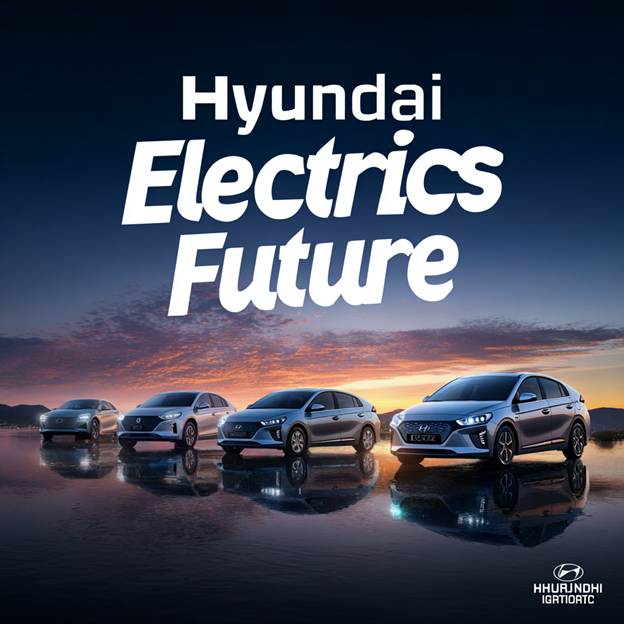
The spy shots of Hyundai's compact EV are more than just a glimpse of a new car; they are a preview of the next chapter for a company that has consistently defied expectations. By building on the success of the innovative Ioniq 5 and 6, this new model is set to bring Hyundai's unique blend of thoughtful engineering and bold design to a wider audience. As it prepares to enter a crowded and competitive field, it does so with the full backing of a brand that has proven it knows how to build world-class vehicles. The upcoming reveal won't just be a launch; it will be a declaration that Hyundai is ready to fight for the future of mobility, one compact, compelling EV at a time.
Disclosure: Images rendered by Midjourney
Rob Enderle is a technology analyst at Torque News who covers automotive technology and battery developments. You can learn more about Rob on Wikipedia and follow his articles on Forbes, X, and LinkedIn.
Set Torque News as Preferred Source on Google
Follow us today...