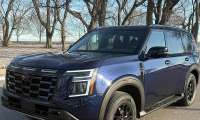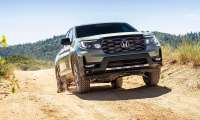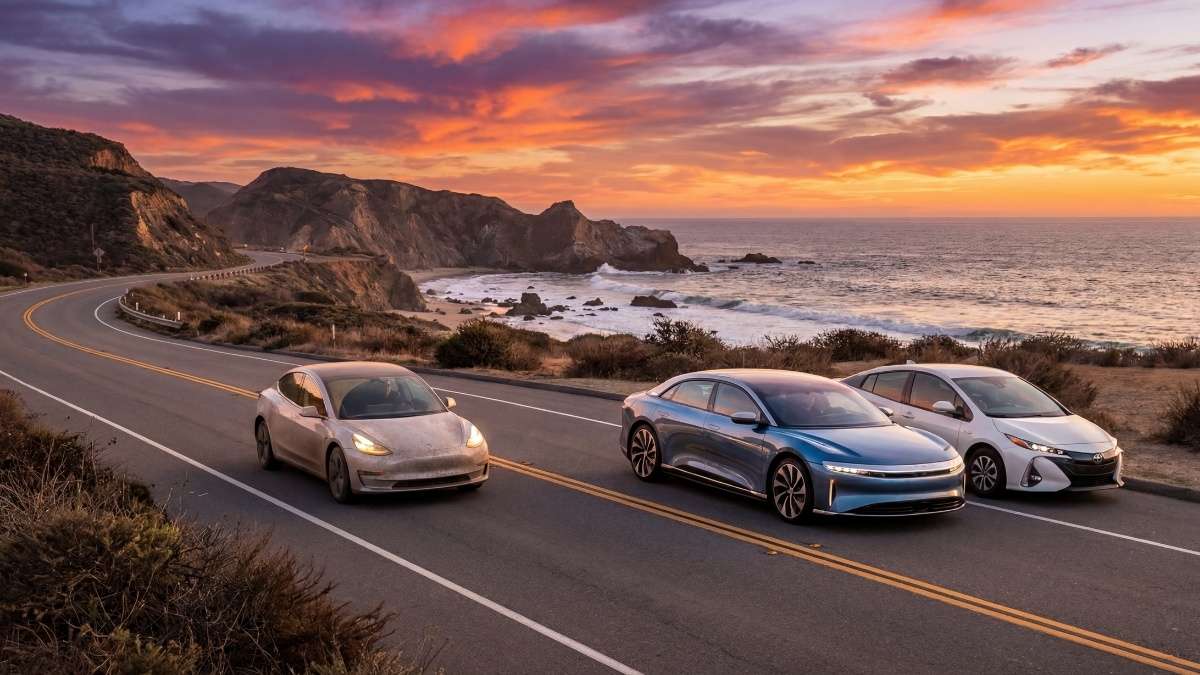

For over a decade, California has been more than just a market for Tesla; it has been the company’s fortress. In the tech-heavy corridors of Silicon Valley and the status-conscious streets of Los Angeles, the Tesla logo was the ultimate badge of forward-thinking luxury. But the latest data suggests the fortress walls are not just cracking—they are being breached. Recent registration data shows a shocking 24% decline in Tesla registrations within the state during the first quarter of 2026, a "shocking turn" that should be keeping Elon Musk up at night. You can read the full breakdown of this Tesla registration plunge in California via Reuters.
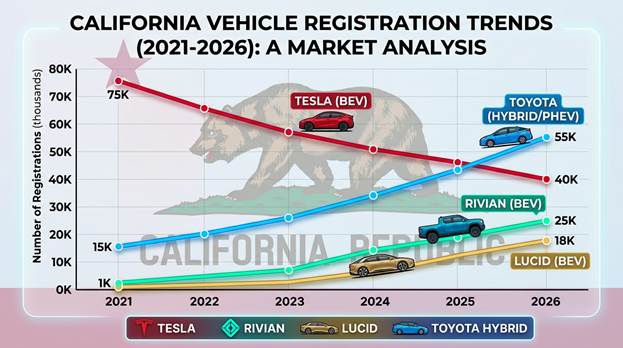
The numbers don’t lie: Tesla registrations in California have plummeted significantly, marking a trend that is no longer a seasonal blip but a systemic shift. Tesla’s market share in its home turf is being cannibalized by a two-pronged offensive: a massive pivot toward hybrids and the aggressive rise of "true" luxury EV competitors like Rivian and Lucid.
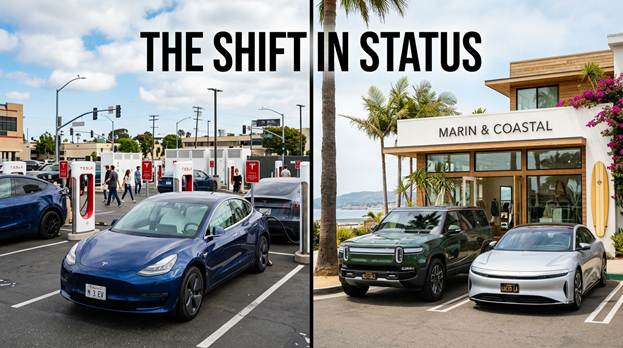
The Erosion of the Halo: When Ubiquity Kills Luxury
To understand why people are leaving Tesla, we have to look at the psychology of the luxury buyer. Luxury is, by definition, exclusive. When Tesla launched the Model S and the original Roadster, they weren't just selling cars; they were selling membership into an elite club of affluent early adopters.
However, Tesla’s mission to "accelerate the world’s transition to sustainable energy" necessitated a move toward the mass market. As the Model 3 and Model Y became common sights, Tesla underwent a transformation from a luxury brand to a commodity brand. In places like Palo Alto, a White Model 3 is now the modern equivalent of a 1990s beige Toyota Camry—reliable, ubiquitous, and completely devoid of "cool" factor.
By chasing volume, Tesla eroded its premium brand image. The interior quality is increasingly viewed as "cheap" compared to the opulent cabins of Mercedes-Benz or BMW. Experts have noted that Tesla's aggressive and frequent price cuts have further damaged the brand’s residual value, alienating loyalists who saw their vehicle's worth evaporate overnight.
The Hybrid Pivot: Pragmatism Over Pure Electric
While Tesla was busy trying to perfect the "Cyber-everything," the rest of the market remembered that range anxiety and charging infrastructure remain significant hurdles. We are seeing a massive resurgence in hybrid interest. Consumers who want to be green but aren't ready to commit to the logistical gymnastics of a pure EV are finding solace in Plug-in Hybrids (PHEVs).
This shift is validated by the latest industry rankings. For instance, U.S. News recently announced the 2026 Best Hybrid and Electric Cars, highlighting how traditional manufacturers have caught up and surpassed Tesla in vehicle quality and practical utility. The hybrid offers a "safety net" that Tesla’s ecosystem simply cannot provide. This is not a niche trend; the WSJ has reported that hybrids are now the hot ticket while EV demand cools.
The Rise of the Real Rivals: Rivian and Lucid
Tesla’s decline is also a story of better products entering the field. For the California buyer who wants a rugged lifestyle, Rivian has captured the "cool" factor. On the other end, Lucid is out-engineering Tesla in efficiency and range. These brands are successfully positioning themselves as the "next step" for former Tesla owners. Rivian’s delivery growth signals they are ready to capture the market Tesla is shedding.
The Solution: Tesla Needs a Lexus Moment
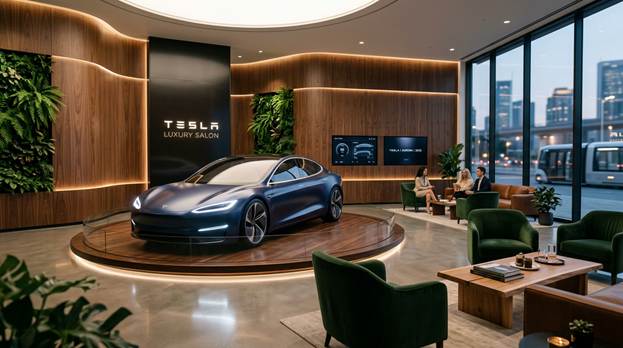
If Tesla wants to stop the bleed, it can no longer rely on a single brand to cover the entire spectrum. Tesla needs a dedicated premium brand—let’s call it "Tesla Signature"—that focuses purely on the luxury segment. This brand requires:
- Separate Design Language: Distinctive silhouettes, not "jellybeans."
- White-Glove Service: Addressing the persistent service center complaints that frustrate luxury owners.
- Superior Materials: Real high-end finishes, physical buttons, and actual noise insulation.
- Targeted Marketing: Moving beyond $0 spend to build aspirational value, Tesla still doesn’t seem to understand marketing which is ironic given their critical need to manage their, and Musk’s, images.
2030 Vision: Two Paths for Musk’s Empire
If Tesla continues on its current trajectory, ignoring luxury erosion, it will likely become the "General Motors of EVs" by the 2030s—a high-volume manufacturer of autonomous "Cyber-taxis" and fleet vehicles. The prestige will be gone. Tesla will be the bus or the Uber of 2030—useful, but not a dream.
However, if they pivot now by launching a premium sub-brand and embracing hybrid flexibility, Tesla could remain the dominant force. A "healthy" 2030 Tesla would have a tiered ecosystem: the standard brand for affordable transport, and a high-end luxury marque competing with Porsche.
Wrapping Up
Tesla’s predicament in California is a case of brand overextension. By trying to be everything to everyone, they are becoming nothing special to those with the most to spend. The pivot to hybrids is a clear signal for flexibility, while the success of Rivian and Lucid proves the desire for "prestige" EVs remains high—it just isn't being met by Tesla. To thrive into 2030, Tesla must protect its margins by separating its mass-market utility from its luxury aspirations.
Disclosure: Images rendered by Artlist.io
Rob Enderle is a technology analyst at Torque News who covers automotive technology and battery developments. You can learn more about Rob on Wikipedia and follow his articles on TechNewsWord, TGDaily, and TechSpective.
Set Torque News as Preferred Source on Google
Follow us today...