
GM's Electric Detour: A Necessary Pause And A Sign of Trouble As GM Pauses EV Manufacturing
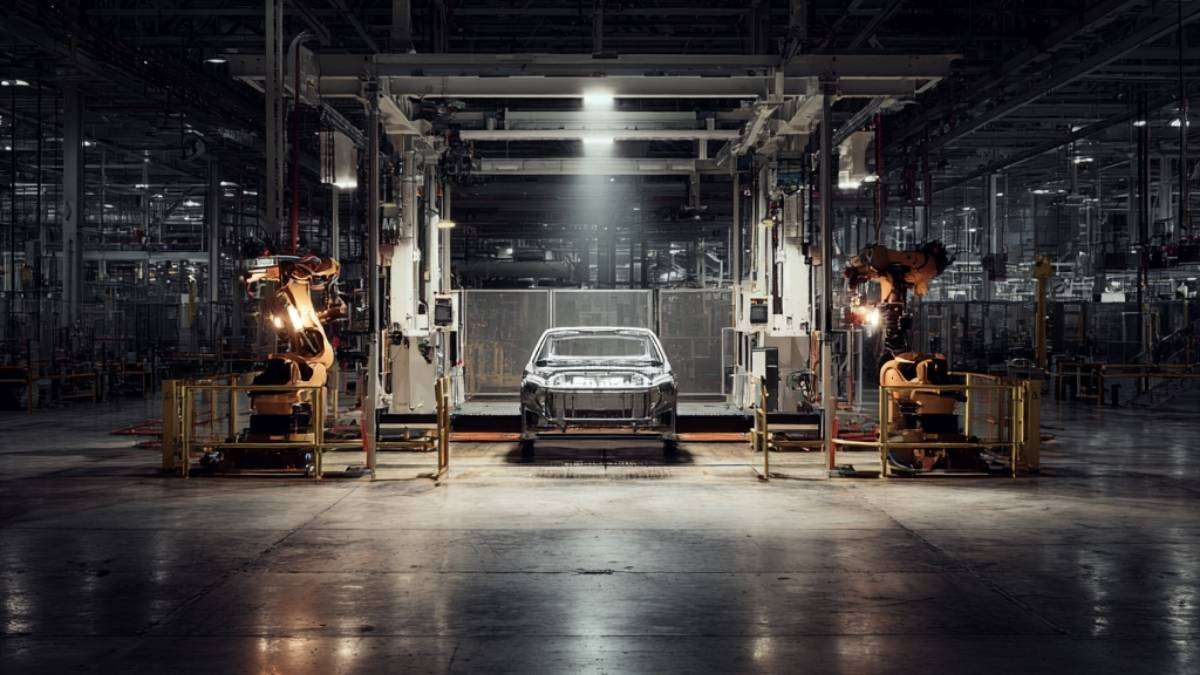
General Motors, a titan of the internal combustion era, has staked its future on becoming an all-electric powerhouse. Yet, the recent news that the company is suspending production shifts for its high-end electric trucks and SUVs feels like a sudden, jarring downshift. This pause isn't just a minor scheduling tweak; it's a significant signal that the road to an all-electric future is proving to be bumpier, more winding, and fraught with more obstacles than originally mapped out. The decision reflects a complex brew of global economic pressures, fierce competition, and a hard-learned lesson in consumer demand.
A Confluence of Headwinds
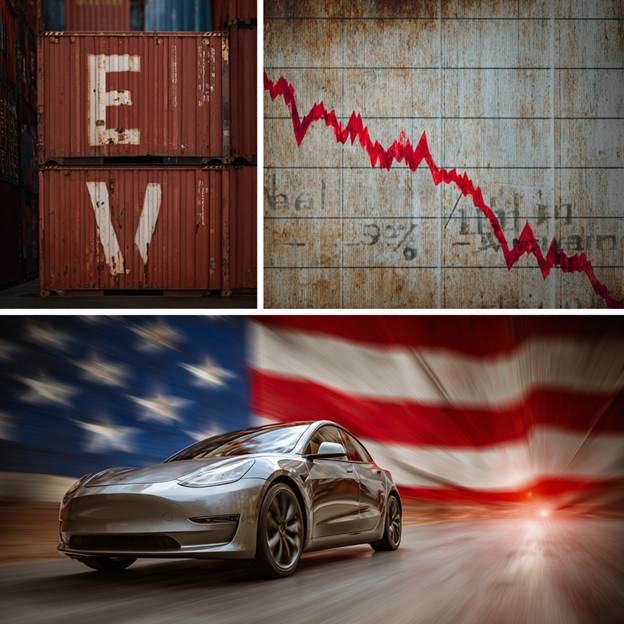
GM's EV strategy isn't operating in a vacuum. Several powerful external forces are shaping its trajectory. Firstly, the spectre of tariffs and trade wars looms large. The U.S. government has imposed prohibitive 100% tariffs on Chinese-made EVs, effectively walling them off from the domestic market for now. While this protects GM from a direct onslaught of low-cost imports, it also underscores the massive cost advantage held by Chinese manufacturers. This pressure cooker environment forces GM to compete not just on features, but on a price point that Chinese firms like BYD are setting globally.
Secondly, the initial gold rush of EV adoption is slowing to a more measured pace. While global EV sales are still growing, the rate of that growth is cooling. Early adopters have made their purchases, and the next wave of mainstream buyers is proving more hesitant, deterred by high sticker prices, range anxiety, and a still-developing public charging infrastructure. This softening demand means automakers can no longer count on selling every EV they can build, especially premium-priced models.
Finally, the meteoric rise of Chinese EV companies cannot be overstated. Brands like BYD, which recently surpassed Tesla in global EV sales, have mastered vertical integration, producing their own batteries and leveraging economies of scale to offer compelling, tech-forward vehicles at aggressive prices. Their success has fundamentally altered the competitive landscape, creating a global benchmark for price and innovation that legacy automakers like GM are struggling to meet.
Hits and Misses in the EV Lineup
Within its own portfolio, GM has experienced a tale of two EV strategies. The company's biggest success story has undoubtedly been the Chevrolet Bolt EV. Despite a significant battery recall, the Bolt found a loyal following due to its practicality and, most importantly, its relative affordability. It was a no-frills, accessible entry point into EV ownership, and for a time, it was one of the best-selling non-Tesla EVs in the United States. The Bolt proved that a market exists for reasonably priced electric cars.
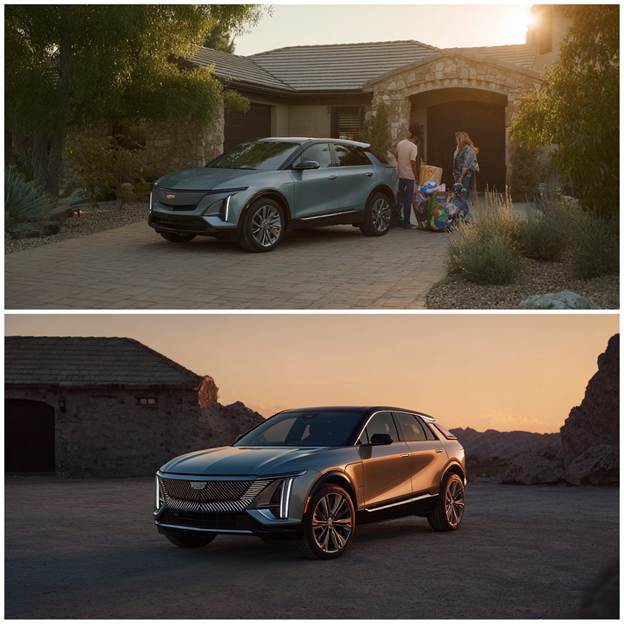
In stark contrast, the models currently facing production pauses—the GMC Hummer EV and Cadillac Lyriq—represent the opposite end of the spectrum. These are massive, expensive, and technologically ambitious vehicles built on GM's flagship Ultium platform. While visually impressive, they have been hampered by a slow production ramp-up, software glitches, and a niche market appeal. The Hummer EV, with its six-figure price tag, was never destined for mass adoption. The Cadillac Lyriq's sales, while respectable, have not been strong enough to justify unchecked production in a cooling market. These vehicles were meant to be "halo" cars, but their struggles highlight a disconnect between GM's ambitious engineering and the average consumer's wallet.
The Path Forward
To regain its momentum, GM must pivot its focus from premium halo projects to mainstream profitability. The lesson from the Bolt's success and the Lyriq's struggles is clear: affordability is king. GM needs to leverage its Ultium platform not just for high-margin luxury vehicles, but to produce a compelling, reliable, and—crucially—affordable compact SUV or sedan that can compete with the likes of the Tesla Model 3 and the coming wave of lower-cost international models. This means aggressively driving down battery costs and simplifying manufacturing. Success for GM won't be measured in the number of Hummers it sells, but in its ability to produce an electric Equinox or Malibu that millions can afford.

To Skunkworks or Not to Skunkworks?
Observing GM's challenges, it's natural to look at its crosstown rival, Ford. Ford has created a dedicated "skunkworks" team within its Model e division, tasked with developing a low-cost EV platform from the ground up, free from the bureaucracy of the parent company. Should GM follow suit?
An independent, agile team could allow GM to innovate at a much faster pace, fostering a startup-like culture focused solely on cracking the affordable EV code. However, GM has already invested billions in its Ultium platform and integrated its EV development into its core structure. Creating a separate entity now could be seen as an admission that its primary strategy has failed, potentially causing internal chaos and diverting critical resources. The more likely path for GM is not to copy Ford's structure, but to adopt its spirit: empowering a dedicated team within the existing framework to act with the urgency and autonomy of a startup.
Wrapping Up
GM's decision to tap the brakes on EV production is not a retreat, but a pragmatic response to a challenging market. It's an acknowledgment that the transition to electric vehicles is a marathon, not a sprint. The company is facing stiff headwinds from a slowing global market and hyper-competitive Chinese automakers. Its own product strategy has shown that while expensive, eye-catching EVs generate headlines, affordable and practical models are what truly drive sales. The ultimate success of GM's multi-billion-dollar electric gamble will depend on its ability to learn from these early challenges, pivot towards the mass market, and deliver on the promise of an EV for everyone—not just the wealthy few.
Disclosure: Images rendered by Midjourney
Rob Enderle is a technology analyst at Torque News who covers automotive technology and battery developments. You can learn more about Rob on Wikipedia and follow his articles on Forbes, X, and LinkedIn.
Set Torque News as Preferred Source on Google
Follow us today...