
The second-quarter sales figures for 2025 have rolled in, and they paint a picture of a global electric vehicle market in the midst of a significant transformation. The once predictable narrative of meteoric, industry-wide growth has given way to a more complex story of regional nuances, fierce competition, and shifting consumer preferences. While the overall trend toward electrification continues, the latest numbers reveal a clear divergence in fortunes, with some automakers surging ahead while others are forced to navigate unexpected headwinds. This quarter wasn't just about selling cars; it was about revealing which companies have the strategy and products to thrive in the next phase of the EV revolution.
The Shifting Tides of Q2
The second quarter of 2025 will be remembered as a period of recalibration for the EV market. After years of explosive, seemingly unstoppable growth, the pace has begun to moderate in some regions, while competition has intensified globally. The numbers show that simply having an EV in the lineup is no longer enough. Success now hinges on a combination of competitive pricing, desirable models, robust charging infrastructure, and a clear understanding of what mainstream buyers, not just early adopters, are looking for. This has led to a fascinating reshuffling of the deck, with some legacy automakers demonstrating impressive gains and newer players facing new challenges.
BYD and GM: A Tale of Two Successes
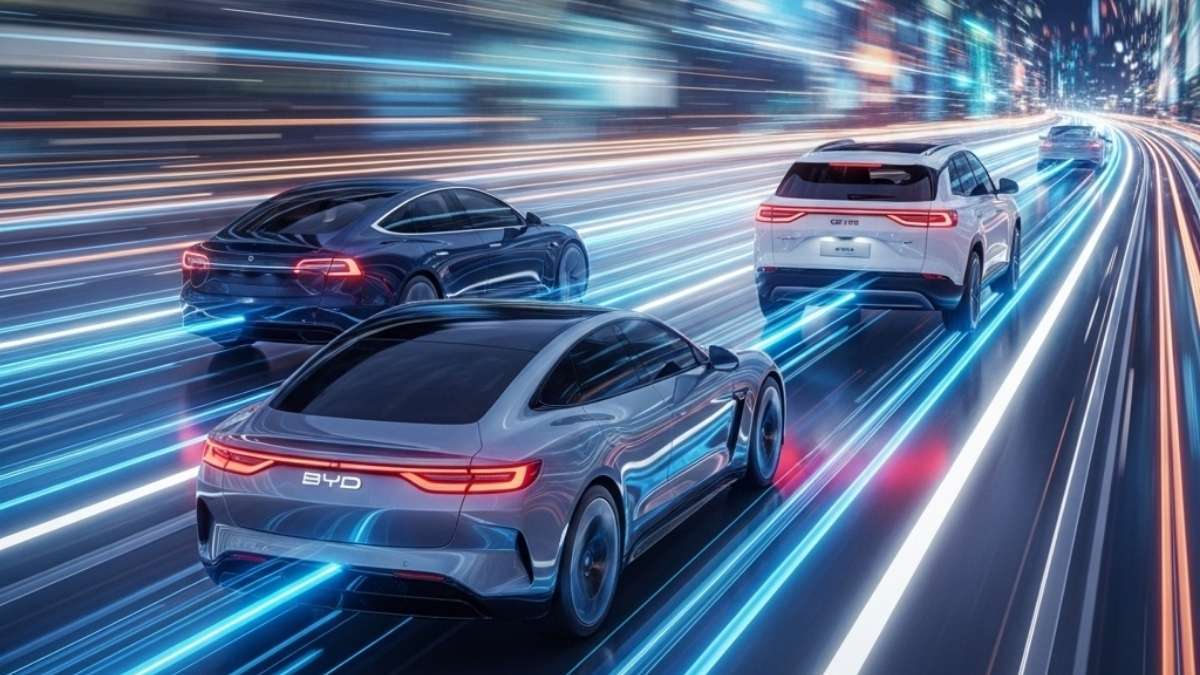
Two of the biggest success stories of Q2 came from opposite sides of the globe: China's BYD and America's General Motors. BYD continued its relentless global expansion, with its June sales figures cementing its position as the world's leading BEV manufacturer, pulling further ahead of Tesla. The company's strength lies in its diverse and affordable lineup, which resonates with a broad range of consumers, particularly in its home market and other regions in Asia and Europe.
Meanwhile, in North America, General Motors announced that its EV sales doubled compared to the same period last year. This remarkable growth is a testament to the increasing popularity of models like the Chevrolet Blazer EV and Cadillac Lyriq. GM's success demonstrates that legacy automakers, with their established manufacturing capabilities and dealer networks, are becoming formidable players in the EV space. Their ability to offer a variety of electric models, from affordable crossovers to luxury SUVs, is clearly paying off.
Tesla's Troubles: A Warning Sign?
In stark contrast to the positive news from BYD and GM, industry pioneer Tesla reported its second consecutive quarter of year-over-year sales decline. While the company still delivered a massive number of vehicles, the downward trend is a significant development that has sent ripples through the industry. The reasons for this are multifaceted, ranging from an aging model lineup and increased competition to broader economic factors and a more saturated market for premium EVs. The Cybertruck, once touted as a major growth driver, has seen sales fall short of initial expectations. This slowdown for Tesla, long the undisputed king of EVs, signals that no company is immune to the evolving dynamics of the market.
Q3 Forecast and the Road Ahead
Looking ahead to the third quarter, the trends from Q2 are likely to continue. We can expect BYD to maintain its strong momentum, especially as it expands into new markets. GM and other legacy automakers like Hyundai and Kia, which also posted strong sales, will likely continue to gain market share as they roll out more new and refreshed EV models. For Tesla, Q3 will be a critical test of whether it can reverse its recent sales slide.
For consumers, the road ahead is mixed. The good news is that increased competition is leading to a wider variety of EV choices at more competitive prices. We're also seeing automakers focus on improving range and charging speeds. However, there is some potential bad news on the horizon. In the U.S., a new Senate bill could end the $7,500 federal EV tax credit as early as September, which would significantly impact the affordability of many electric vehicles. This political uncertainty adds another layer of complexity to an already dynamic market.
Wrapping Up
The Q2 2025 sales figures have made it clear that the EV market is entering a new, more mature phase. The era of easy, exponential growth across the board is over, replaced by a more competitive and nuanced landscape. The success of companies like BYD and GM shows that a diverse product portfolio and a deep understanding of consumer needs are now the keys to success. While Tesla's recent struggles are a cautionary tale, they also serve as a catalyst for innovation and competition, which will ultimately benefit consumers. The second half of 2025 promises to be just as dynamic, as automakers and governments alike navigate the ever-shifting road to an all-electric future.
Disclosure: Image rendered by Gemini
Rob Enderle is a technology analyst at Torque News who covers automotive technology and battery developments. You can learn more about Rob on Wikipedia and follow his articles on Forbes, X, and LinkedIn.
Set Torque News as Preferred Source on Google
Follow us today...