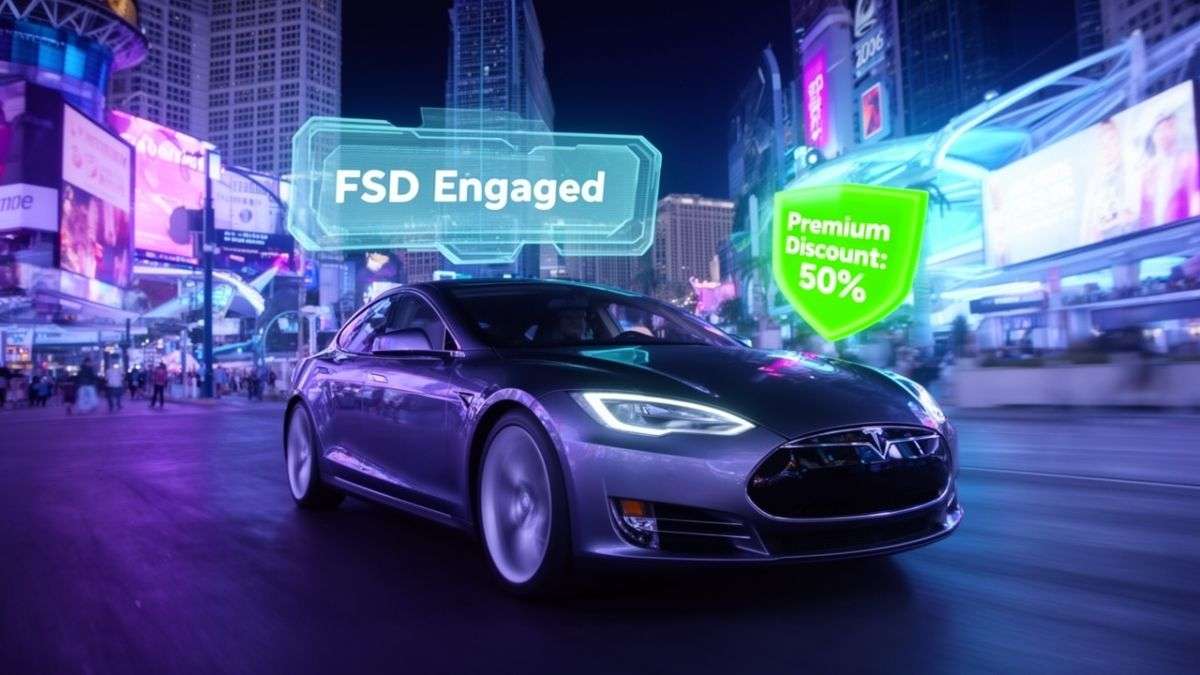

For years we’ve heard the same refrain: autonomous driving is "just around the corner." But on January 21, 2026, that corner was officially turned—not by a hardware breakthrough, but by a financial one. Insurtech pioneer Lemonade sent shockwaves through the industry by launching a specialized "Autonomous Car" policy for Tesla Full Self-Driving (FSD) users.
The announcement is a game-changer. By using a direct technical collaboration with Tesla to ingest real-time vehicle data, Lemonade is now effectively halving premium rates for miles driven using FSD. This isn't just a discount; it is the formal death of the "one-size-fits-all" risk model. As someone who has spent decades analyzing this industry—and as someone currently waiting on a 2026 Volvo XC60 Recharge—I can tell you that this marks the moment when the machine officially became a better bet than the man.
Why Humans Are the Ultimate Liability
To understand why Lemonade is willing to slash rates so aggressively, you have to look at the sobering reality of human biology. According to the NHTSA, roughly 94% of all serious motor vehicle crashes are caused by human error. We are plagued by the "Fatal Four" of driving: distraction, fatigue, emotion, and impairment.
In contrast, an autonomous system like Tesla’s FSD doesn't have a "bad day." It doesn't get distracted by a text message or drowsy after a long shift. Tesla's latest Vehicle Safety Report for late 2025 shows that vehicles using Autopilot or FSD technology recorded one accident for every 6.36 million miles driven. Compare that to the U.S. national average of one accident every 702,000 miles.
Mathematically, the silicon driver is now nearly nine times safer than the average American driver. When you remove the 30% of fatalities caused by drunk driving and the 29% caused by distracted driving, the risk profile of a car collapses. Lemonade isn't being generous; they are simply following the math.
Validating the "Superhuman" Safety Claims
For the last few years, the debate over AV safety has been mired in skepticism. Critics pointed to every "edge case" failure as proof that the tech wasn't ready. However, Lemonade’s move provides the ultimate third-party validation.
Insurance companies are the world’s most disciplined risk managers. They don't gamble on "hype." By offering a 50% rate reduction, Lemonade is putting a billion-dollar bounty on the fact that AI is superior at navigating the physical world. This shift moves the conversation from anecdotal evidence to actuarial certainty. If the people who have to pay for the accidents say the AI is safer, the argument is essentially over.

The Coming Insurance Industry Domino Effect
Lemonade is the first to leverage this data-rich "pay-per-mile-autonomously" model, but they won't be the last. Legacy insurers like State Farm and Geico are now facing an existential crisis. If they continue to charge a high "human-driven" rate to people who are primarily using autonomous systems, they will lose their lowest-risk (and most profitable) customers to tech-forward firms.
We are entering an era where insurance will be priced based on the version of your software, not just the year of your car. S&P Global notes that as liability shifts from the driver to the software, we will see a surge in "product liability" insurance for OEMs, while personal premiums continue to plummet. Once the full benefits of this "safety tax" reduction are realized, the financial pressure on consumers to switch to AVs will be irresistible.
Reaching "Critical Mass" and the Death of the Accident
The true financial windfall for society happens when we reach critical mass—the point where enough autonomous vehicles are on the road to begin "smoothing out" the erratic behavior of remaining human drivers.
When AVs can talk to each other through V2V (Vehicle-to-Vehicle) communication, we eliminate the "phantom braking" and intersection collisions that currently dominate insurance claims. At this stage, driving under the influence or falling asleep at the wheel becomes impossible for a significant portion of the fleet.
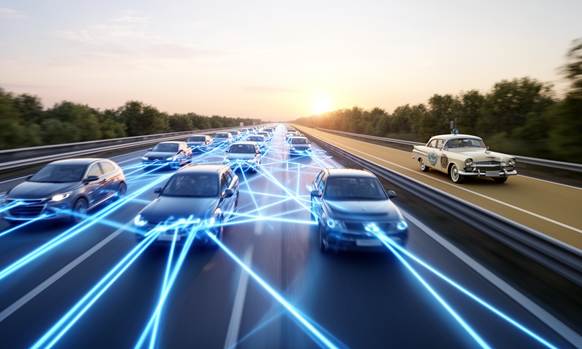
When do we get there? While the transition is accelerating, the average age of a car on the road is still over 12 years. However, with the current pace of adoption and the massive financial incentives now being introduced by firms like Lemonade, I anticipate we will hit a critical mass of 25–30% autonomous-capable vehicles by 2032. At that point, the "human error" variable in insurance pricing will become so expensive that manual driving will likely be relegated to a high-cost hobby for the wealthy, much like horse racing is today.
Wrapping Up
The Lemonade launch is the first step toward an "accident-free" future. By rewarding Tesla FSD users with a 50% discount, the industry has finally aligned financial incentives with public safety. As we move toward a world where AI handles the mundane and dangerous task of commuting, the cost of mobility will continue to fall. We are watching the sun set on the era of the high-risk human driver, and for our wallets and our safety, it couldn't happen soon enough.
Disclosure: Images rendered by Artlist.io
Rob Enderle is a technology analyst at Torque News who covers automotive technology and battery developments. You can learn more about Rob on Wikipedia and follow his articles on Forbes, X, and LinkedIn.
Set Torque News as Preferred Source on Google
Follow us today...