
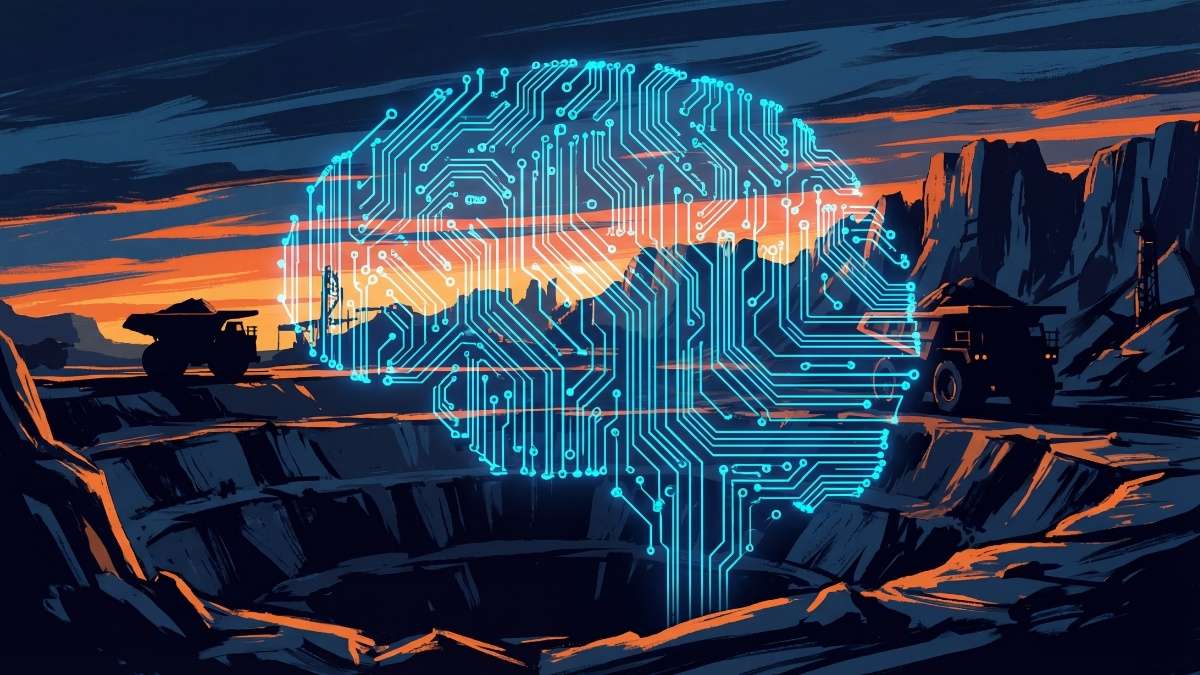

In the tech industry, we often talk about "disruptive innovation" as a positive force - the kind of change that brings us the iPhone or high-speed internet. But there is a darker side to disruption: the unintended consequence. Right now, we are witnessing the birth of a massive, systemic demand shock that most analysts are completely missing. We are so focused on the software side of Artificial Intelligence (AI) that we are ignoring the physical reality of the hardware required to run it.
The same lithium-ion chemistry that powers your Tesla or Rivian is about to become the primary target of Big Tech’s limitless checkbooks. As Microsoft, Google, and Meta race to build out massive AI data centers, they aren't just buying chips; they are buying energy security. This is creating a "Demand Shock" for batteries that could leave the automotive industry in the rearview mirror.
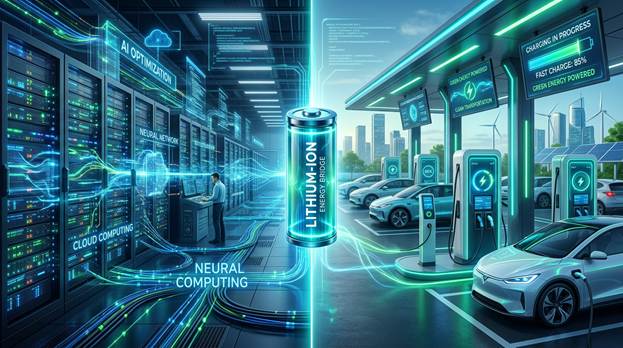
The Hidden Connection: AI’s Unquenchable Thirst for Power
When we think of AI, we think of NVIDIA GPUs and massive server racks. But these data centers have a critical vulnerability: they cannot go offline. A power flicker in an AI training cluster can cost millions of dollars in lost progress. Consequently, Big Tech is pivoting toward massive Battery Energy Storage Systems (BESS) to provide backup power and to "shave" peak loads from an aging electrical grid.
In fact, recent data shows that BESS demand is surging at 51% annually, far outstripping the growth rate of the EV market itself. Furthermore, the robotics revolution—the physical manifestation of AI—is accelerating. As noted in recent market analysis regarding AI and robotics, we are seeing a breakout in the infrastructure required to support these technologies. Robots, whether they are humanoid workers or autonomous delivery drones, require high-density lithium batteries.
The "Demand Shock" occurs because Big Tech has higher margins than car companies. If Microsoft needs a battery to keep a billion-dollar AI cluster running, they will outbid Ford or GM every single time.
The Anatomy of the Battery Crunch
The shortage isn't just about "not having enough batteries"; it’s about the raw materials—specifically lithium, cobalt, and high-purity nickel. While lithium prices saw a cyclical dip in early 2025, the underlying structural deficit is back with a vengeance. Analysts now expect global lithium demand to grow by 24% in 2026, while supply is only projected to expand by 19%.
Mining projects take 7 to 10 years to bring online, while a data center can be built in two. This "velocity gap" is the core of the problem. We are seeing a massive influx of capital into the demand side (AI) without a matching acceleration on the supply side (mining). According to the latest IEA reports on global battery markets, the lack of midstream supply chain investment poses a massive risk to global security.
I anticipate this shortage will hit its stride by late 2026 and likely last until the early 2030s, when next-generation chemistries like solid-state or sodium-ion finally reach true commercial scale.
Winners and Losers in the EV Sector
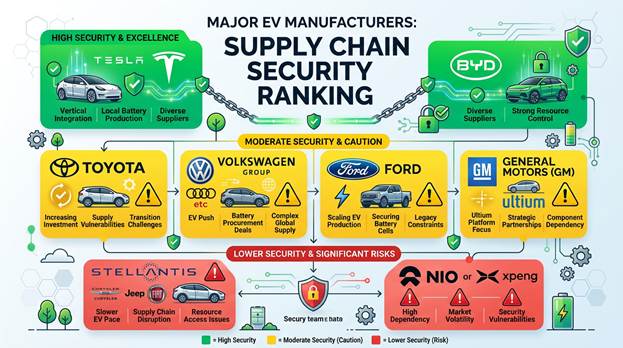
Not all EV companies are created equal when it comes to supply chain resilience.
- The Winners (Least Impacted): Tesla and BYD. Tesla is the gold standard here because they saw this coming a decade ago. Their vertical integration—ranging from direct deals with lithium mines to their own 4680 cell production—gives them a massive buffer. However, BYD has recently overtaken Tesla in global EV sales, largely because they are a battery company that happens to make cars. They control their entire ecosystem.
- The Losers (Most Impacted): Legacy automakers like Ford, GM, and Stellantis. These companies are still largely reliant on third-party suppliers like LG Energy Solution or Panasonic. When the squeeze happens, these suppliers will prioritize their most profitable contracts - often those with AI giants. Additionally, "pure-play" EV startups like Lucid or Rivian may find themselves unable to secure the cell volume needed to scale, leading to "production hell" part two.
The Fuel Shortage Offset: A False Hope?
Many people are moving to EVs to escape the volatility of the gas pump. While EVs do offer a reprieve from fossil fuel shortages, the battery crunch creates a different kind of "fuel" crisis. Instead of high prices at the pump, you face high entry prices for the vehicle itself and long wait times for replacement parts.
If the goal is "energy independence," the battery shortage complicates the narrative. We are essentially trading a dependency on OPEC for a dependency on the lithium supply chain—much of which is currently controlled by China. According to J.P. Morgan research, China still supplies over 90% of refined rare earths and magnets. This doesn't solve the "shortage" problem; it merely moves the bottleneck from the liquid in the tank to the minerals in the floorboard.
Collateral Damage: Other Industries at Risk
The EV and AI sectors are the "800-pound gorillas" in the room, but they will starve out smaller players.
- Consumer Electronics: Expect the price of high-end laptops and smartphones to rise as they compete for the same high-density cells.
- Renewable Energy: Home battery backups (like the Tesla Powerwall) will see extended lead times, slowing the adoption of residential solar.
- Power Tools and Medical Devices: Industries that rely on small-format lithium cells will see their margins squeezed as "big-box" buyers take all the inventory.
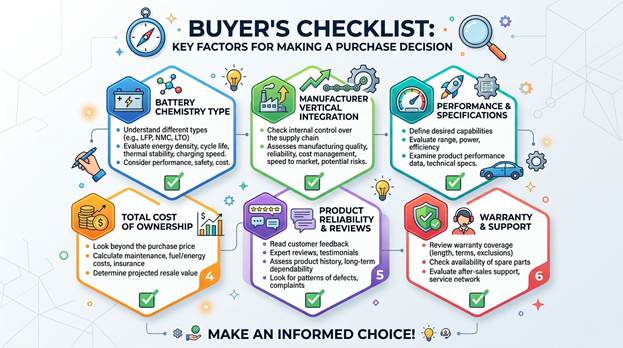
Advice for Potential EV Buyers
If you are in the market for an EV, the "wait and see" approach might actually hurt you. As the AI demand shock ramps up, the MSRP of EVs is likely to climb again.
My advice:
- Buy Now or Lease: If you can find an EV today, lock it in. Leasing is a particularly smart move right now, as it protects you from the technological obsolescence that will happen when solid-state batteries eventually arrive to save us from the lithium crunch.
- Prioritize LFP: Look for cars using Lithium Iron Phosphate (LFP) batteries. They are projected to dominate the market by 2026 because they don't use cobalt or nickel, making them slightly more resistant to the specific shortages that will plague high-performance AI and long-range EV batteries.
- Check the Sourcing: Under the U.S. Inflation Reduction Act (IRA), sourcing requirements are tightening. Buy from brands with localized North American battery production to ensure you get the tax credits before the supply dries up.
Wrapping Up
The intersection of AI and energy is the next great economic battlefield. We are entering a period where "Compute" and "Transport" are competing for the same molecular resources. Big Tech’s move into AI energy storage is a rational survival strategy for them, but it creates a massive "Demand Shock" for the rest of us.
Tesla and BYD are well-positioned to weather this storm, but the traditional automotive industry is at significant risk. If you are planning to go electric, do it sooner rather than later, and pay close attention to where your car’s "fuel tank" is actually made. The transition to a green future is still happening, but AI just made the road a lot bumpier.
Disclosure: Images rendered by Artlist.io
Rob Enderle is a technology analyst at Torque News who covers automotive technology and battery developments. You can learn more about Rob on Wikipedia and follow his articles on TechNewsWord, TGDaily, and TechSpective.
Set Torque News as Preferred Source on Google
Follow us today...






