

Nissan’s current struggles continue. If you follow what’s happening in the automotive world, you probably know that last year, disturbing reports emerged. A senior official, close to Nissan, reported that the brand has “12 to 14 months to survive”. From what we see, Nissan is a poor example of damage control. The much-discussed Nissan-Honda alliance will, likely, not spawn anything more than a few narrow partnerships. And while I don’t think the Japanese government will let one of its oldest carmakers die out, I think Nissan has an ace up its sleeve that it’s refusing to use for some reason.
On paper, things aren’t looking that bad.
Last year (2024), Nissan’s global sales totalled 3,348,687 cars. Compared to 2023’s 3,374,374 cars sold, this is a negligible 0.8 percent decline. But as we know, numbers tell only half the story, and many people are dissatisfied with Nissan’s current offerings. The main culprit is, often, pointed out as the CVT. On paper, it is a good system, aimed at fuel economy.
Other manufacturers like Toyota, Honda, and Subaru (to name a few) are also using it, but for some reason, Nissan’s CVTs seem to be the most unreliable. Sure, Subaru CVTs give them a run for their money, but Nissan’s Jatco units are synonymous with failing, often at relatively low mileage. That said, there are exceptions and one owner shares his pleasant experience with a high-mileage Nissan Rogue. This makes you wonder, is Nissan’s reputation for transmission problems blown out of proportion?
Nissan has a chance to take a page from Toyota’s book
I have a soft spot for the Nissan brand, which is why I don’t say this lightly. Most of the brand's current models suck. While the Nissan Z is arguably the best value for money sports car, the segment is so small that it barely makes a difference for the brand’s prosperity compared to more mass-market models. Nissan’s sports car also outsold the Toyota Supra, partially due to amazing deals from some enthusiast-centric Nissan dealers.
Some of Nissan’s models provide better value for money than the equivalent Toyota, but the brand still finds itself outperformed by other Japanese brands with a stronger reputation for reliability and retaining value. Toyota seems to have gotten it right, for the most part. While not everyone loves the Land Cruiser’s i-Force Max hybrid powertrain, the new 2.0-liter engine is already put to work in models like the Lexus ES. The same unit will be powering the 2026 Toyota GR Celica, which promises mid-engine layout and track-slaying performance. But even better, that same G20E engine will be capable of 600 horsepower in race trim.
A motorsport-derived powertrain adapted for road use is almost always a winning formula, and you probably forgot that Nissan has a motorsport-derived engine that’s even more revolutionary.
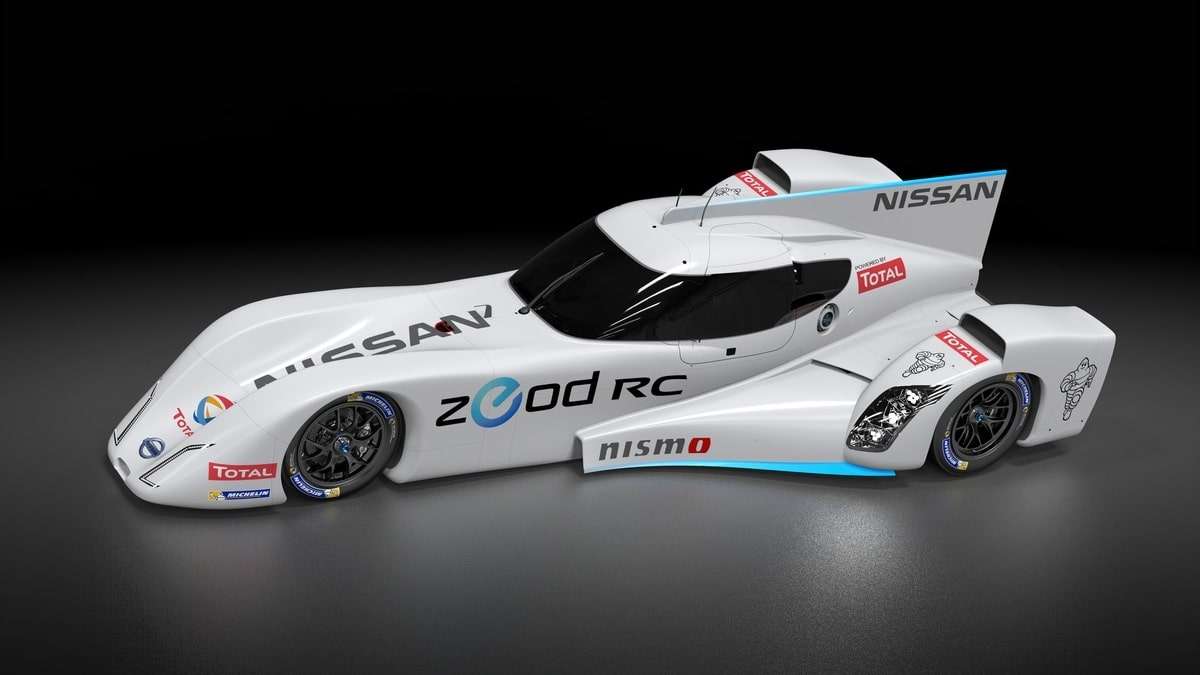
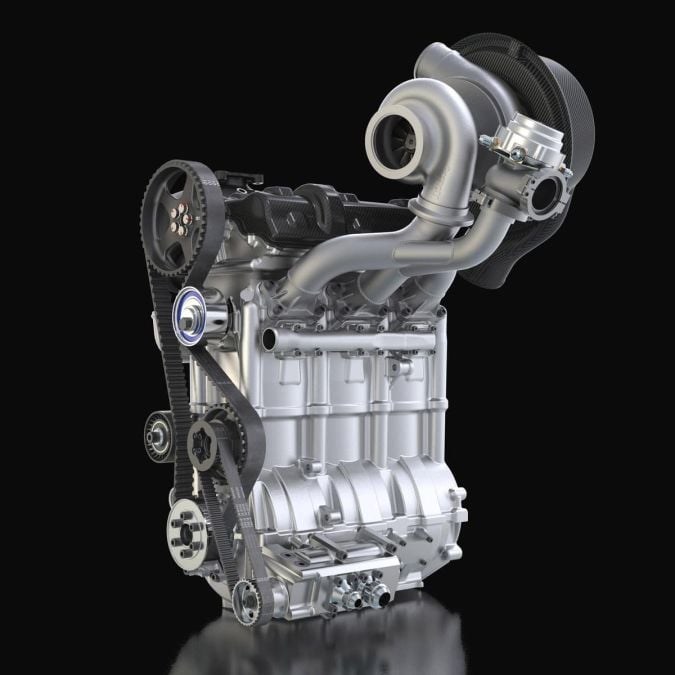
In 2014, Nissan introduced a groundbreaking engine to be used in the Nissan ZEOD RC LeMans race car. The unit was used by Nissan in the 2015 LeMans, LMP1 class, but sadly, it retired due to gearbox issues. The engine was designed to complement a high-output hybrid powertrain, but provided impressive figures on its own.
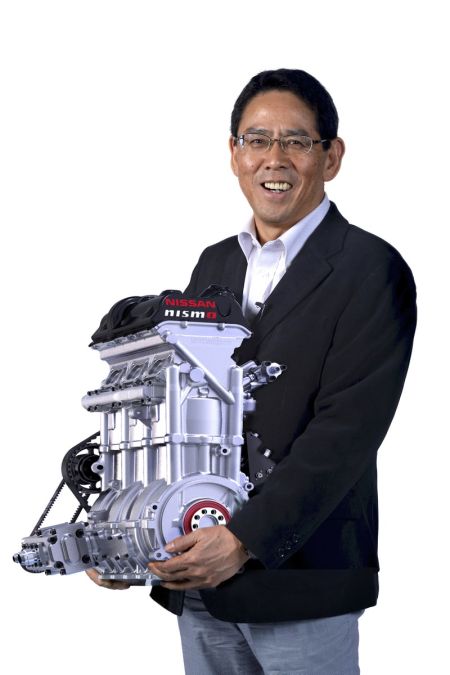
The 1.5-liter, turbocharged, inline-three unit produces 400 horsepower, 280 pound-feet (380 Nm), and can rev up to 7,500 RPM. Even more impressively, it weighs just 40 kg (88 pounds). This gives the little engine comparable power-to-weight ratio to current Formula 1 cars - some 11 years later. The compact size - 500mm (19.68 inches) height, 400mm (15.7 inches) length, and 200mm (7.78 inches) width - means it can be fitted in any engine bay.
The engine’s main focus was on downsizing and efficiency, but the power is clearly there. The way I see it, Nissan can use the platform for a modular engine lineup. The brand’s 2.0-liter variable-compression engine was brilliant on paper, but left a lot to be desired in the real world. But a 2.0-liter engine based on the 1.5-liter DIG-T R unit could be the next SR20, and a money-printing formula for Nissan as it would infuse the brand’s lineup with a dose of much-needed excitement and character.
What’s your take on Nissan’s revolutionary engine? The technology is there to be used, and it might just be the saving grace of the struggling Japanese brand. Feel free to share your thoughts in the comment section below.
Dimitar Angelov's automotive interests made him an expert in a wide variety of vehicles. Japanese brands like Toyota are closest to his heart, although performance cars in general are his favorite segment, which is why he is constantly on the lookout for the best deals on the market. Dimitar Angelov's car passion and knack for the written word led him to complete a Master of Arts in Media and Communications, and classic car restoration. Dim is happy to get behind the wheel of any car and share his impressions. You can follow Dimitar on X, Linked-in, Instagram, and Facebook.
Image source: Nissan USA newsroom
Set Torque News as Preferred Source on Google
Follow us today...







Comments
Interesting, but this will…
Permalink
Interesting, but this will not save Nissan. In 24 months, Nissan will be deader than fried chicken.
It looks like it, yes, but I…
Permalink
In reply to Interesting, but this will… by Buzz Wired (not verified)
It looks like it, yes, but I think a fresh dose of government money would prevent that from happening. I don't see the Japanese government letting one of their legacy carmakers wither and die like that. I guess time will tell.