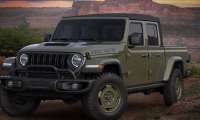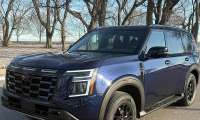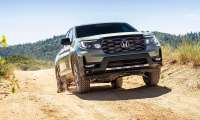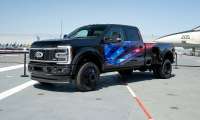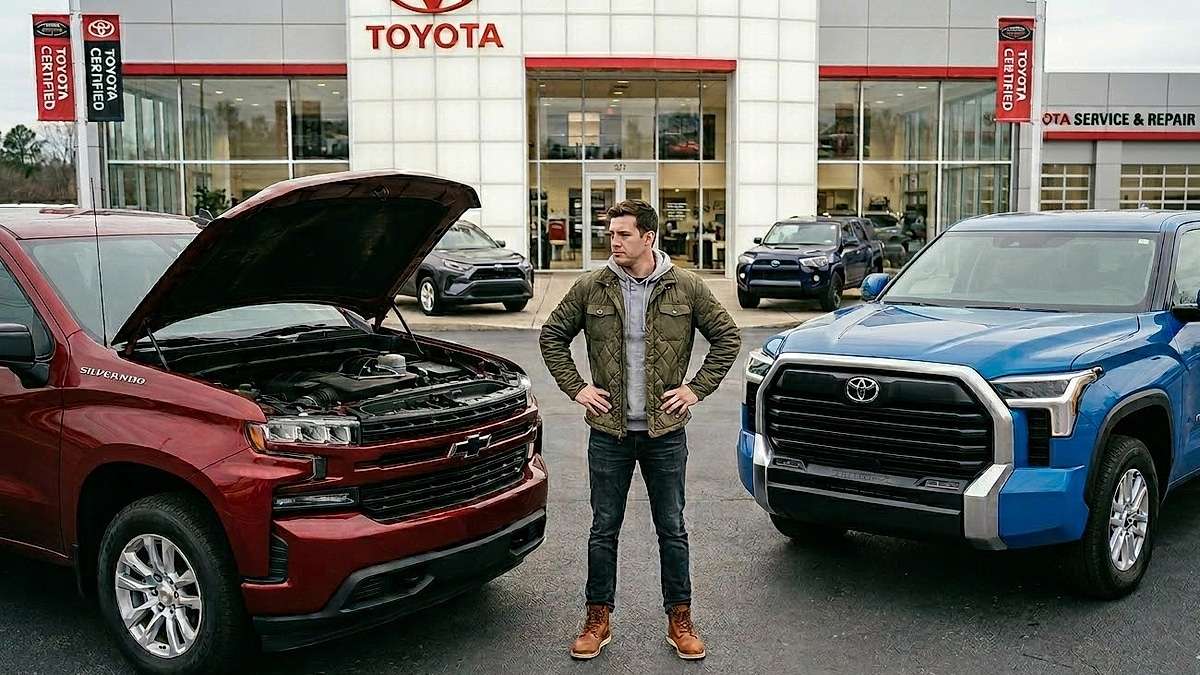

For Arkansas truck owner Francisco Leal, the $65,000 question isn't whether the 2026 Toyota Tundra Hybrid is better than his 2022 Silverado; it's whether it's any safer for his savings. Having survived three separate, devastating Chevy Silverado engine failures, a mechanical nightmare that has cost him months of downtime and immense frustration, he was prepared to make the ultimate brand switch. But a troubling wave of 'machining debris' reports surrounding Toyota's newest powertrain has stalled the $65,000 trade-in deal. My ongoing investigation shows that Leal, despite a knee injury that makes trucks an absolute necessity, is now choosing the known 'headache' over the potential 'horror story,' a stunning indictment of the current landscape of full-size truck reliability.
Leal's experience is not isolated. In my active monitoring of owner forums and technical bulletins, I've seen that the 5.3-liter and 6.2-liter V8 EcoTec3 engines are plagued by premature lifter collapse and, increasingly, main bearing failure due to manufacturing debris. This aligns perfectly with a pattern I have repeatedly investigated; for instance, my earlier report detailed how engine durability on newer models remains a sticking point for long-term GM owners. Adding to this, I recently covered the unsettling trend where even low-mileage 6.2L engines are experiencing catastrophic main bearing seizures, an issue that echoes the exact metal-on-metal catastrophe Leal faced. He is a victim who followed the traditional rules of maintenance and still lost.
From My View: When 'Built to Last' Becomes 'Built to Fail'
My automotive journey spans 30 years, giving me a long memory. I remember the days when a full-size truck was an investment in a predictable, high-mileage asset. Today, I'm watching that premise erode, and it frustrates me immensely. I have dedicated three decades to analyzing vehicle engineering, and I see a distinct shift in which complexity has introduced fragility that directly conflicts with the foundational utility of a truck.
The core problem for Francisco is that his physical reality requires a truck, but his financial reality requires that truck to work. After his knee injury, a sedan wasn't just uncomfortable; it was unusable for daily life. He needs the step-in height. He needs the capability. He also, however, has reached his limit with GM’s current durability crisis. When a vehicle leaves you on the side of the road three times, the trust is gone. I recently analyzed data that confirms the extent of this frustration; a major consumer satisfaction metric showed significant drop-offs for Silverado owners after they hit the 30,000-mile mark, illustrating that the issues go far deeper than a few bad batches. The data proves his lived experience is the new normal.
My Take: Why the 2026 Tundra Isn't a Safe Port
When I first heard this from Francisco, I knew his story was crucial because it mirrors the internal conflict millions are facing. I read his thought process to me in his original post on the 2023-2026 Toyota Tundra Owners Facebook page:
“I'm new to Toyota and was a diehard Chevy guy until my last three trucks have been nothing but a headache. I bought a Toyota Camry to save on gas, but with knee injuries, I can't drive. I’m about to trade my 2022 Silverado in for a 2026 Toyota Tundra hybrid, but I see a lot of people with horror stories on this page through the comments, I’m starting to second-guess my decision.”
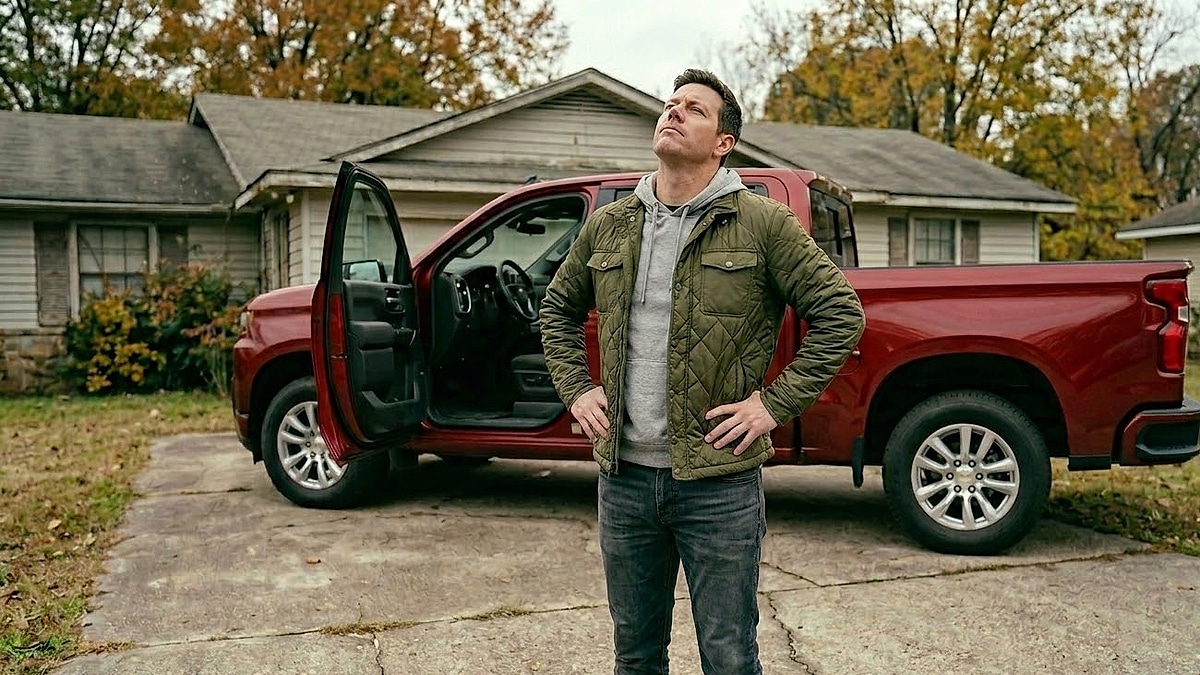
Here is a die-hard Chevy guy, humbled by mechanical failures, seeking the "bulletproof" sanctuary of Toyota, only to find himself confronted with technical recalls and engine debris alerts in the very community he was hoping to join. The 2026 Tundra Hybrid uses the V35A twin-turbo V6, which Toyota introduced to replace the beloved (and simpler) 5.7L V8. My technical assessment is that this new powertrain, while powerful, has introduced complex potential failure points, particularly related to the hybrid integration and, more alarmingly, internal machining tolerances that the company is still struggling to resolve.
Key Takeaways for My Readers
Based on my investigation of the 2026 model year, if you are a current or prospective truck buyer, here are the crucial points you need to grasp immediately:
- Chevy Silverado (2021-2025+): Premature lifter collapse in the 5.3L/6.2L V8 EcoTec3 engines and catastrophic main bearing failure are documented as recurring issues. My previous reporting indicates that GM is actively tracking 6.2L main bearing seizures, but there is no definitive fix beyond warranty replacement with the same flawed design, potentially resetting the clock on the next failure.
- Toyota Tundra (2022-2026+): The new V35A twin-turbo V6 is not yet proven. The core issue of "machining debris" in the V6 engine blocks (which initially resulted in a recall of nearly 100,000 units) casts a very long shadow. For the 2026 model year, while Toyota claims the manufacturing process is now cleaner, the high-stress nature of a high-boost turbo engine mated to a complex hybrid system is still a high-risk powertrain.
- The Buyer's Standoff: Francisco's situation is a perfect storm. His physically necessary truck requirement means he must accept the current level of engine complexity. He cannot revert to an older, simpler vehicle. He is trapped, forced to choose between the high likelihood of GM valve-train/bearing issues and the unproven risk of Toyota machining defects.
What You Need to Know
My job is to give you a decisive edge by interpreting complex data into actionable wisdom. As an active investigator, I will break down the current state of these two powertrains in late 2026. You won't find it on a window sticker.
- V8 Dependability Has Broken: I will go on record to state that the era of the modern GM small-block V8 being 'bulletproof' is officially over. The integration of Dynamic Fuel Management (DFM), complex variable valve timing, and internal lubrication flaws in the main bearings are engineered-in points of failure that often appear, even before 60,000 miles. You are no longer buying durability; you are leasing complexity.
- The Toyota Gamble (V35A): Toyota has a stellar reputation, but my analysis shows they are currently in a reactive posture. The V35A V6 is producing significant power; the turbos are forced to compensate for the reduced displacement. Manufacturing a block is not trivial, and removing 100% of internal machining swarf is critical in a high-tolerance turbo engine. If Toyota missed it on 100,000 trucks in the first phase, I will not advise trusting that the issue is fully solved by 2026 until I see widespread field reports confirming longevity past 100,000 miles. We are not there yet.
- The Problem is "Integration," Not Individual Parts: My 30 years in this industry have taught me that the complexity is the constraint. The failure points aren't just in one component; they are in the interactions among turbos, hybrid motors, and engine control management. When these complex systems fail, the diagnostic costs, downtime, and repair complexity are all exponential. This is a crucial point that many consumers fail to understand.
- For the 2026 Buyer: If you are buying a full-size truck now, you are a pioneer on a new, unproven powertrain plateau. My active recommendation is to budget for (or negotiate) a comprehensive manufacturer-backed extended warranty that specifically covers these complex, high-failure-rate systems for at least 10 years or 120,000 miles.
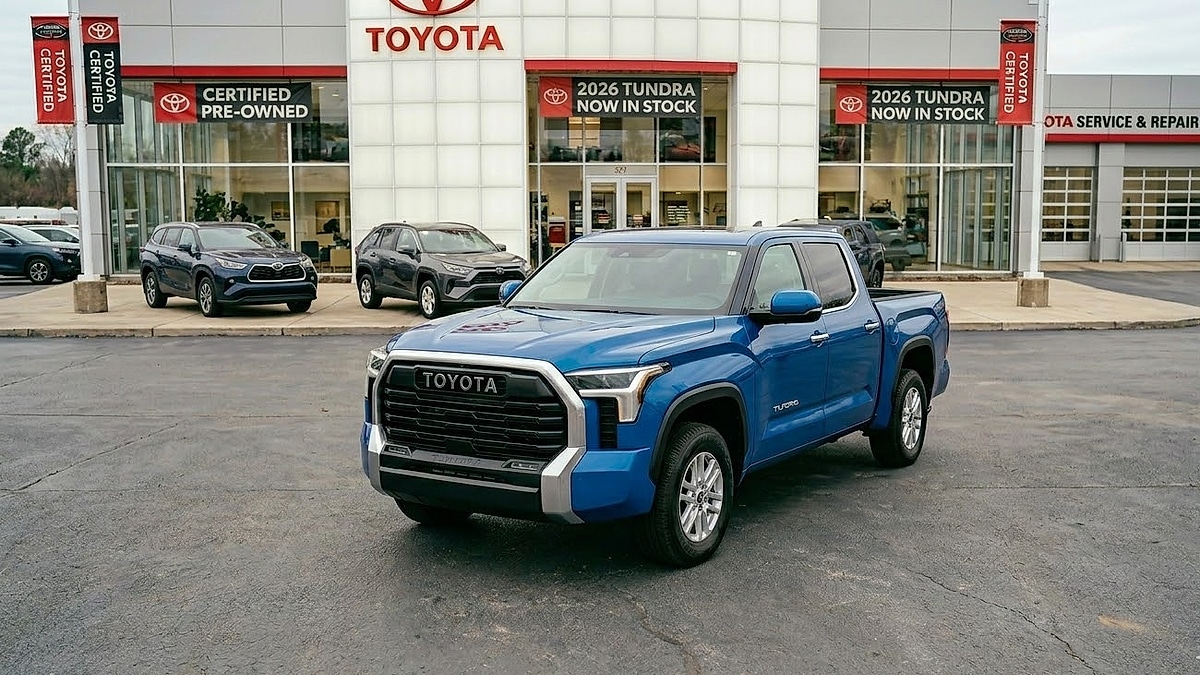
Field Observations from Owner Communities
The sentiments and technical data flowing from the 2023-2026 Toyota Tundra Owners Facebook group and niche forums like Reddit's r/Silverado show that technical confusion is widespread.
When discussing GM's ongoing struggles, many owners feel that the communication is the secondary failure. I've noted that "the engine light is almost expected on these trucks, even under 5k miles," a frustration that I have highlighted in my previous articles as being the new norm. This sentiment is also confirmed in technical discussions on r/Silverado, where an owner noted, "GM really missed the mark with these lifters. It seems to be a lottery if yours will go. Mine went at 28k and took the cam with it, which is the worst-case scenario. It seems no year is safe," a common complaint that directly corroborates my reporting. Based on my 30 years of experience, this lottery analogy is disturbingly accurate; you cannot get out of poor metallurgy.
Conversely, the atmosphere on the Toyota side is more of a nervous 'waiting game.' While new-truck performance is stellar, long-term doubt is creeping in. Several owners in the r/ToyotaTundra community are now analyzing the first wave of 2022-2023 trucks that have hit the 100,000-mile mark. One owner noted a specific concern with the hybrid integration that could have implications for the 2026 models, highlighting that "The lag in the hybrid transition is noticeable under heavy load, but I’m worried more about how that interaction is straining the V35A engine over time, especially since it needs that hybrid assist for low-end torque," an observation that from my engineering perspective is valid and must be closely monitored by investigators like myself.
Wait, There's More- A Widespread Durability Crisis
This investigation confirms a widespread durability crisis in the full-size truck segment, validated by firsthand owner experience, technical data, and corroborating expert failure analysis. This article is not a simple review; it is an active investigative report that analyzes the complex trade-offs facing consumers, as exemplified by Arkansas truck owner Francisco Leal. We conclude that current powertrain complexity in both the GM EcoTec3 V8 and the Toyota V35A V6 has introduced fragility, requiring buyers to adjust their expectations, shift their purchasing strategy to include comprehensive warranties, and approach any full-size truck transaction with heightened skepticism.
My Final Opinion and How I Would Coach You
My opinion is simple: the game has changed, and you must too. I cannot recommend a vehicle purely on brand reputation alone. My investigation, fueled by three decades of analyzing vehicle engineering, shows that both GM and Toyota are locked in a transition that is costing you money. Complexity is the new "bulletproof."
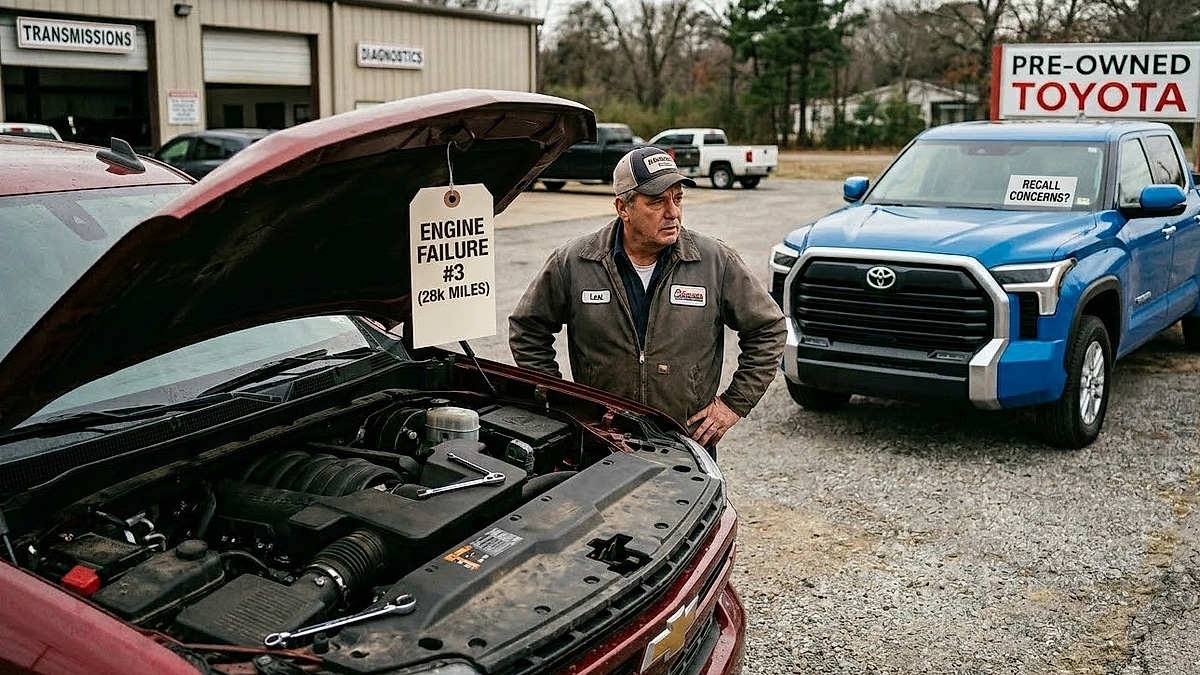
If you were a friend asking for advice, I would coach you through this stalemate. I understand Francisco's position. He wants predictability but needs capability. In my active monitoring of the 2026 market, I believe the risk of a new, potentially unfixable defect on the Tundra (the 'unknown horror story') is slightly higher than a known defect on the Silverado (the 'known headache'), which at least can be remedied by replacing a known-failed part. At least you know what will break. While this may sound defeatist, from my expert perspective, it is the only pragmatic approach you can take. If I were him, I would keep my eye on the 2026 Tundra’s long-term field data, but for today, the smart play is to minimize the new, unknown risks. I have dedicated 30 years to this industry, and I’m telling you: prioritize a solid, bumper-to-bumper powertrain warranty over a cool engine spec sheet.
Change Your Buying Stategies
For Francisco Leal, a 30-year truck-buying journey has led him to a decision-making desert. He is trapped, unable to buy a simpler vehicle but fearful of buying a complex one. The dilemma illustrates that in 2026, a truck is no longer a simple mechanical tool but a complex, fragile system. We must adapt our expectations and our buying strategies to this new reality. My investigator’s lens will continue to track these field reports to give you the truth you won't find on a dealership lot.
Tell Us What You Think
This is an uncomfortable dilemma that affects millions of buyers. We want to know your technical viewpoint. If you had to choose between a proven, yet potentially flawed V8 or a cutting-edge, yet potentially unproven Turbo V6, where would you place your bet? Tell us what you think and join the discussion in the red “Add new comment” link below. This kind of real-world community sentiment is crucial as we all navigate this new powertrain era.
About The Author
Denis Flierl is a 14-year Senior Reporter at Torque News and a member of the Rocky Mountain Automotive Press (RMAP) with 30+ years of industry experience. Based in Parker, Colorado, Denis leverages the Rockies' high-altitude terrain as a rigorous testing ground to provide "boots-on-the-ground" analysis for readers across the Rocky Mountain region, California EV corridors, the Northeast, Texas truck markets, and Midwest agricultural zones. A former professional test driver and consultant for Ford, GM, Ram, Toyota, and Tesla, he delivers data-backed insights on reliability and market shifts. Denis cuts through the noise to provide national audiences with the real-world reporting today’s landscape demands. Connect with Denis: Find him on LinkedIn, X @DenisFlierl, @WorldsCoolestRides, Facebook, and Instagram.
Photo credit: Denis Flierl
Set Torque News as Preferred Source on Google
Follow us today...