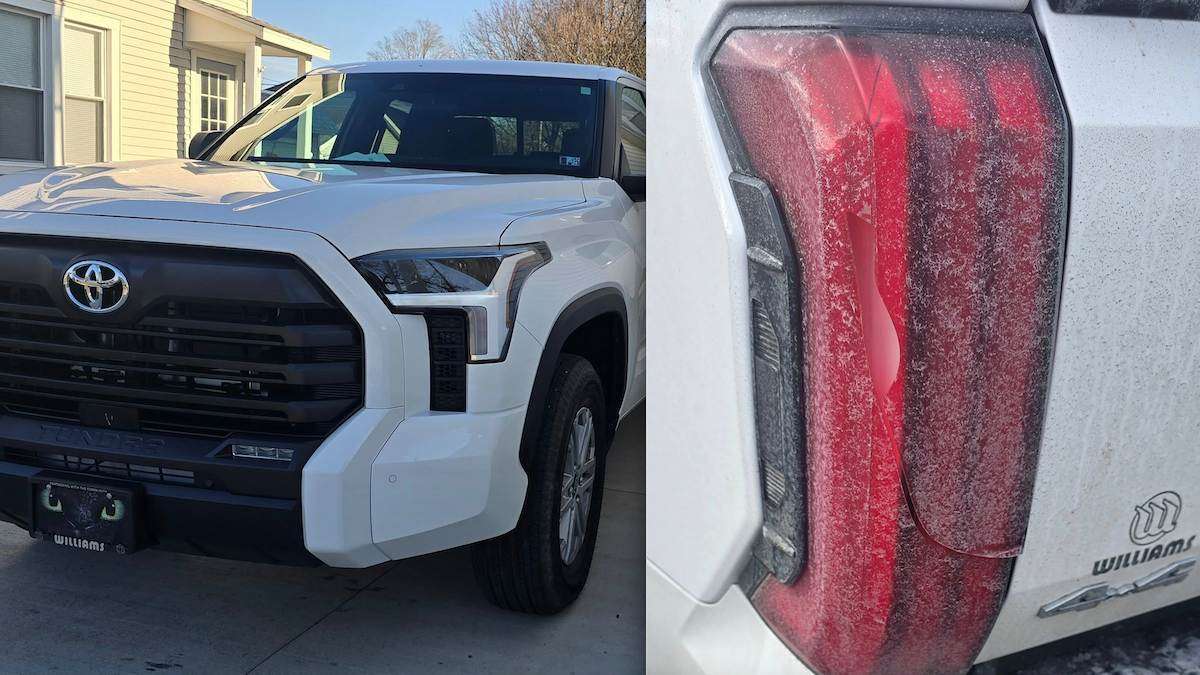

Owning the newest truck on the block has its perks, but as this 2026 Toyota Tundra owner discovered, it also means driving into a "parts desert" where the only way to fix a simple taillight break is paying a premium price.
Buying a newly released model year like the 2026 Toyota Tundra often comes with the excitement of having the latest technology, but it also carries the hidden risk of scarce replacement parts. My advice to early adopters is always to be prepared for potential supply chain gaps that can leave you stranded or force you to pay exorbitant dealer prices for minor repairs.
Janelle Robbins found herself in exactly such a predicament when a routine cosmetic issue turned into a financial headache with her brand-new truck. She turned to the owner community seeking a solution for a broken component that seems to be unavailable in the aftermarket.
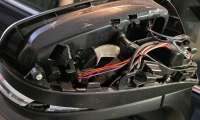
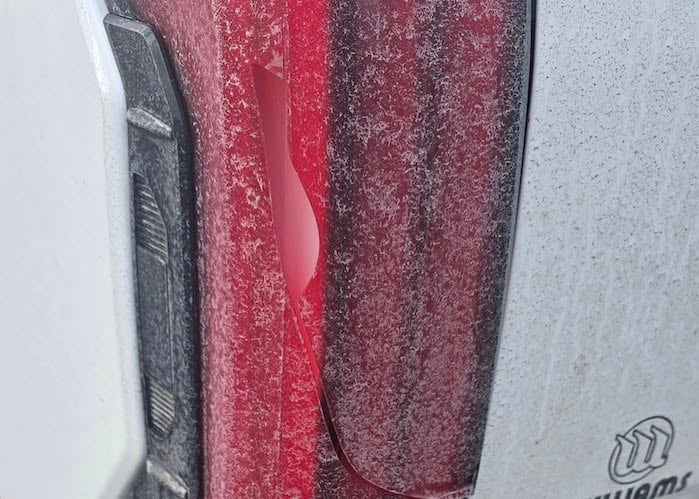
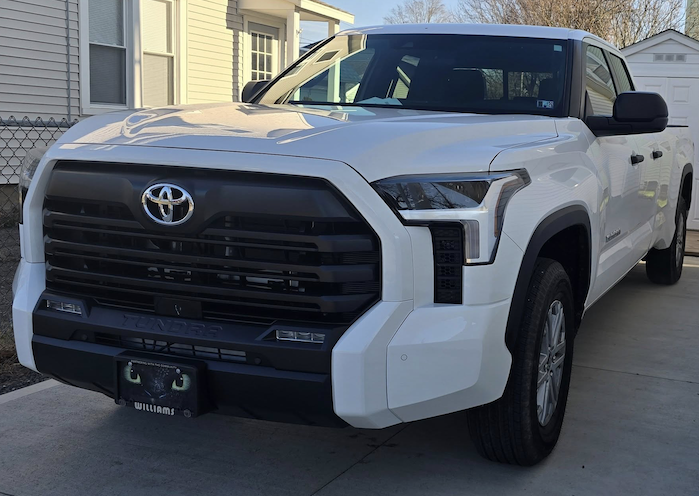
Janelle Robbins on the 2023-2026 Toyota Tundra Owners Facebook page says, "My brand new 2026 Toyota Tundra driver's taillight, with only 1,000 miles, and it's broke, I have no idea how! I can't find the 2026 lights online. Does anyone have a link or one for sale? I'm not paying $1,000 at the dealer for something I can fix myself!"
The High Cost of Modern Lighting
The sticker shock Janelle is experiencing is a common reaction among owners of modern trucks who are accustomed to replacing a ten-dollar bulb rather than an entire integrated assembly. Today's tail lights are not just plastic lenses; they are complex computer components that often house blind-spot monitoring sensors, sequential LED boards, and dedicated wiring harnesses that communicate directly with the vehicle's ECU. When one of these units fails or cracks, the entire housing must be swapped, leading to parts costs that frequently exceed $800 before labor is even factored in. For an owner who just spent a premium on a new vehicle, facing a four-figure repair bill for a piece of plastic is a bitter pill to swallow.
The situation is compounded by the fact that the 2026 model year is so fresh that third-party manufacturers have not had time to reverse-engineer and mold cheaper alternatives. In my recent coverage, I discussed how some potential buyers are already hesitant about the new models, noting that I wanted a 2026 Toyota Tundra until I test-drove one. I wasn't Impressed At All By It. I'll Keep My Del & Tuned Ram 2500 Cummins with 210K Miles. Just as that prospective buyer found the interior lacking, current owners are seeing that the post-purchase support infrastructure is lagging behind the sales floor.
Other users in the same Facebook thread are echoing similar concerns, noting that even basic maintenance items can be hard to source for the absolute newest VINs on the road.
Why The Breakage Occurred
It is rare for a taillight to break at 1,000 miles without a collision, yet it happens. Here are four potential reasons why the assembly might have failed so early:
- Manufacturing Stress Fractures: During assembly, if the factory robots over-torque the mounting bolts, it places invisible stress on the plastic housing. Over the first few hundred miles of road vibration, that stress can propagate into a visible crack or shatter the lens entirely without any external impact.
- Thermal Shock: The 2026 Tundra uses high-intensity LEDs, which generate heat. If the vehicle is subjected to a rapid temperature change, such as washing a hot truck with cold water or an overnight freezing drop, the rapid contraction of the plastic could cause the seal or lens to fracture.
- Debris Impact: Even without a crash, road debris kicked up by the rear tires can strike the lens at the perfect angle. Modern aerodynamic designs often wrap the light around the corner of the bed, exposing more surface area to rocks and gravel flying up from the road surface.
- Tailgate Slamming: The Tundra tailgate is heavy, and repeated slamming can send shockwaves through the rear pillars. If the light assembly was not seated perfectly with its rubber dampers, the vibration from closing the bed can eventually shatter the rigid plastic mounting points or the lens itself.
The DIY Dilemma
Janelle's frustration highlights a growing gap between the "Right to Repair" and the "Ability to Repair." She clearly possesses the skill and willingness to perform the swap herself, which would save her hundreds of dollars in labor costs. However, her skill is rendered useless by the unavailability of the part itself. When you search for "2026 Tundra tail light" online, the results are likely filled with parts for the 2022-2025 models. While they look similar, Toyota often makes subtle changes to mounting tabs, wiring pinouts, or LED patterns with each model year update, making backward compatibility a gamble.
Another member of the group, Mark T., noted his issues with a similar situation, stating that he waited three weeks just for a replacement side mirror on his 2025 Platinum. The parts counter told him that the supply chain is focused entirely on building new trucks, leaving the replacement parts inventory nearly empty. The reality is that for the first six to twelve months of a new model year, the manufacturer diverts almost every available component to the assembly line to keep sales moving.
Owners who need repairs are often left waiting in a long queue. I touched on the severity of these wait times in another report, My 2024 Toyota Tundra Is a LEMON: This Week I Hit the 30-Day 'Service' Death Sentence, These Trucks Will Have No Value In 2 Years, where prolonged service delays are actually forcing some trucks into Lemon Law status because the dealer simply cannot fix them in a reasonable timeframe.
The Broader Supply Chain Context
The predicament Janelle faces is symptomatic of a larger strain on Toyota's logistics network. The company is currently juggling massive recalls while trying to launch the 2026 lineup. When a manufacturer is overwhelmed with powertrain issues, cosmetic parts often take a back seat in logistics priorities. The warehouse space and shipping containers are currently filled with heavier, more critical components needed to keep the fleet running.
We have seen evidence of this strain in the service bays. Dealerships are flooded with major repair work, which drains resources from the parts department's ability to stock standard crash parts. In a related story, I detailed how Toyota Has A $500M Monumental Task Replacing Nearly 100,000 Tundra Engines, Dealer Says, "We Have 4 Stores, If 50 Customers Come In All At Once, It Will Be Challenging".
When a company is managing a recall of that magnitude, the production of spare taillights for a 2026 model that just hit the lot is unfortunately low on the priority list. The logistical bandwidth required to move thousands of engine blocks effectively chokes the supply lines for smaller, less critical items.
For owners like Janelle, the options are limited. One could try to claim the break under warranty if there is no sign of impact, arguing it was a stress fracture. However, dealers are trained to look for any sign of a rock chip to deny such claims. The alternative is to wait for a dismantler or junkyard to get a wrecked 2026 model, but that could take months.
The final option is to pay the dealer price, a painful reality that erodes the joy of new truck ownership. The fear of being stuck with an unfixable truck is valid, as I explored in the story It's Been 2 Months Since My 2024 Tundra Engine Died, It Continues to Rot at the Dealer With No Estimate For Parts, I'll Never Own a Toyota Again. While a tail light does not render the truck undriveable like an engine failure, the feeling of helplessness is remarkably similar.
I'm Denis Flierl, a Senior Torque News Reporter since 2012, bringing over 30 years of automotive expertise to every story. My career began with a consulting role with every major car brand, followed by years as a freelance journalist, test-driving new vehicles, which equipped me with a wealth of insider knowledge. I specialize in delivering the latest auto news, sharing compelling owner stories, and providing expert, up-to-date analysis to keep you fully informed.
Follow me on X @DenisFlierl, @WorldsCoolestRides, Facebook, Instagram and LinkedIn
Photo credit: Denis Flierl via Janelle Robbins
Set Torque News as Preferred Source on Google
Follow us today...