
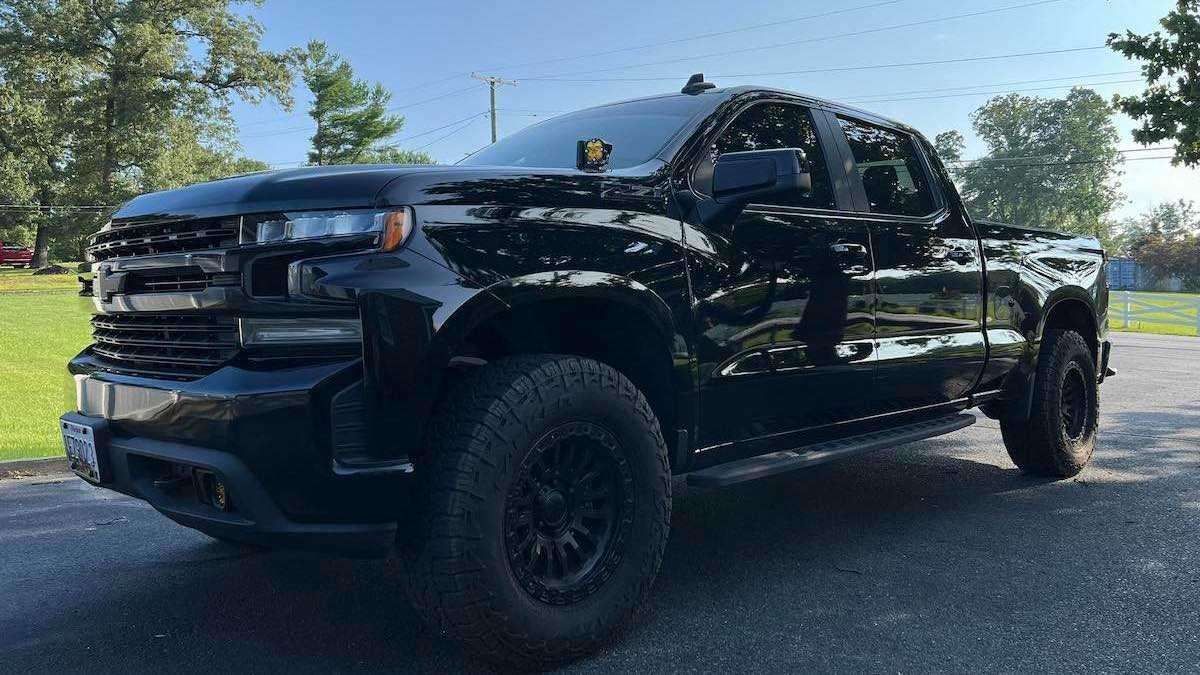

A 2022 Chevy Silverado Owner says it passed the L87 6.2 recall with "flying Red, White, and Blues." New 0W-40 oil and a 100k drivetrain warranty mean he's back to stress-free fun, or is he? What about the increased oil pressure at idle?
Mitch Rowe on the 2019 - 2026 Chevy Silverado & GMC Sierra Owners Facebook page says,
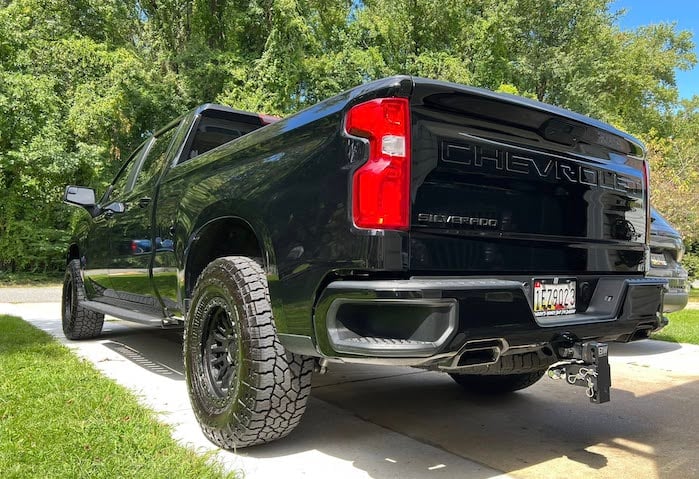
"My 2022 Chevy Silverado passed the L87 6.2 recall with 'flying Red's, White's, and Blue's". (the General Manager's words). I never noticed anything abnormal, but I took it to the dealer anyway. They put in 0W-40 full synthetic. I have a 100k drivetrain warranty, not counting my platinum warranty coverage. It just rolled over to 47k miles. The only thing I've noticed is a lot more oil pressure at idle. But, I'm afraid we're all on borrowed time. But, we get to do fun things without extra stress."
This is an important one. I've been tracking the L87 6.2L V8 engine situation for months now, and I know the anxiety that this recall has caused for tens of thousands of dedicated Silverado and Sierra owners. When you drop upwards of $70,000 on a premium truck and then hear the dreaded word "recall," it immediately puts a damper on the ownership experience—especially when the issue could lead to catastrophic engine failure.
Understanding the GM Recall Strategy
Let's first examine what the dealer fixed. The official concern, which led to the recall (NHTSA Campaign Number 25V-274000), stems from specific supplier-related defects in a batch of engines built between 2021 and 2024. The issue isn't primarily the widely reported lifter/DFM failure (though related architecture is similar); this specific campaign targets manufacturing defects in the connecting rods and crankshafts that could lead to premature bearing wear and sudden loss of propulsion.
For owners like yourself who pass the dealer inspection—meaning the internal components show no immediate signs of failure—GM's core corrective measure is shifting the lubrication standard. When you are looking into understanding the L87 6.2 recall status for Chevy Silverado, the outcome is either a complete engine replacement or the oil change and warranty extension you received.
The move is both tactical and profound, revealing where GM believes the weakness lies.
What's Behind the 0W-40 Switch?
Mitch mentioned that the dealer used 0W-40 full synthetic, replacing the factory-recommended 0W-20. This is the official and mandatory change for inspected trucks. To understand why General Motors is switching to 0W-40 full synthetic, you have to think about oil film strength.
The original 0W-20 oil was specified to meet strict Corporate Average Fuel Economy (CAFE) standards. It's thinner and reduces parasitic drag, which boosts MPGs marginally. However, thinner oil provides less hydrodynamic lubrication—the fluid wedge that physically separates metal surfaces—when tolerances are tight or compromised, such as in the case of potentially defective connecting rods or rough crankshaft finishes.
The 0W-40 grade maintains its thin 0W viscosity at startup, which is critical for cold flow, but it provides a much thicker oil film at operating temperature (the '40' weight). This thicker barrier dramatically increases the engine's tolerance for minor imperfections in the rod/crankshaft bearings, essentially putting a thicker cushion between the components most at risk of metal-to-metal contact.
This leads us to Mitch's observation: addressing increased oil pressure after the GM recall fix. The thicker 0W-40 oil creates more resistance as it is pumped through the engine's galleys and bearings. Therefore, higher oil pressure, especially at idle, is perfectly normal and a positive indication that the thicker fluid is circulating efficiently, thereby increasing protection.
This is a critical takeaway for best practices for 2023 Chevy Silverado 6.2L V8 maintenance moving forward: stick religiously to the new 0W-40 standard and ensure your dealer uses the specific Mobil 1 ESP X3 0W-40 or equivalent GM-approved oil.
Long-Term Reliability
Mitch noted that he feels like he's on "borrowed time," but the extended warranty is where the real value lies. The 100k-mile drivetrain warranty, combined with the recall-mandated extended coverage (often 10 years/100,000 miles specific to the engine, regardless of your platinum warranty), means GM is explicitly backing the durability of that engine assembly.
The question of long-term reliability of the 6.2L V8 engine after service is paramount. The truth is, by passing the inspection and adopting the thicker oil, your engine is now better protected than an identical 2023 model that was not included in the recall (which must still run the 0W-20).
The high-performance nature of the L87 means diligent maintenance is non-negotiable. I recommend owners shorten their oil change intervals slightly—aiming for 5,000 to 6,000 miles rather than strictly following the oil life monitor if you do heavy towing or frequent short trips.
What the Community is Saying
The experience Mitch shared is mirrored by many on the 2019-2026 Chevy Silverado & GMC Sierra Owners Facebook page, who recently weighed in:
- Samuel Constancio - My 2024 AT4 passed today, too. I was told 150k miles or 10 years.
- Mich says, There's a bulletin on the National Highway and Transport website about dealers giving extended warranties to those who pass the dealer. So far, they have to follow whatever the guide is; they probably didn't mention it to you cause either they don't know for real or they're trying to avoid giving the warranty out.
Beyond the V8: Trade-Offs and Resale
We also have to look at the economic reality. The recall, unfortunately, affects the impact of the L87 V8 valve lifter issue on resale value (even though the recall addresses rods/crank). The negative news cycle will dampen confidence in the used market. Your best defense against devaluation is two-fold: meticulous record-keeping of the recall fix and the extended warranty, and maintaining the truck's overall condition.
For new buyers facing this uncertainty, the debate often shifts to alternatives. We've covered this extensively, including a comparison of the 6.2L V8 to the new 3.0-liter Duramax Diesel. While the Duramax doesn't offer the raw acceleration of the 6.2L, its proven long-term durability, excellent fuel economy, and strong torque curve make it an increasingly compelling choice for those prioritizing longevity over horsepower bragging rights.
Related Stories by Denis Flierl:
- Chevy Silverado Owner Says, "I See All the Negative About the GM 6.2L V8, Well, I've Had No Problems With My 2022, 43K In, It Passed the Recall Test With No Issues"
- I Sold My GMC Sierra Denali 6.2L and Got This 2025 Chevy Colorado. I Was Worried I Would Miss That V8, But I Don't At All
- Master Tech says, "This $100K 2024 Cadillac Escalade has 12K Miles, and I Can Hear the 6.2L Engine Knocking. It's Already Showing Signs of Catastrophic Failure"
In The End
Mitch's situation is clear: He has the best protection GM currently offers for that engine. Enjoy your 420 horsepower and keep that 0W-40 flowing!
Key Question for Readers:
For those of you who have had the 0W-40 oil switch performed, have you noticed any change in your average fuel economy since the heavier oil was introduced? If so, how significant was the drop? Click the red Add New Comment link below and let us know.
I'm Denis Flierl, a Senior Torque News Reporter since 2012, bringing over 30 years of automotive expertise to every story. My career began with a consulting role for every major car brand, followed by years as a freelance journalist test-driving new vehicles—equipping me with a wealth of insider knowledge. I specialize in delivering the latest auto news, sharing compelling owner stories, and providing expert, up-to-date analysis to keep you fully informed.
Follow me on X @DenisFlierl, @WorldsCoolestRides, Facebook, and Instagram
Photo credit: Denis Flierl via Mitch Rowe
Set Torque News as Preferred Source on Google
Follow us today...







Comments
I have a 2024 high country…
Permalink
I have a 2024 high country with the 6.2l , that had the recall done on it aug 28th, I passed with flying colors too, until this passed friday 10/31. Traveling on the highway, check engine light came on and low oil pressure light then the motor made it loud ticking noise, then the truck shut off and I coasted off the highway. Towed to the nearest chevy dealer from where it happened. Ran the code , and it said to replace engine immediately. This dealership is 4 hrs from my house and I got the recall on 2500 miles ago!!!!!!!!!! Unreal!!!
Best time to sell it,…
Permalink
Best time to sell it,. especially GM junk.
My trailboss passed the…
Permalink
My trailboss passed the inspection and was also given the 0-40w oil. After about 1500 miles of driving I have noticed that I have lost approximately 3 miles per gallon and a noticeable decrease in power. The decrease in power was so noticeable that I asked the dealer if they re-tuned the mapping to provide less power in an effort to extend the life of the engine and they said no. It's hard to believe the oil change caused a noticeable decrease in power.
I addition to the scarlet letter that is now associated with the vehicles affected by the recall, the decreased fuel economy and engine power leaves my unsatisfied and anticipating additional class action lawsuits against GM. GM should do right by their customers and replace all recalled engines.
What good is the 100k…
Permalink
What good is the 100k warranty if it has a catastrophic failure at 150,000 miles. Lots of people keep their trucks as long as possible. Most of mine made 250,000. Your basically telling us we bought a 70,000 dollar truck that is good for 100,000 miles. I didn't have to worr6about my older trucks blowing up like a penutbutter grenade if I maintained it. Welcome back to the 1980s everyone.