
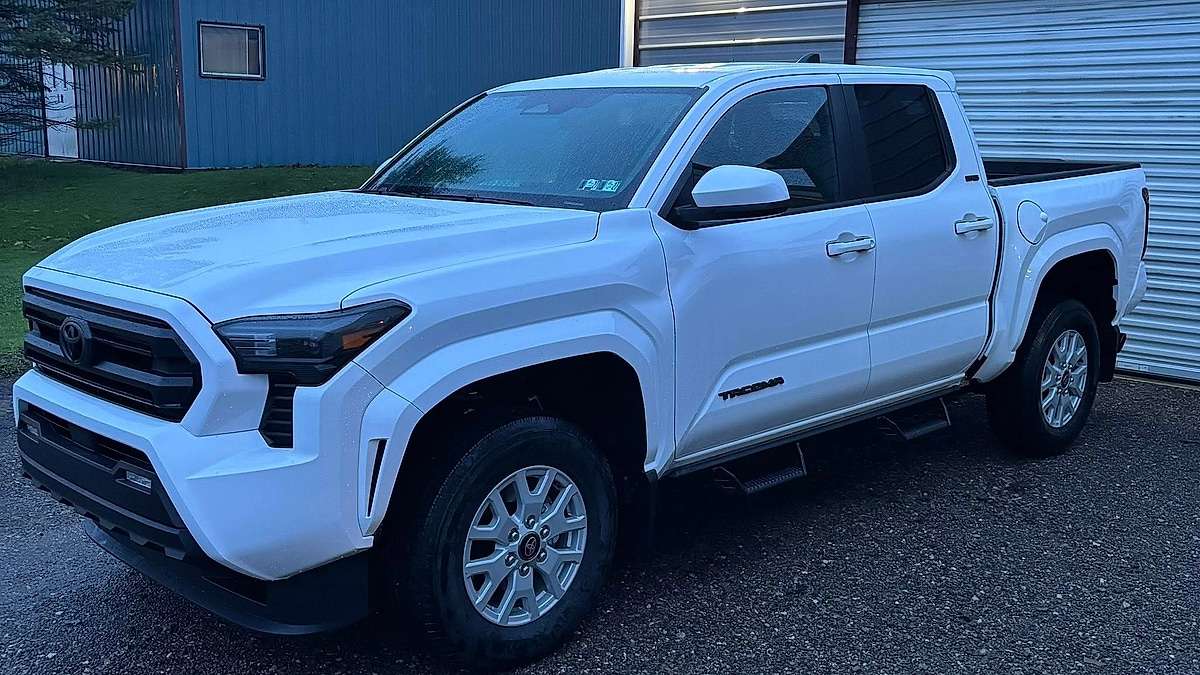

I’ve spent decades in the automotive trenches, and if there is one thing I have learned, it is that brand loyalty eventually breaks under the weight of repetitive mechanical failure. After five decades of driving Bowtie trucks, Mitch Brochey, a veteran owner from Erie, Pennsylvania, finally hit his breaking point and "jumped ship" to a white 2026 Toyota Tacoma SR5. The core of his frustration is a specific, recurring nightmare: the premature failure of GM wheel bearings.
After years of testing trucks in the thin air and steep grades of the Rocky Mountains, I have seen these components fail under less-than-extreme stress, signaling a "downslide" in manufacturing tolerances that is driving even the most loyal owners toward the Japanese competition. Mitch’s switch isn’t just a change in preference; it is a calculated survival move for a consumer tired of the service bay.
Critical Takeaways for Truck Owners
- Identify the specific "downslide" in GM manufacturing quality that is pushing lifelong owners toward Toyota.
- Examine the recurring wheel-bearing failures that have become a primary pain point for Silverado owners.
- Evaluate the early 2026 Toyota Tacoma SR5 owner experience regarding its transition from full-size domestic trucks.
- Anticipate the engineering shifts for the 2027 Tacoma that may dictate future buy-or-lease decisions.
The Owner’s Perspective from the Field
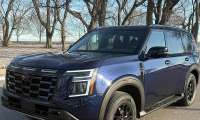
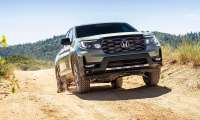
Mitch shared his journey on the 4th Generation Toyota Tacoma Owners Group Facebook page: “So I’ve been a Chevy guy almost all my life, everything from a 1963 C10 to my last 2018 Chevy Silverado. With (in my opinion) Chevy downsliding, I ended up leasing this white 2026 Toyota Tacoma SR5 about a month ago. Long story short, leasing fit my situation on all fronts. I’m not totally happy with the Tacoma; however, there are things I can live with and things that are growing on me more every day. I have time to decide, so no biggie. For the heck of it I typed in 2027 Toyota Tacoma and came across this photo. If they go this route, I’ll either buy my lease or go to a different brand. I feel like car company engineers need to come back to earth. I’m looking for something more reliable. I’ve done way too many GM wheel bearings.”
Summary of Reliability Trends
The automotive landscape in early 2026 is defined by a massive shift in consumer trust. As GM struggles with the longevity of specific components, Toyota has captured the "refugee" market of domestic truck owners. This investigative report analyzes the technical failure points of the Silverado platform, specifically the hub assemblies and bearing races, and compares them to the over-engineered approach of the 4th Generation Tacoma. We also dive into why the 2026 SR5 trim is becoming the "sweet spot" for those fleeing the high-maintenance costs of modern full-size American pickups.
Why the GM Wheel Bearing Crisis is a Deal-Breaker
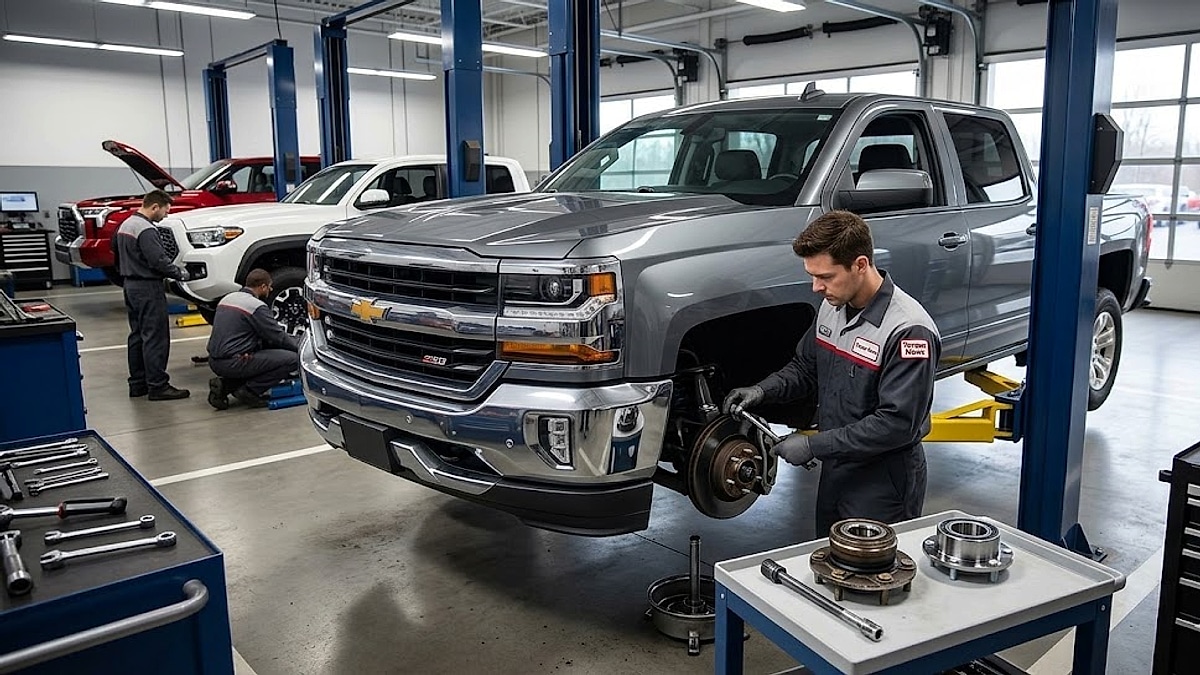
When a guy mentions he has done "way too many" wheel bearings, he is talking about a component that should, in a perfect world, last 100,000 miles or more. In my 15+ years of reporting, I have observed that GM’s recent shift toward lighter-weight materials in its hub assemblies has reduced durability. This technical oversight is corroborated by industry data.
According to specialized reporting from RepairPal, the Chevrolet Silverado 1500 currently has a reliability rating hindered by frequent suspension and drivetrain issues, with repairs often more serious than the industry average. You can view the full reliability breakdown here: RepairPal Chevrolet Silverado Reliability Rating.
The issue isn't just the part; it is the labor and the downtime. For an owner living in Erie, Pennsylvania, where road salt and moisture accelerate oxidation, a weak bearing seal is a death sentence for the hub. When moisture penetrates the race, the heat from highway speeds causes rapid pitting. I have seen this happen on trucks with fewer than 40,000 miles.
Consumer Reports has similarly highlighted these structural concerns, with experts like Keith Barry noting that while full-size trucks are the workhorses of America, their "predicted reliability" has been plummeting due to complex electronics and drivetrain hardware. Their analysis shows that domestic trucks are increasingly underperforming compared to mid-size Japanese alternatives. Read the expert analysis here: Consumer Reports Truck Reliability Analysis.

My Assessment of the Silverado Downslide
I have been tracking this decline for years. It isn't just about one part; it is a systemic issue within the supply chain. In my previous investigative work for Torque News, I detailed how many owners are finding themselves trapped in a cycle of "part-swapping" rather than actual repairs, a symptom of a broader corporate focus on planned obsolescence. As I noted in my report on why owners are abandoning their trucks after the 60,000-mile mark, the cost of ownership outside of the warranty period is becoming untenable for the average family. You can see my earlier findings on this trend here.
The Silverado's hub assembly design requires replacing the entire unit rather than just the bearing, which significantly increases the "pain at the pump" when you visit the service advisor. When you combine this with the lifter issues and transmission stutters that have plagued GM’s 5.3L and 6.2L engines, it is no wonder a guy who grew up in a '63 C10 is looking for an exit ramp.
Field Observations from Owner Communities
The sentiment Mitch expressed is echoed across the internet. In a recent technical discussion on r/Silverado, several owners expressed frustration with the current generation's front-end durability. One owner highlighted the vulnerability of the new design, mentioning, "The hub assemblies on the 2018 to 2024 models seem to have seals that fail if you even look at a puddle the wrong way," which you can find in this Reddit thread: r/Silverado: Front End Reliability Issues.
From my 30 years of experience, this aligns with how sensitive these components have become to environmental stressors. Another owner on r/ToyotaTacoma noted the contrast after making a similar switch, stating, "I went from a Silverado to a 4th Gen Tacoma because I wanted a truck that felt like a tool again, not a fragile luxury car with a bed," found in this Reddit discussion: r/ToyotaTacoma: Switching from Full-Size to Mid-Size.
My professional analysis suggests that the "fragility" these owners feel is actually a result of engineers prioritizing fuel economy (via weight reduction) over the sheer "over-building" that defined trucks in the 1960s and 70s. Toyota, while not perfect, has traditionally been slower to lighten its components, resulting in a heavier but more durable feel in the steering rack and hub assembly.
The 2026 Toyota Tacoma SR5 Experience: A Realistic View
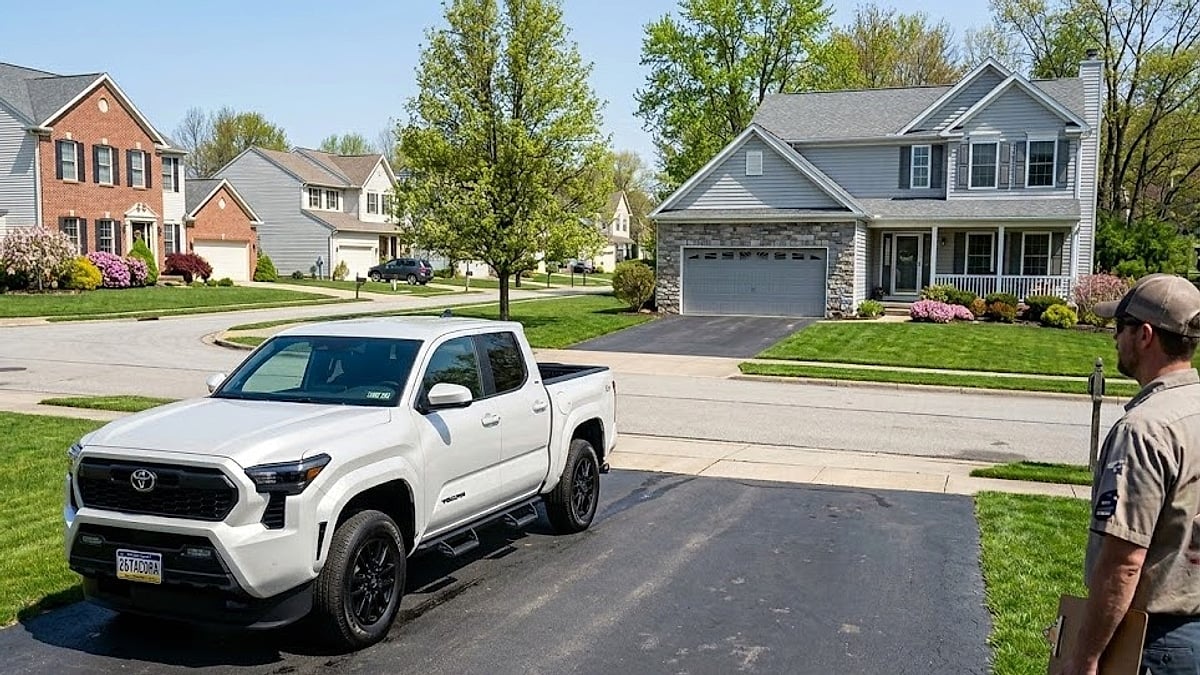
Mitch’s honesty about his white 2026 Tacoma SR5 is refreshing. He says he is "not totally happy," and that is a sentiment many "truck guys" feel when downsizing. You lose the massive cabin space of a Silverado, and you lose the low-end grunt of a V8. However, the SR5 trim is built for buyers who want simplicity. It lacks some of the over-complicated hybrid tech found in the higher TRD grades, which is exactly why it appeals to someone tired of the service department.
I believe Mitch is experiencing the "adjustment period" in which the smaller dimensions and turbocharged four-cylinder engine feel alien compared to his 2018 Silverado. But as he says, things are "growing on him." The reliability of the Tacoma's chassis is world-renowned, but even Toyota is pushing the limits of engineering. Mitch’s concern about the "2027 Toyota Tacoma" looking like it needs to "come back to earth" is a valid warning. Manufacturers are leaning into futuristic, high-tech designs that often sacrifice the "fix-it-with-a-wrench" soul of a truck.
Will the 2026 Tacoma Suffer from Its Own "New Tech" Gremlins?
The most logical question on every reader's mind right now is whether the 4th Generation Tacoma will eventually fall into the same trap as GM. With the move to the i-FORCE turbocharged 2.4L engine across the board, are we just trading wheel bearing issues for turbocharger failures?
In my view, the answer lies in the transmission. Toyota has paired this engine with an 8-speed automatic tuned to keep the turbo in its efficient power band without "hunting" for gears. While the Silverado’s 8-speed and 10-speed units have faced numerous class-action lawsuits for "shuddering," Toyota’s unit has shown significantly better heat management in early testing. If you are worried about the Tacoma’s longevity, the SR5 is your safest bet because it avoids the complexity of the i-FORCE MAX hybrid battery-cooling system. It is the closest thing to a "simple" truck left on the market in 2026.
Navigating the Future of Truck Reliability
The days of blindly following a brand because your father and grandfather did are over. We are in an era where data and personal experience must outweigh marketing brochures. Mitch’s move to lease a Tacoma is the smartest play an owner can make right now. It allows him to "test drive" the reliability of the Toyota platform without being tethered to a 72-month finance contract. If Toyota’s 2027 designs go too far into the "sci-fi" realm, he has the freedom to walk away. For now, he has traded a life of "too many wheel bearings" for a truck that, while smaller, promises to stay out of the shop and on the road.
What About You? Have you found yourself "jumping ship" to a different brand after years of loyalty, or are you sticking with your domestic truck despite the repair bills? Tell Us What You Think. Please leave a comment in the Add new comment link below.
About The Author
Denis Flierl is a 14-year Senior Reporter at Torque News and a member of the Rocky Mountain Automotive Press (RMAP) with 30+ years of industry experience. Based in Parker, Colorado, Denis leverages the Rockies' high-altitude terrain as a rigorous testing ground to provide "boots-on-the-ground" analysis for readers across the Rocky Mountain region, California EV corridors, the Northeast, Texas truck markets, and Midwest agricultural zones. A former professional test driver and consultant for Ford, GM, Ram, Toyota, and Tesla, he delivers data-backed insights on reliability and market shifts. Denis cuts through the noise to provide national audiences with the real-world reporting today’s landscape demands. Connect with Denis: Find him on LinkedIn, X @DenisFlierl, @WorldsCoolestRides, Facebook, and Instagram.
Photo credit: Denis Flierl via Mitch Brochey
Set Torque News as Preferred Source on Google
Follow us today...



Comments
I worked for a high end…
Permalink
I worked for a high end American based bearing manufacturer for about a decade. The main issue with bearing failures is that to meet the OEM’s price point, they’re been forced to compromise on the metallurgy & heat treating of bearing components. Good bearings cost more money, but will typically last the life of the vehicle. The auto makers were only interested in getting past warranty coverage, so cheaper off shore bearings ended up winning the contracts. The company I worked for tried to hold the line on quality, but that only led to them almost all original equipment business. Sadly, they finally compromised too. Based on internal company testing, SKF is about the only aftermarket brand that you can expect to last for the rest of the cars life.
My parents go through rear bearings about every 50k on their Chevy…ridiculous!
I have a 2016 f150;lariat…
Permalink
I have a 2016 f150;lariat that it's fully loaded except the automatic parallel parking. It's required $3000 to repair the 36 camera system and backup camera in 2025. I didn't like the factory suspension so in 2021 I kindly asked my favorite creatures indie mechanic to kindly reflect the years of my paying him without being late or trying to haggle against installing parts outside of his network. I disliked the factory suspension due to horrible brake dive and body roll and wanted Bilstein 6112 stage 2 4wd suspension parts rorensnd aft and to my chagrin they did it. 80k miles on my 2nd set of ko2s. Had to do front rotors and pads a few months ago at 78000.
When u trade a full size V8…
Permalink
When u trade a full size V8 pickup for a half size 4 banger because u had to do wheel bearings 2 times... didn't happen. good job at work today man you chatgptd this garbage I bet you went home proud.
With the endless complaints…
Permalink
With the endless complaints regarding the price of new trucks and their reliability, it seems prudent just to go with a 2021 Toyota Tundra. I’m not aware of any newer full or mid sized truck without considerable mechanical problems.
after driving 8 suburbans…
Permalink
after driving 8 suburbans over the last 30 years, I've finally given up on GM. Wanting to upgrade my 2011 with 200k, to a 2015 for 20 grand, 100k miles, and looking at a 5k valve train rebuild within 50k miles, I'm done.