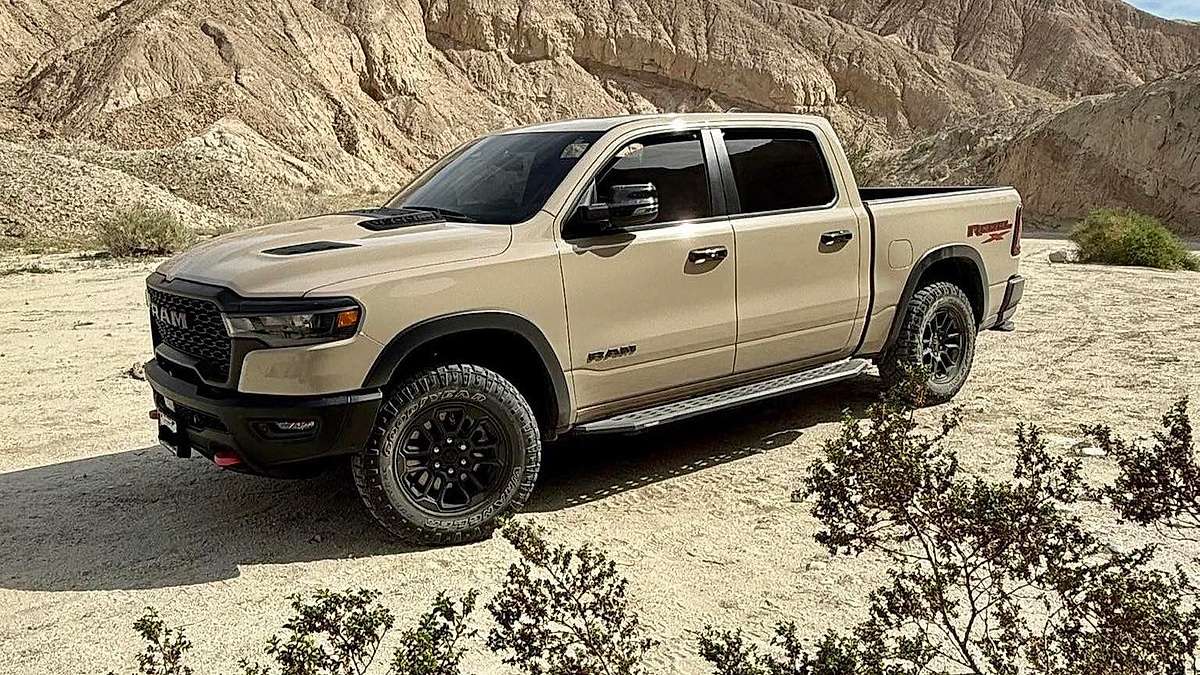

The 2025 Ram 1500 Rebel was designed to be the ultimate mix of off-road prowess and daily utility, but for some early adopters, the reality has been a technical nightmare. This report investigates a specific case involving a California owner whose brand-new truck required 8 service visits in just 11 months.
Our investigation reveals a systemic clash between "smart" safety software and traditional truck utility, specifically regarding parasitic battery drain from tailgate sensors and "Auto Park" features that impede basic maneuvers. While Ram recently topped reliability charts for older models, this case study serves as a critical warning for buyers of the latest high-tech iterations.
I have covered the automotive beat for over 30 years, and if there is one thing I have learned, it is that a truck is only as good as its ability to get the job done. When a vehicle starts fighting its owner, it is no longer a tool; it is a liability. That is exactly what is happening with the 2025 Ram Rebel. I recently came across a report from Brian Long, a California owner, who reached a breaking point after his truck spent more time in the service bay than on the dirt trails it was built for.
Brian’s experience is a sobering look at the "shop-to-miles" ratio that no manufacturer wants to see. In a post on the 2025 Ram Rebel Owner’s Facebook page, Brian shared:
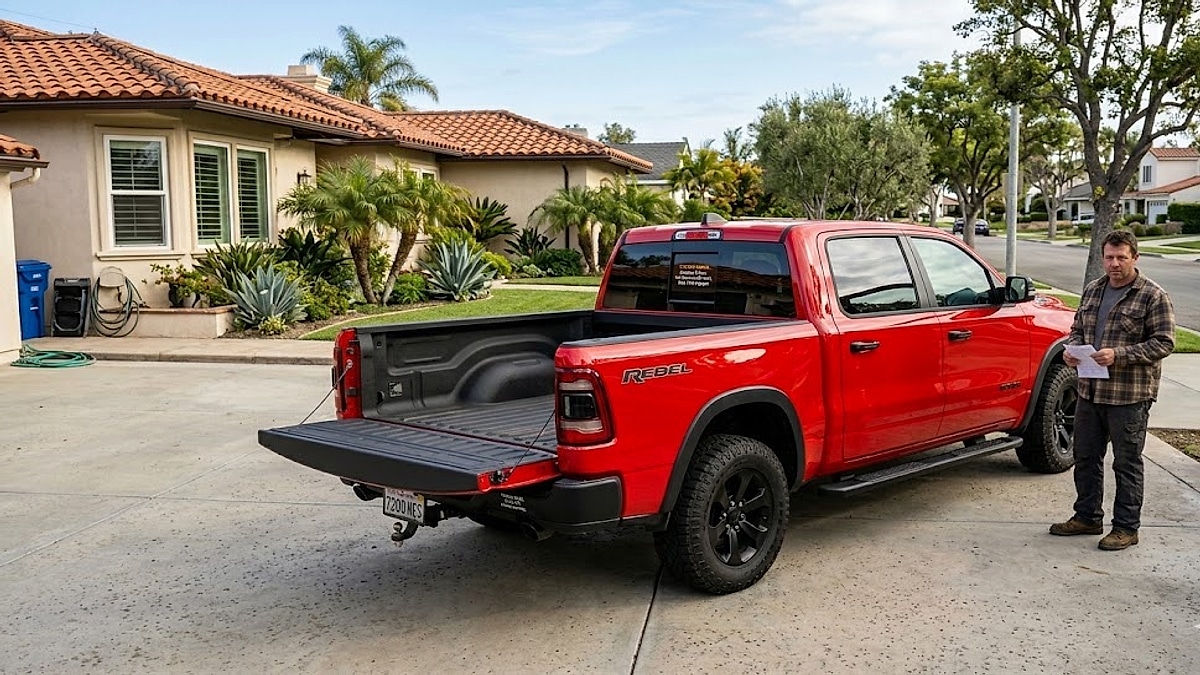
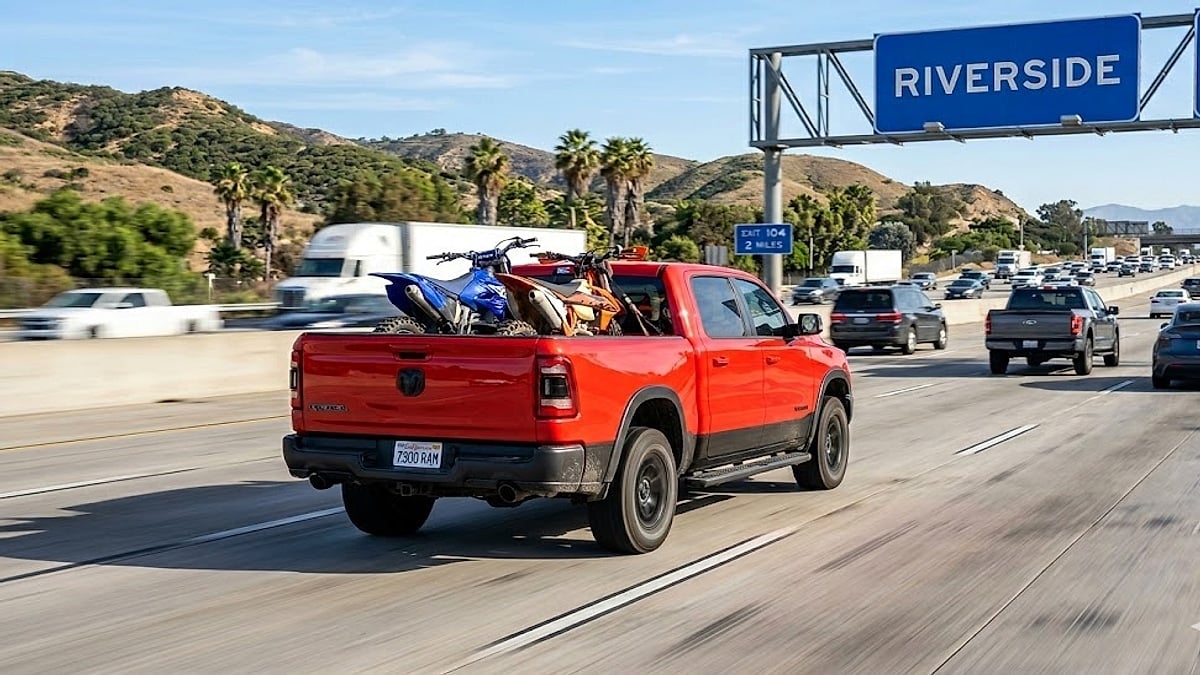
“I’ve had my 2025 Ram Rebel for 11 months and only have 7,300 miles on it. I had a guy pull up next to me yesterday and ask if I’d recommend this truck for his next purchase, and I’m sad to have to tell him to steer clear of the RAMs. Don’t get me wrong, it’s among one of the best-looking trucks in the market right now, but… this truck has been in the shop for various electrical, mechanical, and assorted warranty work 8 times in that 11 months! In addition, there are really annoying quirks that I find extremely unacceptable in a truck. I often haul several dirt bikes in the bed, which requires the tail to be down, and it is annoying AF that the truck constantly reminds me that the tailgate is down (like I forgot to close it), the interior lights stay on, and it’ll continue to drain my battery if left down. This vehicle, like most modern vehicles, also has “safety” features like forcing it back into auto park if you try to reverse the truck with the door open (ex backing it up a few feet). It’s like the vehicle manufacturer has forgotten how trucks are used every day.”
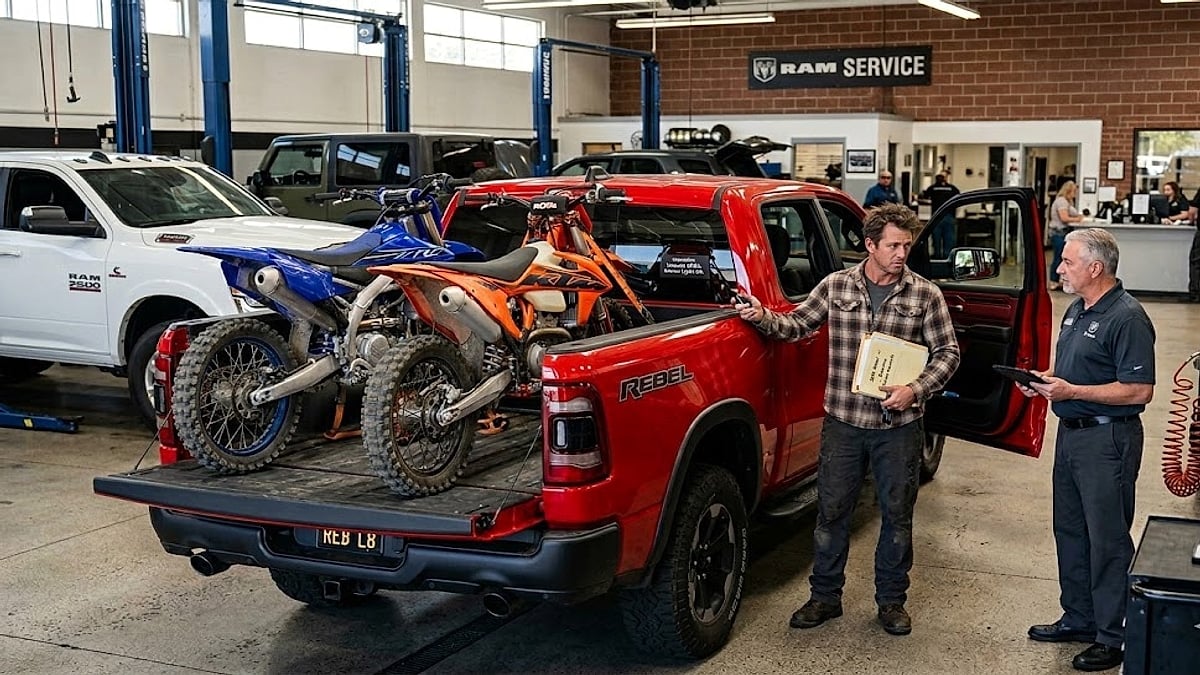
From my view, this is not an isolated "lemon" story. I have been tracking similar reports in which a brand-new Ram 1500 failed an owner just 10k miles in due to major electrical issues, leading to a total loss of confidence in the brand. When you average a service visit every 912 miles, the "new car smell" vanishes pretty quickly. I have seen other owners report that electronic modules can cause major problems even when the truck is new, such as gauge clusters that remain powered on and drain the battery overnight.
My Take: The Utility vs. Technology Conflict
The most frustrating part of Brian’s story is not just the mechanical failures, but the "safety" features that actively prevent him from using the truck like a truck. If you are hauling dirt bikes, the tailgate has to be down. In the old days, you just drove. Now, the 2025 Ram’s software treats an open tailgate like an emergency, keeping interior lights on and draining the battery.
As noted in recent long-term testing by major publications, these trucks have required multiple unscheduled service visits due to issues ranging from radar module failures to integrated trailer control failures. It seems that as these trucks become more like rolling computers, the basic mechanical utility is being sacrificed. Even reputable consumer sites have captured feedback from unhappy customers stating that most of the electronic stuff doesn’t work, and the dealer is often unable to provide a permanent fix.
From My View: Who, How, and Why?
Who is affected? Primarily, owners who actually use their trucks for work or recreation, like Brian. If you use your bed for hauling long loads or dirt bikes, the current sensor architecture is your enemy.
How is this happening? The "How" is a combination of overly sensitive software and parasitic electrical drains. When a truck’s computer cannot distinguish between a forgotten tailgate and an intentional one, it stays in an "active" state, preventing the vehicle from entering "sleep mode" and eventually killing the battery.
Why is Ram doing this? It is a "Safety-First" design philosophy gone wrong. Manufacturers are so terrified of litigation that they implement features like "Auto Park" (which slams the truck into park if the door is open while reversing) without considering how a farmer or a dirt bike enthusiast actually operates a vehicle in the real world.
What You Need To Know
To help you navigate this, here is my breakdown of the current situation with the 2025-2026 Ram models.
- Parasitic Battery Drain: Leaving the tailgate down can keep the truck's CAN bus system awake. If you must leave the tailgate down, consider a battery maintainer or manually turning off interior lights.
- Auto Park Restrictions: The truck will automatically engage Park if it detects an open door while in motion. This is a "hard-coded" safety feature that is difficult to bypass without specialized aftermarket software.
- Service Frequency: Brian's "8 visits in 11 months" is extreme but reflects a growing trend of "software-driven" warranty claims that dealers often struggle to replicate.
- The Warranty Trap: While these repairs are covered, the "Inconvenience Cost" is high. If your local dealer doesn't have a loaner program, you are effectively paying for a truck you cannot drive.
Tech Observations from Owner Communities
I spend a lot of time in the trenches of owner forums, and Brian’s complaints are echoed across the web. In a recent technical discussion on r/ram_trucks, several owners noted that the electrical architecture seems prone to "glitching" during simple tasks. One owner shared their frustration with the battery system, mentioning, "The shit factory ones in mine were causing janky electrical issues. Not an issue since replacing them," which you can read in the full discussion here.
Another owner highlighted the vulnerability of the "proximity" features, mentioning, "I found that deleting the ram app and turning off proximity wake up... fixed it," found in this Reddit thread. Based on my 30 years of experience, this suggests that the truck's "always listening" features are a primary culprit behind the dead batteries Brian and others are experiencing.
Key Takeaways for My Readers
Utility Check: If you frequently haul with the tailgate down, be prepared for persistent chime alerts and potential battery issues.
Test the "Safety" Features: Before you buy, try backing up the truck with the door cracked. If that "Auto Park" jolt is a dealbreaker for you, look elsewhere.
Check Service Records: If buying a used 2025, look for a history of "reflash" or "software update" service orders.
Consider the Competition: As I have reported before, some owners are actually finding more peace of mind in older, slightly higher-mileage trucks that have already had their "tech kinks" worked out.
Next Question: Can a Software Update Fix a Design Philosophy?
The next logical question you might have is: "Can Ram just release a 'Work Mode' software update to fix the tailgate and Auto Park issues?"
The answer is complicated. While a software re-flash could technically adjust sensor sensitivity, the "Auto Park" feature is often tied to federal safety ratings and insurance liabilities. Ram is unlikely to disable a safety feature that protects them from "rollaway" lawsuits, even if it drives truck owners crazy. For the tailgate issue, an update is more likely, but until then, owners are stuck with "Annoying AF" reminders.
Stay Tuned
Brian Long's story is a cautionary tale for the modern era. We want our trucks to be smart, but we need them to be reliable first. When a $70,000+ machine requires eight trips to the shop in less than a year, the manufacturer has failed the customer. I’ll be keeping a close eye on whether Stellantis addresses these "utility-killing" features in the upcoming 2027 refreshes.
Tell Us What You Think: Have you had your truck "fight" you with safety features that make it harder to work? Would 8 service visits in a year be enough for you to trade it in? Leave a comment in the red "Add new comment" link below.
About The Author
Denis Flierl is a 14-year Senior Reporter at Torque News and a member of the Rocky Mountain Automotive Press (RMAP) with 30+ years of industry experience. Based in Parker, Colorado, Denis leverages the Rockies' high-altitude terrain as a rigorous testing ground to provide "boots-on-the-ground" analysis for readers across the Rocky Mountain region, California EV corridors, the Northeast, Texas truck markets, and Midwest agricultural zones. A former professional test driver and consultant for Ford, GM, Ram, Toyota, and Tesla, he delivers data-backed insights on reliability and market shifts. Denis cuts through the noise to provide national audiences with the real-world reporting today’s landscape demands. Connect with Denis: Find him on LinkedIn, X @DenisFlierl, @WorldsCoolestRides, Facebook, and Instagram.
Photo credit: Denis Flierl via Brian Long
Set Torque News as Preferred Source on Google
Follow us today...