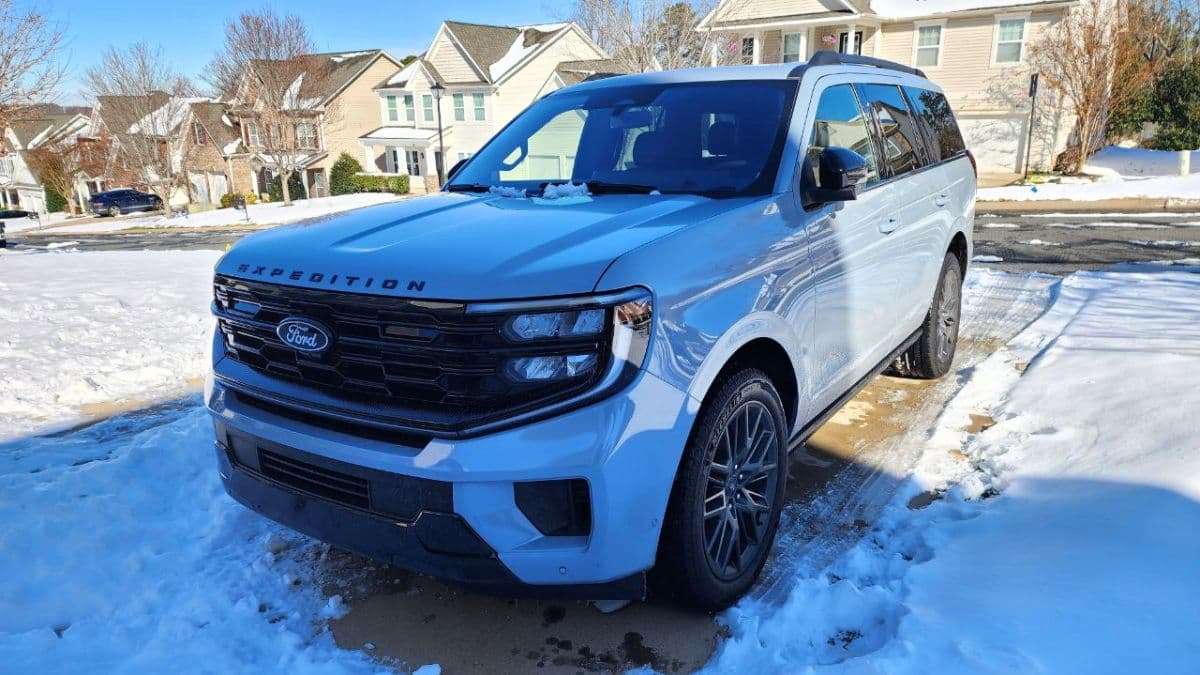

The last time I spent meaningful time driving a large Ford SUV was roughly eight years ago. Back then, Ford’s full-size SUVs did many things well - power, space, towing - but they didn’t always feel cohesive. They were capable, but not especially refined. Comfortable, but not memorable. So when I picked up the keys to a 2026 Ford Expedition Platinum for a full seven-day test drive, I approached it with cautious optimism.
What I didn’t expect was how complete this SUV now feels.
After a week of real-world driving - highways, city streets, uneven pavement, long stretches behind the wheel - the takeaway became clear: Ford has quietly and decisively closed the gap in the large SUV segment, and in some areas, moved ahead. The 2026 Expedition isn’t just bigger or more powerful. It’s calmer, more confident, more comfortable, and far better thought out than previous generations.
This review isn’t about chasing clicks or repeating spec sheets. It’s about helping readers decide whether this vehicle fits their life because that’s what matters when you’re spending serious money on a full-size SUV.
Exterior Design: Big, Yes - But Now Purposeful and Refined
There’s no hiding the size of the 2026 Expedition, and Ford doesn’t try to. What has changed is how that size is communicated. The front fascia is wide and confident, with clean LED lighting and a grille that looks substantial without being aggressive. In Platinum trim, the chrome accents are restrained and tasteful: a smart move in a market where luxury doesn’t always mean shiny.
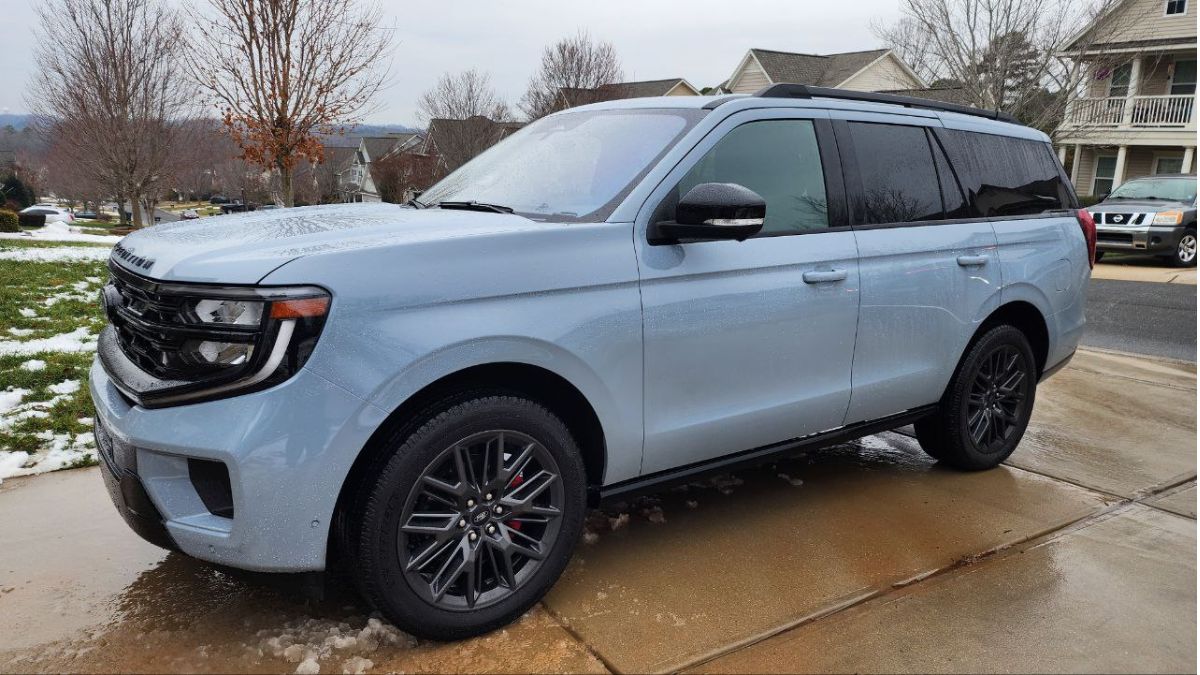
What stood out to me over time wasn’t just how it looked parked, but how the design worked in everyday use. The power-deployable running boards make a huge difference for families, especially with kids or older passengers. They tuck away cleanly when not needed, giving the Expedition a sleeker profile without sacrificing usability.
The split tailgate is another underappreciated detail. In practice, it’s one of those features you don’t think about until you use it, and then you wonder why more SUVs don’t do it this way. Loading groceries, gear, or even sitting down briefly while organizing cargo feels easier and more intentional.
There’s a reason the Expedition is getting broader recognition, including the fact that the 2026 Ford Expedition takes home the award for “Best Large SUV for the money,” as highlighted in Mary Conway’s analysis. That kind of acknowledgment doesn’t happen if a vehicle only looks good in photos. It happens when the design works in real life.
Interior Design and Technology: A Serious Step Forward for Ford
Inside the Platinum trim, the 2026 Expedition immediately signals that Ford has been paying attention. This is no longer an interior that simply aims for “big and comfortable.” It aims for modern, intuitive, and calming - and largely succeeds.
Materials feel genuinely premium. Soft-touch surfaces dominate the cabin, leather upholstery is well-stitched and substantial, and nothing feels like it was added just to fill space. The panoramic sunroof changes the feel of the interior dramatically, especially on longer drives, making the cabin feel open rather than cavernous.
The technology integration is where Ford deserves real credit. The massive digital displays - including the wide driver-focused screen and the central infotainment touchscreen - feel cohesive rather than overwhelming. Graphics are clean, menus are logical, and response times are quick.
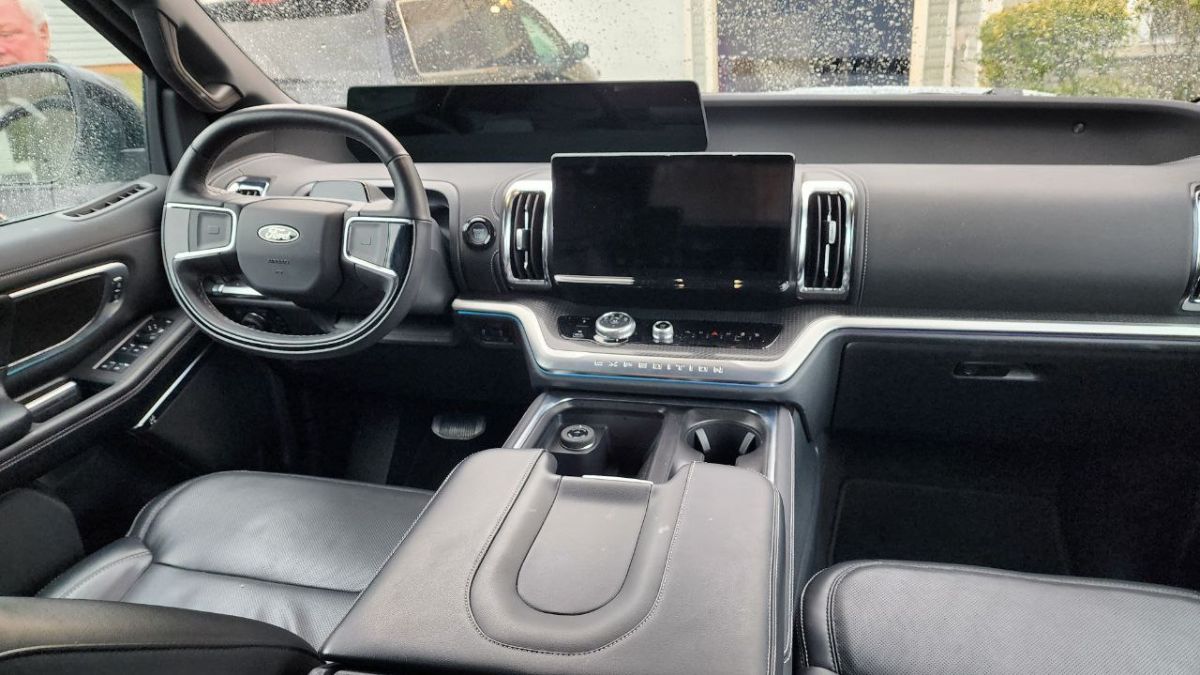
One of the more interesting changes is the modernized steering wheel, which features two square-shaped capacitive haptic touchpads on either side. These control audio, cruise functions, menu navigation, and integrate directly with the digital display. They’re context-sensitive, meaning the same pad can do different things depending on what system you’re using including BlueCruise hands-free driving on compatible highways.
There is a short learning curve, and I won’t pretend otherwise. But after a couple of days, the logic clicks. Once it does, you realize Ford is trying to reduce clutter, not complicate driving, and mostly succeeding.
Second and Third Row Seating: Built for Actual Adults, Not Just Kids
Full-size SUVs live or die by how usable their back seats are, and this is where the Expedition continues to shine.
The second row in the Platinum trim features heated captain’s chairs with generous legroom and excellent seat comfort. These aren’t “good enough” seats - they’re seats you wouldn’t hesitate to spend hours in. Entry and exit are easy, helped by wide door openings and smart step-in height.
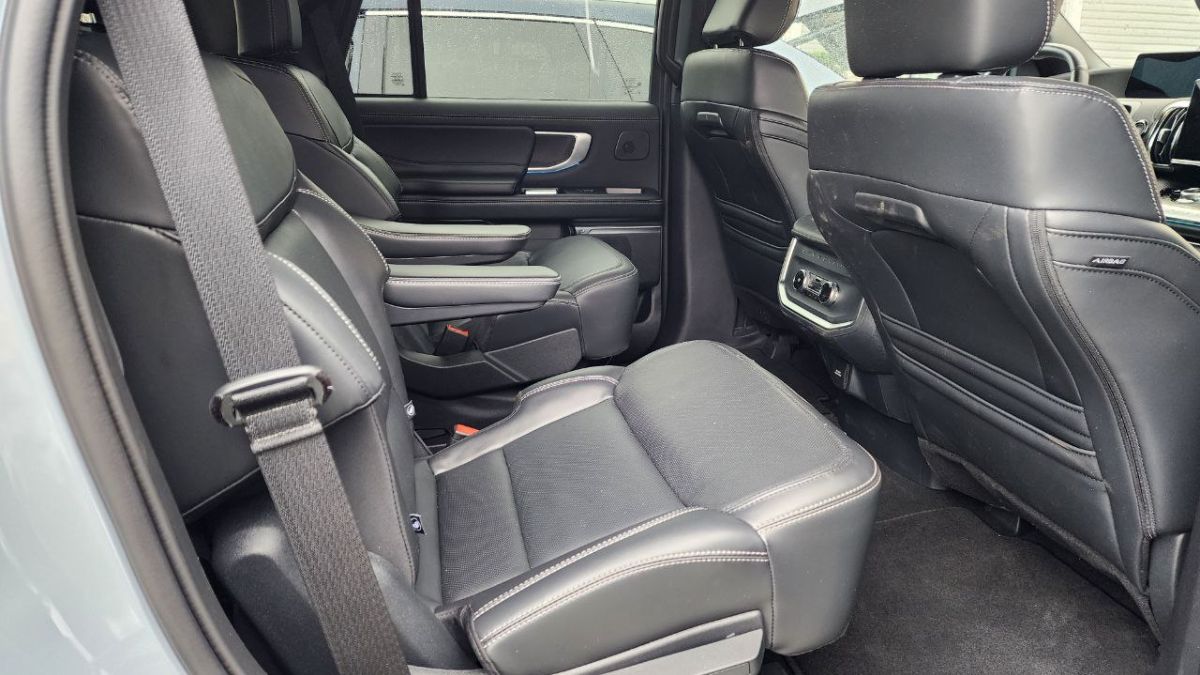
The third row deserves special mention. Too often, third rows are treated as emergency seating. Here, adults can sit back there without immediately regretting it. Power-folding and reclining functions add flexibility, and visibility is better than expected thanks to large side windows.
This is where the Expedition distinguishes itself from competitors that technically offer three rows but functionally prioritize the first two.
Cargo Space: Thoughtful, Flexible, and Honestly Massive
Cargo capacity is one of the Expedition’s strongest arguments, and the 2026 model builds on that reputation. With all seats in place, there’s enough room for real luggage. Fold the third row flat, and you’re suddenly working with a space that rivals some cargo vans.
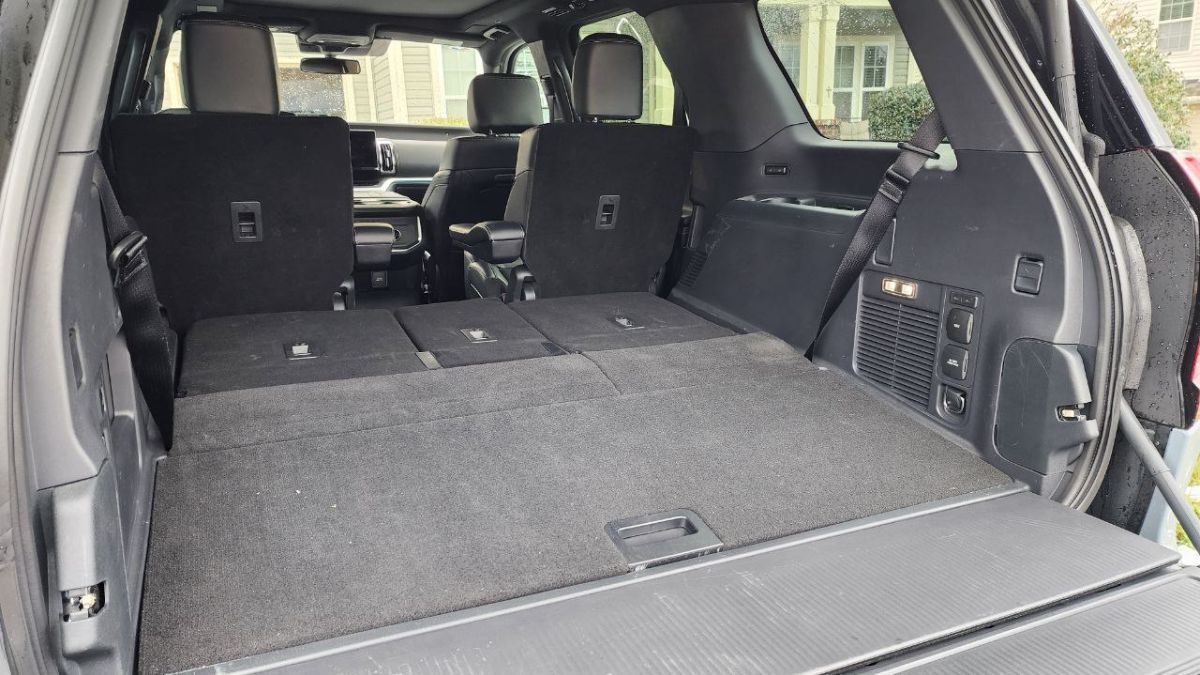
The flat load floor, smart tie-downs, and power-folding seats make it easy to adapt the space depending on the day. Whether you’re hauling home improvement supplies, road-trip gear, or towing equipment, the Expedition doesn’t feel like it’s fighting you.
This is one of the reasons John Goreham’s deep dive into the 2026 Ford Expedition King Ranch resonates so strongly - big vehicles tend to attract big projects, and the Expedition is clearly designed with that reality in mind.
Engine and Power: Effortless Strength Without Drama
The heart of the 2026 Expedition Platinum is Ford’s twin-turbocharged 3.5-liter EcoBoost V6, paired with a 10-speed automatic transmission. On paper, the numbers are impressive. On the road, what matters more is how easily that power is delivered.
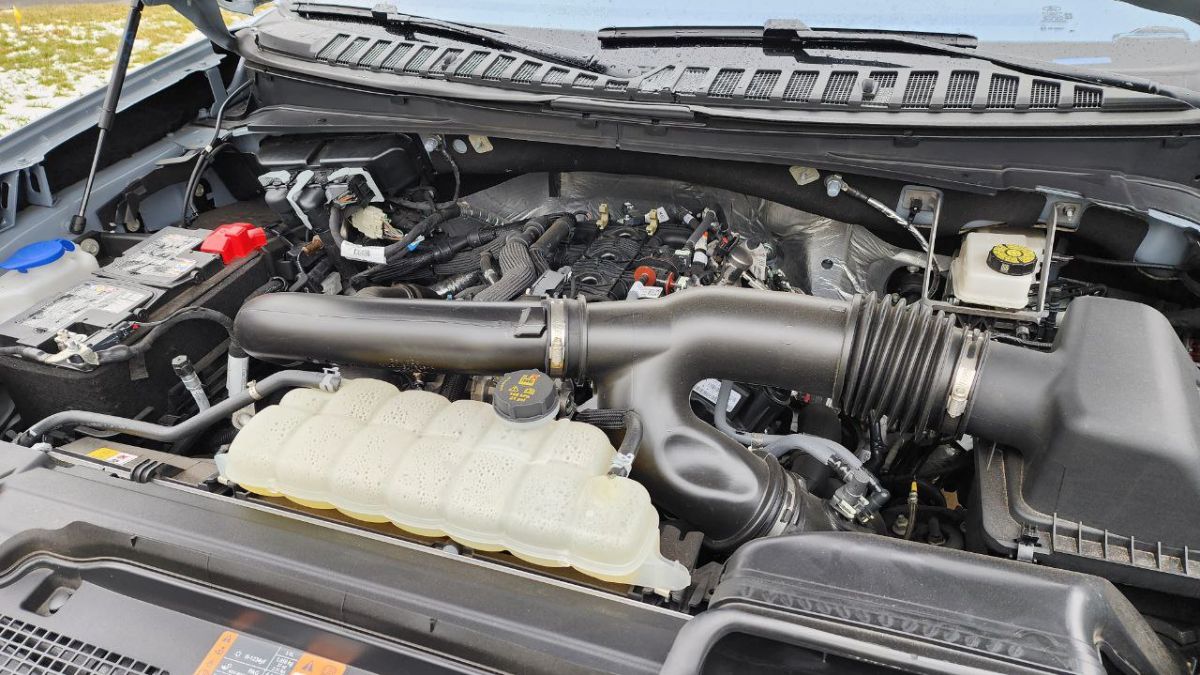
Acceleration is confident and smooth, even with passengers onboard. Merging onto highways feels stress-free, passing slower traffic requires minimal effort, and towing capability remains a major strength of the platform.
What impressed me most wasn’t raw speed - it was composure. The Expedition doesn’t feel strained or noisy when pushed. Power comes on cleanly, the transmission shifts smoothly, and the whole experience feels refined rather than aggressive.
For buyers who want even more punch, Ford offers a high-output version of this engine on certain trims and packages, but for most drivers, the standard setup in the Platinum is more than sufficient.
Ride and Handling: The Biggest Surprise of the Week
If there’s one area where the 2026 Expedition genuinely surprised me, it’s ride quality.
This is a large, body-on-frame SUV. Yet, it doesn’t behave like one. The adaptive suspension does an excellent job smoothing out rough pavement while maintaining control on highways and winding roads. Body roll is well managed, steering is predictable, and long drives feel relaxing rather than tiring.
It’s not pretending to be a sports SUV, and that’s a good thing. Instead, it delivers exactly what buyers in this segment want: stability, comfort, and confidence.
Trim Levels Explained: Where the Platinum Fits
The Expedition lineup offers something for different priorities:
- Active is the value-focused entry point, offering space and capability without luxury flourishes.
- Tremor leans into off-road capability with unique suspension tuning, rugged styling, and all-terrain hardware.
- King Ranch emphasizes distinctive luxury and Western-inspired materials.
- Platinum, the trim I drove, sits at the intersection of refinement, technology, and everyday usability.
What separates the Platinum is balance. It doesn’t chase extremes. Instead, it delivers comfort, performance, and technology in a way that works day after day.
That balance mirrors something I strongly related to in Aram Krajekian’s story quoting an Expedition owner who wasn’t planning on buying a Tremor but came to love its power and design despite small issues. That emotional shift - from skepticism to appreciation - is exactly what happened to me over the course of this test drive.
Why This Review Exists and Why It Matters
As Editor in Chief of Torque News, I spend a lot of time evaluating vehicles not just as machines, but as tools people rely on. Families depend on them. Businesses use them. Adventures are planned around them.
The 2026 Ford Expedition Platinum matters because it represents Ford getting the big things right and the small things smarter. It’s not perfect, but it’s thoughtful, capable, and far more refined than its predecessors.
If you’re shopping in the large SUV segment and wondering whether Ford belongs on your shortlist - this Expedition makes a very strong case that it does.
Ownership Costs of the Ford Expedition, Maintenance, and Long-Term Reliability Expectations
One topic that matters deeply to large SUV buyers, especially families and long-term owners, is what life with the Expedition looks like after the excitement of the test drive fades. The 2026 Ford Expedition continues to use proven mechanical components, particularly the long-running 3.5-liter EcoBoost V6 and the 10-speed automatic transmission, both of which have now accumulated years of real-world data across Ford’s truck and SUV lineup. While no powertrain is immune to issues, this matters because it reduces the “first-generation risk” that often concerns cautious buyers. You’re not betting on an untested drivetrain - you’re buying into something Ford has refined over time.
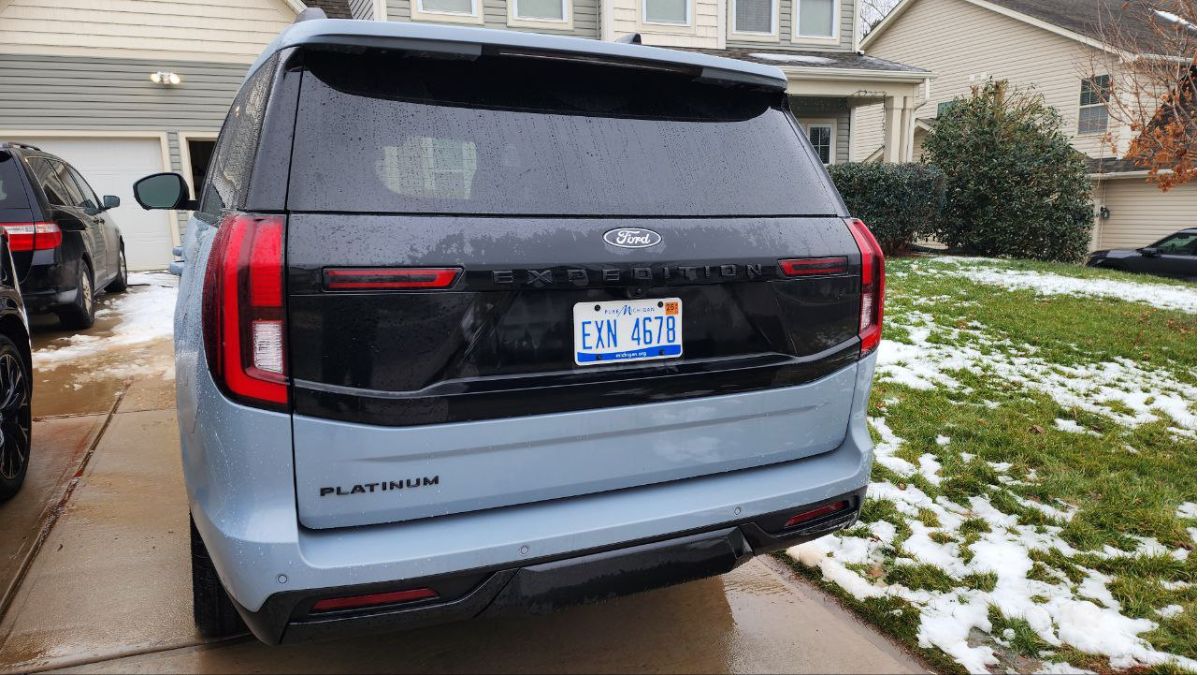
That said, ownership costs won’t be low, and buyers should be realistic. Large SUVs come with higher tire replacement costs, more expensive brake components, and increased fuel usage compared to midsize crossovers. Maintenance intervals are straightforward, but skipping services on a turbocharged engine is not wise. My advice to Expedition buyers is simple: budget for proper maintenance and don’t cut corners. Do that, and the Expedition’s durability outlook is solid, especially compared to newer hybrid-only or highly complex competitors that introduce more long-term unknowns.
BlueCruise and Driver Assistance in Daily Use
Ford’s BlueCruise hands-free highway driving system deserves its own discussion because it plays a meaningful role in how the 2026 Expedition feels on long drives. In supported areas, BlueCruise allows hands-free driving on pre-mapped highways, and in practice, it works smoothly and confidently. Lane centering is natural, transitions are calm, and the system doesn’t feel overly intrusive: a big plus for drivers who dislike constant alerts or steering corrections.
What’s important for buyers to understand is that BlueCruise isn’t about replacing the driver - it’s about reducing fatigue. On long highway trips, especially with family onboard, the system makes the Expedition feel more relaxed and less demanding. The steering wheel’s haptic touchpads integrate directly with this system, allowing you to adjust cruise behavior and settings without digging through menus. For people who routinely do long interstate drives, this technology adds real value beyond the spec sheet and is one of the Expedition’s quieter strengths.
How the Expedition Fits Modern Family and Lifestyle Needs
Beyond specs and performance, the real question many buyers ask is simple: Does this SUV make my life easier? In the case of the 2026 Ford Expedition, the answer is often yes, especially for families with busy schedules. Multiple USB ports across all rows, strong climate control performance, and thoughtful storage placement mean fewer arguments and less frustration on daily drives. Small details like wide-opening doors, power-folding seats, and a low-effort cargo area matter far more over time than headline horsepower numbers.
The Expedition also adapts well to changing needs. One week it’s a comfortable commuter and kid hauler. The next, it’s a road-trip vehicle, tow rig, or gear carrier. That flexibility is why full-size SUVs still exist in an era dominated by crossovers. Ford seems to understand that today’s Expedition buyer isn’t just buying size - they’re buying optionality. And when a vehicle lets you say yes to more plans without stress, that’s real value you feel long after the purchase.
Final Verdict: A Confident, Comfortable, and Genuinely Impressive SUV
After seven days with the 2026 Ford Expedition Platinum, I didn’t want to give it back, and that says a lot.
This is a large SUV that finally feels mature. It’s powerful without being brash, luxurious without being wasteful, and practical without being boring. Ford didn’t just update the Expedition, it evolved it.
For buyers who need space, strength, and comfort, and want to enjoy the drive along the way, the 2026 Expedition Platinum deserves serious consideration. And based on my experience, it’s one of the most complete large SUVs Ford has ever built.
Armen Hareyan is the founder and Editor-in-Chief of Torque News. He founded TorqueNews.com in 2010, which since then has been publishing expert news and analysis about the automotive industry. He can be reached at Torque News Twitter, Linkedin, and Youtube. He has more than a decade of expertise in the automotive industry with a special interest in Tesla and electric vehicles.
Set Torque News as Preferred Source on Google
Follow us today...