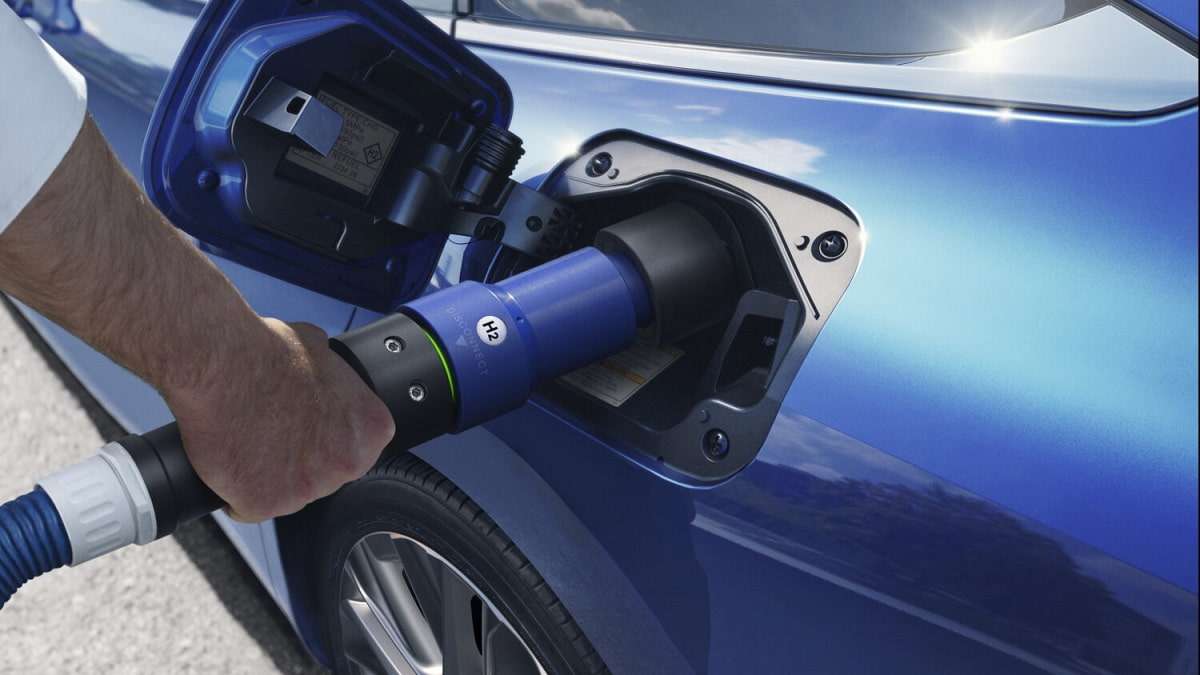

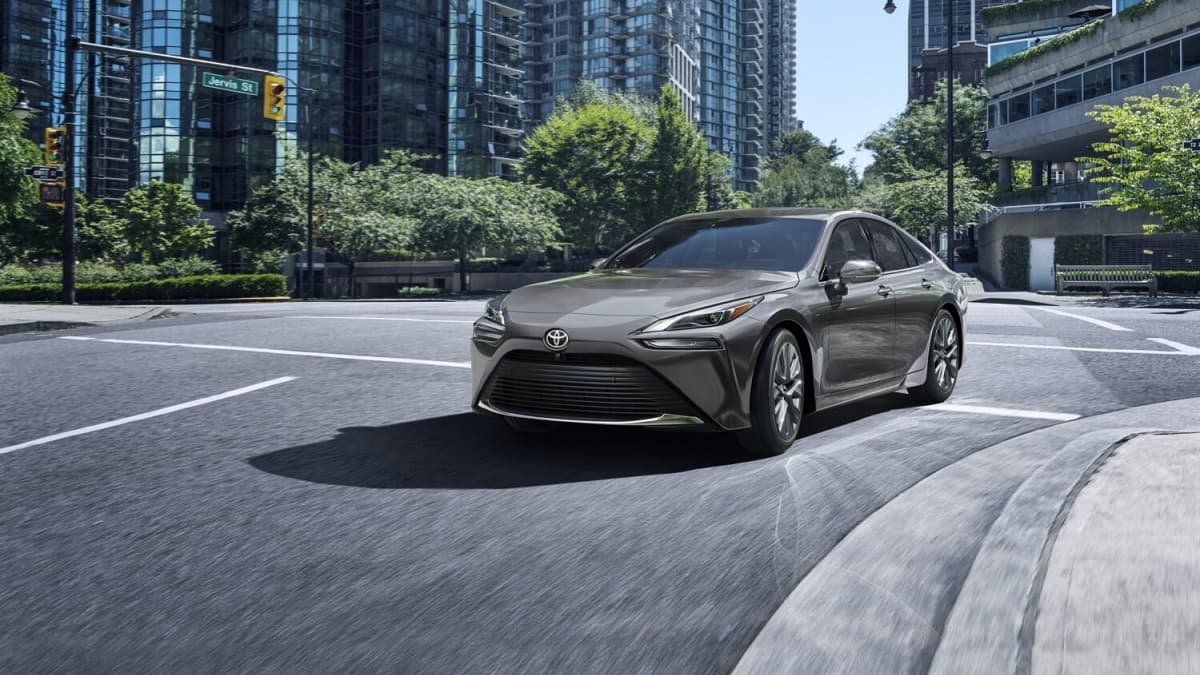
Toyota recently released the Mirai XLE, a mid‑size hydrogen fuel cell electric vehicle (FCEV). Despite how it’s often portrayed in advertising, the dirty little secret about the nascent hydrogen economy is that it isn't clean at all. It’s a Trojan horse designed to help keep the fossil fuel industry alive. It’s frustrating to see something marketed as green when it’s really just another way to cling to outdated, dirty energy.
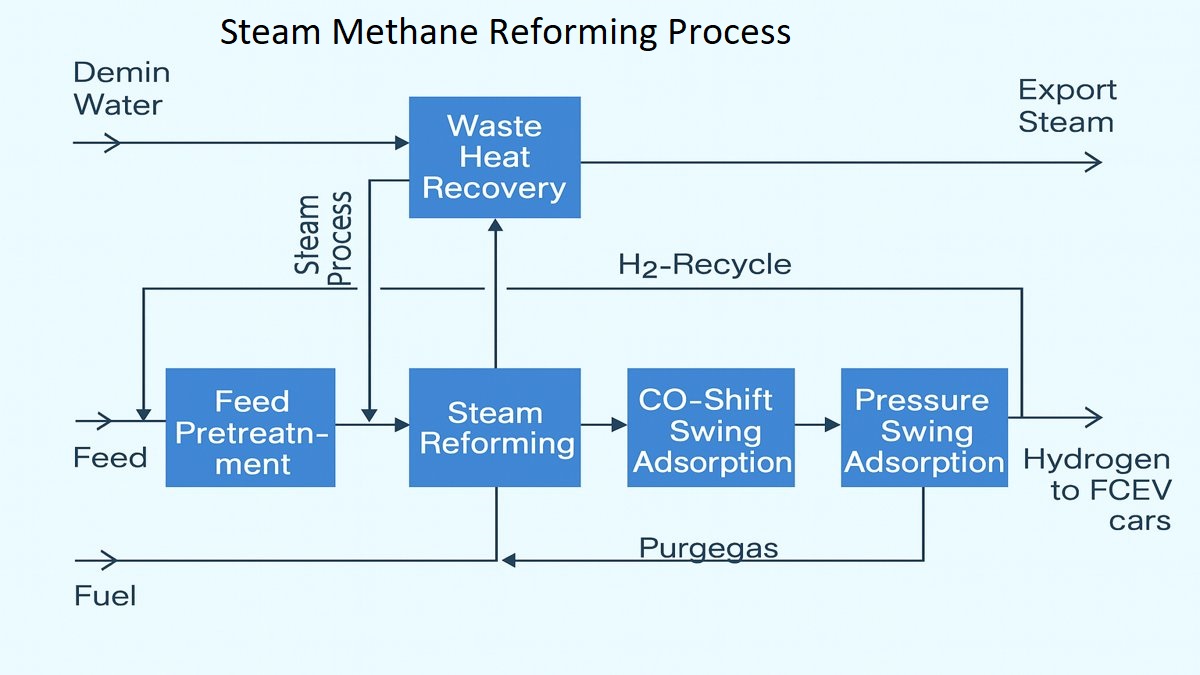
About 95 percent of hydrogen used to power the Toyota Mirai comes from natural gas using a process called steam methane reforming, not clean or “green” methods. In this process, methane reacts with high-temperature steam to produce hydrogen, but it also releases massive amounts of carbon dioxide. What’s worse is that it takes more energy to extract the hydrogen than you get from using it in a vehicle, making the whole exercise a net loss.
When you buy (or lease) a new Toyota Mirai, Toyota includes a hydrogen fuel card preloaded with up to $15,000 which is enough to cover about 30,000 miles of driving. It’s valid for six years from the date of purchase. This rather strange situation has created a perennial discussion on social media. Here’s a recent post on Reddit by EpicFloyd:
“Car cost for driving experience is the best of any car on the road. Love driving my Toyota Mirai. Have done road trips in CA and it is awesome. Never been stranded, just takes planning and tracking station status on app. As long as the Toyota hydrogen card holds out the car is absolutely amazing and my favorite I’ve owned - for now. I can’t believe I got high end Lexus interior and legendary build quality for 20 grand. But there are serious future drawbacks and a reason you get a $60 grand experience for 20.”
bmn001 responded with:
“$95 to fill up
Advertising
205 miles per tank (it's a 2017)
I didn't exhaust the fuel card that came with my lease. I bought the car at the end of my lease (back then H2 was a lot cheaper) and a fuel card was not included, so now I'm paying out of pocket.
This is a very expensive car to drive. :( ”
godsays_hello added:
“Good car. How much will it cost eventually? Uncertainty looms as no one knows what the future price of H2 will be…and need to factor in the future state of pumps and stations.”
On average, driving a Mirai in the U.S. will cost a whopping $0.40–$0.65 per mile. By comparison, it costs approximately $0.14–$0.20 per mile to drive a gas-powered car in the U.S. and about around $0.05–$0.06 per mile to drive an electric vehicle. These estimates are based on the following.
- Gas-powered: Cost is based on a typical gas price of ~$3.50/gallon and average fuel efficiency (~25 MPG).
- EV: Cost is based on using average electricity rates of $0.16–$0.17/kWh.
- Mirai FCEV cost is based on hydrogen priced at $36/kg. With a full tank around 5.0–5.6 kg, fueling costs reach approximately $180–200 for a ~300–400-mile range. Even at a lower rate of $25/kg, a fill-up still costs about $125–140 for similar mileage. That places hydrogen fuel costs at roughly $0.40–$0.65 per mile, which is significantly higher than electricity for EVs or gasoline.
At first, the $15,000 hydrogen fuel card Toyota gives to new Mirai buyers feels like a generous gift. It promises around 30,000 miles of “free” driving, and for a while, it actually works. However, the illusion doesn’t last. Once the card runs out, reality sets in. Drivers suddenly face fuel costs that can be sky-high, with some paying up to $200 per fill-up. It feels eerily similar to those buy-now-pay-later schemes or overly optimistic EV leases that look good up front but leave you holding the bill later. The problem is, we’re not just talking about payments, we’re also talking about a hydrogen fuel infrastructure that is barely exists. Lifecycle costs can catch even the most informed buyers off guard. Just look at Reddit or Facebook. You’ll find confessional after confessional from drivers who feel misled by the promise of sustainability and affordability. The frustration is real. Incentives that mask long-term costs can feel like traps.
Another challenge with the Mirai is finding a place to refill. There are only a few dozen hydrogen stations open in all of California and virtually none in the rest of the country. Also, the Mirai is only sold in California which is the only state with a workable network of hydrogen fueling stations.
Challenges aside, the Mirai sets itself apart from other Toyotas with a luxurious, Lexus-like interior. The cabin boasts a sleek, high-quality design and comes well-equipped with advanced technology, giving it an upscale feel that enhances its appeal. With a 0-60 MPH time of 9.1 seconds, the Mirai isn’t as fast as battery electric vehicles, but it makes up for it with a smooth, refined ride and surprisingly agile handling. The driving experience is calm and composed, making it more about grace than speed.
The price of the 2025 Toyota Mirai starts at $52,990, and the 2025 model has been stripped down to one trim level, the XLE.
Please Drop Your Thoughts in the Comments Below
Is a smooth ride and upscale interior worth the hassle of planning every fuel stop?
Do you think hydrogen cars are truly “green,” or are they just a distraction from real clean energy solutions?
Chris Johnston is the author of SAE’s comprehensive book on electric vehicles, "The Arrival of The Electric Car." His coverage on Torque News focuses on electric vehicles. Chris has decades of product management experience in telematics, mobile computing, and wireless communications. Chris has a B.S. in electrical engineering from Purdue University and an MBA. He lives in Seattle. When not working, Chris enjoys restoring classic wooden boats, open water swimming, cycling and flying (as a private pilot). You can connect with Chris on LinkedIn and follow his work on X at ChrisJohnstonEV.
Image sources: Toyota media kit, AI
Set Torque News as Preferred Source on Google
Follow us today...