
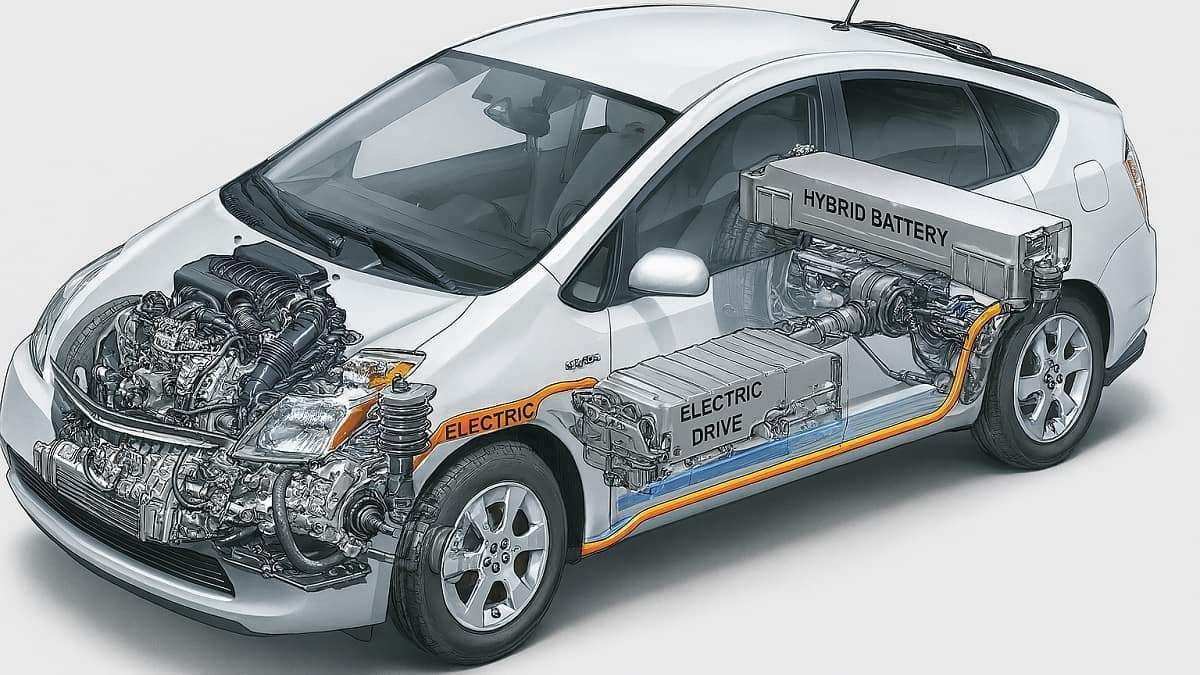

Plug-in hybrid electric vehicles (PHEVs) are turning out to be a reliability nightmare, with Consumer Reports revealing they suffer nearly 150 percent more problems than other cars. The reason? These vehicles are a mashup of a gas engine and an electric drivetrain, creating a complicated system with far more ways to break down. From squeaky brakes to charging failures, PHEVs are vulnerable to every issue on the list of 20 problem areas tracked by Consumer Reports. While drivers may think they’re getting the best of both worlds, they could be signing up for the worst of both instead.
This hasn’t gone unnoticed by social media. There are several long threads on Reddit, this one is posted by Kinky_Imagination:
“People note that ICE vehicles are more complex compared to EVs and therefore more costly to maintain.
Wouldn't the hybrid be twice as expensive to maintain as there are basically two systems?
I don't see how it's the best of both worlds. The gas mileage while better, isn't THAT much better and as I mentioned now you have two systems to maintain which may negate any fuel savings.”
2020 Ioniq EV responded with:
“Most of my cars during my driving career so far have been 5-10+ year old ICE cars that required major maintenance. I was able to get them cheap because of it, and learned to do my own work on them to offset maintenance costs. When I finally decided to buy my first new car, hybrid wasn't even a consideration because the idea of having to maintain the ICE components with the risk of the EV components being big impact costs just turned me off to the concept entirely. My first ever new car ended up being a budget EV, and 4 years on I’m still driving it every day and it just passed safety inspection with no required maintenance or changes.
Between low/negligible maintenance and not having to go to the gas station for fuel at all, I haven't regretted going full EV one bit even though I don't have one of the 200+ mile rated EVs.”
Final_Alps added:
Advertising
“Yes it has two systems. But on the gasoline car the wear and tear happens during acceleration and breaking. And the hybrid system takes care of those tasks majority of the time meaning there is way less maintenance.
Priuses have some of the lowest maintenance costs of any non EV. It’s because you hardly ever need things like oil changes, timing belts or brakes.”
The secret reason why we have hybrids (hint: it’s partly the dealer groups)
Hybrid vehicles like the Toyota Prius have long served as a strategic compromise between automakers and some independent dealer groups that sell and service their vehicles. Automotive dealers earn most of their profits from “the back of the store” by servicing and maintaining vehicles, not from selling cars. Oil changes, tune-ups, and brake work keep the service bays busy and profitable. Finding additional work to do on a gas-powered vehicle can be like a treasure hunt for service technicians. Because electric vehicles are far less complex and dramatically reduce service needs, some dealer groups have resisted a shift to all-electric cars. Hybrids, which combine gas engines with electric drivetrains, were a way to satisfy both the consumer demand for fuel-efficient vehicles and the dealers’ desperate need to preserve service revenue.
As gas prices continue to increase, even a highly efficient hybrid like the Toyota Prius or RAV4 begins to look expensive. Even if prices fall to half that level, you are still paying significantly more than you would for electricity. In many areas, the electric equivalent of a gallon of gas costs less than 80 cents. That difference adds up fast, especially if you drive regularly. Fuel savings are one of the clearest advantages of going fully electric.
A decade ago, hybrids were essential. Batteries were too weak to offer meaningful range, and charging stations were rare. But that world has changed. Today, many electric cars offer over 300 miles of range, and public charging stations are increasingly common. Try pulling up Google Maps and searching for EV chargers in your area, you may be surprised at how many you’ve driven past without noticing.
It’s time to kill Frankenstein. Hybrids like the Toyota Prius played an important role in easing the transition to electric vehicles. They helped consumers adjust to new technology and gave automakers time to refine EV designs. But the landscape has changed. With better batteries, more charging stations, and lower energy costs, the case for hybrids is fading. They were good for their time, but that time is ending. It is time to move on.
You have three basic choices when buying a car: battery electric vehicles (EVs), plug-in hybrid electric vehicles (PHEVs), and internal combustion engine (ICE) vehicles. Buying a car should be simple, but it can quickly turn into a confusing and frustrating experience. The more you learn about gas-powered, plug-in hybrids, and electric vehicles, the harder it can become to choose. Every option promises something different, and the fear of making the wrong call, and wasting thousands of dollars, looms large.
Gas stations are annoying, overpriced, and dirty, but they are everywhere. That convenience is hard to beat. Charging stations are growing in number, but they still are not as widespread. If you live in an area without reliable access to chargers, sticking with gas might feel like the safer choice, but the overall cost of ownership will be much higher than owning an EV.
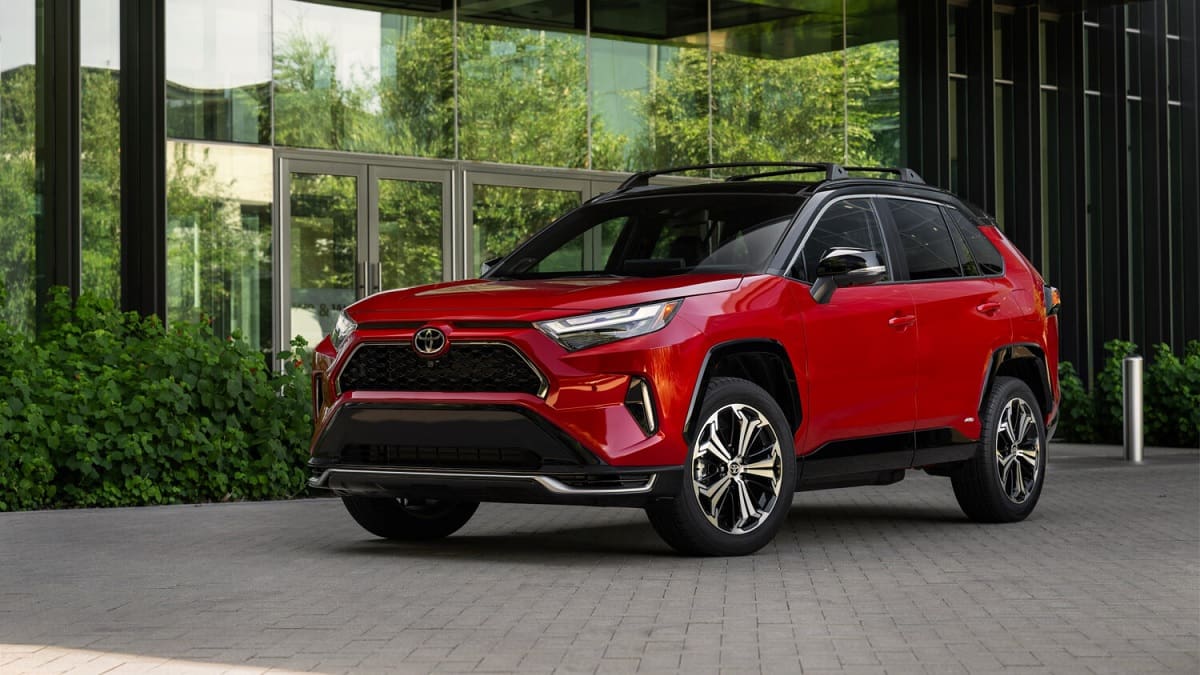
Plug-in hybrids offer short electric-only ranges for daily driving, often around 40 miles, while still using gas for longer trips. For example, the Toyota Prius Prime can drive about 44 miles on battery power only. If you drive less than 50 miles a day, this could save a lot on fuel. They qualify for government rebates, which helps with the higher upfront cost. However, they are heavier, slightly less efficient than regular hybrids, and still need oil changes. If your commute is long or you cannot charge at home, the benefits may fade quickly.
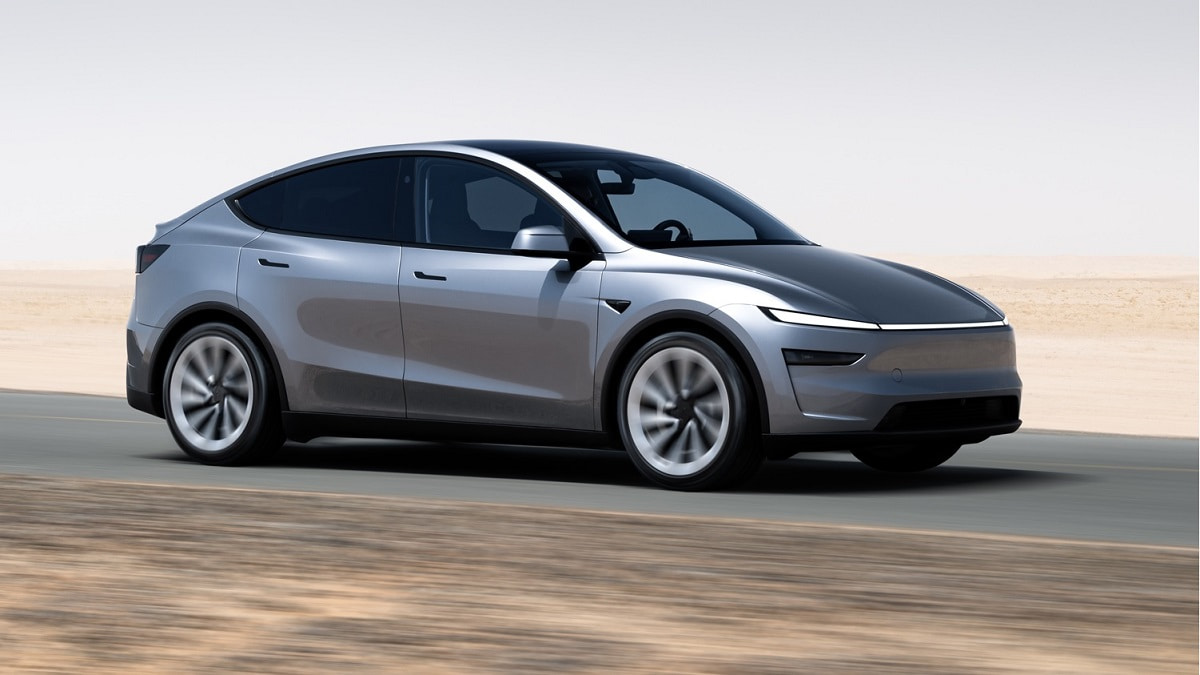
Electric vehicles are fast, fun, and incredibly cheap to operate, especially when charged at home. The real cost of EV ownership can be incredibly low. A 280-mile range can cover most daily needs and even some weekend getaways. But concerns remain such as how their range drops in cold weather or at high speeds.
The conflict is real. The Prius Prime or RAV4 Prime makes the most financial sense, especially when factoring in rebates, range, and reliability. But the excitement of an EV like a Tesla is hard to ignore. It is fun, it is fast, and it feels like the future. If you drive a gas car, you might spend around $36,000 on fuel over 10 years. A plug-in hybrid might cost around $12,000, and a full EV just $3,000 if you charge at home. The EV offers the biggest savings.
For high-mileage drivers, plug-in hybrids are still a smart choice. For those with shorter commutes and the ability to charge at home, EVs offer a great choice at a compelling value. If you have a one vehicle household, the decision to by an EV or a plug-in hybrid can be tricky.
Please Drop Your Thoughts in the Comments Below
What’s been your most expensive surprise owning a hybrid or EV?
Do you think plug-in hybrids are still worth it, or are they just a stepping stone that’s past its time?
Chris Johnston is the author of SAE’s comprehensive book on electric vehicles, "The Arrival of The Electric Car." His coverage on Torque News focuses on electric vehicles. Chris has decades of product management experience in telematics, mobile computing, and wireless communications. Chris has a B.S. in electrical engineering from Purdue University and an MBA. He lives in Seattle. When not working, Chris enjoys restoring classic wooden boats, open water swimming, cycling and flying (as a private pilot). You can connect with Chris on LinkedIn and follow his work on X at ChrisJohnstonEV.
Image sources: AI, Toyota media kit, Tesla media kit
Set Torque News as Preferred Source on Google
Follow us today...






Comments
I think Toyota hybrid is…
Permalink
I think Toyota hybrid is made so simple that it is not a problem. The transmission/electric motor combination is the most simplest "automatic gearbox" ever made, period. It's more reliable than manuals because no need for clutch or dual mass flywheel. Battery is small and can be fixed. The 2zr-fxe engines too are simple to reliable. Just have to keep cooling system maintained.
Electric cars could be the most reliable choice, if automakers would make them so.
But $5000-10000 for a motor that fails because a $1 gasket leaks coolant into coils is just wrong. Or $15000-50000 for a battery pack if one tiny component is broken.
I love electric vehicles, they are so smooth, quiet and powerful. Prius is no EV but it has some of that same feeling. But i cannot take the economical risk with EV if something goes wrong.
So 2018 Prius+(V) was my choice. I bought it with 163tml and plan to keep it many years.
ps. That picture is way off from real Prius.
I have owned a Toyota Prius…
Permalink
I have owned a Toyota Prius for 10 years and have had zero problems with it. However, I can say that Toyota has the first and best hybrid system. Other car companies may still need to advance their systems.
We sold our 2009 Toyota…
Permalink
We sold our 2009 Toyota Prius with 200,000 miles in December. We replaced one wheel bearing and oil changes. Never did anything else to it. Never cleaned anything special, did any other maintenance except oil changes. We replaced interior cabin filter 3 times, engine air filter 4 or 5 times.
We got more than our money worth. To us it wouldn't have been worth spending any money or time on anything else to get any additional time out of the car.
Brad, I sold my 2007 Prius…
Permalink
In reply to We sold our 2009 Toyota… by Brad Lawler (not verified)
Brad, I sold my 2007 Prius last year with 402k and running well. Similar needs as yours, plus it’s’ first and only brake pads and shoes at 260,000 miles.
When my daughter was four…
Permalink
When my daughter was four she found a stick and carved her name into the door of my Prius. At 24, she was using the same car to commute to grad school. Twenty years and more than 200k miles it’s absurd how reliable it’s been. Time, elements and some wonky drivers haven’t been kind to the body so my big dilemma is whether I drop a few grand on a paint job. Not complaining. Meanwhile my new prime gets about 35 miles on a charge. My wife’s commute from home to work to shopping and friends seldom tops 25. Sometimes it’s months between fill ups. And zero range anxiety.