
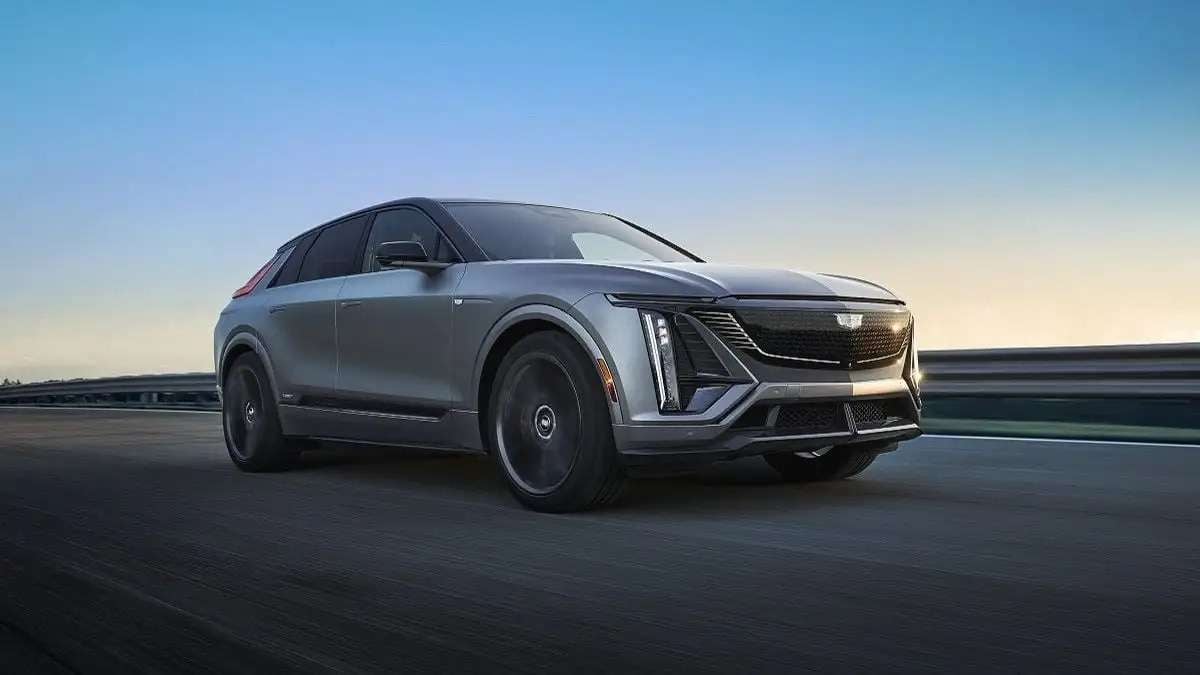

As the automotive industry modernizes with direct to consumers models from companies like Lucid and Rivian, tradition auto dealerships seem to be struggling with basic customer service. Difficult dealer experiences, especially when it comes to buying EV, can be seen across social media car communities. Here’s a recent comment from the r/CadillacLyriq subreddit:
“I had the most horrific experience I have ever had at a car dealership. The sales manager ruins the reputation of this dealership. We spent two consecutive days at the dealership finalizing a deal on a car. When we came in to finalize paperwork, we were shocked their sales manager who we never worked with before gave us a number $10k over the number their general manager gave us the day prior even when I showed them the quote.
When trying to ask questions about the numbers, their manager immediately was extremely rude, short with answers, and unwilling to provide clarity. Also, the car posting online mysteriously vanished when we got there in what seems like an effort to cover their tracks.
At some point when we decided to leave, he quickly tried to snatch the quote from my husband’s hands so hard it caused it to rip. He then stormed off and quickly hobbled back over and told us it’s Cadillac property and to leave. He did nothing but unnecessarily escalate a situation instead of answering questions customers deserve an answer to when making a large purchase.”
LaneMeyer_1985 responded with a helpful suggestion:
“I don’t mess with dealerships anymore. Seriously. If a dealership is involved at any point in any way, I’m out. Buying online has been the only way for me for the past five years or so, and you couldn’t make me go back for anything.”
Car dealerships have evolved from small local businesses into large corporate networks that dominate the car buying experience. The structure of franchise laws, shifting market conditions, and the complexity of vehicles have created an environment where shoppers often feel overwhelmed and vulnerable. A slow, informed approach helps reduce stress, and for many buyers, a used vehicle or alternative transportation offers a more comfortable path forward.
History Of Car Dealerships
Car dealerships started as small family run businesses that took on significant risk by buying and maintaining inventory. Early state franchise laws were created to protect these local dealers by preventing car manufacturers from selling directly to consumers. The initial intent was to preserve competition and support neighborhood businesses. However, the landscape has shifted dramatically over time making these laws effectively anticompetitive and not in the best interest of consumers.
Rise Of Mega Dealer Groups
Large dealer groups slowly bought out independent dealerships, leading to the dominance of companies like AutoNation, Lithia, and others. These mergers changed the competitive environment and pushed out many of the small operations the franchise laws were supposed to protect. Customers now often deal with powerful regional or national networks that have little incentive to keep pricing fair.
How Pricing Works Behind the Scenes
Dealers purchase cars at wholesale, often at prices lower than the invoice thanks to discounts or holdbacks. Holdbacks are manufacturer refunds that artificially inflate the invoice price, then pay money back to the dealer once the car sells. This means dealers can sometimes sell at invoice and still profit, leaving customers unaware of the actual margins involved.
How Pricing Works for Shoppers
Manufacturers provide an MSRP, yet dealers are not required to follow it. Many buyers expect firm prices because that is how most retail works in North America. The dealership environment changes that expectation. Dealers often add security packages, aesthetic upgrades, extended warranties, or questionable service fees. These extras create confusion, increase profit, and make the final price unpredictable.
Why Dealerships Create Anxiety
Buying a car is one of the biggest financial decisions most people make. Many shoppers feel pressure because the vehicle affects identity, safety, practicality, and long-term cost. Cars are complex machines, and most buyers cannot easily evaluate warranties, insurance needs, or upgrade options. This imbalance creates a stressful environment where shoppers rely on salespeople to guide them.
Sales Tactics and Add Ons
Sales staff are often incentivized to upsell products that offer emotional reassurance. Key insurance, windshield protection, and extended warranties are presented as safety measures, even when the value is questionable. In moments of stress or fatigue, buyers may agree to products they do not need. Some dealers even modify vehicles before they are displayed, making certain add ons impossible to decline.
The Impact of Post Pandemic Market Conditions
The pandemic disrupted supply chains and reduced car production, while demand surged once restrictions lifted. With limited inventory, dealers lost any incentive to negotiate. Prices climbed far above MSRP for desirable models, sometimes by tens of thousands. Buyers accepted these markups because waitlists were long and alternatives were scarce.
Manufacturers Frustrated with Markups
Automakers dislike extreme markups because they damage brand reputation and can even destroy demand for certain models. Since franchise laws prevent direct sales, manufacturers are often stuck watching dealers inflate prices. This tension has motivated companies like Ford to explore online only, fixed price systems inspired by Tesla.
Shift Toward Direct-to-Consumer Models
Tesla, Rivian and Lucid sidestep dealership laws by using showrooms that display vehicles without selling them directly. Buyers complete the purchase online after leaving the property. This workaround has pushed legacy automakers to consider similar approaches. A future with more factory-controlled pricing could reduce dealership influence but may introduce new challenges.
The Cost of Constant New Car Pressure
The industry constantly pushes new models even though cars require vast resources to build. Most improvements are incremental and many buyers do not need a brand-new vehicle every few years. Used cars remain expensive, which makes ownership harder for people who rely on personal transportation in most North American cities.
Living Without a Car or Buying Used
Some people choose car free living in walkable cities or rely on car sharing services. Others turn to used vehicles to reduce financial stress. Used cars can be more practical, less intimidating, and far cheaper than buying new. Slowing down, doing research, and exploring options outside of high-pressure dealerships can make the process more manageable.
The Cadillac Lyriq
The Cadillac Lyriq is one of the most impressive new electric SUVs on the market, offering a blend of luxury, quiet power, and futuristic design that feels genuinely fresh. It launched in 2022 as Cadillac’s first mass produced EV, showing the brand’s commitment to an electric future. Drivers appreciate the smooth ride, the spacious interior, and the large curved display that gives the cabin a modern feel. The Lyriq stands apart from other EVs because it combines premium comfort, strong range, and a uniquely calm driving character, giving buyers a vehicle that feels refined without being overly complicated.
What Do You Think?
Have you ever had a dealer change the price after you already agreed on a number, and how did you handle it?
Have you tried buying a car entirely online, and did it feel more transparent than working with a dealership?
Chris Johnston is the author of SAE’s comprehensive book on electric vehicles, "The Arrival of The Electric Car." His coverage on Torque News focuses on electric vehicles. Chris has decades of product management experience in telematics, mobile computing, and wireless communications. Chris has a B.S. in electrical engineering from Purdue University and an MBA. He lives in Seattle. When not working, Chris enjoys restoring classic wooden boats, open water swimming, cycling and flying (as a private pilot). You can connect with Chris on LinkedIn and follow his work on X at ChrisJohnstonEV.
Photo credit: Cadillac media site
Set Torque News as Preferred Source on Google
Follow us today...





Comments
I cannot understand why…
Permalink
I cannot understand why anyone actually goes to a dealership to negotiate the purchase of any car. I have not for me, family or close friends over the last 40 years.
Dealerships are for evaluating a car you are considering buying.
Once I know the car wanted, I just call the dealership, ask for the sales manager, give him the stock number of the car I want to buy and tell him I would like to buy it that day, agree on a price (if so), offer him a deposit on it on my credit card (they never take one) and arrange to have the car delivered to at a convenient time that same day or the next.
I cannot understand why people do the above at the dealership.