
We live in interesting times and the U.S. electric vehicle market is no exception. The landscape is evolving rapidly. Global EV sales are projected to reach around 22 million units in 2025, with nearly one in four new cars sold powered by electricity. While China and parts of Europe are racing ahead with widespread adoption, the U.S. market is driving into a bumpy phase. Incentives are shrinking, competition is heating up, tariffs are wreaking havoc on supply chains, and uncertainty abounds.
Tesla’s recent struggles in California signal a turning point. Once the undisputed leader in American EV sales, Tesla is now experiencing a sharp decline in its most important domestic market. At the same time, Chinese automaker BYD is making headlines for dominating global EV sales yet holding off from entering the U.S. Lucid Motors, with its new Gravity SUV, is positioning itself as a premium alternative, betting that American buyers will pay more for refinement, performance, and innovation. Other players like Hyundai, Kia, Ford, Volkswagen, and Rivian are also gaining traction, adding layers to a market that is anything but settled.
BYD’s Strategic Delay in the U.S.
BYD is one of the largest EV manufacturers in the world, yet its absence from the U.S. consumer market raises questions. Some speculate that its vehicles may not meet U.S. safety standards, though this is probably a misconception. BYD has already passed rigorous testing in Europe and other regions with comparable regulations.
Rather than technical limitations, the delay seems to be strategic. Entering the U.S. involves significant costs, from regulatory approvals to building a dealership or direct-to-consumer infrastructure. BYD has chosen to focus its energy on high-growth markets like Southeast Asia, Latin America, and Europe, where demand is soaring and barriers to entry are lower. Once it solidifies its presence and brand reputation in those regions, BYD may find itself better equipped to make a run at the U.S. market.
Tesla’s Slide in It’s Biggest Market
In the second quarter of 2025, Tesla’s registrations in California dropped by 21 percent year-over-year. This marks the second consecutive quarter of declining sales in a state that has historically served as the company’s stronghold. While Tesla still leads by a wide margin in total EV market share, the margin is narrowing. Legacy automakers and startups are taking bites out of the segment with newer models, fresh designs, and competitive pricing.
Several factors are driving Tesla’s decline. While most CEOs have the good sense to say out of politics, Tesla CEO Elon Musk’s polarizing public image has affected brand loyalty, particularly among coastal consumers who once championed Tesla as a symbol of clean innovation. Meanwhile, other automakers have capitalized on policy incentives, rolling out vehicles that qualify for federal tax credits and appeal to price-sensitive buyers.
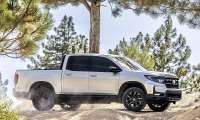
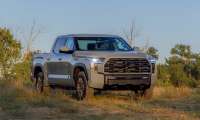
Brands like Hyundai and Kia have gained traction with the Ioniq 5 and EV6. Ford continues to push forward with the Mustang Mach-E and the F-150 Lightning. The Chevy Equinox EV is one of the most affordable SUVs and the top-selling non‑Tesla EV. These brands are capturing interest from drivers who are ready to embrace electric but are seeking alternatives to Tesla.
You Are What You Drive
What used to be a tech choice is becoming a cultural one. For many, buying an EV is no longer just about skipping the gas station. It’s about choosing a side, or choosing something that speaks to who you are.
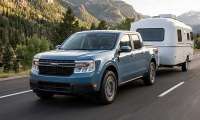
In liberal strongholds, the mood is shifting. Some early adopters are stepping back, uneasy with Elon Musk’s political stances and the way Tesla has moved from rebel to status symbol. The result is a reshaping of who buys EVs and why. Red states are stepping in, driven by new factory jobs, better charging access in rural towns, and the undeniable pull of performance. Electric trucks like the Rivian R1T and Ford F-150 Lightning are doing what few vehicles ever have. They are crossing ideological lines.
Lucid’s Premium Strategy
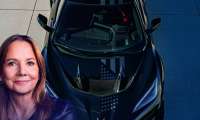
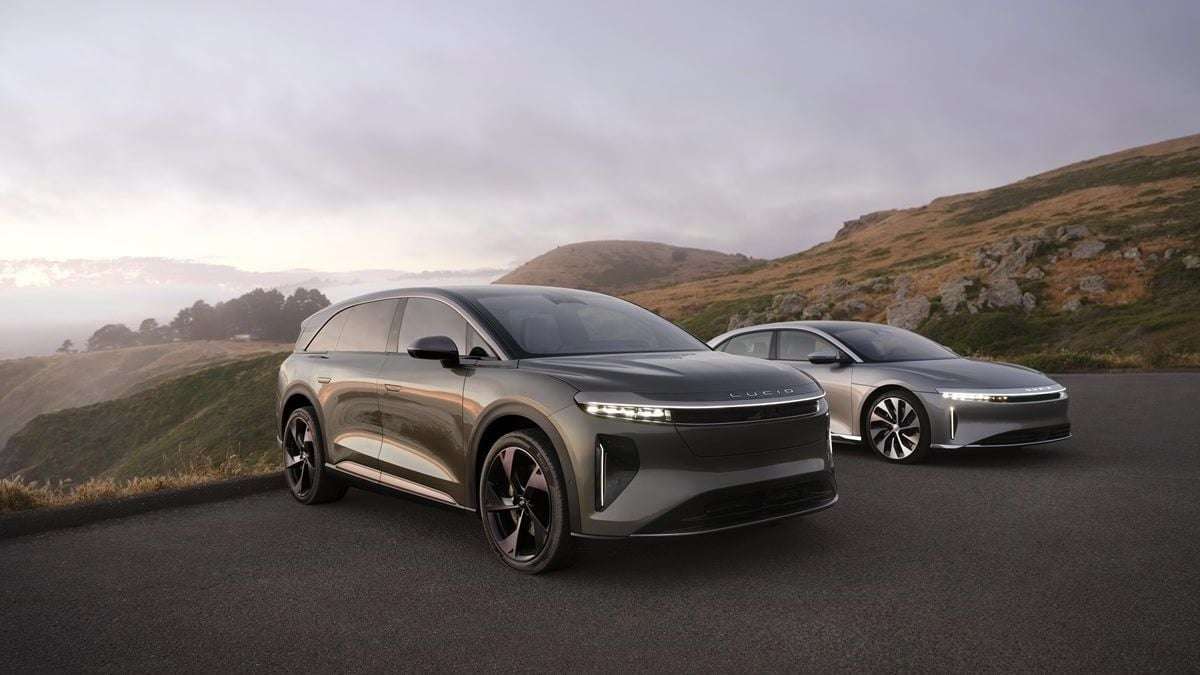
While BYD waits and Tesla bleeds, Lucid is moving decisively into the premium electric segment. Its Air sedan has gained praise for its luxury feel, high efficiency, and long range. The upcoming Gravity SUV is expected to build on that momentum. In the second quarter of 2025, Lucid reported its sixth consecutive quarter of rising deliveries, bolstered by new partnerships and investor confidence.
Lucid’s CEO recently visited China and acknowledged the progress of Chinese EV makers, yet affirmed that Lucid maintains a distinct edge in ride quality and driving dynamics. This is the foundation of its strategy. Rather than chase volume, Lucid is building a brand around refinement, comfort, and next-generation performance.
Lucid has also diversified its growth strategy through a $300 million partnership with Uber, supplying luxury EVs for future autonomous ride-hailing services. That investment reflects a long-term view of mobility, positioning Lucid not just as a carmaker but as a technology platform. As competition from Chinese brands intensifies, Lucid’s focus on craftsmanship and American-made quality could become a meaningful differentiator.
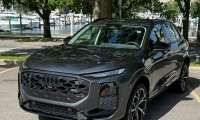
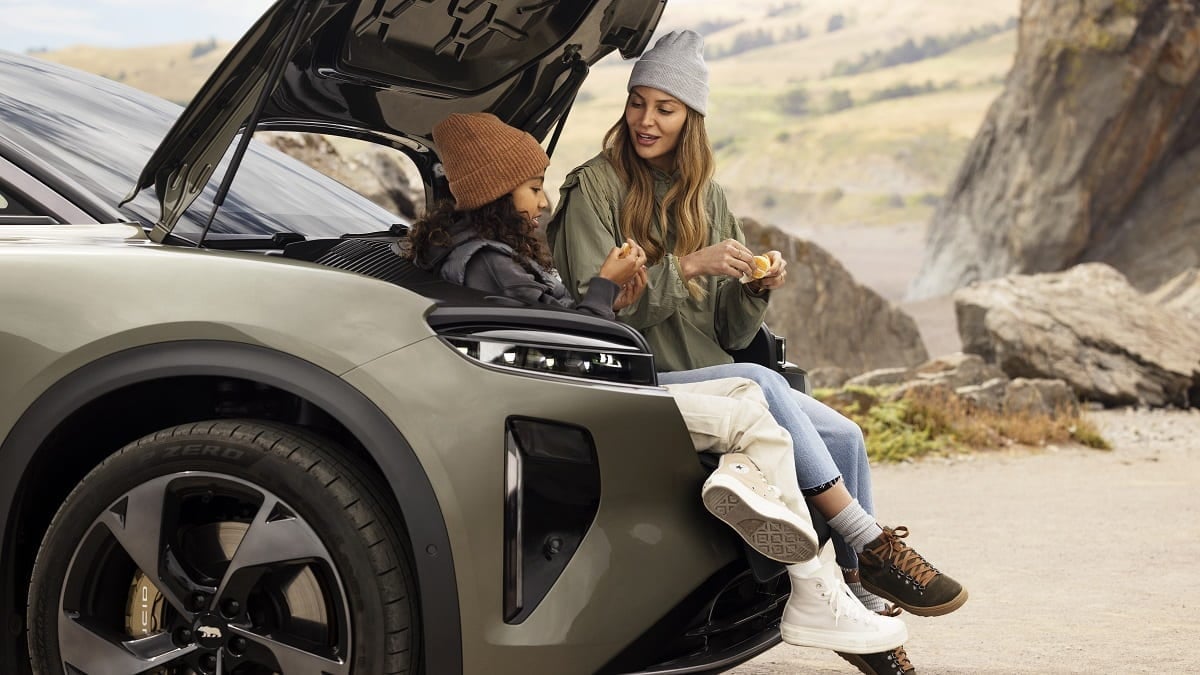
The Lucid Gravity is not just another electric SUV. It is a statement about where electric luxury is heading. Starting at around $79,900, it sits well above the average EV price in the U.S., which hovers near $55,000. Yet for those who have driven it, the Gravity feels worth every penny. It offers up to 828 horsepower, nearly 450 miles of range, and seating for up to seven in a cabin that feels more like a modern lounge than a vehicle interior. From the buttery “Nappa leather” to the panoramic roof and the whisper-quiet ride, everything about the Gravity invites you to slow down and appreciate the experience.
Test drives have described it as athletic yet smooth, responsive without being harsh, and remarkably refined for such a powerful machine. It has received early praise for its ride quality, spacious design, and intuitive tech. In a market flooded with crossover lookalikes, the Lucid Gravity stands out by delivering something special. It is more than transportation. It is a glimpse of how the modern version of luxury travel will look, replacing the Rolls Royce and Bentley’s of yesteryear.
A Crowded and Competitive Field
The U.S. EV market is no longer a Tesla-only game. Hyundai and Kia are leading in affordability and styling, offering vehicles with cutting-edge design and tech-laden interiors. Rivian is carving out a loyal customer base with rugged electric trucks built for adventure. GM continues to push with its Ultium platform, and Ford is doubling down on electric crossovers and trucks.
Each brand is aiming at a different slice of the market, from budget-conscious commuters to luxury seekers and off-road enthusiasts. The result is a rapidly expanding ecosystem of EV options that is more diverse and consumer-friendly than ever. Competition is pushing the industry forward, improving charging networks, lowering prices, and accelerating innovation.

What Does the Future Hold?
Global forecasts from major industry analysts suggest the EV boom is just getting started. BloombergNEF projects that EVs will make up over 40 percent of global new car sales by 2030, up from around 25 percent in 2025. The International Energy Agency expects even faster growth in China, where EVs already account for more than half of new vehicle sales and could reach 80 percent by the end of the decade.
In the United States, however, the picture is mixed. EV adoption is rising, but at a slower pace. Recent changes in federal policy, including the expiration of tax credits, have introduced uncertainty. Charging infrastructure remains uneven, especially in rural areas. Affordability continues to be a barrier, with many EVs still priced above the average buyer’s comfort zone.
McKinsey’s latest research indicates that consumer expectations are shifting. Buyers are placing more emphasis on total cost of ownership, ease of charging, and resale value. They are also growing more skeptical of marketing promises and are demanding real-world range, performance, and service support.
A Market at a Crossroads
The electric vehicle market in the United States is entering a transitional moment. Tesla’s dominance is no longer guaranteed. BYD is watching carefully from across the Pacific, poised to enter when the timing is right. Lucid is trying to own the luxury lane, while dozens of other automakers are bringing fresh ideas and price points to the table.
Please Drop Your Thoughts in the Comments Below
Have your feelings toward Tesla changed in the past year? If so, what was the turning point?
Should the U.S. be welcoming BYD’s entry, or protecting domestic brands from global giants?
Chris Johnston is the author of SAE’s comprehensive book on electric vehicles, "The Arrival of The Electric Car." His coverage on Torque News focuses on electric vehicles. Chris has decades of product management experience in telematics, mobile computing, and wireless communications. Chris has a B.S. in electrical engineering from Purdue University and an MBA. He lives in Seattle. When not working, Chris enjoys restoring classic wooden boats, open water swimming, cycling and flying (as a private pilot). You can connect with Chris on LinkedIn and follow his work on X at ChrisJohnstonEV.
Image sources: Lucid media kit, Rivian media kit
Set Torque News as Preferred Source on Google
Follow us today...