
For many truck owners, reliability is one of the biggest reasons they stay loyal to a specific vehicle for years. Trucks are expected to handle difficult workloads, long commutes, towing duties, and everyday life without becoming a financial burden. But when a major repair suddenly appears, especially something as expensive as a transmission failure, it can completely change the way someone looks at vehicle ownership.
That’s exactly what happened when I came across a post from Tanner Wilson while scrolling through the "Chevy Equinox EV Group." What started as frustration over a broken truck unexpectedly turned into a complete shift in perspective regarding electric vehicles.
Here’s how Tanner described it: “So here is my story in case anyone cares. I never ever wanted an EV! I was actually very against it! That was until I lost the transmission in my truck and when I took it to Chevy, they did what all dealerships do and tried to get me to just buy something else. That’s kind of hard to do with a now upside-down trade because of the bad transmission, then they recommend I try out to EV Trucks due to the high incentives and tax credits it could essentially get me out of the upside-down truck I was needing to trade or get fixed!
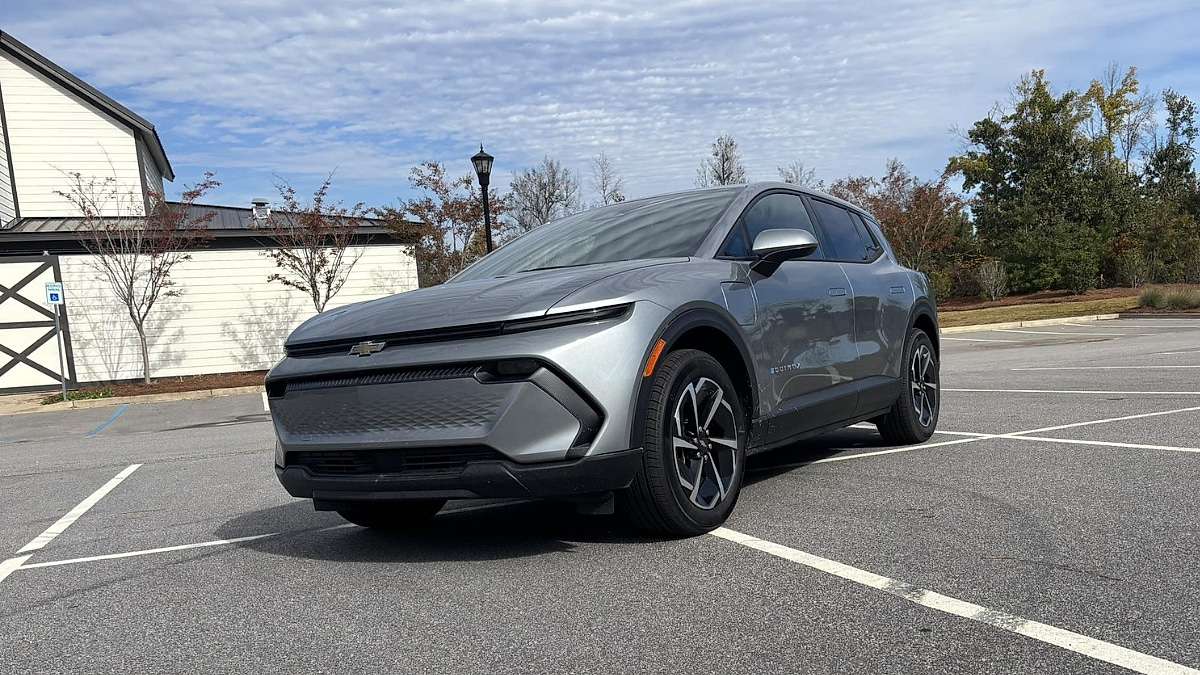
That was pretty cool but still too expensive, and that’s when they put me in the Equinox EV. I’ve always had trucks but with the payment looking good and the test drive being highly impressive I decided to take a leap of faith into the EV world. Let me tell yall, I will never ever look back!
To me, the way EVs drive are the best thing since sliced bread! I pray and wish everyone who is negative about this platform could just experience it once. It’s like riding on clouds! Now with gas prices through the roof I get to laugh at them as they pay hundreds of dollars a month to drive something that can’t even compare to how my EV does! Now after this lease I plan on moving up to a GMC Sierra EV as I still find myself needing a truck. Let’s be honest, that EV truck is so good looking! My lease is not up until 2028 so who knows what we will have by then, but all I can say is I will never go back to gas!”
A Truck Problem Leads Somewhere Unexpected
What makes Tanner’s story interesting is not simply that he likes his new EV, but i’s how he got there in the first place.
This was not someone actively shopping for electric vehicles because of environmental concerns or new technology hype. Instead, it started with a failed transmission that left him financially stuck in an upside-down loan situation. Once that happens, replacing or repairing a vehicle suddenly becomes much more complicated.
And honestly, stories like this are becoming more common than many people realize. Last year, I covered a Chevrolet Silverado owner who went through three transmissions in100,000 miles and began questioning the long-term ownership experience, and situations like that highlight how quickly a major mechanical failure can shift someone’s perspective on what vehicle ownership should look like.
For truck owners especially, transmission problems can feel particularly frustrating because these vehicles are often purchased specifically for durability and longevity. When expensive failures happen unexpectedly, many drivers begin reconsidering not only the repair itself, but the entire direction they want to go next.
Why the Equinox EV Made Sense Financially
One detail in Tanner’s story that stood out to me was how the dealership introduced the EV as more than just a different type of vehicle, because it became a financial solution. Even as federal EV tax credits have largely phased out following recent policy changes, aggressive lease pricing and incentives continue making some EVs surprisingly attainable compared to traditional gas vehicles. In Tanner’s case, it appears the Equinox EV created an opportunity to escape an expensive situation while still getting into something new.
That’s a much bigger trend currently developing across the industry. In fact, our Editor-in-Chief recently discussed how Tesla Model 3 lease pricing has dropped to levels where some buyers are comparing it directly against the monthly cost of owning a Toyota Camry while still paying for gas.
Whether someone personally prefers gas vehicles or EVs, the financial side of the conversation is becoming difficult to ignore. Rising repair costs, increasing vehicle prices, and ongoing instability surrounding the war in Iran have helped push gas prices to around $4 per gallon across much of the country, making some drivers reconsider alternatives they may have rejected only a few years ago.
The Driving Experience Continues to Win People Over
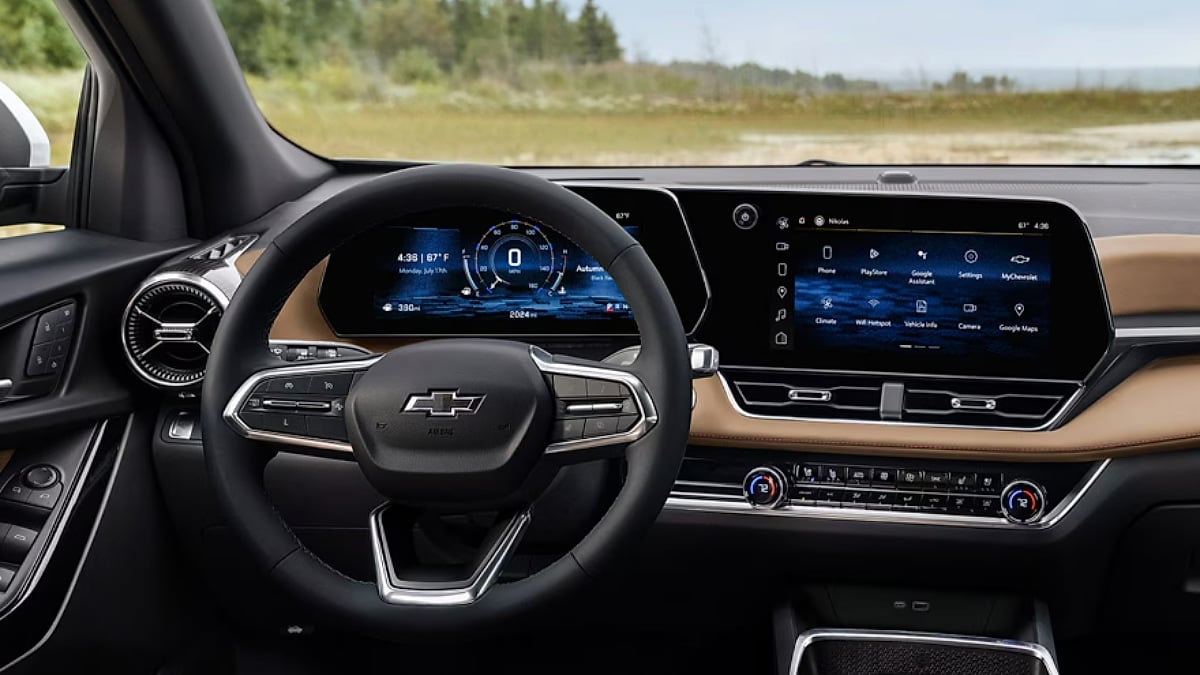
One thing that repeatedly appears in stories from first-time EV owners is how quickly their opinions change after actually driving one. That’s exactly what Tanner described when he talked about the smoothness of the Equinox EV and how different the driving experience felt compared to the trucks he previously owned.
And honestly, I think this is one of the hardest parts of EV ownership to explain to someone who has never driven one before. Instant torque, silent acceleration, and the absence of gear shifts create a driving experience that feels fundamentally different from traditional internal combustion vehicles.
I explored a similar ownership perspective in my previous report about an Equinox EV owner who said the vehicle’s smooth ride completely changed their expectations for EV ownership, and Tanner’s comments mirror many of those same reactions.
That experience also lines up with broader testing impressions. A recent hands-on evaluation from a Torque News colleague who spent time driving and testing the 2026 Chevrolet Equinox EV and its real-world compromises and strengths highlighted how Chevrolet appears to be targeting everyday drivers who simply want a comfortable and practical vehicle rather than something futuristic or complicated.
That may ultimately become one of the Equinox EV’s biggest strengths. It doesn’t necessarily try to reinvent transportation. Instead, it focuses on making the EV transition feel approachable.
Real Ownership Costs Are Changing Perspectives
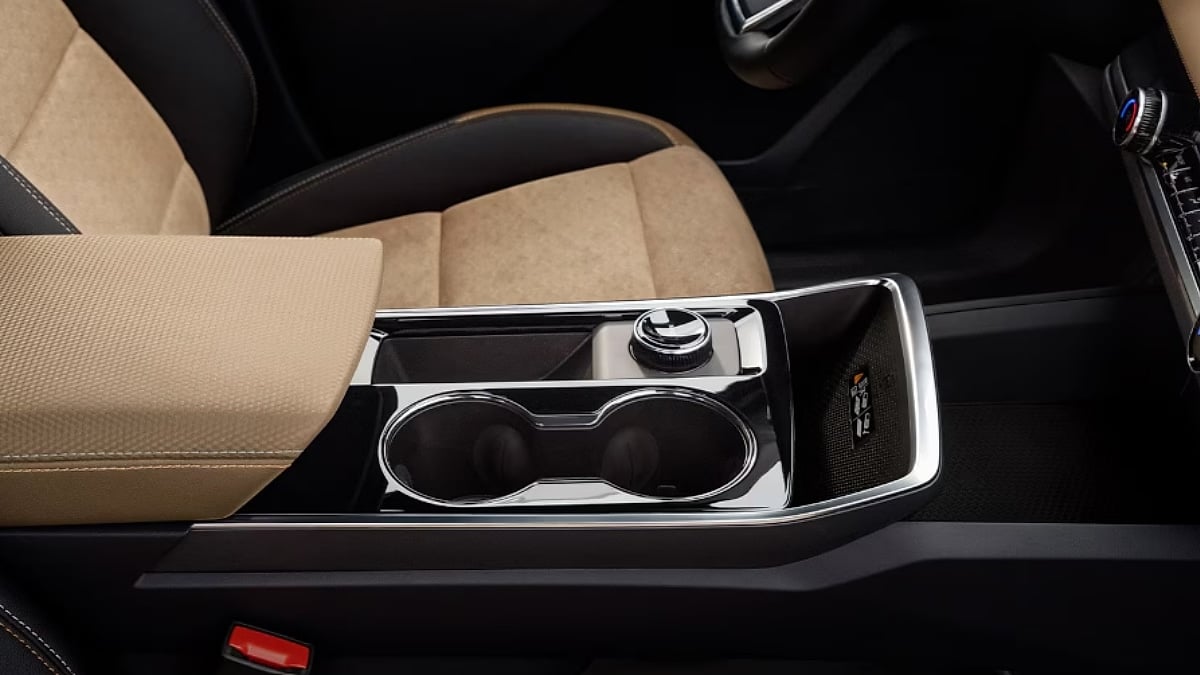
Beyond the driving experience itself, ownership costs are becoming another major reason some drivers are reconsidering EVs.
Like mentioned previously, fuel savings can become substantial depending on driving habits, commute distances, and local charging costs. For someone driving long distances daily, those savings begin adding up quickly.
Another Equinox EV owner recently documented achieving 4.1 miles per kWh during a 2,200-mile road trip, showing how efficient some of these newer EV platforms can become under real-world conditions. That kind of efficiency may not matter to everyone, but for commuters or families dealing with constantly rising fuel prices, it can absolutely change the ownership equation if it fits in their lifestyle.
Other Drivers Say They Experienced the Same Shift
Tanner’s story quickly drew responses from other owners who described nearly identical experiences after driving an EV for the first time.
Shawn Moseley wrote: “I really believe most people will willingly switch after driving one. It's just getting those people behind the wheel to begin with. So much misinformation and propaganda is being spread these days just to keep people driving gas vehicles for a little longer. There will be a tipping point though and I think it has already started.”
While discussions around EVs often become extremely polarized online, I think Shawn’s broader point about firsthand experience is important. Many people who strongly dislike EVs have simply never spent meaningful time driving one in the first place.
Chris Lazzara shared a very similar reaction: “The same thing happened to me. The moment I first test drove an EV I knew I'd never be buying a gas car ever again.”
That immediate shift in opinion is something that continues showing up across ownership groups regardless of brand.
Daniel Dow focused more on operating costs: “I'm right there with you brother. 80 mile round trip to work for under $2.00. I'm never going back as well.”
Comments like Daniel’s highlight why EV adoption is increasingly becoming tied to economics rather than ideology. For many people, the conversation becomes much simpler once monthly operating costs begin noticeably decreasing.
My Thoughts
I believe Tanner’s story reflects something larger happening in today’s automotive market. A few years ago, many EV buyers were primarily early adopters interested in technology or environmental benefits. But increasingly, we’re seeing ordinary drivers end up in EVs because of practical ownership realities. Sometimes it’s fuel prices, incentives, or like in Tanner’s case, it’s an expensive repair that forces someone to rethink what makes the most sense financially.
I think that shift is one of the most interesting parts of this entire transition. The EV market is no longer only attracting enthusiasts or luxury buyers, but it's beginning to attract people who never expected to own one at all. And whether someone ultimately prefers gas vehicles or EVs, that changing ownership dynamic is becoming harder to ignore.
Key Takeaways
- Major repairs can completely reshape ownership decisions: Expensive failures like transmission problems often push drivers to reconsider what vehicle ownership should look like long-term.
- EV adoption is increasingly becoming financially driven: Incentives, lease pricing, and lower operating costs are attracting buyers who previously had no interest in electric vehicles.
- The driving experience matters more than many expect: Smooth acceleration and quiet operation continue changing opinions among first-time EV drivers.
- Truck owners are not automatically anti-EV: Many drivers still want utility and capability, which explains growing interest in vehicles like the GMC Sierra EV.
- Real-world ownership stories often matter more than marketing: Experiences from actual drivers continue shaping how consumers view both EVs and traditional gas vehicles.
The Conversation Continues With You
Would a major repair bill ever push you toward considering an EV even if you originally had no interest in one?
And if you’ve driven an EV before, did it change your opinion the way it did for Tanner?
I'd love to hear what you have to say in our comments section below.
About The Author
Aram Krajekian is a young automotive journalist bringing a fresh and analytical perspective to the evolving automotive landscape by reporting on real-world ownership experiences and providing industry analysis. Based in North Carolina, he covers electric vehicles, trucks, and broader automotive trends with a focus on contributing a balanced evaluation. His reporting cuts through brand bias to provide readers with grounded insight into how vehicles perform for everyday drivers beyond marketing narratives.
Aram can be reached on X and LinkedIn for ongoing automotive coverage.
Image Credits
The “Chevy Equinox EV Group” Facebook group and Chevrolet’s gallery.
Set Torque News as Preferred Source on Google
Follow us today...