
The fundamental physics of towing heavy loads creates scenarios that can quickly overwhelm even experienced drivers, particularly when trailer loading mistakes combine with highway speeds to create dangerous oscillations that threaten vehicle control. Andrew Crowell's recent experience with his Rivian R1T demonstrates how electric vehicle characteristics can provide unexpected advantages in extreme towing situations, offering insights into how battery weight distribution and electric powertrains respond differently than traditional trucks when physics conspires against the driver.
Crowell's account begins with a seemingly routine trip to collect river rock using his 10,000-pound capacity dump trailer, a task that should have been well within the capabilities of both the trailer and the R1T. However, the loading process introduced variables that would soon transform a simple materials run into a demonstration of how quickly towing situations can deteriorate and how vehicle design characteristics can mean the difference between maintaining control and losing it entirely.
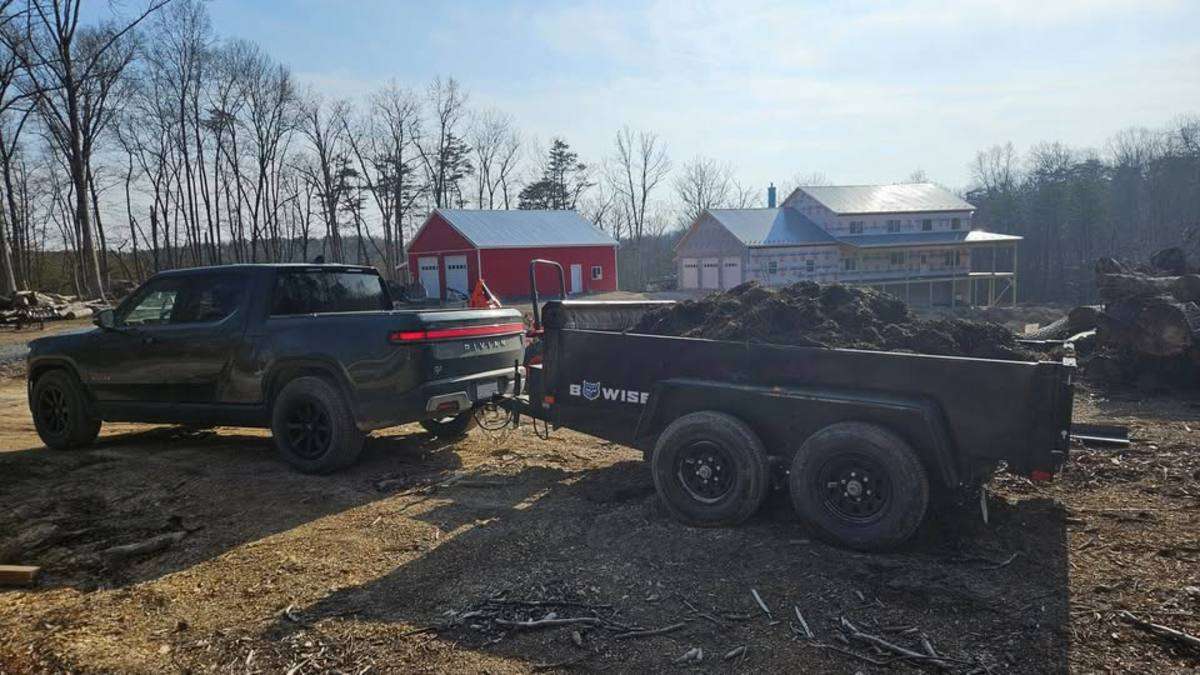
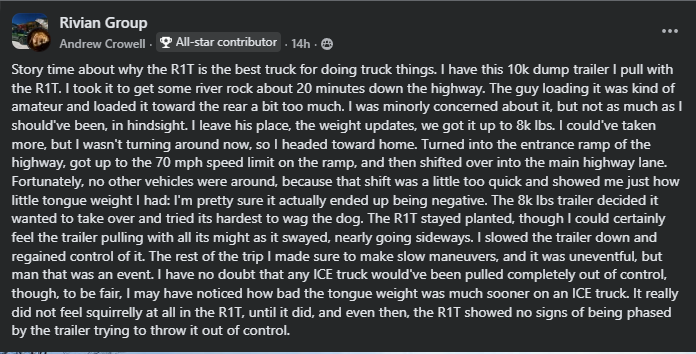
“Story time about why the R1T is the best truck for doing truck things. I have this 10k dump trailer I pull with the R1T. I took it to get some river rock about 20 minutes down the highway. The guy loading it was kind of amateur and loaded it toward the rear a bit too much. I was mildly concerned about it, but not as much as I should've been, in hindsight. I leave his place, the weight updates, we got it up to 8k lbs. I could've taken more, but I wasn't turning around now, so I headed toward home. Turned into the entrance ramp of the highway, got up to the 70 mph speed limit on the ramp, and then shifted over into the main highway lane. Fortunately, no other vehicles were around, because that shift was a little too quick and showed me just how little tongue weight I had: I'm pretty sure it actually ended up being negative. The 8k lbs trailer decided it wanted to take over and tried its hardest to wag the dog. The R1T stayed planted, though I could certainly feel the trailer pulling with all its might as it swayed, nearly going sideways. I slowed the trailer down and regained control of it. The rest of the trip, I made sure to make slow maneuvers, and it was uneventful, but man, that was an event. I have no doubt that any ICE truck would've been pulled completely out of control, though, to be fair, I may have noticed how bad the tongue weight was much sooner on an ICE truck. It really did not feel squirrelly at all in the R1T, until it did, and even then, the R1T showed no signs of being phased by the trailer trying to throw it out of control.”
The loading operator's inexperience created the foundation for what would become a dangerous situation on the highway. The guy loading it was kind of amateur and loaded it toward the rear a bit too much. I was mildly concerned about it, but not as much as I should've been, in hindsight. This seemingly minor detail about load placement would prove critical, as proper tongue weight distribution is fundamental to stable towing dynamics, and even experienced towers can underestimate how dramatically improper loading affects vehicle behavior at highway speeds.
Weight Distribution Creates Highway Drama
The transition from surface streets to highway speeds revealed the full extent of the loading problem, demonstrating how towing issues that seem manageable at low speeds can become life-threatening when combined with the physics of highway driving. The 8,000 pounds of river rock, positioned too far toward the trailer's rear, created a situation where the trailer's weight actually began working against the truck rather than providing the stabilizing tongue weight necessary for safe towing.
I leave his place, the weight updates, we got it up to 8k lbs. I could've taken more, but I wasn't turning around now, so I headed toward home. Turned into the entrance ramp of the highway, got up to the 70 mph speed limit on the ramp, and then shifted over into the main highway lane.
The decision to proceed despite concerns about the loading demonstrates the kind of judgment call that many drivers face, weighing the inconvenience of reloading against the perceived risk of continuing with a questionable setup.
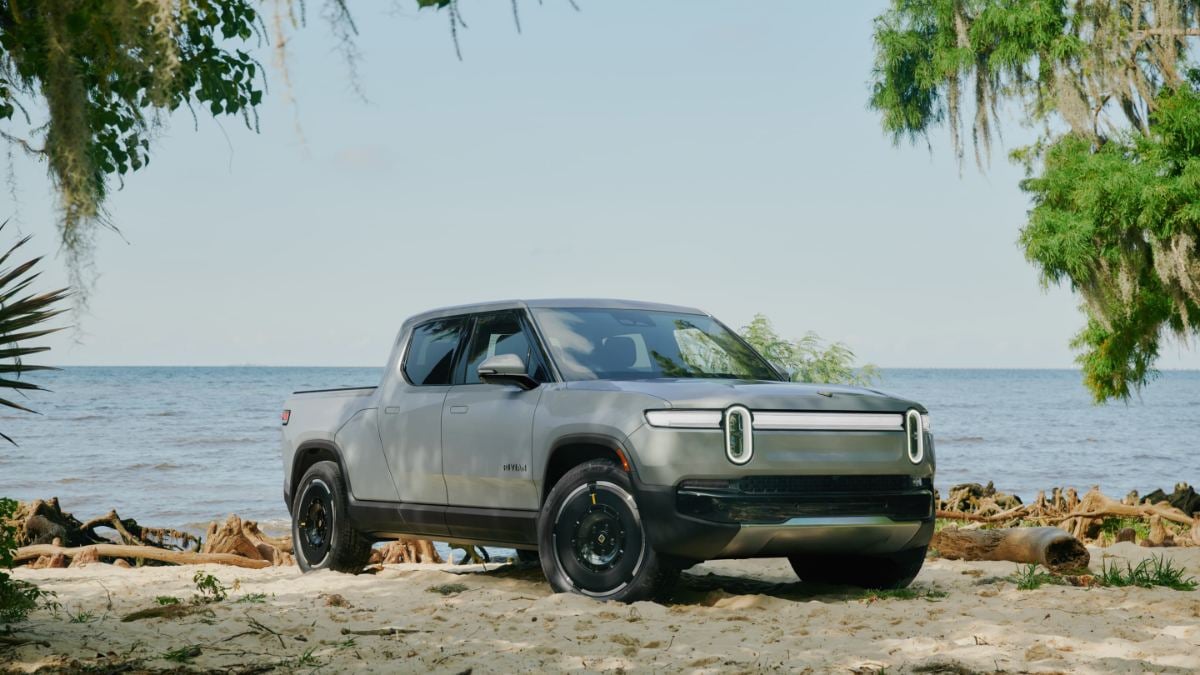
The moment when physics took control illustrates how quickly towing situations can deteriorate beyond the driver's ability to predict or prevent. Fortunately, no other vehicles were around, because that shift was a little too quick and showed me just how little tongue weight I had: I'm pretty sure it actually ended up being negative. The realization that tongue weight had become negative represents one of the most dangerous towing scenarios possible, where the trailer begins pushing the truck rather than being pulled by it.
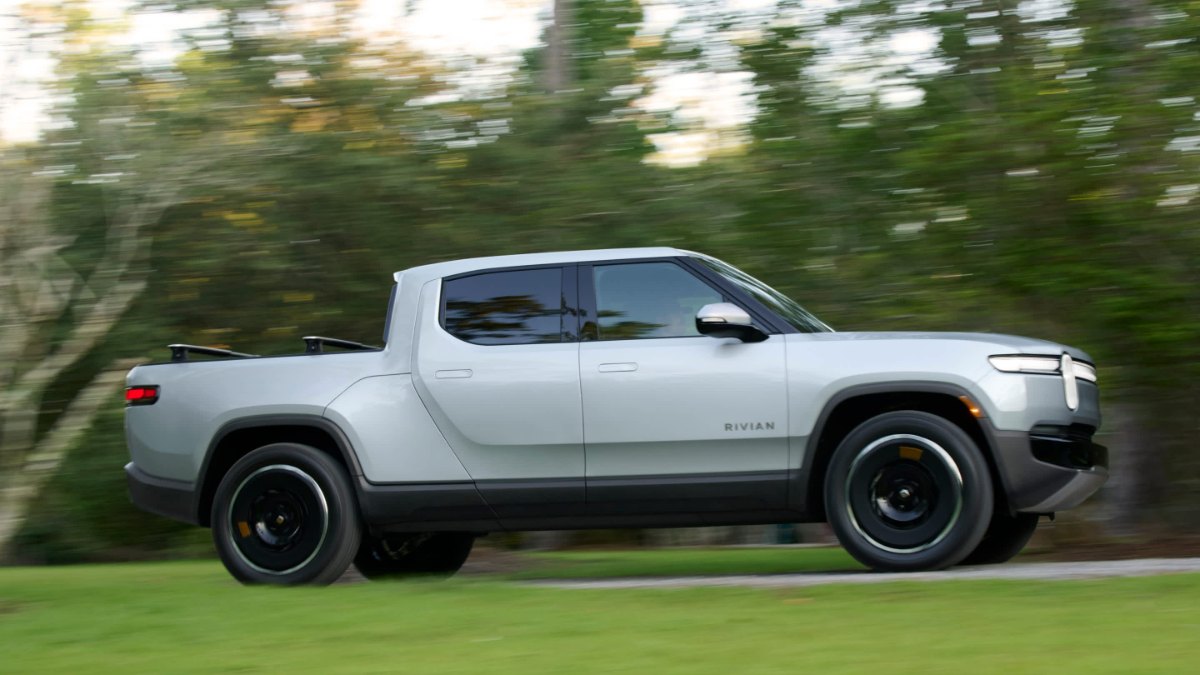
What followed demonstrates the terrifying reality of trailer sway at highway speeds. The 8k lbs trailer decided it wanted to take over and tried its hardest to wag the dog. The R1T stayed planted, though I could certainly feel the trailer pulling with all its might as it swayed, nearly going sideways. The phrase "wag the dog" perfectly captures the physics of the situation, where the trailer's momentum and improper weight distribution create forces that can overwhelm the towing vehicle's ability to maintain directional control.
Electric Vehicle Characteristics Prove Decisive
The R1T's response to this extreme situation reveals how electric vehicle design characteristics can provide advantages that may not be immediately apparent to drivers accustomed to traditional trucks. The combination of low center of gravity from battery placement, instant torque control, and substantial vehicle weight created a stability platform that proved crucial when conventional towing wisdom might have predicted disaster.
The R1T stayed planted, though I could certainly feel the trailer pulling with all its might as it swayed, nearly going sideways. I slowed the trailer down and regained control of it. The truck's ability to maintain stability while the trailer attempted to take control demonstrates how the fundamental characteristics of electric vehicles can provide safety margins that traditional trucks might not offer in similar situations.
Crowell's analysis of how a traditional truck might have responded provides valuable perspective on the differences between electric and conventional towing dynamics. I have no doubt that any ICE truck would've been pulled completely out of control, though, to be fair, I may have noticed how bad the tongue weight was much sooner on an ICE truck. This observation highlights both the advantages and potential disadvantages of electric vehicle characteristics in towing applications.
The subtle nature of the problem's development in the R1T reveals an interesting aspect of electric vehicle towing behavior. It really did not feel squirrelly at all in the R1T, until it did, and even then, the R1T showed no signs of being phased by the trailer trying to throw it out of control. This suggests that while electric vehicles may provide superior stability in extreme situations, they might also mask developing problems that would be more apparent in traditional vehicles, potentially leading drivers into situations they might otherwise avoid.
Lessons in Towing Physics and Vehicle Dynamics
The incident provides valuable insights into the complex relationship between vehicle characteristics, load distribution, and towing safety that extends beyond the specific advantages of electric vehicles. The experience demonstrates how seemingly minor loading errors can create major safety hazards and how vehicle design can either amplify or mitigate these risks.
The importance of proper tongue weight cannot be overstated in towing safety, as this incident dramatically illustrates. When trailer weight shifts too far rearward, it reduces or eliminates the downward force on the hitch, allowing the trailer to develop its own momentum and directional preferences that can quickly overwhelm the towing vehicle's control systems. The R1T's ability to maintain control in this scenario likely prevented a serious accident that could have involved multiple vehicles.
The recovery process reveals the importance of recognizing when situations have moved beyond normal parameters and adjusting driving behavior accordingly. The rest of the trip, I made sure to make slow maneuvers, and it was uneventful, but man, that was an event. The decision to modify driving behavior for the remainder of the trip demonstrates the kind of adaptive thinking that can prevent minor problems from becoming major disasters.
The experience also highlights how electric vehicle characteristics that provide advantages in extreme situations might also create complacency in normal operations. The R1T's stability and smooth operation may have masked the developing problem until it reached critical levels, suggesting that electric vehicle drivers need to be particularly vigilant about towing fundamentals that might be more obviously problematic in traditional vehicles.
Electric Vehicle Towing Advantages
- Battery placement creates inherent stability that helps resist trailer-induced oscillations and maintains vehicle control during extreme towing situations.
- Electric powertrains provide immediate response for speed adjustments and stability corrections without the lag associated with traditional transmissions.
- Substantial battery weight and optimized weight distribution create a stable platform that can better resist trailer sway and maintain directional control.
- Reduced vibration and noise may improve driver awareness of trailer behavior, though it might also mask developing problems that would be more apparent in traditional vehicles.
The broader implications of this experience extend to the growing population of electric vehicle owners who are discovering the towing capabilities of their vehicles. As more drivers transition from traditional trucks to electric alternatives, understanding how these vehicles behave differently in extreme situations becomes increasingly important for safety and confidence.
The incident also demonstrates the value of understanding fundamental towing principles regardless of vehicle type. Proper load distribution, appropriate tongue weight, and conservative driving practices remain essential for safe towing, even when vehicle characteristics provide additional safety margins. The R1T's superior stability in this situation should not be seen as permission to ignore basic towing safety principles.
Towing Safety Fundamentals
- Proper tongue weight (typically 10-15% of trailer weight) is critical for stability, and loading should be verified before departure rather than assumed to be correct.
- Highway speeds should be reached gradually with careful attention to trailer behavior, allowing drivers to identify problems before they become critical.
- Understanding how to respond to trailer sway and having clear procedures for regaining control can prevent minor incidents from becoming major accidents.
- While electric vehicles may provide stability advantages, drivers should understand both the benefits and limitations of their specific vehicle's towing characteristics.
The experience serves as a reminder that even advanced vehicles with superior stability characteristics cannot overcome fundamental physics when towing loads are improperly distributed or secured. The R1T's performance in this situation demonstrates the potential safety advantages of electric vehicle design, but it also highlights the importance of proper preparation and conservative decision-making in towing applications.
As electric vehicles continue to gain acceptance for towing applications, experiences like Crowell's provide valuable data about how these vehicles perform in real-world situations that may not be covered in manufacturer testing or marketing materials. The combination of superior stability and potentially masked warning signs suggests that electric vehicle towing requires both appreciation for the technology's advantages and continued vigilance about fundamental towing safety principles.
The incident ultimately demonstrates how vehicle design characteristics can provide crucial safety margins when human judgment and external factors combine to create dangerous situations. The R1T's ability to maintain control when conventional wisdom might predict disaster offers encouraging evidence for the safety potential of electric vehicle technology, while also emphasizing the continued importance of proper preparation and conservative practices in towing applications.
What has been your experience towing with electric vehicles compared to traditional trucks? Have you noticed differences in stability, control, or trailer behavior when using electric powertrains for heavy hauling, and what towing safety practices do you consider most important regardless of vehicle type? Share your electric vehicle towing experiences and safety insights in the comments below.
Image Sources: Rivian Media Center
Noah Washington is an automotive journalist based in Atlanta, Georgia. He enjoys covering the latest news in the automotive industry and conducting reviews on the latest cars. He has been in the automotive industry since 15 years old and has been featured in prominent automotive news sites. You can reach him on X and LinkedIn for tips and to follow his automotive coverage.
Set Torque News as Preferred Source on Google
Follow us today...