
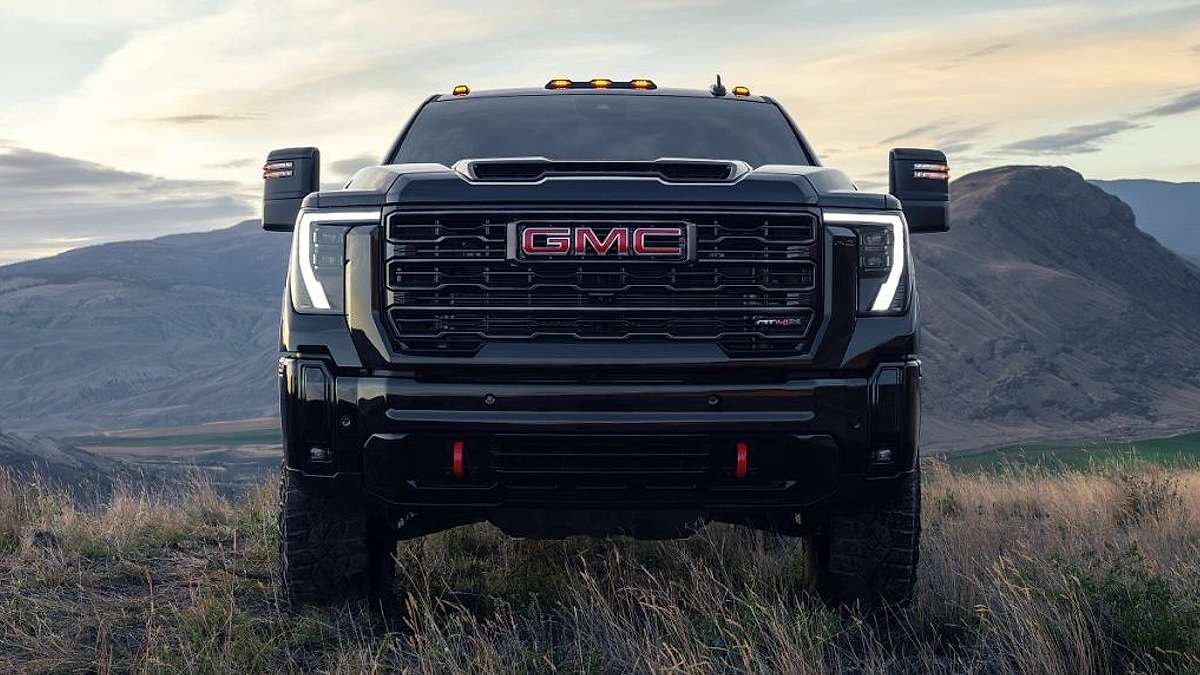

E85 looks like a comeback story if you only count pumps. AFDC data shows U.S. public and private E85 stations rising from 3,946 in 2020 to 5,100 in 2025, and Torque News current AFDC API check returned 5,231 open E85 stations on May 16, 2026. But FuelEconomy.gov's all-model-year vehicle file returned only eight 2026 make/model E85 listings, all from GM brands.
I checked the station data, the EPA/DOE vehicle file, and federal fuel-economy credit language because the practical question is bigger than nostalgia: can ICE buyers still find new vehicles built to use the fuel?
The question started from a familiar enthusiast's frustration. E85 once felt like a useful middle ground for drivers who wanted an internal-combustion engine, lower petroleum use, high-octane tuning potential, and in some places a cheaper pump price. Flex-fuel badges were common enough in the 2000s and early 2010s that many buyers stopped noticing them.
Now the pump side and the showroom side no longer tell the same story; people want EV’s now.
What Torque News checked
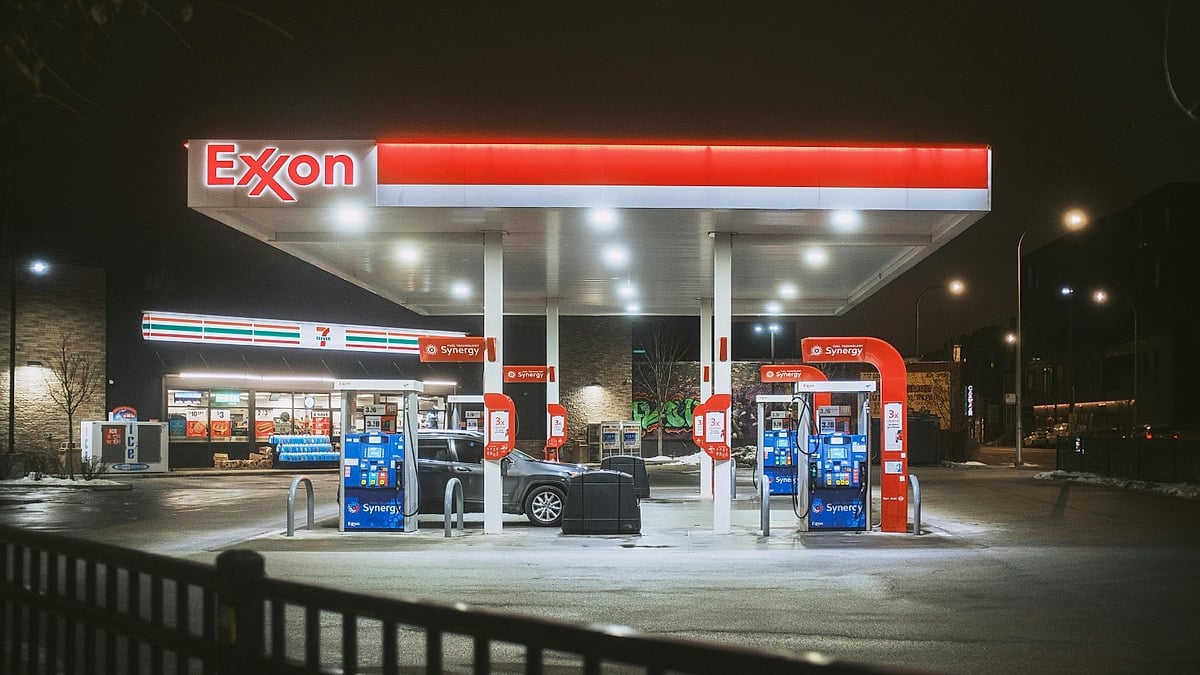
Torque News checked the U.S. Department of Energy's Alternative Fuels Data Center chart for public and private alternative fueling stations. The E85 row lists 3,946 stations in 2020, 4,721 in 2024, and 5,100 in 2025. That is a 1,154-station increase from 2020 to 2025, or roughly 29%.
Then Torque News checked FuelEconomy.gov's all-model-year downloadable CSV, which the site says is built from EPA and manufacturer testing with EPA oversight and was updated April 1, 2026. Counting unique make/model entries where the fuel fields included E85 returned 114 entries for model year 2012, 22 for 2020, eight for 2025, and eight for 2026.
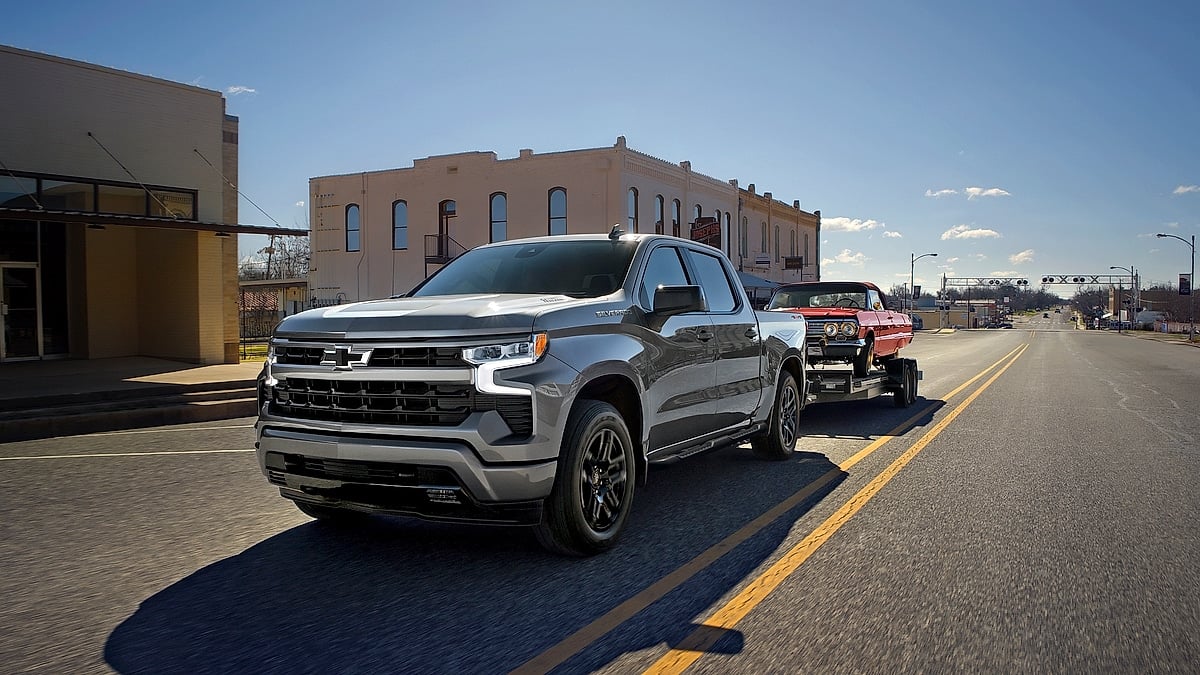
The 2026 entries returned by that method were Buick Encore GX FWD, Buick Envista, Chevrolet Silverado 4WD, Chevrolet Silverado Mud Terrain Tires 4WD, Chevrolet Trailblazer FWD, Chevrolet Trax, GMC Sierra 4WD, and GMC Sierra Mud Terrain Tires 4WD, each identified as flex-fuel or E85-capable in the data.
That count is not a perfect showroom inventory list. It is a reproducible count of FuelEconomy.gov make/model entries, and it can group or separate vehicles differently than a dealer would. But as a direction-of-travel signal, it is hard to miss.
The strongest explanation is not that E85 suddenly became useless.
The automaker's incentive changed.
AFDC's flexible-fuel vehicle availability page says recent changes to Corporate Average Fuel Economy credits for FFVs have resulted in reduced FFV availability. The CAFE rules also changed how alcohol dual-fuel vehicles are treated after model year 2019. The old compliance benefit that helped make flex-fuel capability attractive to automakers became much less powerful.
The business logic matters because flex-fuel hardware is not free. An E85-capable vehicle needs compatible fuel-system materials and calibration work, and the case becomes harder if many customers never use the fuel. One commenter in the discussion put the driver-side issue bluntly: when E85 is far away, the performance and fuel-choice benefits do not matter much for daily driving.
There is also a cost-per-mile trap. E85 may cost less per gallon, but it contains less energy per gallon than gasoline, so an FFV usually travels fewer miles on a gallon of E85 than on regular gasoline. That means a driver has to compare price per mile, not pump price alone.
The same caution applies to environmental claims. E85 can reduce petroleum use because it contains a high share of ethanol, but the full emissions picture depends on feedstock, farming, refining, transport, and the vehicle's lower fuel economy on ethanol blends. Calling it automatically "better for the environment" is too simple.
Why the E85 story is strange
This is why the E85 story is strange in 2026. The infrastructure is more visible than it was five years ago, and the enthusiast argument for ethanol has not disappeared. Some performance drivers still like E85 because of its high octane and cooling effect under the right calibration. Some ICE buyers would rather have a fuel-choice option than be forced into an EV-versus-gasoline binary.
But automakers build for regulations, cost, warranty exposure, and buyer behavior. If the CAFE-credit advantage is weaker, if most customers still fill with gasoline, and if E85 availability remains uneven by region, then the product-planning case for making every mainstream V8 truck, SUV, or crossover flex-fuel-capable becomes harder to justify.
That leaves buyers in an odd position. There may be more E85 stations on the map, but fewer new vehicles on the lot that can officially use them.
What it means for other manufacturers
For GM, the remaining listings are still meaningful. A buyer who wants a new E85-capable vehicle can still find options in specific Buick, Chevrolet, and GMC entries in the federal data. But the choice set is nothing like the early-2010s market, when flex-fuel entries came from a long list of brands.
For Ford, Stellantis, Toyota, and other mass-market brands, the absence of broad current E85 listings in the FuelEconomy.gov results is the real signal. They may still have legacy FFVs on the road and fleet histories tied to E85, but the new retail market no longer treats flex fuel as a mainstream checkbox.
That is the practical consequence for shoppers. If E85 matters to you, do not assume a familiar nameplate can use it because an older version could. Check the exact model year, engine, fuel door label, owner's manual, window sticker, and FuelEconomy.gov listing before buying. Then check your local E85 stations, not just the national count.
The pump network says E85 is still alive. The new-vehicle data says the easy era of accidentally buying an E85-capable vehicle is mostly over.
Would you buy a new flex-fuel vehicle in 2026 if more automakers offered it, or has E85 become too regional to matter? Tell us what E85 costs near you and whether the price still works after the MPG drop.
Let us know in the comments below.
About The Author
Noah Washington is an automotive journalist based in Atlanta, Georgia, covering sports cars, luxury vehicles, and performance culture. His reporting focuses on explaining the engineering, design philosophy, and real-world ownership experience behind modern vehicles.
Noah has been immersed in the automotive world since his early teens, attending industry events and following the enthusiast communities that shape how cars are built and driven today. His work blends industry insight with enthusiastic storytelling, helping readers understand not just what a car is, but why it matters.
Noah is also a member of the Southeast Automotive Media Association (SAMA), a professional organization for automotive journalists and industry media in the Southeast.
His coverage regularly explores sports cars, luxury vehicles, and performance-driven segments of the automotive industry, including the evolving culture surrounding Formula Drift and enthusiast builds.
Read more of Noah's work on his author profile page.
You can also follow Noah here:
Set Torque News as Preferred Source on Google
Follow us today...







Comments
Mine has so much more power…
Permalink
Mine has so much more power while using e85. Only lose 3 mpg.
Most people do notice a…
Permalink
In reply to Mine has so much more power… by Scot Hunt (not verified)
Most people do notice a power increase, especially if the vehicle is turbocharged.