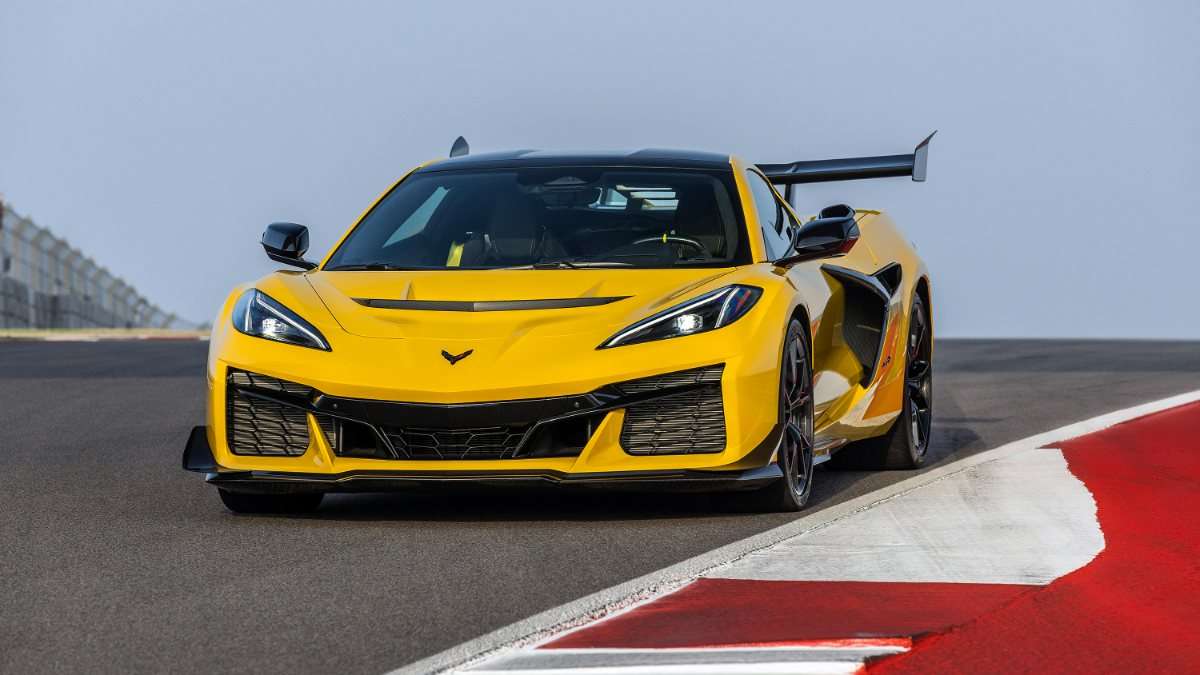

The mid-engine Corvette was supposed to be the moment America stopped taping Italian exotics to bedroom walls and started taping up something with a bowtie on the nose. The C8 is Chevrolet’s moonshot, a V8 bolted in behind your spine, dual clutch transmission clicking away like a race car, performance numbers that bother machines twice the price. It is also, in 2025 America, a soldier in the sharing economy, pressed into service on platforms where a few taps on a phone can put 495-pound-feet of torque into the hands of a stranger. That is how one 2020 C8 Corvette, owned by an all-star Turo host, left home healthy and came back with scars, 80-plus error codes, and a social media paper trail that reads like a modern parable about what happens when your dream car becomes somebody else’s weekend experiment.
“I need some advice from anyone who has dealt with this kind of situation with Turo before, because this situation is getting out of control. I recently rented out my 2020 C8 Corvette (all-star host, btw). The car was in excellent shape, with no warning lights, no issues, and it had been meticulously maintained. On the first night of the rental, the guest left it in a gravel lot in East St. Louis, admitted it was overheating, drove it for 30 minutes with warning lights on, and then refused to return the key. Turo was on the phone with me when he said, “I should just burn this thing up.”
When I recovered the car, here is what I found: engine overheating, over 80 diagnostic codes active, fiberglass roof panel damaged from being forced into the hatch (turo doesn't want to cover this becuase it is under 3 inches..), deep scratches down multiple panels, footprints on the hood, rear tires worn completely to the cords in a single night, and videos/photos of unauthorized drivers, drinking while driving, and even standing on top of the car.
I have video evidence of everything and will be posting it here.
Here’s the problem: Turo is already telling me they will not cover the tires (due to me not having a super clear photo of the tread; however, you can totally tell the tread is in acceptable condition in the pre trip photos), and I have a bad feeling they’re going to try to avoid paying for the engine repairs too, even though the vehicle was clearly abused. And trying to get anyone at Turo on the phone who can actually make decisions has been nearly impossible.
This post is partly a warning to anyone thinking about putting a high-end car on Turo, because this is the worst-case scenario nobody thinks about, and partly me asking the community what you recommend I do next. How do I escalate this? Has anyone dealt with something like this and actually gotten Turo to take responsibility?
Appreciate any guidance from people who’ve been through this or know how to get results. More videos and photos coming in the comments.“
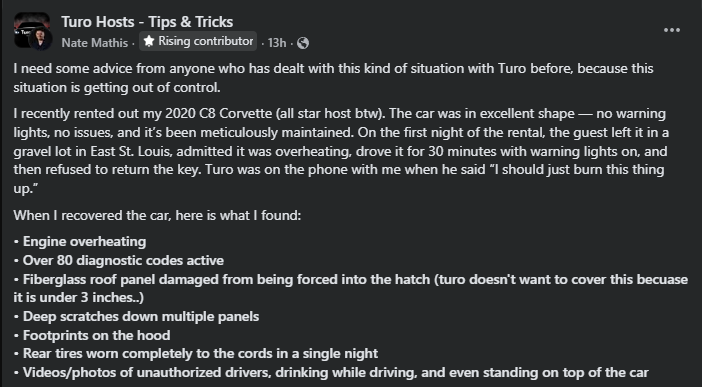
Read that once, and you get the story. Read it twice, and you can almost feel the heat soaking off the engine bay. This was not a gentle weekend of boulevard cruising. A mid-engine performance car is left in a gravel lot, run hot with the warning lights blazing, then recovered with footprints on the hood and rear tires worn down to the cords in a single night. That is not spirited driving; that is industrial-scale use of every subsystem on the car. Fellow hosts in the same group saw it for what it was: a worst-case scenario that lives in the back of every performance car owner's mind when they upload the listing and hand over the keys.
Why The Chevrolet C8 Corvette is Mid-Engine
- The Corvette’s development has long centered on pushing American engineering into supercar territory, with each generation undergoing major aerodynamic and chassis experimentation before release.
- Engineers shifted to a mid-engine layout for the latest generation after decades of prototypes proved it delivered better balance, cooling efficiency, and track performance.
- Materials such as aluminum frames and composite body panels were chosen to keep weight down while allowing designers more freedom in sculpting airflow-focused shapes.
- Continuous feedback from racing programs influences street-car revisions, meaning cooling, suspension tuning, and drivetrain durability often evolve directly from motorsport testing.
What follows in the comments has the tone of a pit lane debrief after something has gone badly wrong. The first theme is documentation. Host Kyng Dixon focuses on the small details that suddenly matter a great deal, telling Mathis to always include close tread photos so there is no debate later about tire condition, and recommending a tracker and kill switch to monitor abuse and halt it before the damage piles up. In 1972, a careful owner kept a logbook and a stack of receipts. In 2025, the survival kit apparently includes GPS, telematics alerts, and the ability to shut the car down remotely if the data reads like a stunt reel.
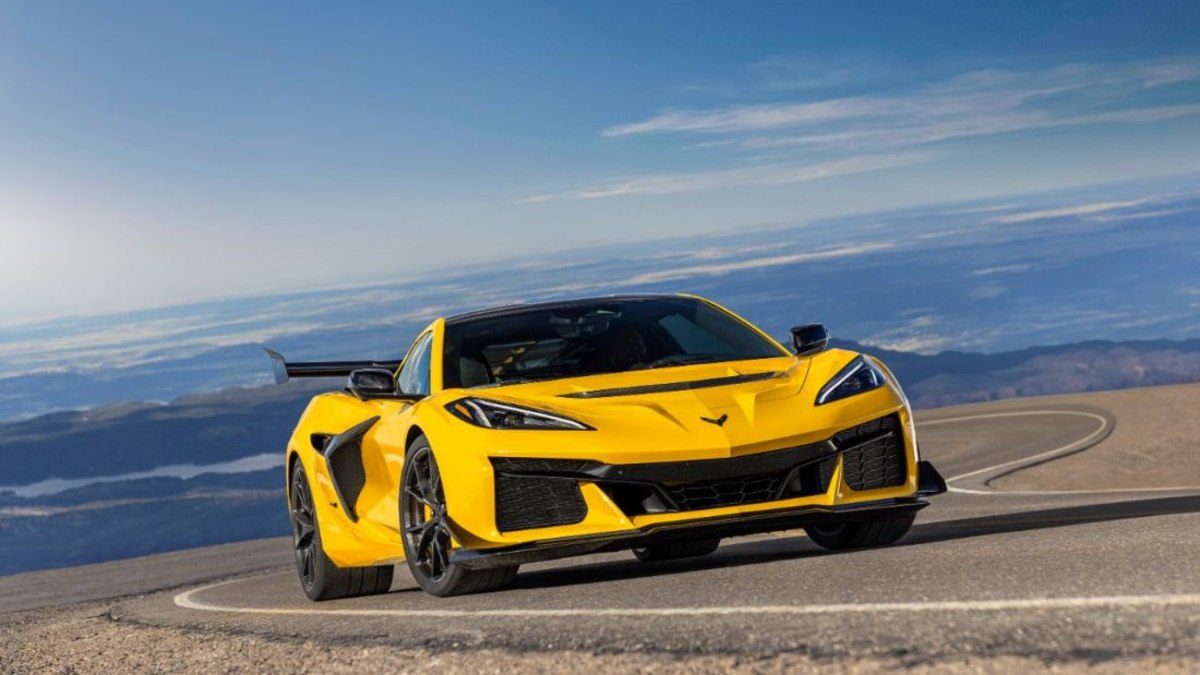
The second theme is process. Mathis says Turo has already indicated reluctance about covering the tires because the pre-trip tread photos are not, in their view, crystal clear, and he worries engine repairs may be questioned as well. That is where other hosts start talking in the language of claims adjusters instead of quarter-mile times. Commenter Ryan Ortiz advises taking the car straight to a shop, getting a full written estimate, and having the mechanic submit a supplemental report through Turo. The message is simple: feelings are irrelevant, paperwork is everything. If the platform wants expert evidence, give it to them with a shop logo at the top and a labor rate printed on the bottom.
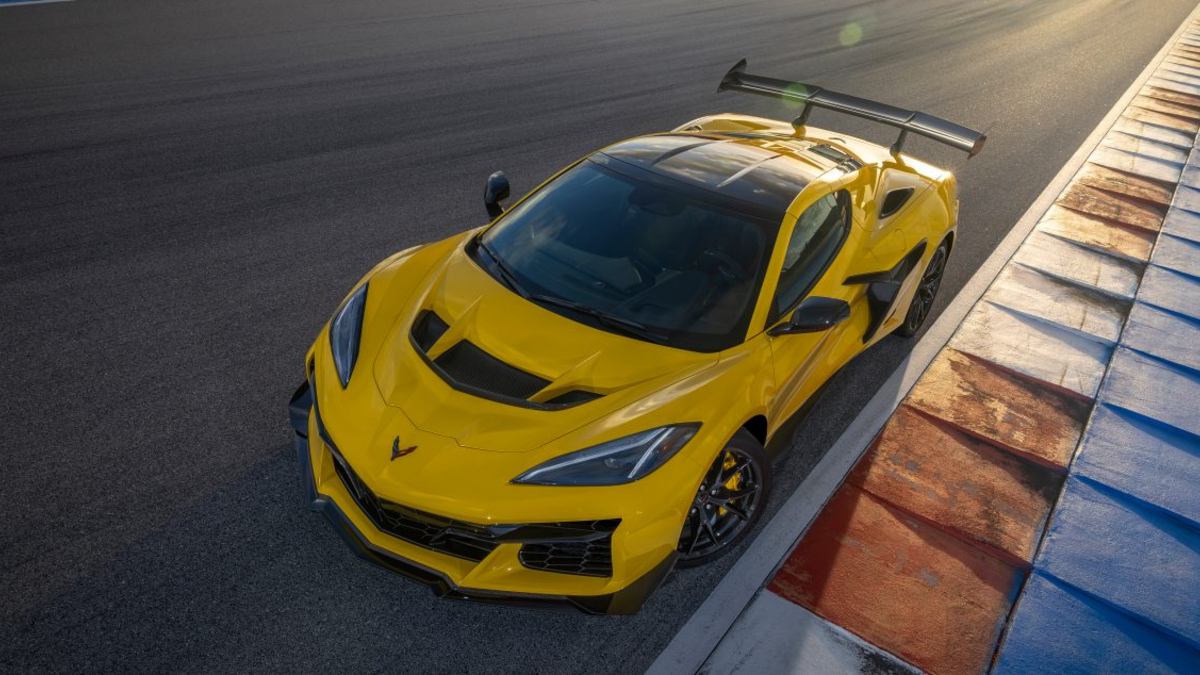
Underneath all of this is the mechanical reality of a C8 Corvette. This is not a simple ladder frame coupe that shrugs off abuse. The mid-mounted LT2 V8, the dual clutch transmission, the complex cooling system, and the electronic control modules are woven together into a nervous system. Eighty-plus active diagnostic codes, as Mathis reports, is not a minor hiccup. It is the car's way of testifying about what happened while it was in someone else's hands. Commenter Jhan Marcos Rodriguez Jimenez zeroes in on that point, asking whether there was a tracker or logger that captured warning lights and codes at the time of the incident, and urging Mathis to report the damages, get a quote, and hold off on repairs until responsibility and payment are clearly defined.
The digital testimony does not stop at Facebook. According to Mathis, the saga continued on Reddit, where he laid out not just this catastrophic trip but a longer list of frustrations and issues he has wrestled with since taking delivery of the car. Anyone who has ever bought a new performance machine knows that the first years can be a blend of exhilaration and service visits. Add Turo duty into the equation, and you have warranty concerns bumping into rental wear, constant documentation, and the emotional hit of seeing a car you obsessed over come back with new scars. The Reddit crowd, predictably, delivered a mix of sympathy, war stories from other hosts, and detailed how-to guides on escalating claims and documenting every step.
As the comment thread develops, the conversation moves from what happened to what can be done. Some hosts urge Mathis to wring everything he can from Turo's process. Others suggest a parallel path. Mike Kramer points out that the terms of service carve out an exception for small claims court, and advises gathering every photo, estimate, code log, and video clip, then suing the guest directly up to the local small claims cap. In a sense, that is the analog backstop behind the digital sharing economy. The platform connects strangers, but the old-fashioned legal system is still there when one of those strangers allegedly abuses a car and walks away.
Put together, the story raises a question that goes beyond one bruised Corvette. The C8 is a landmark car, a mid-engine American sports machine that can lap tracks and carry luggage, a car that absolutely deserves a hard workout now and then. The problem is that peer-to-peer platforms, by design, separate responsibility from familiarity. A stranger who did not spend years dreaming of the car, and does not pay for its upkeep, can find themselves behind the wheel with little more friction than it takes to rent a subcompact. For owners thinking about listing a high-end car, the Mathis episode functions as a checklist: detailed photos of everything, including tires and roof panels, a tracker with abuse alerts, a kill switch if possible, preserved call logs, and estimates held in reserve until someone in the chain agrees to pay.
The C8 at the center of this will almost certainly live again. Engines can be repaired, codes can be cleared, fiberglass can be smoothed and resprayed. The harder thing to repair is trust, both in the idea that your dream car can safely moonlight for strangers and in the promise that the systems surrounding it will make you whole when something goes sideways. Performance car owners are an optimistic bunch. They believe in big numbers, late braking, and the idea that machinery responds to care and respect. Stories like this one, drawn from Mathis's posts in the Turo Hosts - Tips & Tricks Facebook group and his follow up on Reddit, are a reminder that in the modern era, care and respect also mean lawyers, screenshots, and enough documentation to convince a platform or a judge that when the warning lights came on, the real trouble was just beginning.
Image Sources: Chevrolet Media Center
Noah Washington is an automotive journalist based in Atlanta, Georgia. He enjoys covering the latest news in the automotive industry and conducting reviews on the latest cars. He has been in the automotive industry since 15 years old and has been featured in prominent automotive news sites. You can reach him on X and LinkedIn for tips and to follow his automotive coverage.
Set Torque News as Preferred Source on Google
Follow us today...