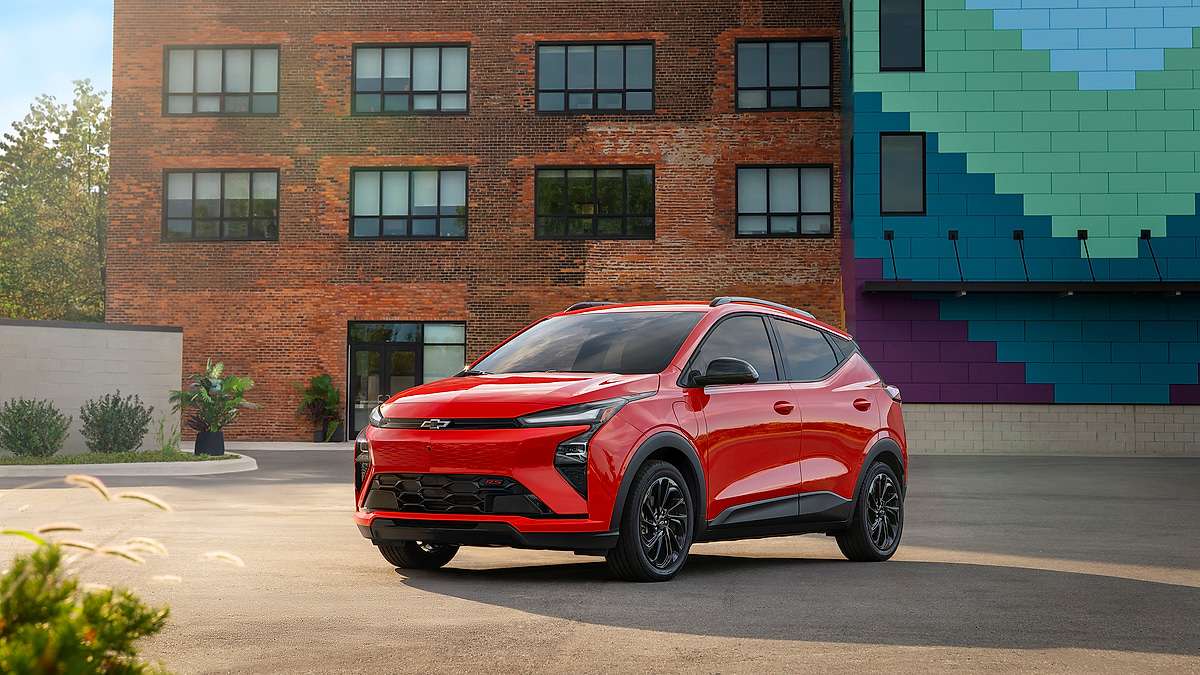

Eight years is a long time to want something and wait. Reddit user cullofktulu spent nearly a decade wanting to ditch internal combustion before the 2027 Chevrolet Bolt EV finally made the math work. He traded his 2019 Chevy Cruze hatchback for a new Bolt EV LT with the Comfort Package, then stacked supplier pricing, a Costco discount, and two dealer rebates to land at roughly $27,100 before tax and title, nearly $4,000 below what other dealers wanted for a base model. At $28,995, the Bolt EV opens with a 262-mile EPA range rating and a native NACS charging port that plugs straight into Tesla Superchargers without an adapter. Comments from early buyers suggest GM is building the car at Fairfax Assembly in Kansas on an 18-month schedule that would make this entry-level EV vanish almost as quickly as it arrived.
His first impressions suggest GM built exactly the cheap, cheerful electric hatchback the market keeps asking for, then planned its extinction before the paint dried. The steering is tight and immediate, the kind of response that makes a driver feel connected to the pavement. The acceleration from a stoplight feels like a high-end gas car through the first 35 mph, enough that cullofktulu caught himself speeding accidentally until he recalibrated his right foot. Public charging infrastructure turned out to be far more accessible than expected, and his employer provides workplace charging that covers his daily commute, so the car works. The question is whether GM actually wants it to.
The Bolt EV drives like it costs twice the price
The chassis is where the Bolt EV betrays its price tag in the best way. Cullofktulu compared the steering to a go-kart, noting that the nose turns in immediately and the body never feels like a boat. That responsiveness is rare in this segment, where soft steering tuned for efficiency usually kills any connection between driver and pavement. Chevy preserved the original Bolt's chassis character, and the EUV-sized proportions add a higher seating position that makes entry and exit easier without bloating the car into crossover territory. The same front-mounted motor from the Chevy Equinox EV lives under the hood, making 210 horsepower and drawing from a 65 kWh lithium iron phosphate pack. LFP chemistry is new for the Bolt line, trading energy density for durability and savings that helped Chevrolet hit the sub-$30,000 price point.
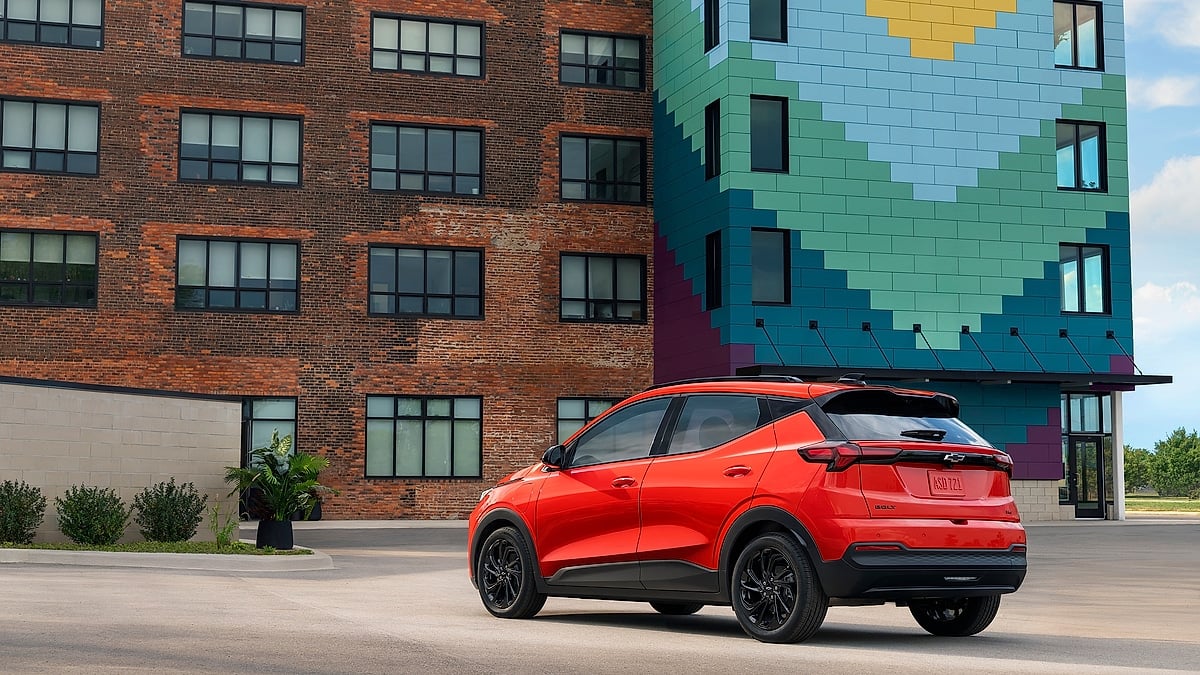
Acceleration is where the switch from internal combustion to electric becomes impossible to ignore. Cullofktulu called the difference a night-and-day improvement over his Cruze. The Bolt feels like a high-end gas car from zero to 35 mph, with torque that shoves you back. The adjustment was so significant that he caught himself speeding unintentionally for days. Charging speed is dramatically improved over the old Bolt's sluggish 55 kW ceiling. The new model peaks at 150 kW and can recharge from 10 to 80 percent in roughly 26 minutes, turning road-trip stops from meal breaks into quick coffee runs. Cargo space surprised him too, as the flat rear floor and lower trunk compartment added more volume than his Cruze ever offered, despite the Bolt's smaller footprint.
No CarPlay, no Android Auto, and a day without data
For every thoughtful engineering choice, GM made a software decision that feels hostile to actual ownership. The 11.3-inch touchscreen runs Google built-in natively, which means there is no Apple CarPlay and no Android Auto, period, with no option to add them later. Cullofktulu called the omission anti-consumer. He noted that GM seems to be banking on buyers keeping their cars for 10-plus years while only providing eight years of service before a paywall drops. The OnStar activation process introduced its own headaches. After the required setup call, his data connection failed completely and stayed offline for roughly 24 hours before randomly restoring itself the following afternoon. The glitch has not returned, but it is a frustrating reminder that GM's Global B architecture is still finding its footing.
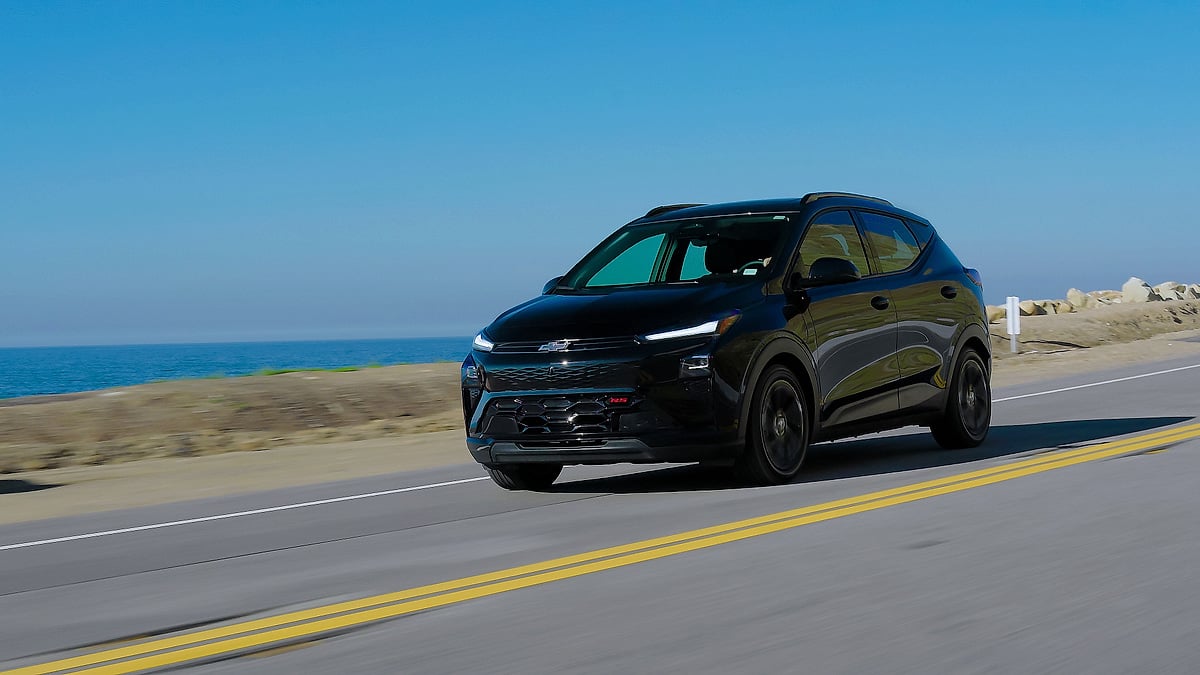
Smaller gripes lurk beneath the headline complaints. The interior shelving above the glove box and below the screen looks generous but lacks rubberized surfaces, so phones and sunglasses slide around on every turn. Cullofktulu ended up using the cupholders as a makeshift phone mount, and another owner on the same forum admitted to the same frustration while commuting 78 miles a day. None of it was enough to sour the experience. He is incredibly happy with the vehicle and happy he switched, with no regrets about build quality, operation, or comfort. After eight years of wanting to go electric, he found that affordable does not have to mean apologetic. Whether GM keeps building that proof, or the 18-month schedule means it was a concession from the start, is a question only the company can answer.
About The Author
Noah Washington is an automotive journalist based in Atlanta, Georgia, covering sports cars, luxury vehicles, and performance culture. His reporting focuses on explaining the engineering, design philosophy, and real-world ownership experience behind modern vehicles.
Noah has been immersed in the automotive world since his early teens, attending industry events and following the enthusiast communities that shape how cars are built and driven today. His work blends industry insight with enthusiastic storytelling, helping readers understand not just what a car is, but why it matters.
Noah is also a member of the Southeast Automotive Media Association (SAMA), a professional organization for automotive journalists and industry media in the Southeast.
His coverage regularly explores sports cars, luxury vehicles, and performance-driven segments of the automotive industry, including the evolving culture surrounding Formula Drift and enthusiast builds.
Read more of Noah's work on his author profile page.
You can also follow Noah here:
Set Torque News as Preferred Source on Google
Follow us today...