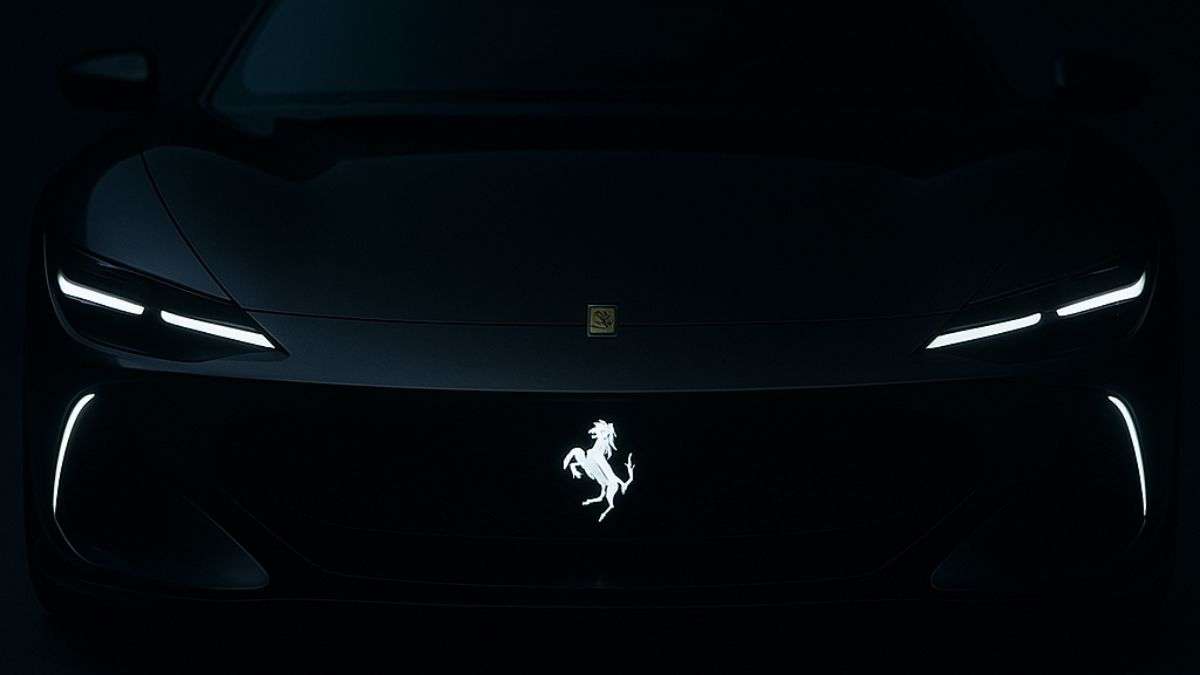

For a century, the soul of a supercar has been measured in decibels. The primal scream of a naturally-aspirated V12, the guttural roar of a flat-plane-crank V8—these are not mere byproducts of combustion; they are the machine's voice, its character, its very essence. In the coming age of silent, electric performance, this poses an existential threat to brands like Ferrari, whose entire mystique is built on a foundation of sound and fury. While competitors are resorting to digital mimicry and artificial soundtracks, Ferrari is taking a radically different and brilliantly authentic approach. By treating its electric motors not as silent appliances but as musical instruments, Ferrari plans to compose an entirely new symphony for the electric era, and in doing so, may have just solved the single biggest challenge facing the soul of the electric supercar.
The Existential Crisis of the Silent Supercar
Why does sound matter so much? For a performance car, the engine's soundtrack is a critical channel of communication. It provides visceral, real-time feedback about RPM, load, and the raw power being unleashed. It connects the driver to the machine in a primal, emotional way that a silent surge of acceleration simply cannot replicate. The silence of an EV, while a blessing in a luxury sedan, is a curse for a supercar. It robs the experience of its drama, its intensity, and a huge part of its emotional payoff. Recognizing this, automakers have been scrambling to fill the void, creating a fascinating divergence in philosophy. It's a battle for the very soul of the performance car, and the approaches couldn't be more different.

The Digital Deception vs. The Electric Amplifier
On one end of the spectrum, we have the synthesizers. Stellantis, with its Dodge Charger Daytona EV, has gone for pure digital theater. Its "Fratzonic Chambered Exhaust" is essentially a complex external speaker system that blasts a synthesized, V8-esque rumble to the outside world. It’s loud, aggressive, and entirely artificial. Hyundai has taken a more customizable digital approach with its brilliant Ioniq 5 N. Its "N Active Sound+" system gives the driver a menu of options, from mimicking the sound of its own gasoline performance cars to the futuristic whine of a fighter jet, all played through internal and external speakers. These solutions are clever and fun, but they are fundamentally an illusion—a digital soundtrack laid over a silent film.
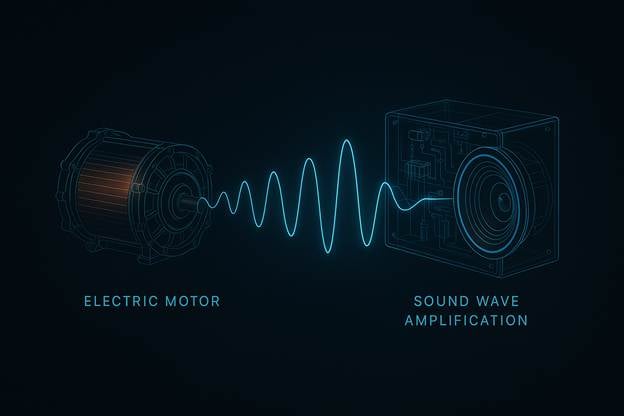
Ferrari, however, is choosing to be the ultimate audio purist. According to recently published patent filings, the company has no intention of using speakers to play fake engine noises. Instead, they are treating the electric drivetrain as a new kind of instrument. The patent describes a system designed to capture, amplify, and shape the natural acoustic sounds produced by the electric motors, inverters, and power electronics. Think of it like this: Dodge and Hyundai are using a synthesizer, but Ferrari is plugging in a Fender Stratocaster. The guitar's strings produce a quiet sound on their own, but magnetic pickups and a tube amplifier turn those subtle vibrations into glorious, soul-stirring music. Ferrari plans to do the same with the inherent hums, whines, and frequencies of its electric powertrain, creating a sound that is not only exciting but, crucially, authentic to the hardware creating it.
A Bridge to the Future or a Permanent Fixture?
This intense focus on sound begs the question: is this just a transitional phase? Are these manufactured sounds merely a crutch to help a generation of gasoline-addicted enthusiasts acclimate to the electric age? For mainstream vehicles, the answer is likely yes. Over time, the general public will grow accustomed to, and even prefer, the quiet serenity of electric mobility. But for high-performance brands like Ferrari, a unique and thrilling sound signature is not a temporary feature; it's a permanent brand differentiator. Just as you can identify a Porsche flat-six versus a Lamborghini V10 with your eyes closed, Ferrari aims to create a new electric sound that is uniquely, unmistakably its own. This isn't about mimicking the past; it's about owning the future. A new generation of drivers who grow up without the roar of a V12 will not see this as a substitute, but as the genuine, thrilling sound of electric performance in its own right.
Wrapping Up
In the race to give electric cars a soul, most manufacturers have chosen the path of imitation. They are using digital tools to replicate a feeling that is rapidly becoming history. Ferrari, in its inimitable style, is rejecting the fake and pursuing the authentic. By choosing to amplify the true voice of its electric technology, the company is not just creating a sound; it's creating a new form of music. This commitment to engineering an authentic, visceral experience, rather than synthesizing a fake one, is the most Ferrari thing the company could possibly do. It’s a bold declaration that even as the world goes electric, the soul of the Prancing Horse will not be a recording; it will be a live, unplugged performance.
Disclosure: Images rendered by Scholar GPT4
Rob Enderle is a technology analyst at Torque News who covers automotive technology and battery developments. You can learn more about Rob on Wikipedia and follow his articles on Forbes, X, and LinkedIn.
Set Torque News as Preferred Source on Google
Follow us today...