
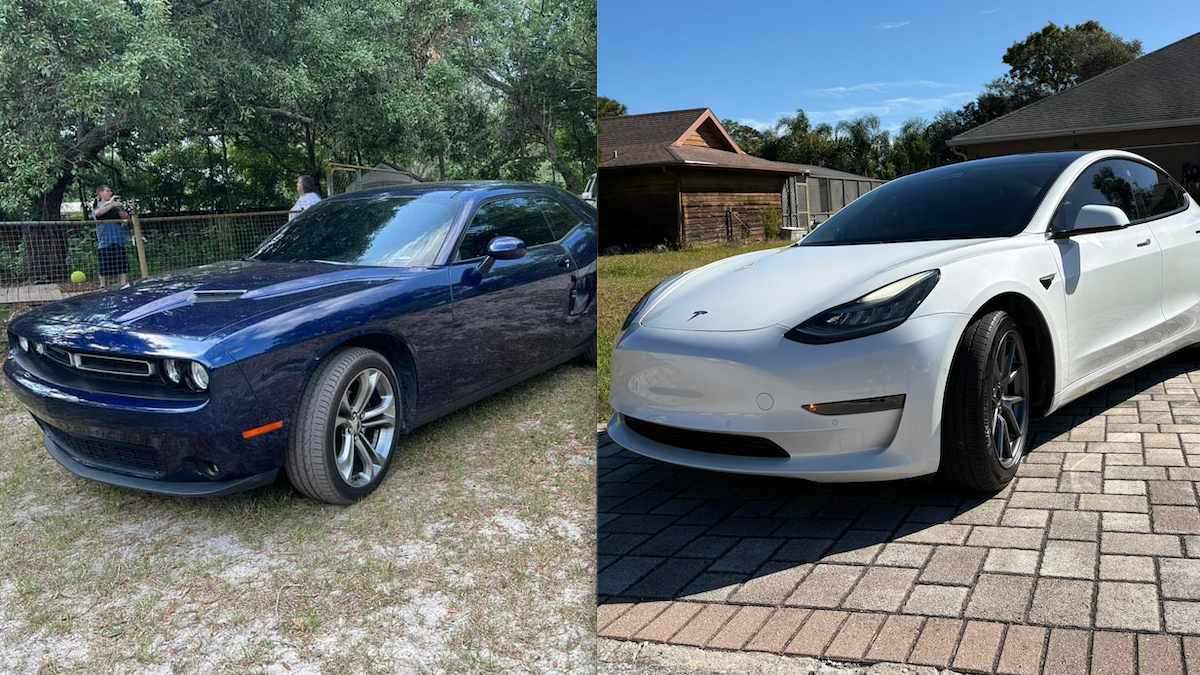

From a Dodge Challenger to a Tesla Model 3: The $10 Insurance Surprise
Imagine walking into a dealership to trade in your rumbling, gas-guzzling muscle car for a high-tech electric sedan, only to have your insurance agent deliver a soul-crushing premium hike. You brace for the worst, only to find out that protecting your new high-performance EV costs barely more than a couple of cups of coffee.
Ken Zweifel on the Tesla Model 3 and Model Y Owners Club Facebook page says,
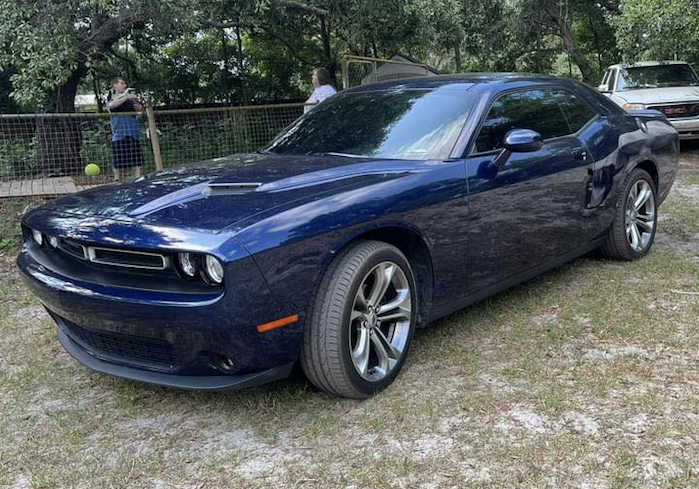
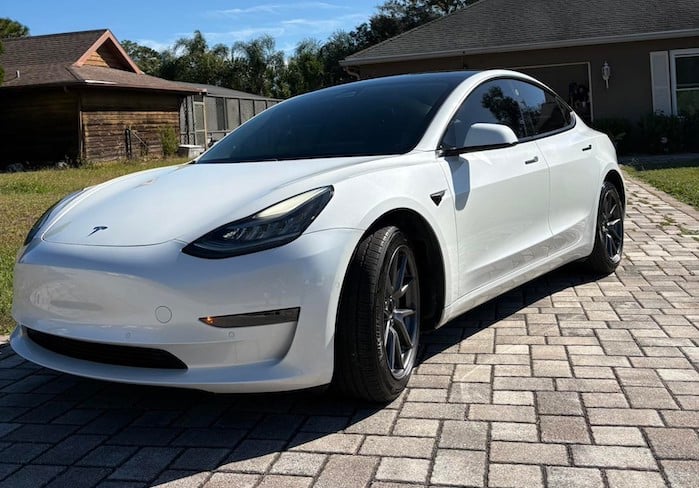
When asked, ‘What surprised you most about owning a Tesla?’ Ken says, "Insurance on a Tesla isn’t as expensive as people say. I traded my 2016 Dodge Challenger SXT in for my 2021 M3 SR+ and have almost the same coverage, but my insurance only went up $10 per month.”
The Great Tesla Insurance Debate:
After 30 years in the automotive industry, I have seen every myth in the book. I have tracked the rise of the muscle car era and the birth of the electric vehicle revolution. One of the most common questions I get from my readers is about the hidden costs of going electric. Specifically, people want to know the "real world" impact on their bank accounts when they ditch internal combustion for a battery.
So what is the real answer? Is it more expensive to insure a Tesla vehicle than other car brands? I’ll answer the question in this report.
The truth is that insurance companies view risk through a very specific lens. When Ken Zweifel traded in a 2016 Dodge Challenger SXT for a 2021 Tesla Model 3 Standard Range Plus, he wasn't just changing fuel types. He was moving from a vehicle often associated with higher accident rates among younger drivers to a car packed with some of the most advanced safety technology on the planet.
Why Some Owners See a Minimal Increase
Insurance companies love safety data. Tesla vehicles consistently earn top marks in crash testing, and features like collision avoidance and emergency braking are standard. For many insurers, these safety suites offset the higher cost of repairing an EV. If you are a middle-aged driver with a clean record, the transition from a sports coupe to a Model 3 can be surprisingly affordable.
However, the honeymoon period can end abruptly if you are involved in a collision. In my recent report, “I Was Rear-Ended In My Tesla Model 3, GEICO Refuses OEM Parts, and Now I'm Stuck Paying This Huge Bill,” I explored how the complexity of Tesla repairs can lead to friction between owners and traditional insurance carriers.
The Repair Cost Reality Check
While your monthly premium might stay low, the "cost to carrier" for a Tesla is often higher than a comparable Toyota or Honda. Tesla does not have a traditional dealer network. Repairs are handled through Tesla-owned service centers or a limited number of authorized shops. Because these cars use specialized materials such as high-strength aluminum and integrated battery packs, even a minor fender bender can result in a massive repair bill.
In another analysis I wrote, I Bought a Tesla Cybertruck, But I Didn’t Check the Cost of Insurance, Now, My New Truck Costs More Than Half of My Mortgage. I detailed how the high cost of components like sensors and high-voltage wiring can drive up the total claim amount, even if the car looks fine on the outside. This is exactly why some insurance companies charge more; they are bracing for the inevitable $20,000 repair bill for what looks like a $5,000 accident.
Tesla Insurance vs. Traditional Carriers
Tesla launched its own insurance product to solve this exact problem. By using real-time driving behavior data, they can offer lower rates to safe drivers. But it is not a perfect system. I recently covered the frustrations of some users in my report, “Tesla Model 3 Owner Says, ‘Tesla Insurance is By Far the Cheapest, But I'm Getting Scammed With Excessive Speeding While Barely Going 40 MPH’.”
If you choose Tesla’s in-house insurance, your premium can fluctuate every month based on your "Safety Score." Hard braking, aggressive turning, and even following too closely can cause your rate to spike. For some, the $10 increase Ken saw could easily turn into a $100 increase the next month if the car’s sensors misinterpret their driving style.
Key Takeaways for Tesla Buyers
- Safety Wins: Modern safety tech can keep premiums low for clean drivers.
- Repair Bills Matter: Insurance is higher for some because Teslas are expensive to fix.
- Shop Around: Traditional insurers like State Farm or Progressive may be cheaper for some, while Tesla Insurance wins for others.
- Age and Location: These remain the biggest factors, regardless of the car.
What Tesla Owners Are Saying
Not all Tesla owners agree with Ken’s experience. Here are some of the comments from across the community:
Gerald Mather: "Mine more than doubled."
Marlon Moore: "Mine too, more than double. I was paying $238 for a gas car and am now paying $470."
Luis Galdamez: "I went from a 2024 BMW X5 M60i to a Tesla Model Y Performance, and mine went up $225 a month to almost double. (I was 25 years old at the time)."
Brian Loch: "I agree. I only pay $137 a month for full coverage, just $30 more than my pickup."
Trevor Shiffermiller: "My insurance doubled, but that was expected. That is what happens when you go from a 21-year-old vehicle worth somewhere around 4k to a new car worth over 50k. Some people don’t understand that when you go from an old vehicle to a new vehicle, insurance is more expensive."
John Bondurant: "My insurance dropped from my Audi to the Tesla Model 3 Performance."
Robert John Sullivan: "2018 Chevy Volt: $565, 2026 Tesla M3 RWD: $1,363 (Semi-annual). I'm 69 with an excellent driving record. The reason my insurance company said was, 'The Tesla is high on the insurance spectrum due to very expensive repair costs when damaged."
Ian Schaafsma: "My Tesla Model S is stupid expensive for insurance! My other two cars combined cost less than half of what it does!"
Conclusion
The cost to insure a Tesla is not a one-size-fits-all figure. Factors like your age, your previous vehicle, and your choice of carrier play a massive role. While some owners like Ken Zweifel enjoy nearly identical rates after switching from a muscle car, others face a harsh reality check. If you are planning to make the switch, get an insurance quote before you sign the papers to avoid any unwanted surprises on your monthly statement.
How About You? Did your insurance go up or down when you bought your Tesla? Drop a comment below and let us know your experience!
Next Up: Think the insurance is the only cost that might surprise you? Check out my report on why the high-performance Plaid might be the fastest way to lose money on your driveway. Read More: EV Dealer Says He Paid $151K for a Tesla Model S Plaid, and Now It's Only Worth $50K
With over 30 years of industry experience, Denis Flierl brings an insider’s perspective to Torque News, where he has been a Senior Reporter since 2012. Before picking up the pen, Denis consulted for the automotive industry's biggest brands and honed his skills as a test driver. He cuts through the noise to deliver the latest auto news, compelling owner stories, and the expert analysis necessary to navigate today's changing automotive market.
Have a tip or question? Follow me on X @DenisFlierl and @WorldsCoolestRides, or connect with me on Facebook, Instagram, and LinkedIn.
Photo credit: Denis Flierl via Ken Zweifel
Set Torque News as Preferred Source on Google
Follow us today...



Comments
Challengers and Chargers are…
Permalink
Challengers and Chargers are high insurance cars. They average $250-$300 a month. They are stolen a lot, driven by kids a lot, and get into accidents a lot. For a better comparison on an electric vehicle I went from a new Escalade (‘23) to a new Hummer EV (‘25) and it went up $60 a month. Both were similar in price and both are SUV’s. EV insurance does cost more but I’m saving $60-$80 a week in gas where the truck only takes $5-$6 a week to charge.