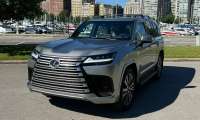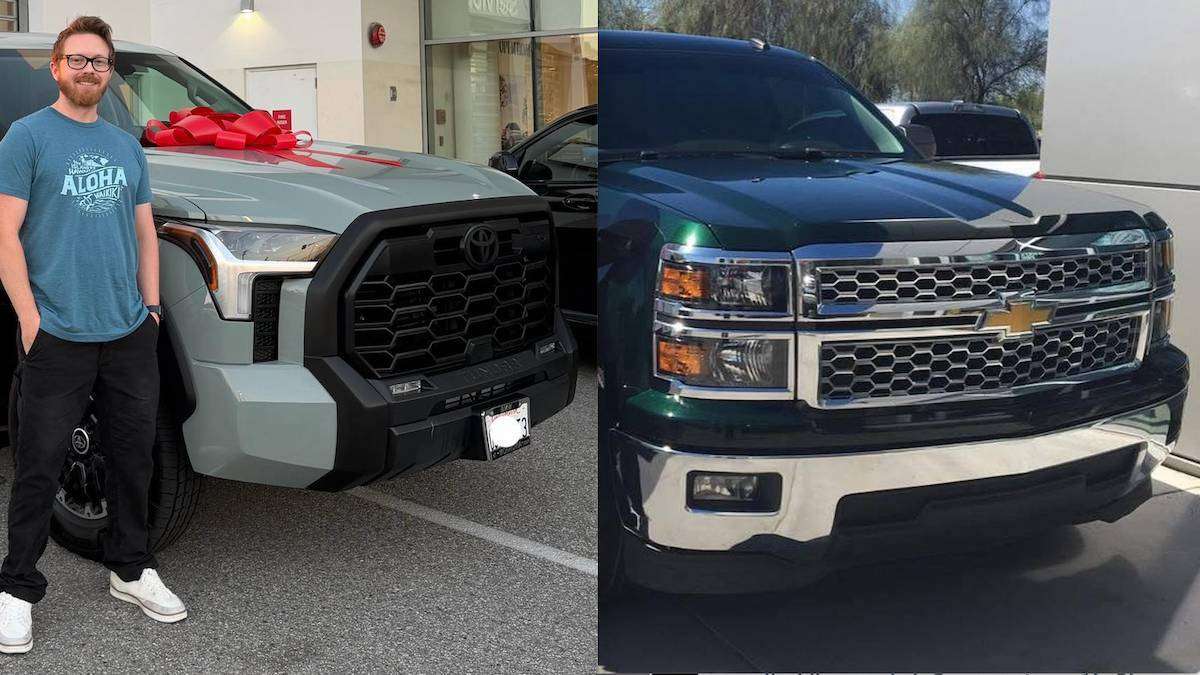

His 2014 Chevy Silverado financially ruined Jason, but when his new 2023 Toyota Tundra was recalled for an engine issue, he felt relieved—find out why his disastrous Chevy experience made him trust Toyota more.
The Great Truck Divorce: Why the Toyota Tundra Recall is a Lifeline, Not a Liability, for Former Chevy Owners
I saw this post that perfectly encapsulates the emotional and financial tightrope that truck owners walk when dealing with reliability issues. Over the 14 years I've covered the auto industry for Torque News, I've seen countless reports of mechanical failures. Still, Jason Henderson's recent experience switching from Chevy to Toyota offers a unique and actionable insight into what really defines long-term customer satisfaction: accountability.
This report is for those of you who are weighing a purchase and wondering which brand deserves your hard-earned dollar. Trust me, the difference between a known defect and a recalled defect is everything.
Jason, who recently shared his story on the 2023-2026 Toyota Tundra Owners Facebook page, painted a grim picture of his former ride:
"About 9 years ago, I purchased that 2014 Silverado you see... it quickly became one of the biggest money pits I ever had. The biggest issue is that these trucks had transmission problems. Sure enough, mine went out, and I spent $6,500 to repair it. Less than one year after the repair, it went out again, and the engine was starting to go because of active fuel management, which was also a known issue. The engine ticking got worse right after the transmission repair."

This story cuts to the core of the problem with the long-term costs of Chevy Silverado active fuel management (AFM) issues and premature transmission failures (often the 8-speed, though Jason's 2014 likely had the earlier 6L80, which also had issues). When a manufacturer is aware of systemic problems such as lifter failure due to AFM/DFM and rough shifting or clutch contamination in transmissions, yet refuses to issue comprehensive recalls, the owner shoulders the entire burden.
Jason spent $6,500 with little to no help from the brand, underscoring why truck owners are switching from the Chevy Silverado to the Toyota Tundra.
Toyota's Accountability is the New Reliability
Now, contrast Jason's Silverado nightmare with his Tundra experience. His 2023 Tundra was recently included in the high-profile engine recall (concerning potential machining debris left in the V35A twin-turbo V6), an issue I've covered extensively. His reaction wasn't anger; it was relief:
"I honestly felt relieved because Toyota is at least going to replace this engine if and when it does go out. I won't have to pay some ridiculous amount like I did with Chevy, all because they won't recall their trucks with their known issues."
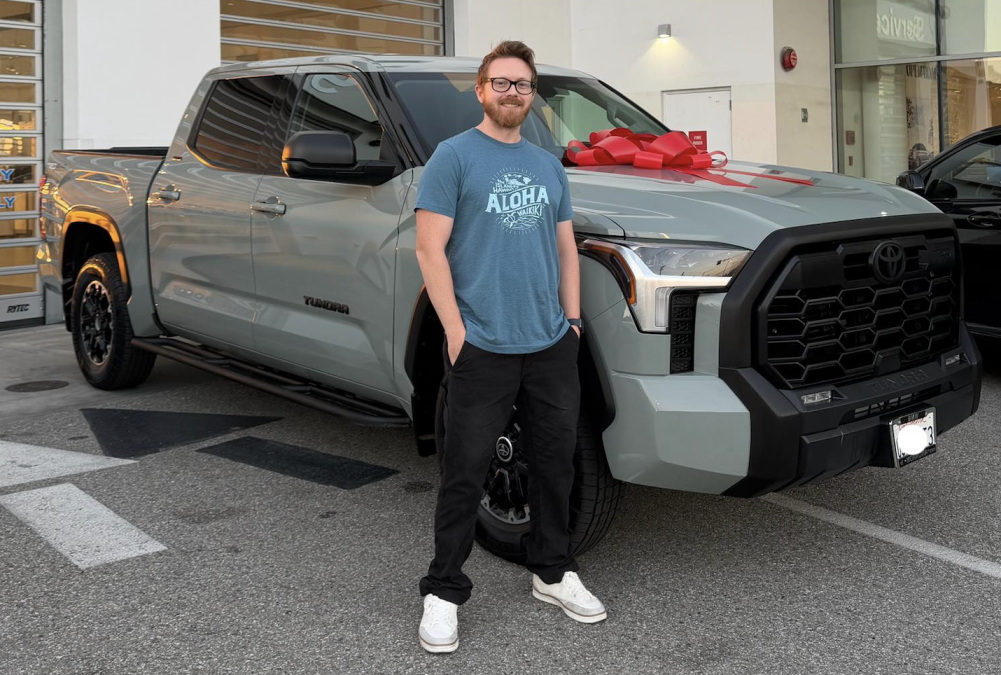
This is the central takeaway: Trusting Toyota's handling of known engine defects is a smarter bet than waiting for a silent failure on a truck where the manufacturer denies responsibility.
Yes, the 2022-2023 Tundra engine problems are serious. But Toyota has initiated a massive recall to remedy the issue, often opting for full engine replacements or short blocks for affected vehicles. This proactive approach ensures two critical things: first, the owner is made whole at no cost, and second, they often provide loaner vehicles. Jason explicitly mentioned the positive difference when comparing the Toyota Tundra dealer support loaner car policy to the lack of support he received from Chevy.
This is the ultimate competitive advantage, and my expert analysis on full-size truck recalls confirms it. Toyota is protecting its reputation even as it stumbles on quality control for the new-generation twin-turbo V6 engine. For owners worried about the future, knowing that the Toyota Tundra twin-turbo V6 engine recall process has been explained and that factory-backed replacement parts are available should provide significant peace of mind.
Takeaways for the Tundra Owner
- Be Proactive, Not Reactive: If your Tundra is affected by the engine recall (TSB 24TA07 for debris) or the transmission software recall (TSB 24TA02), don't wait for failure. Contact your dealer immediately. The best way to ensure the 2023-2026 Toyota Tundra V6 engine's reliability after the recall is to ensure the fix is implemented correctly and documented.
- Document Everything: As I advised in my previous reports, keep meticulous records of all dealer communications, service tickets, and loaner car agreements.
- Check the VIN: You can verify if your vehicle is covered by the recall using the NHTSA VIN checker or Toyota's specific recall site.
What the Community is Saying
The truck community is deeply split on this generational reliability shift, reflecting the high stakes and high expectations of modern truck buyers:
- Reddit (u/Rand0mRee): "MSRP is too high for these trucks given the reliability and fit and finish issues... I'm still dealing with Toyota refusing to fix my door alignment issue, and for a truck that has a sticker of $67K, that's completely unacceptable."
- YouTube (Curtis Stanush): "This is too many already. I have a 2024 Tundra, and I am worried. Wish I bought a 2021 Tundra used."
- Quora (Exciting-Bid6590): "I'm just glad they are doing the right thing and swapping the motor. I usually keep my trucks about 8 years… That's the right move to bring brand loyalty back."
While some owners are fuming over the defects themselves, the overwhelming consensus is that Toyota's official, factory-supported solution is infinitely better than the silent refusal to fix systemic issues seen in some rival brands. The core battle isn't about perfection; it's about the customer experience after failure.
You can read more about how other owners are dealing with this dilemma in my report on the owner whose Tundra lost power at the dealer: My Toyota Tundra Suddenly Lost Power and I Need a New Engine, I've Been to the Dealer - Torque News. You might also be interested in my coverage of the GM transmission issues Jason faced: My Chevy Silverado is Garbage, Left Me On the Side Of the Road, Not Even 30K - Torque News.
In The End
Ultimately, Jason's story serves as a powerful reminder that accountability is the cornerstone of long-term value.
We Want To Hear From You
Here's the key question I want you to consider: Given the choice between a truck with known issues under an active, manufacturer-funded recall (Toyota) and a truck with known issues that the manufacturer largely ignores (GM/Chevy issues like AFM), which risk profile gives you greater confidence in your investment?
Click the red Add New Comment link below and let us know.
I'm Denis Flierl, a Senior Torque News Reporter since 2012, bringing over 30 years of automotive expertise to every story. My career began with a consulting role for every major car brand, followed by years as a freelance journalist test-driving new vehicles—equipping me with a wealth of insider knowledge. I specialize in delivering the latest auto news, sharing compelling owner stories, and providing expert, up-to-date analysis to keep you fully informed.
Follow me on X @DenisFlierl, @WorldsCoolestRides, Facebook, and Instagram
Photo credit: Denis Flierl via Jason Henderson - Facebook
Set Torque News as Preferred Source on Google
Follow us today...