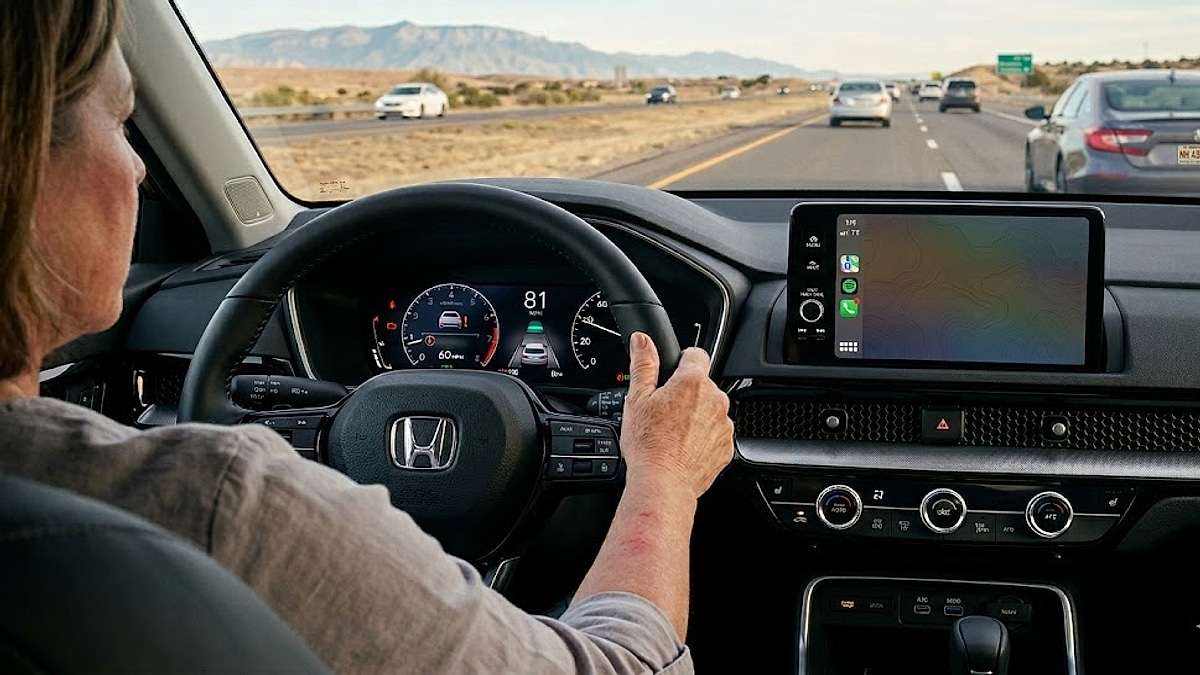

The 2025 Honda CR-V, long considered a gold standard for reliability in the compact SUV segment, is facing alarming new scrutiny following reports of high-speed unintended acceleration and sudden electrical malfunctions. As a senior reporter with 30 years of automotive experience, I am investigating a harrowing incident involving a 2025 CR-V owner whose vehicle surged from 60 to 80 mph on a New Mexico interstate without driver input.
Crucially, the driver reports that the brake pedal failed to respond, while the accelerator pedal seemed to depress itself to the floor. This report analyzes the technical intersection of Honda’s "fly-by-wire" throttle systems, the Adaptive Cruise Control (ACC) software, and a bizarre secondary symptom: the spontaneous activation of heated seats to dangerous temperatures. I delve into "Who, How, and Why" this occurred, providing actionable steps for owners facing similar safety risks.
2025 Honda CR-V "Phantom Acceleration" Alert: What You Need To Know
I have spent three decades under the hoods and behind the wheels of Honda’s most popular models, and what I am seeing with the 2025 CR-V is deeply concerning. Just last week, I wrote about the 2023-2025 Honda CR-V "Sticky Steering" Nightmare, which has left owners terrified as their steering wheels "lock up" at highway speeds. Now, a new and potentially more lethal issue is emerging: unintended rapid acceleration.
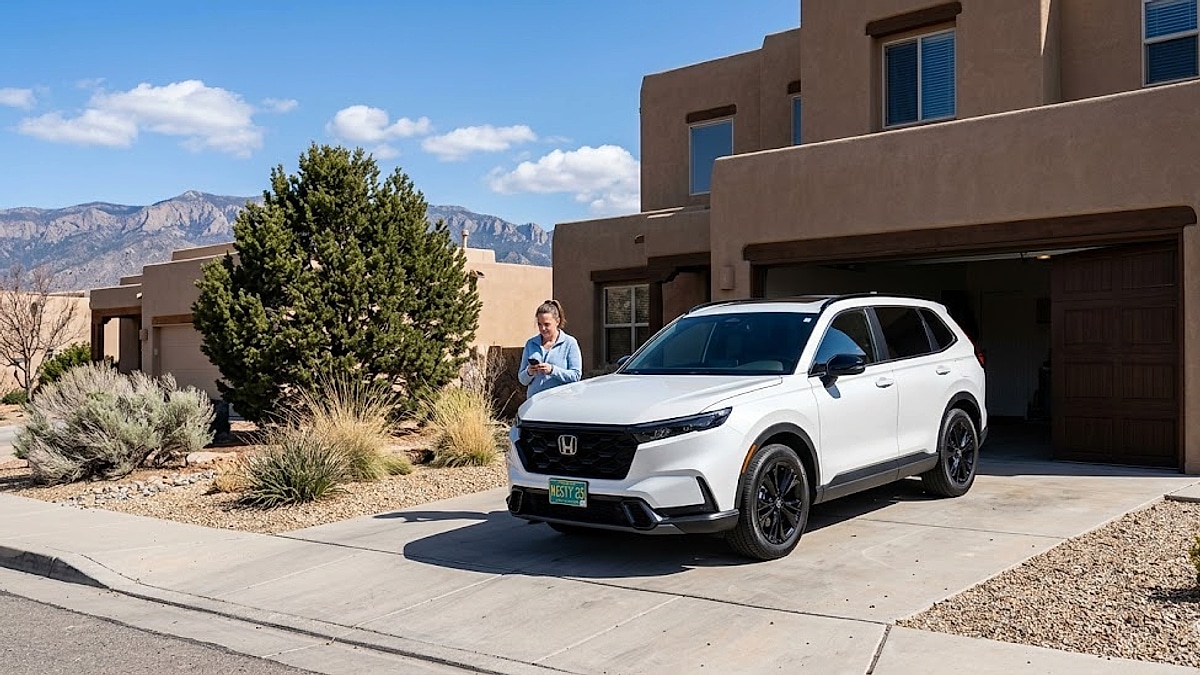
The most recent report comes from Misty Stricker in Albuquerque, New Mexico. While driving her brand-new 2025 CR-V on the interstate, she watched it transform from a family hauler into an unguided missile. Misty shared her experience on the Honda CRV Community Facebook page, stating:
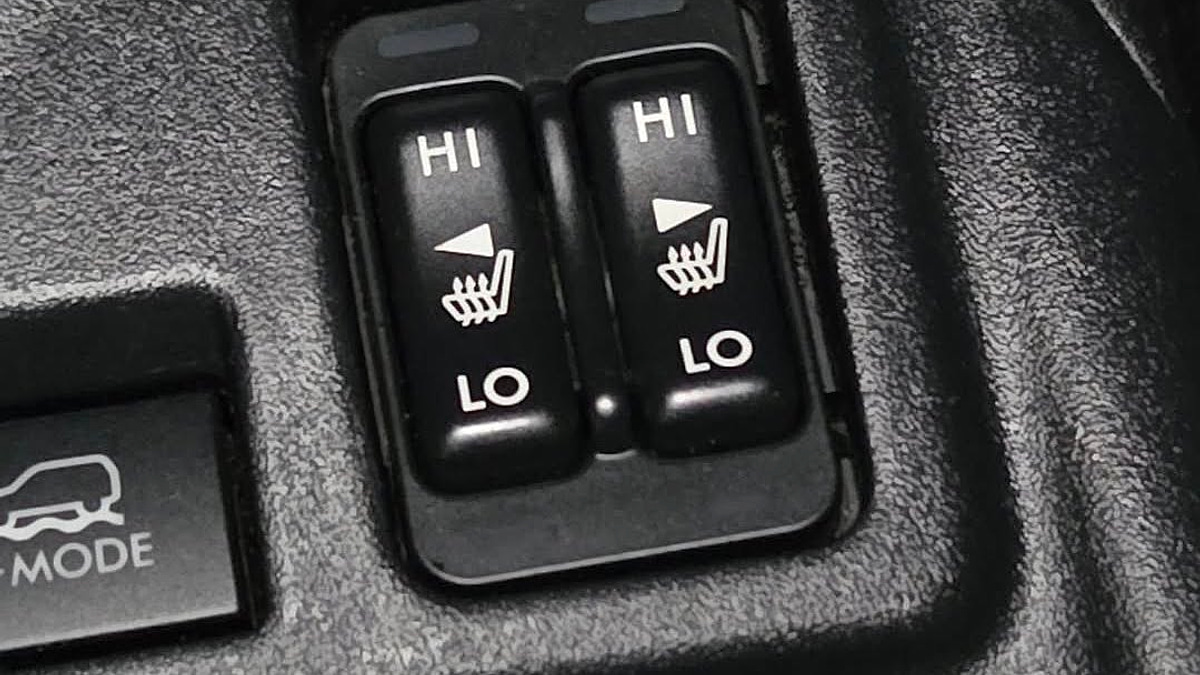
“I had a rapid acceleration incident while driving my 2025 CRV. Yesterday, while on the interstate, the car went from 60 mph to 80 mph in seconds and wouldn’t stop or slow down. The brake wouldn’t stop it, and the gas pedal went all the way to the floor on its own. I finally got it to stop when I turned the cruise control off and on multiple times. I have no idea why that worked. Immediately after the rapid acceleration stopped, all of a sudden the heated seats turned on and got so hot it burned my back. It’s 90 degrees here, I didn’t even have heated seats turned on. Now I’m scared to drive my new CR-V.”
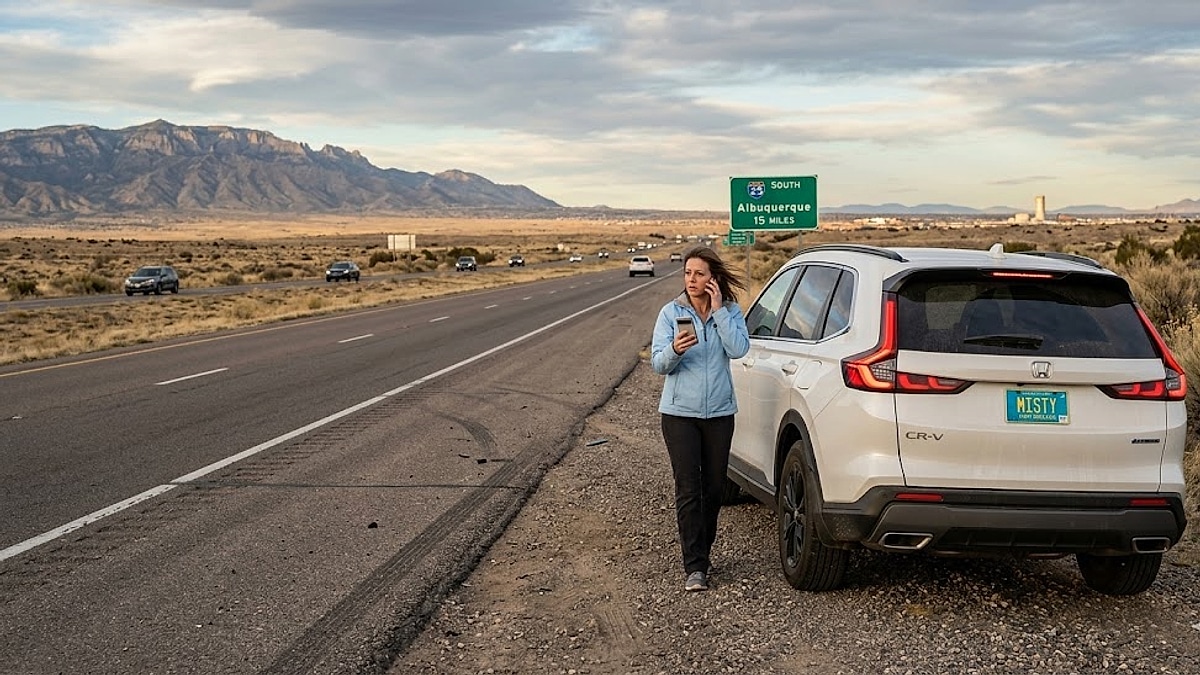
From my view, the detail about the gas pedal "going to the floor on its own" is a massive red flag. In modern vehicles, the pedal is not physically connected to the engine by a cable; it is an electronic sensor. For the pedal to physically move or for the computer to command wide-open throttle indicates a severe logic failure in the Honda Sensing suite. This aligns with recent findings, in which several complaints highlight dangerous brake system failures and unintended acceleration, with owners reporting instances where pressing the brake pedal failed to stop the vehicle, as detailed in this expert report.
The "Who, How, and Why" of the CR-V Surge
Who Is Affected?
While this incident occurred with a 2025 model in New Mexico, I believe all 2023-2026 CR-V owners using the 1.5L Turbo or 2.0L Hybrid powertrains should be on high alert. The "Who" isn't just the driver; it is anyone in the path of a vehicle that refuses to decelerate.
How Does It Happen?
The "How" appears linked to the Adaptive Cruise Control (ACC) and the vehicle's "Throttle-by-Wire" system. In Misty’s case, toggling the Cruise Control on and off was the only thing that broke the software’s "death grip" on the throttle. I’ve seen similar "ghost in the machine" issues before. In my coverage of the Honda Tech Warns CR-V 1.5L Owners about engine design flaws, I noted that electronic glitches often precede mechanical failure, a perspective you can find here.
Why Does the Seat Heat Up?
The "Why" regarding the heated seats is the most baffling part of this report. When a vehicle's Controller Area Network (CAN bus) experiences a "spike" or a logic hang, it can send erratic signals to unrelated systems. If the ECM (Electronic Control Module) is "crashing," it can inadvertently trigger the seat heaters or other high-draw electrical components.
This indicates that the 2025 CR-V may have a systemic electrical grounding issue or a software conflict. Other experts have noted that the problem could be a failed sensor or a software glitch in the Honda Sensing system that incorrectly estimates distance or throttle requirements.
My Take: An Investigation Into the "Ghost" Throttle
In my 30 years of reporting, I’ve learned that when an owner says the "brake wouldn't stop it," we have to listen. Normally, modern cars have a "Brake Over Throttle" override. If you hit the brake, the computer should kill the engine power. If that didn't happen for Misty, we are looking at a total system bypass.
What You Need To Know
- Immediate Danger: If your CR-V accelerates unexpectedly, do not just pump the brakes. Shift the car into Neutral (N) immediately. This disconnects the engine from the wheels.
- Cruise Control Override: As Misty discovered, toggling the Main Cruise button may reset the throttle logic, but this should only be a last resort.
- NHTSA Documentation: You must file a report with the National Highway Traffic Safety Administration. Manufacturers only issue recalls when the "data pile" becomes too high to ignore.
- The "Heat" Symptom: Spontaneous seat heating indicates a major electrical short or a CAN bus error. If this happens, pull over immediately.
Field Observations from Owner Communities
I’m not the only one hearing these stories. The "digital grapevine" is buzzing with similar reports that mirror Misty's terrifying afternoon. In a recent technical discussion on r/CRV, one owner shared a frighteningly similar experience: "I had a 2025 crv hybrid... when I was pulling into a parking space... my brake gave me a problem. I pressed a little harder, and the car accelerated, and I hit a tree," which you can read in the full discussion.
Another owner highlighted the vulnerability of the electronics in these new models, mentioning, "Bluedriver now shows... a lot of codes that don't appear relevant, such as cruise control, parking sensors, heated seat," which I found in this Reddit thread. This perfectly mirrors Misty’s experience with the heated seats turning on during a throttle event; it’s a "cascading failure" of the car's central nervous system.
Key Takeaways for 2025 Honda CR-V Owners
- Trust Your Gut: If the car feels "jerky" while on Adaptive Cruise Control, stop using the feature until a dealer performs a software sweep.
- Floor Mat Check: While Misty’s report sounds software-based, always ensure your floor mats are clipped into the floor anchors.
- Document Everything: If your seats turn on by themselves or your dash lights flicker, take a video with your phone (safely) to show the dealer. "No codes found" is a common dealer excuse that video evidence can debunk.
- Neutral Is Your Friend: Remember that shifting to Neutral is the most effective way to stop a runaway vehicle.
From My View: The Road Ahead
Honda has built a reputation on being the "sensible" choice, but these reports of unintended acceleration are a stain on that legacy. I’ve seen this before with other manufacturers, and it usually ends with a massive "Over-the-Air" (OTA) software update or a physical recall of the throttle position sensor. My advice to Misty and to you is to park the car if it exhibits any of these "phantom" behaviors. No commute is worth your life.
I will continue to track these 2025 CR-V reports closely. If you have experienced "phantom braking" or "phantom acceleration," I want to hear from you. We need to build a case that Honda cannot ignore.
In The End
The 2025 Honda CR-V is currently one of the best-selling vehicles in America, but sales figures mean nothing if the safety systems are compromised. Misty Stricker’s experience in Albuquerque is a harrowing reminder that as cars become more like computers on wheels, the bugs in the code can have life-altering consequences. Whether it is a "sticky" steering rack or a "runaway" throttle, the common denominator is a failure in the electronic architecture that oversees your safety.
What Should CR-V Owners Do Next?
If you believe your vehicle is exhibiting these dangerous acceleration or electrical behaviors, you must take formal action to ensure your voice is part of the federal safety record. To file a safety complaint, visit NHTSA.gov and click on "Report a Safety Problem" to access the online form, which requires your Vehicle Identification Number (VIN), current mileage, and a detailed description of the incident.
Alternatively, you can call the NHTSA Vehicle Safety Hotline toll-free at 888-327-4236 (TTY: 888-275-9171), where English and Spanish-speaking agents are available Monday through Friday, 8 a.m. to 8 p.m. ET. Every report is reviewed by technical experts to determine if a formal investigation or safety recall is warranted, making your documentation a critical step in protecting other drivers on the road.
Next Question: Will Honda Issue a Recall for the 2025 CR-V Acceleration Issues?
The most urgent question for owners is whether Honda will initiate a formal safety recall to address these "phantom acceleration" and electrical surges. As of early 2026, while the National Highway Traffic Safety Administration (NHTSA) has received an increasing volume of consumer complaints regarding the 2023–2025 CR-V’s Honda Sensing suite and Throttle-by-Wire malfunctions, a mandatory recall has not yet been issued.
However, the precedent set by the ongoing federal investigation into "sticky steering" suggests that a formal Preliminary Evaluation (PE) is the likely next step. It is vital to understand that a recall is triggered only once a specific "defect trend" is established through documented NHTSA reports. To protect yourself and expedite this process, you should immediately check your VIN on the NHTSA Recall Lookup Tool and schedule a "Diagnostic Scan" at your dealership to document any U-series (Network) or P-series (Powertrain) communication codes in the vehicle's permanent history.
It's Your Turn: Have you ever felt your Honda "take over" the throttle, or seen your electronics go haywire for no reason? Your experience could help other owners stay safe. Please leave a comment in the red “Add new comment” link below.
About The Author
Denis Flierl is a 14-year Senior Reporter at Torque News and a member of the Rocky Mountain Automotive Press (RMAP) with 30+ years of industry experience. Based in Parker, Colorado, Denis leverages the Rockies' high-altitude terrain as a rigorous testing ground to provide "boots-on-the-ground" analysis for readers across the Rocky Mountain region, California EV corridors, the Northeast, Texas truck markets, and Midwest agricultural zones. A former professional test driver and consultant for Ford, GM, Ram, Toyota, and Tesla, he delivers data-backed insights on reliability and market shifts. Denis cuts through the noise to provide national audiences with the real-world reporting today’s landscape demands. Connect with Denis: Find him on LinkedIn, X @DenisFlierl, @WorldsCoolestRides, Facebook, and Instagram.
Photo credit: Denis Flierl
Set Torque News as Preferred Source on Google
Follow us today...