
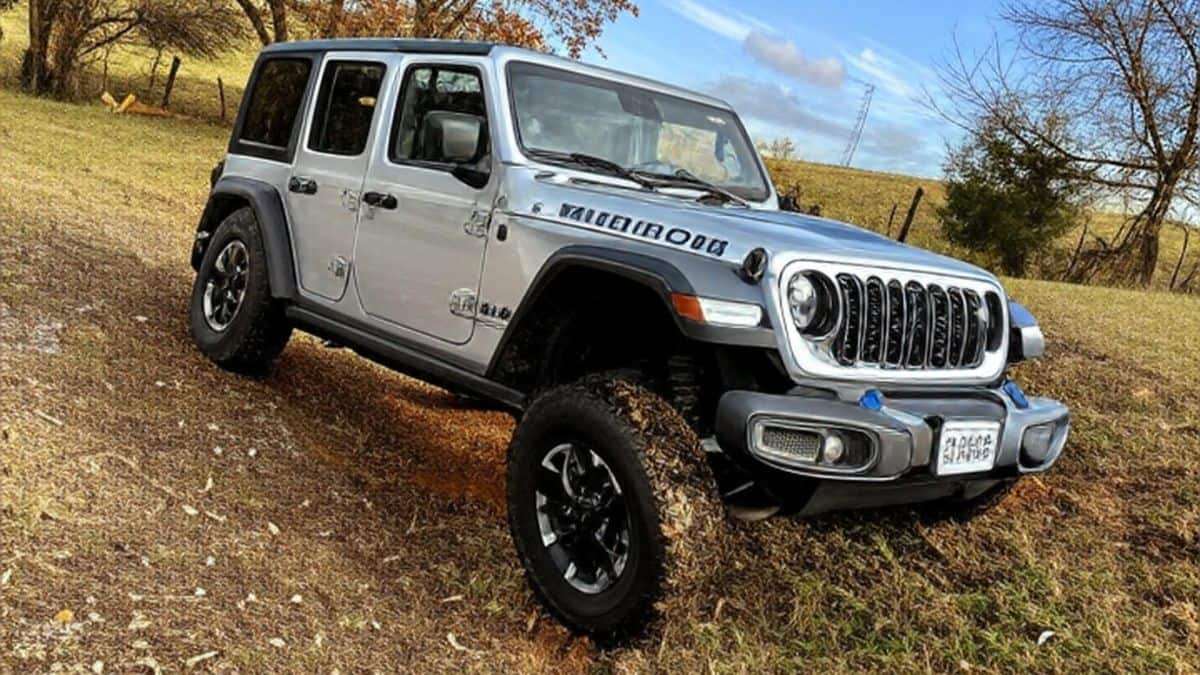

It begins like every dream purchase does. You sign the papers, drive away in your brand-new Jeep Rubicon 4XE, and feel that rush of pride that comes with finally owning one of the most capable plug-in hybrids on the market. The drive is silent when it should be, powerful when it must be, and loaded with technology. But just as you start to think you’ve made the right decision, something unexpected happens. A leak. A recall. And suddenly, that excitement turns into uncertainty.
That’s exactly what happened to Dylan T, a new Jeep 4XE owner whose story caught my eye while scrolling through the Jeep 4XE Fans Facebook group. His post quickly became one of the most discussed topics of the week because it captures what so many Jeep owners are quietly feeling right now: satisfaction, frustration, and confusion all at once.
“Purchased this 2 weeks ago, went back to the dealer the following week due to an oil cooler leaking, was in a loaner when the 68C recall was announced. Got my Jeep back the day VIN numbers populated and found that mine was affected. But prior to that recall mine had never been recalled for anything! I really hope mine isn’t under the newest recall about the engine failure, but mine is a 2024. It also has almost 50k miles, so I feel if it was contaminated by sand during the casting process, my engine would have bit the dust by now.
With that being said, there is so much negativity on Jeep (even though the batteries are made by Samsung)! Literally any new vehicle that comes out is gonna have a flaw, or a few recalls. Yes, it’s a bummer, especially since I bought this to charge and maximize gas savings. But I LOVE this platform. Really just for the power they have, and this is my first Rubicon, I’ve wanted one since I was 16.
As far as the newest recall about the engines, GM had a recall on nearly 800k engines.
Tesla has a recall on certain 25-26 model 3 and model Y battery packs, granted, it only affects about 13000 vehicles, which is high for a manufacturer that’s been into EV cars for this long. But the kicker- the batteries aren’t made by Tesla, they’re made by Panasonic. Point being, some of these things the manufacturer takes the fall for, but it’s sorta out of their control. What is in control is how they make it right by the owners!
So in the meantime, drive & enjoy your Jeep as you normally would, following Jeep's recall instructions, and maybe add GAP if you’re upside down in the rare event yours was to go up in flames or stall on a railroad track. Use caution (which you should always do) when darting across traffic or any situation that could put you or your family in danger if your engine locks up, or your vehicle catches fire.
Always be prepared for the worst but try for the best!”
That’s not a rant. It’s the reflection of someone who loves his vehicle but can’t shake that uneasy feeling of what might go wrong next. Dylan’s experience, surprisingly common among Jeep 4XE owners, raises a bigger question: how much trouble is too much trouble for an owner to keep the faith?
Jeep 4XE Recall 68C Explained: Fire Risk, Battery Issues, and Owner Reactions
The 68C recall that Dylan mentioned has become a major topic of discussion across Jeep forums and social media. On November 5, the National Highway Traffic Safety Administration (NHTSA) released an official report revealing that Chrysler was recalling more than 320,000 plug-in hybrid electric Jeep vehicles - specifically, model year 2020–2025 Jeep Wrangler 4XE and model year 2022–2026 Jeep Grand Cherokee 4XE models.
The report stated that the affected vehicles could catch fire while parked or driven, due to potential damage inside the battery pack. Owners are advised to park outside and away from structures, and to avoid charging the vehicles until repairs are made. The recall affects 228,221 Wranglers and 91,844 Grand Cherokees, including some that had already been “repaired” under a previous recall that turned out to be ineffective.
That part is what really stings. Chrysler confirmed that the previous software remedy could not always detect the abnormalities that might lead to a fire. In other words, owners who thought their vehicles were safe are back in the same uncertain situation.
As reported in this analysis from Torque News, Jeep has held a strong lead in plug-in hybrid sales across the United States, but these ongoing reliability and recall issues could weaken that position. Recalls happen in every brand, but when the same issue resurfaces, it begins to test the patience of even the most loyal fans.
Real Jeep Owners React to the 68C Recall: Anger, Humor, and Hope
When Dylan shared his story, the Facebook group lit up with reactions. Jeep owners are a passionate community, and their replies showed a mix of humor, frustration, and loyalty.
Sabi Cee had one of the most optimistic takes on the whole situation: “Honestly, I would be thrilled if mine needs a battery replacement (although I've not had any issues). I plan on driving this thing for a long time, and gaining a warranty extension of unlimited years/unlimited mileage on it sounds good to me.”
It’s an unexpected perspective, but a practical one. A full battery replacement under recall often means a brand-new component and extended coverage, which could actually benefit long-term owners.
Jackie Martinez added, “Great perspective! Mine is my daily, has had multiple recalls, but no issues other than a dead tail light and requiring a new 12v but that’s required for any vehicle. Just installed lights on it last night (the orange ones).”
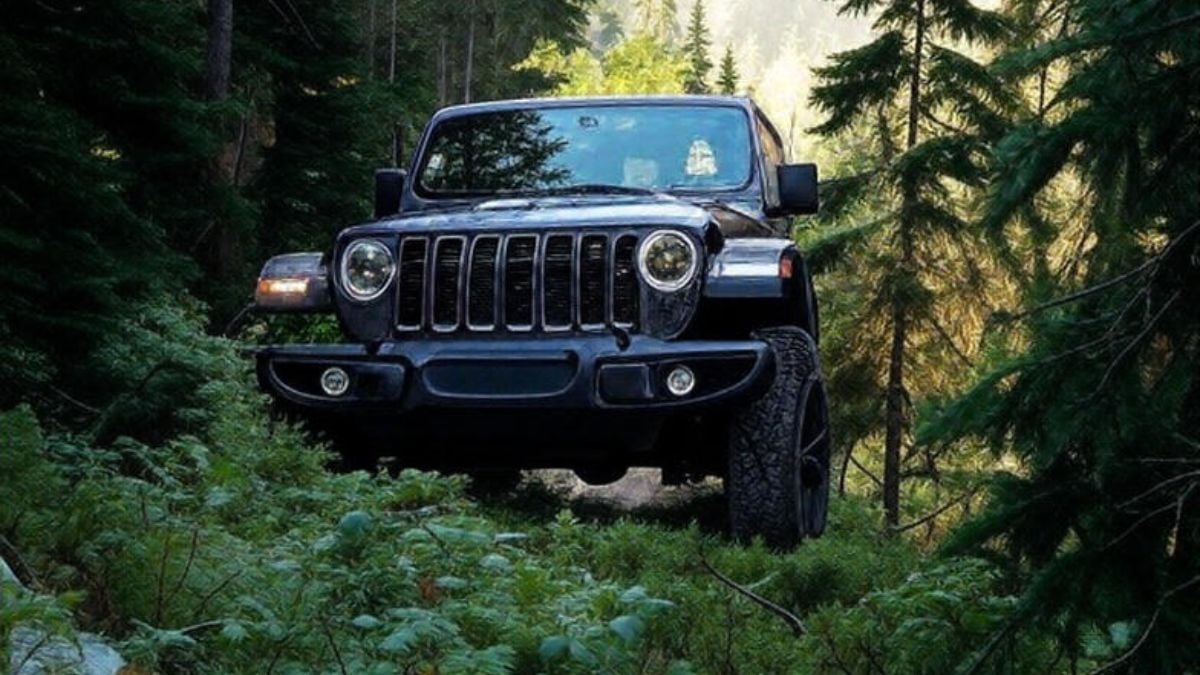
That kind of upbeat attitude might surprise those who assume Jeep owners are fed up, but it reflects the spirit of the community. Despite recurring issues, many are still modifying, upgrading, and enjoying their Jeeps.
Jim Bossier’s comment brought both humor and common sense: “Toyota has a massive engine recall too. We are all waiting to see how many are affected by this engine recall. Maybe I can get a battery and an engine in one trip. Kinda like a twofer. Not charging costs you, what, maybe a gallon of extra gas? But it could save your house and your loved ones.”
He’s right. Every manufacturer faces recalls. Toyota recently had its own engine recall, and Tesla has also dealt with battery-related issues. In fact, Torque News previously reported on a recall affecting certain 2025 and 2026 Tesla Model 3 and Model Y battery packs. So while Jeep’s issue is serious, it’s not entirely unique in today’s complex automotive landscape.
Elizabeth Walker’s comment summed up the thread’s overall tone: “I still love mine, it’s my second 4XE.” That kind of commitment tells you something powerful about the bond between Jeep and its drivers.
How Jeep Owners Can Stay Safe and Protect Their 4XE During the Recall
For anyone owning a Jeep Wrangler 4XE or Grand Cherokee 4XE affected by the recall, there are practical steps to follow. First, confirm whether your vehicle’s VIN is listed under the 68C recall. You can do this through Jeep’s official recall website or the NHTSA VIN lookup. Once confirmed, follow Jeep’s parking and charging instructions carefully.
Owners should not charge their vehicle until it has been repaired. While waiting, it’s smart to park outdoors and away from structures. This reduces the risk of fire damage to your property.
Dylan’s suggestion about GAP insurance is another smart move, especially for those who owe more than their Jeep’s current market value. If a recall-related incident were to cause a total loss, GAP coverage can protect owners from being stuck with leftover loan payments.
In the meantime, some owners have started using battery monitoring devices. These products track battery temperature and charge status, alerting owners to unusual changes. While these tools don’t replace Jeep’s recall fix, they do give drivers a sense of control: something many feel they have lost in the recall process. It’s a simple example of how innovation can meet a real-world need for peace of mind.
What This Recall Means for Jeep’s Future in Plug-In Hybrid Sales
The Jeep Wrangler 4XE has been the top-selling plug-in hybrid in America for two years, which is no small feat. The model’s success shows that buyers are eager for vehicles that combine off-road capability with electric efficiency. But the ongoing recalls could jeopardize that success if they remain unchecked.
As Torque News explored in this report about Jeep’s long-delayed Recon EV, the brand’s transition to electrification has already faced setbacks. The Wrangler 4XE was supposed to be the bridge between old-school off-roading and the EV future, but that bridge now feels shaky.
It’s easy to criticize recalls, but they also represent accountability. Jeep could have stayed silent, but it chose to face the problem and issue a broad recall. That decision might frustrate owners in the short term, but it could also build credibility over time.
In one of Torque News’s most-read Jeep stories, an owner described four major breakdowns in a year and 60 days spent in the shop. That story reflects what happens when communication breaks down between automakers and owners. If Jeep can learn from that and be transparent with its recall updates, it could turn this setback into an opportunity to rebuild trust.
How to Check If Your Jeep 4XE VIN Is Affected by a Recall
One of the first steps any Jeep 4XE owner should take after hearing about a recall is to confirm whether their specific vehicle is affected. The easiest way is to visit Jeep’s official recall lookup page or the NHTSA VIN search tool. You just input your VIN and it will tell you if there are any active recalls. It is a simple step, but many owners skip it, assuming that because their dealer never mentioned anything, they must be fine. That unchecked assumption can lead to unnecessary risk, especially with a serious recall like the 68C that involves fire hazards.
Even if your Jeep appears unaffected, it is smart to check regularly. New recalls can be issued retroactively, and VIN information updates can take time to propagate. This is especially true for vehicles like Dylan’s 2024 Rubicon 4XE, which already had an oil cooler leak before the recall. Checking VIN status yourself puts control back in your hands and removes that shadow of doubt that can hang over ownership when you are unsure if your car is safe. Think of it like running a quick diagnostic on your vehicle before setting off on a long trip. It is a small effort with surprisingly pleasant peace of mind as the payoff.
Best Practices for Parking and Charging During a Jeep 4XE Battery Recall
One of the trickiest aspects of the 68C recall is the specific instructions Jeep owners must follow while waiting for a fix. The batteries are at higher risk when charged, so charging an affected vehicle can turn a simple parked Jeep into a potential fire hazard. The practical recommendation is to park outdoors, away from structures, and refrain from charging until the recall remedy has been completed. Even if you feel confident that your Jeep is “fine,” this is a risk you do not want to take - the consequences of ignoring these instructions could be severe.
There are a few additional measures owners can take to reduce risk. For example, keep a working fire extinguisher in the vehicle or nearby, and avoid leaving the vehicle unattended in unusual locations. Some owners have also started using battery monitoring tools, which can provide early alerts if the temperature or voltage behaves abnormally. These practices are not substitutes for the official recall fix, but they represent a proactive approach. Essentially, you are creating layers of protection for your family, your property, and your peace of mind, all while your Jeep waits for the official remedy.
Understanding the Real-World Impact of Recalls on Long-Term Vehicle Ownership
Recalls, especially when they involve major components like the battery or engine, can feel like a punch to your confidence. But they also reveal something important about the realities of modern vehicle ownership: even cutting-edge plug-in hybrids are complex machines, and unexpected events happen. Understanding this can help owners make better decisions about maintenance, insurance, and future purchases. For instance, Dylan mentioned GAP insurance as a way to protect himself from a total loss scenario. That kind of forward thinking turns an unpleasant situation into an opportunity to safeguard your investment.
Another real-world consideration is community knowledge. Online Jeep forums and Facebook groups can provide early warnings, practical advice, and reassurance from owners who have experienced the same recalls. Learning from others’ experiences - what worked, what didn’t, and how long fixes took - helps you navigate the recall process more confidently. It is a reminder that owning a Jeep, or any plug-in hybrid, is not just about the vehicle itself but about engaging with the broader ownership ecosystem. Staying informed, proactive, and connected makes the ownership journey safer and surprisingly pleasant, even when dealing with unlikable recalls.
With Your Cars Be Prepared for the Worst, Hope for the Best
Now, let's get back to Dylan. His final words say more than any official statement could. He writes, “Always be prepared for the worst but try for the best.” That philosophy applies not only to Jeep ownership but to life itself. There will always be unexpected events, surprising occurrences, and sudden changes that challenge your patience and optimism.
Yet, like Dylan and thousands of other Jeep owners, you can choose to stay hopeful. Recalls do not define the entire ownership experience. What defines it is how you handle the challenges, and how the manufacturer responds to them.
Jeep is now facing a test of its integrity. The next few months will reveal whether the company can restore confidence and prove that its hybrid technology is ready for the long haul. For now, owners must stay informed, stay cautious, and above all, stay grounded in the idea that progress always comes with growing pains.
So, I’ll end with two questions for you, the reader. Have you ever experienced a recall that changed the way you viewed your vehicle or brand? And if you own a Jeep 4XE, does this 68C recall make you more cautious or more confident that Jeep will stand behind its vehicles?
Share your story in the comments below because sometimes, the most valuable part of these discussions is hearing how others navigate the same uncertain road.
Armen Hareyan is the founder and Editor-in-Chief of Torque News. He founded TorqueNews.com in 2010, which since then has been publishing expert news and analysis about the automotive industry. He can be reached at Torque News Twitter, Linkedin, and Youtube. He has more than a decade of expertise in the automotive industry with a special interest in Tesla and electric vehicles.
Image sources: Original images by Grok reimagined.
Set Torque News as Preferred Source on Google
Follow us today...


Comments
Sorry in advance for the…
Permalink
Sorry in advance for the length. In 2009 I bought an 08 Wrangler Sahara off lease, with 9000 miles, by 40,000 miles it was consuming a little under a quart of oil every thousand miles. At a 5,000 mile change interval and a 5 quart case it could have gone dry between changing, yet Chrysler said this was acceptable loss. Right then and there I became done with stealerships their fake warranties, and the malignant over-pricing they perpetrate. $80,000 dollars for a car that the second it rolls of the lot is worth about half that. The fact that they don't stand behind their products, nor do they stand by their customers. For the record that 08 is sitting in my backyard with a seized motor because their safety measure, an idiot light didn't cycle on when the oil hit critically low levels.
Unfortunately as amazing as…
Permalink
Unfortunately as amazing as these Jeeps are to drive, and lot of us have had them in the shop for months at a time, paying for something that we can't use. I get there are recalls, but after 5+ years of 4XE, there are still too many Jeep service places that know less about how to fix them than the people on my FB 4XE group. Also Jeep customer service is the #1 issue here, they promise you loaners, to cover your payments while your brand new vehicle sits in the shop for 6 months because they can't get parts to fix it all the while cranking out new ones. Forget getting a loaner, they cover $60 a day in rental, if you pay it yourself up front, and then hope they actually follow through with the reimbursement, and meanwhile getting them to cover your payments is a joke of a process as well. I have a 4XE, and this is my 6th Jeep GC, I can't wait to dump it back at the dealership in 4 more months. I haven't charged it in 2 years. What I did do is buy a 2nd vehicle because this 4XE has loss of motive power recall and it's 2nd battery can catch fire recall (never completed the first recall cause I have zero confidence in my local Jeep service center, and it clearly was a waste of a recall) So many issues I have a 2nd car as backup, and I'm a single woman.
All that said, I would definitely get a gas Jeep wrangler, never would I touch any type of PHev or EV ever from Stellantis.
If I can't charge it it…
Permalink
If I can't charge it it means I can't drive it ...loaner ?