
Elon Musk does not always choose his words carefully. That is part of the brand. That is part of the risk.
Which is exactly why a short sentence he posted about the Tesla Semi this year deserves more attention than it is getting.
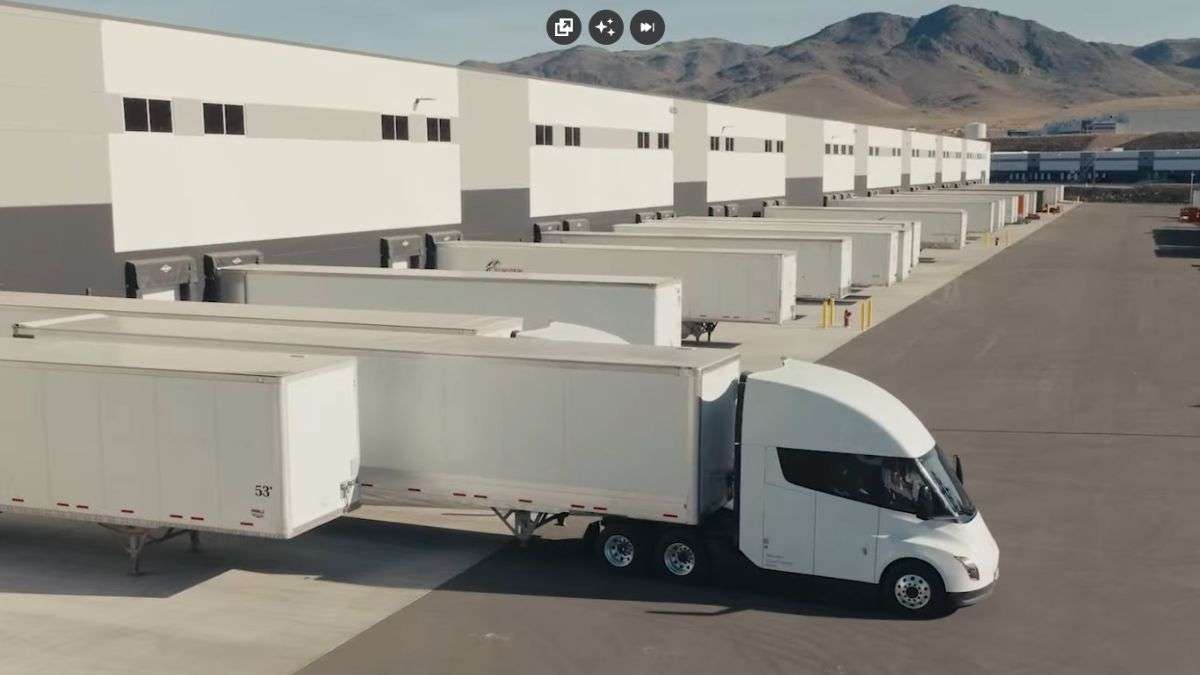
Musk said the Tesla Semi will start “high volume production” this year.
Three words. No emojis. No hype thread. No sweeping promises.
Just a phrase that, in manufacturing terms, carries real weight.
This is not a timeline story. It is a language story. And in my view, the language matters more.
Why I’m Paying Attention to the Wording, Not the Date
I have covered Tesla long enough to know that dates are flexible. Sometimes very flexible.
The Semi was unveiled in 2017. Production was originally expected years ago. That did not happen.
So when Musk mentions a year, experienced readers shrug. I do too.
But “high volume production” is not a casual phrase. It is not marketing fluff. It is an industry term.
And when a CEO uses an industry term instead of a hype phrase, it changes how I read the statement.
What “High Volume Production” Actually Signals
In automotive manufacturing, there is a clear difference between building vehicles and producing them at scale.
Pilot builds are common. Limited runs are common. Hand-assembled early units are common.
High volume production is different.
It implies repeatability. It implies standardized processes. It implies supplier confidence. It implies that the factory is expected to run, not experiment.
That is why I think these three words matter more than the year attached to them.
Tesla is not saying it will build some Semis. Tesla is saying it expects to build them consistently.
Tesla Semi starts high volume production this year https://t.co/yZLDmkA9EP
— Elon Musk (@elonmusk) February 8, 2026
That is a meaningful shift.
This Is How Fleet Buyers Read This News
Truck fleet operators do not think like car buyers. They do not think like Tesla fans. They think like accountants and logistics planners.
They want predictability. They want delivery schedules. They want parts availability. They want service coverage. For years, the Tesla Semi has been interesting but risky.
Interesting specs. Limited real-world availability. Unclear production capacity.
Language like “high volume production” speaks directly to that risk calculation.
It does not eliminate it. But it reduces uncertainty.
And uncertainty is what slows fleet adoption more than anything else.
Tesla Quietly Did Something Else That Supports This Claim
There is another detail that backs up Musk’s wording.
Tesla’s website now lists two Tesla Semi variants.
A Standard Range version. Around 325 miles of range.
And a Long Range version. Around 500 miles.
This matters more than it sounds.
Multiple configurations usually appear when a product is being positioned for real customers, not just test partners.
It signals planning. It signals pricing strategy. It signals production intent.
You do not usually see that level of clarity for vehicles that are not expected to be ordered at scale.
Charging Details Matter Too
Tesla also lists fast charging capabilities for the Semi.
Up to 60 percent charge in about 30 minutes.
For a consumer car, that is interesting. For a commercial truck, it is critical.
Downtime costs money. Route planning depends on charging speed. Fleet utilization depends on predictability.
Including this information publicly suggests Tesla wants fleets to start doing real math.
Not theoretical math. Operational math.
Why This Is Still Not a Victory Lap
Let me be clear.
This does not mean Tesla has solved electric trucking. It does not mean the Semi will suddenly flood highways. It does not mean production will ramp smoothly.
We still do not know production numbers. We do not know monthly output. We do not know how quickly Tesla can scale battery supply for heavy trucks.
Those unknowns matter.
But acknowledging those unknowns does not negate the importance of the language shift.
It simply puts it in context.
Why I Think This Is a Deliberate Change in Tone
Musk has become more cautious in recent years. Not careful. But more deliberate.
When Tesla struggles with execution, Musk often avoids firm phrasing. When Tesla feels confident, the language tightens.
In my opinion, “high volume production” suggests internal confidence.
Not perfection. Not certainty. But readiness to commit publicly.
That is different from past Semi updates.
The Bigger Picture: Why the Tesla Semi Actually Matters
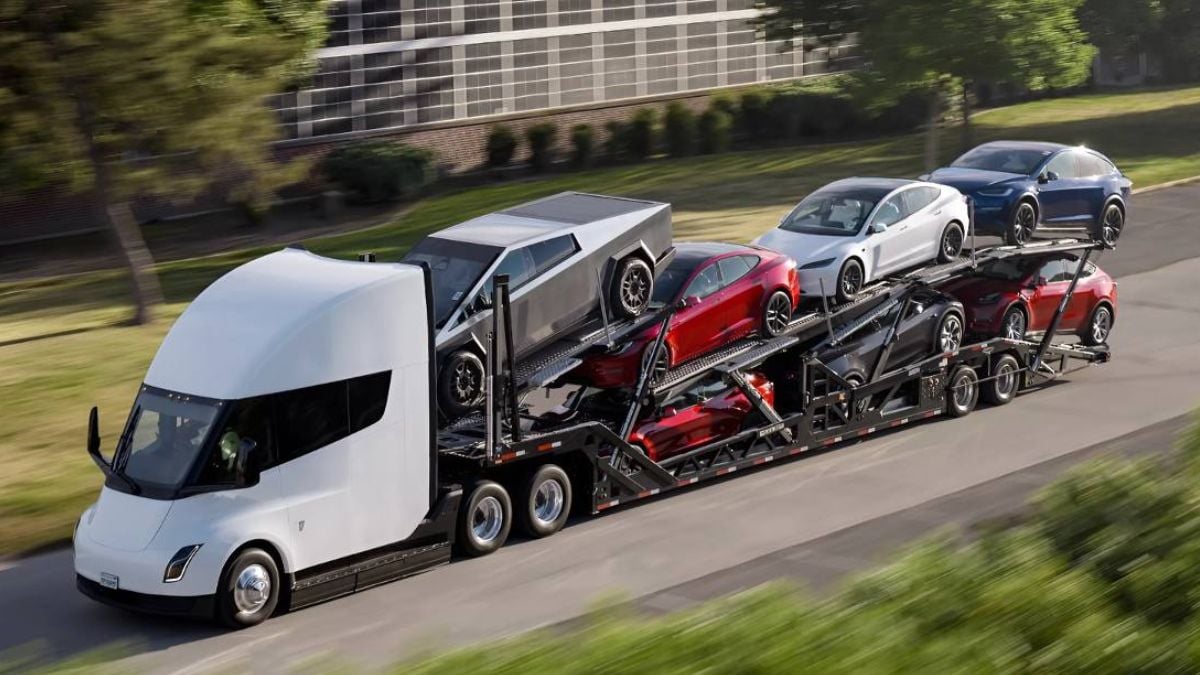
Electric passenger cars matter. But electric trucks matter more than most people realize.
Heavy-duty trucks represent a small percentage of vehicles. But a large share of transportation emissions.
They also burn enormous amounts of diesel. They are expensive to maintain. They operate on predictable routes.
That combination makes them ideal candidates for electrification.
If Tesla can scale the Semi even modestly, it has outsized impact.
Not on headlines. On emissions. On operating costs. On fleet economics.
That is why companies like PepsiCo and DHL have been testing these trucks quietly.
They are not chasing publicity. They are evaluating spreadsheets.
Why This Story Fits Google Discover Right Now
This is timely. It is specific. It is sourced. And it offers analysis, not hype.
Google Discover increasingly favors stories that explain why something matters, not just what happened.
This story does that.
It focuses on language. On intent. On industry context.
And it avoids emotional framing.
That is intentional.
My Take, Plain and Simple
I do not think the Tesla Semi is suddenly a guaranteed success.
But I do think Tesla is closer to real production than it has ever been before.
And I think the three words Musk chose reveal that more clearly than any timeline ever could.
Sometimes the most important Tesla news is not loud.
It is precise.
And this time, precision is the story.
Armen Hareyan is the founder and Editor-in-Chief of Torque News. He founded TorqueNews.com in 2010, which since then has been publishing expert news and analysis about the automotive industry. He can be reached at Torque News Twitter, Linkedin, and Youtube. He has more than a decade of expertise in the automotive industry with a special interest in Tesla and electric vehicles.
Set Torque News as Preferred Source on Google
Follow us today...