
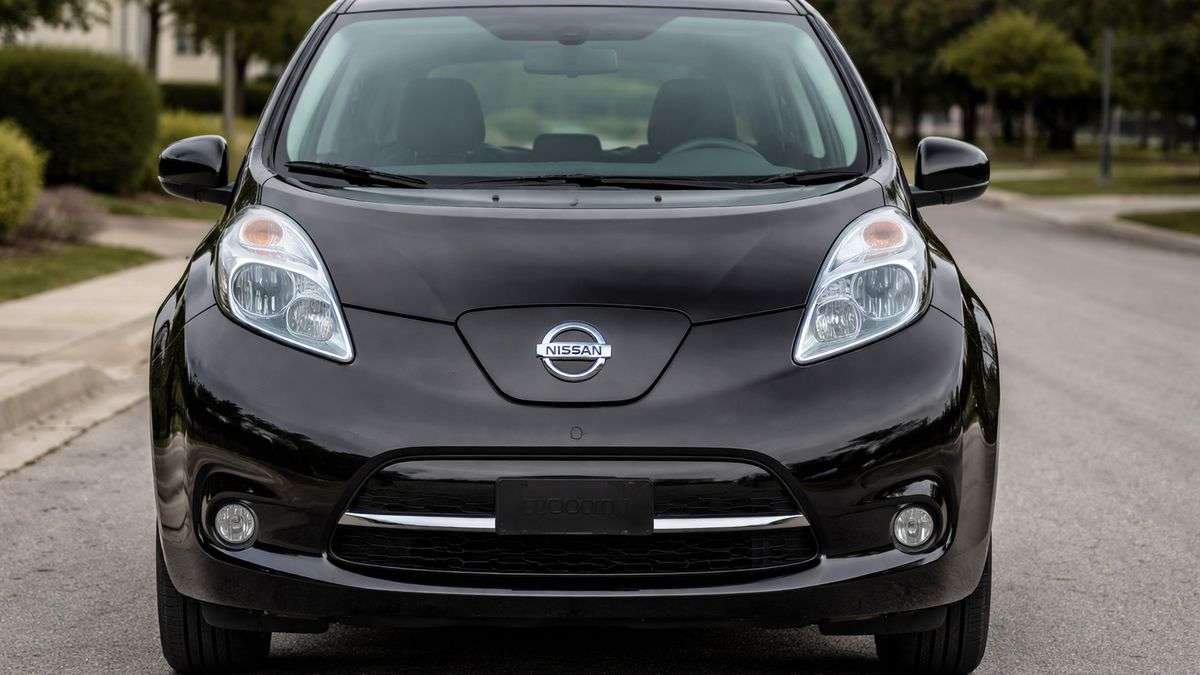

With the price of everything getting out of reach, many folks are looking for bargain used cars. This is especially true now that the average price of a new car in the U.S. is over $50,000 for the first time.
While digging into this, we’ve seen a lot of social media posts about folks buying used EVs and having a positive outcome. Some of the more interesting stories involve a battery upgrade. Here’s a good one from the Nissan LEAF Owners Group posted by Derek Rowe:
“I charged my LEAF from 16% to 80%. By my calculation, I have now a 10.2 kWh battery (yikes). I put nearly 9,000 miles on this car. It’s a 2013 LEAF S that I got for $2,200 in 2024. It was in CA until 2023, so nearly no rust! The range has been perfectly adequate with level 2 charging at home, but I've been thinking about buying a Vivne 62-kWh upgrade battery. Then it would be a ~$10,000 EV with a brand new battery and 250 miles of range! “
Toby Holland responded with his positive LEAF upgrade story:
“The 62-kWh battery upgrade in our 2014 has been a game changer. We do 45,000 miles a year, and 96% of our charging is fine at home, costing us $0.01 per mile.
The upgrade paid itself back within 15 months, if the car gets totaled, I'll just transfer the battery into the newer LEAF that will replace it. Check out this YouTube video about the battery upgrade.”
Brian Flaherty Cautioned about insurance coverage of the new battery:
“Bare in mind, that if you spend the $8k-$10k on the battery and then get T-boned you will only get the $1,800 the car is really worth. Insurance will not pay out for the new battery (just like they don't pay out for a brand new motor in an ICE vehicle)”
Clarence Dold pointed out that you can buy an insurance rider to cover the new battery:
“Insurance won’t cover a maintenance item like a new engine, but you can add a rider for upgrades like a new battery. We have a '64 Chevy II in the family that is properly insured.”
Andy Salmon suggested taking resale value into mind:
“I think I'd weigh the cost of the upgrade, plus the resale value of the car as is now, against what I could purchase for that amount of money. I'd make the decision based upon that.
For example, if the upgrade is $8,000 and the car, if sold now would get me $2,000, that's $10,000 total. Then I'd weigh that against what sort of EV I could buy today for $10,000.
One of the things I'd be weighing is what the value of your current car would be after the upgrade as I doubt that it would be worth the current value plus the cost of the upgrade. Then I'd think about what new functionality would be present in a newer car that isn't in the current one, and I'd ask myself whether the new functionality is of value to me.”
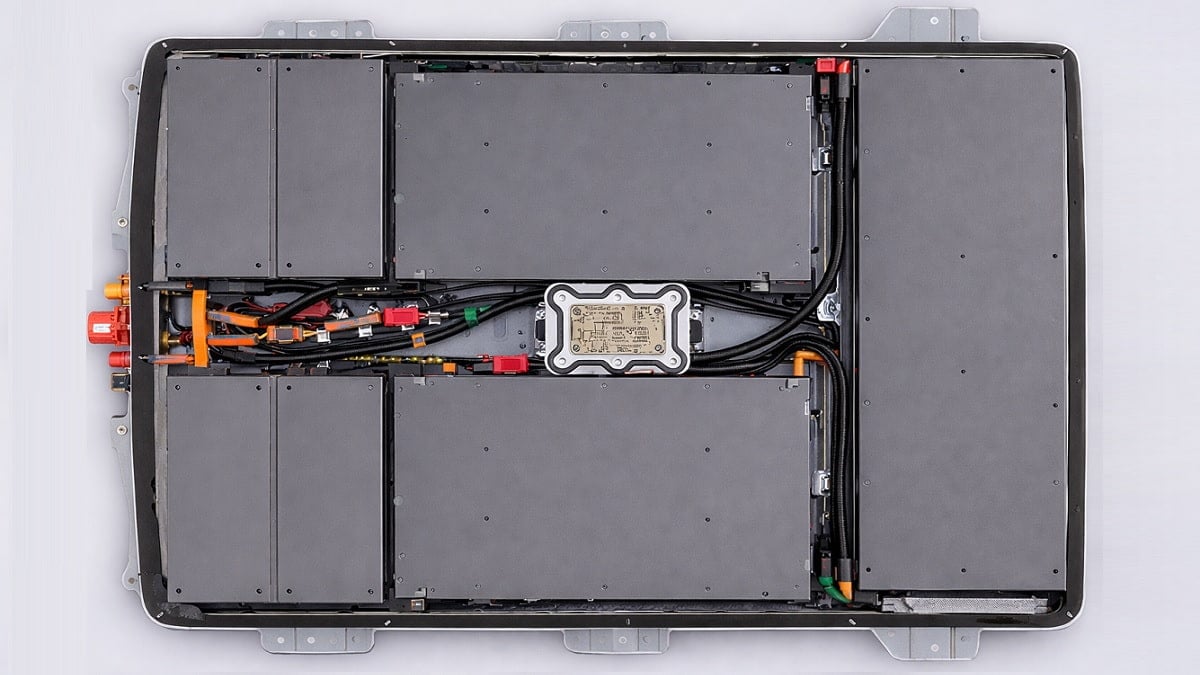
So how easy is it to upgrade an EV’s battery? For an example, we decided to summarize the process to upgrade a Nissan LEAF. Many buyers chose the Nissan LEAF to save money on fuel or because it was one of the first mass produced electric vehicles sold in the U.S. Roughly 165,000 LEAFs were sold in America, with about 650,000 sold worldwide. What often gets overlooked is the battery, a component most owners only think about once problems begin to show up.
The Original 24-kWh Battery Design
Early Nissan LEAFs from 2011 through 2015 used a 24-kWh battery pack. One major drawback of these batteries is the lack of a thermal management system. The pack cannot actively heat or cool itself, which causes faster degradation in extreme climates. Hot regions like Arizona or Florida accelerate wear, while cold climates create range loss and reduced performance during winter months.
Inside the Battery Pack
The 2011 to 2012 LEAF battery contains 48 first generation modules inside the case. During remanufacturing, these older modules are removed and replaced with newer third generation modules. This increases amp hours and improves total driving range. Some removed modules still have useful life remaining and are set aside for additional applications instead of being discarded.
Comparing 24-kWh and 40-kWh Packs
Later LEAFs from 2013 to 2015 also offered a 40-kWh battery option. These packs contain 24 larger modules that effectively stack two smaller units together. A healthy 40-kWh pack typically delivers about 100 to 130 miles of range with roughly 85 percent state of health. In contrast, an aging 24-kWh pack often delivers only 55 to 65 miles with about 70 percent state of health.
Battery Removal and Installation Process
Removing a LEAF battery involves lifting the vehicle, unbolting the pack, disconnecting the high voltage cable, and lowering the battery from beneath the car. Physical installation is relatively simple, while software programming afterward requires more expertise. Once installed and programmed, the upgraded battery fits cleanly into the original chassis.
Replacement Battery Cost
Most people spend around $4,000 to $5,000 just to buy a Vivne 62-kWh battery pack for a Nissan LEAF, though prices can vary. Shipping from China to California typically adds another $500 to $1,000 depending on the method and timing. Labor to install and program the battery at a shop usually runs $1,000 to $1,500, again depending on local rates and complexity. When you add parts, shipping, and installation together, a full Vivne 62-kWh upgrade usually costs roughly $6,500 to $7,500 in total.
Second Life Battery Applications
LEAF battery modules degrade quickly from 100% to around 70% health, then remain stable for many years. Because of this, many modules are reused for home energy storage systems and EV conversions. Owners charge these systems at night when electricity rates drop and use the stored energy during peak daytime hours, dramatically reducing monthly power bills.
Recycling and the Battery Lifecycle
Once modules are no longer useful, they are safely discharged and recycled to recover valuable materials. This creates a closed loop system where batteries are reused, repurposed, and eventually recycled into new batteries. Unlike gasoline, which is consumed and lost forever, EV batteries retain materials that can be recovered and reused.
Bottom Line
The Nissan LEAF shows how early EVs can gain new life through battery upgrades and reuse programs. From extending driving range to powering homes and supporting recycling efforts, these batteries continue delivering value long after their first use. This approach reduces waste, lowers costs, and highlights one of the most overlooked advantages of electric vehicles.
What Do You Think?
At what price does an EV battery upgrade stop making financial sense for you?
Should battery upgrades become more common instead of replacing entire vehicles?
Chris Johnston is the author of SAE’s comprehensive book on electric vehicles, "The Arrival of The Electric Car." His coverage on Torque News focuses on electric vehicles. Chris has decades of product management experience in telematics, mobile computing, and wireless communications. Chris has a B.S. in electrical engineering from Purdue University and an MBA. He lives in Seattle. When not working, Chris enjoys restoring classic wooden boats, open water swimming, cycling and flying (as a private pilot). You can connect with Chris on LinkedIn and follow his work on X at ChrisJohnstonEV.
Photo credit: Provided by author
Set Torque News as Preferred Source on Google
Follow us today...






Comments
1st generation Leafs taught…
Permalink
1st generation Leafs taught a lot of lessons. It has an air cooled battery that charges from 0-100%. That accelerated the battery wear in high temp areas. Current EVs are using the lessons learned and the batteries are living much longer.
That said, the driver has about half the battery capacity and says it works well for their needs (9,000 mile/year).
Why spend the added expense for more range they don't need? The car is 13 years old already. Considering it took 13 years to get the battery to half capacity, and in 13 years this car will be eligible for historic plates (In Missouri its 25 years) I'm not sure the bigger battery would yield a solid ROI
If this were mine, based on the car doing what I need it to do with a battery with half capacity as new, I'd put in a 24Kw battery for $4,500 and keep on keeping on for 7 years and trade off my 20-year-old car for replacement.
$2,200 plus $4,500 is $6,700 divided over 7 years is $957 a year or $79.76 a month.
I spend more than $79 filling the tank of my pickup.
Hi Chris, thanks for reading…
Permalink
In reply to 1st generation Leafs taught… by Chris Chaeffer (not verified)
Hi Chris, thanks for reading the article and for your thoughtful insights. A 24-kWh replacement battery for $4,500 does seem like a good choice.
Second life for EVs is now…
Permalink
Second life for EVs is now to repower cool looking retro cars