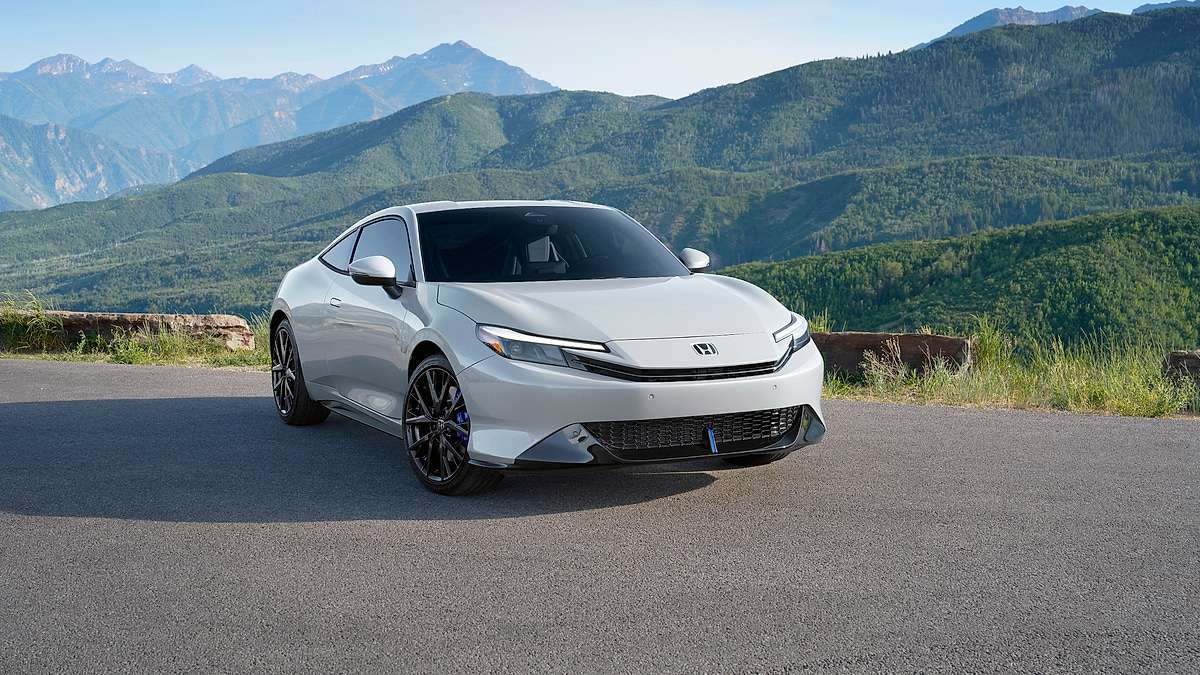

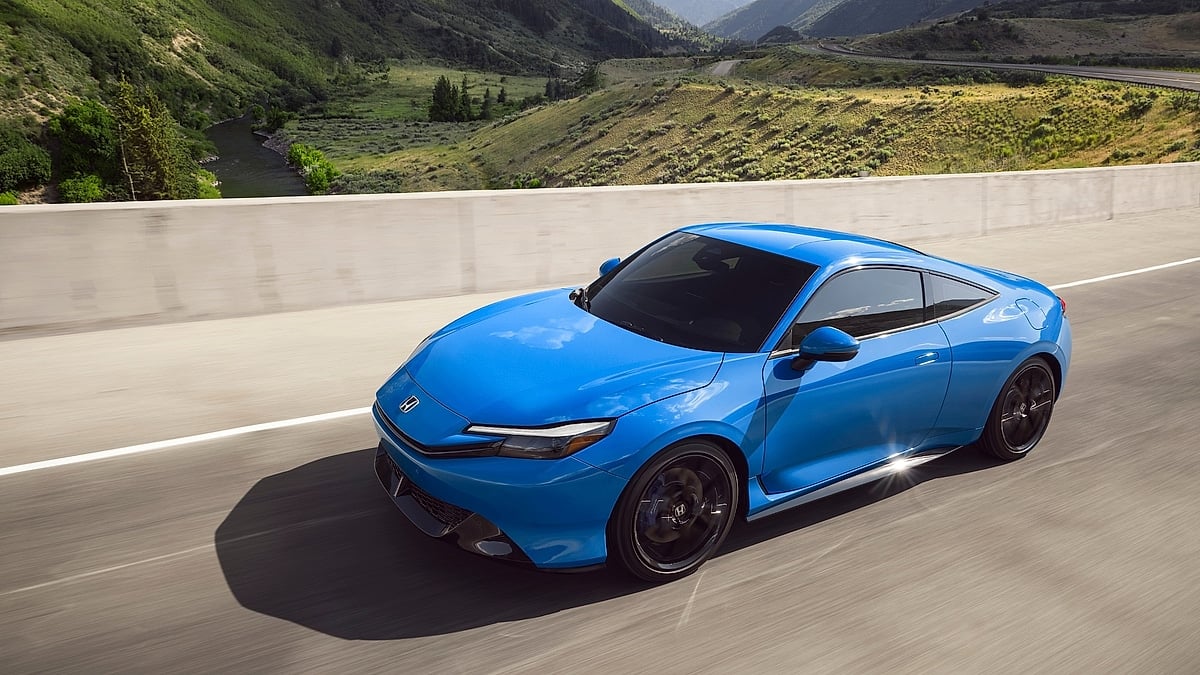
A Honda dealership recently attempted to sell a new Prelude for nearly $48,000, inflating the price with a mandatory "Prep Fee" and a $2,400 "All Season Package." This aggressive pricing strategy, which included crossing out a "Market Adjustment" line only to replace it with other non-negotiable add-ons, ultimately led the prospective buyer to walk away from the deal. The dealership's subsequent offer of $34,870, claiming they were "not even making money," only underscored the initial attempt to extract an exorbitant premium.
"Edit w/update: Customer service called back to ask how my interaction was with the salesman. I said that “everyone was great to work with but it was unfortunate that we couldn’t come to a deal.” I told her we were 4k apart. A few hours later salesman called me back this morning and left a voicemail saying “call me back, I have good news”. I call back and salesman says “the director was able to approve $34,870 and we aren’t even making money at this point”. I tell him I am out of town till Sunday evening, and I will let him know if I am still interested.
I have a 2018 Accord with ~180k miles on it, and I loved the look of this Prelude. The drive was good, and overall, I think it’s a fun car. However, when the dealership wouldn’t knock off the “Prep Fee” after they crossed out the line for “Market Adjustment,” and they said that “All Season Package” was $2400, I just couldn’t continue. They said they have a “buyer coming in tomorrow”. I told them that if it works out for them, I am happy for them.
There are several dealerships around here with the same car, and I just can’t justify a markup."
This experience is a stark reminder that despite shifts in the market, some dealerships cling to tactics that erode consumer trust. The initial $48,000 price tag, loaded with ambiguous fees and overpriced accessories, represents a significant markup from the Prelude's estimated MSRP, which typically hovers in the mid-$30,000 range. The sudden ability to drop the price by over $13,000 after the buyer walked away exposes the manufactured scarcity and inflated value that dealerships often try to create.
Honda Prelude: The Return of a Legend
- The Honda Prelude concept, unveiled in 2023, signals the return of the nameplate as an electric sports coupe. It is expected to be a global model, potentially arriving in North America as early as 2026.
- The original Prelude was produced from 1978 to 2001, known for its sporty handling, innovative technology like four-wheel steering, and engaging driving experience. Its revival aims to capture that spirit in an electrified package.
- While official powertrain details are scarce, the concept is anticipated to feature a dual-motor all-wheel-drive setup, offering strong performance characteristics of modern EVs. Estimates suggest a range of over 250 miles on a single charge.
- Pricing for the production model is projected to start in the mid-to-high $30,000 range, positioning it as an accessible electric sports car. This places it in a competitive segment with other performance-oriented EVs.
Reddit user u/Joebranflakes, who recently purchased a car, echoed this sentiment, detailing a similar experience with mandatory "protection packages." He wrote: "I recently bought a car. Went to one dealer, and I needed them to bump a couple of grand off to hit my budget. They had maybe 4 grand in dealer BS tacked onto the bill of sale, and I told them to dump some of it. They dug in their heels and started making comments like certain “protection packages” were mandatory. I left, went to another dealer who took my offer, 5 minutes of haggling, and I was in budget with little to no BS tacked on.
Dealers that pull this don’t deserve your business."
This account shows a common dealership practice: if a "market adjustment" can't be justified, the profit margin is simply shifted to other line items like "prep fees" or "protection packages." These charges are often pure profit, adding little to no tangible value for the customer. The fact that another dealer was willing to negotiate shows that these fees are not universal or necessary.
The buyer's update, where the salesman called back with a "good news" offer of $34,870, is particularly telling. This price point, close to the Prelude's expected MSRP, reveals the true value of the vehicle and the substantial padding in the original $48,000 quote. The claim of "not even making money at this point" is a classic sales tactic, designed to make the customer feel they are getting an exceptional deal, rather than simply paying a fair price.
User u/Shmokesshweed offered a pragmatic approach to dealing with such situations, advising buyers to always be prepared to walk away. They commented: "Always walk if you don't like anything. All you're doing is buying a depreciating commodity.
Edit: but not before playing games with the salesperson as well.
I like to greet them with 'I heard X city is the place to buy a Honda. I'm here to see if that's true.' wink.
'I was seeing some good deals on your car. Wanted to see what kind of numbers you're able to do.'
And if I don't like the numbers: 'I must have seen a better deal at Z competitor. Thanks for your time.'
I got my dad 14% off a Corolla hybrid in November."
This strategy is effective because it shifts the power dynamic. By demonstrating a willingness to leave and research competitors, buyers force dealerships to compete on price rather than relying on high-pressure sales tactics and inflated add-ons. The 14% discount on a Corolla hybrid, a car often sold at or above MSRP, proves that negotiation is still possible in today's market.
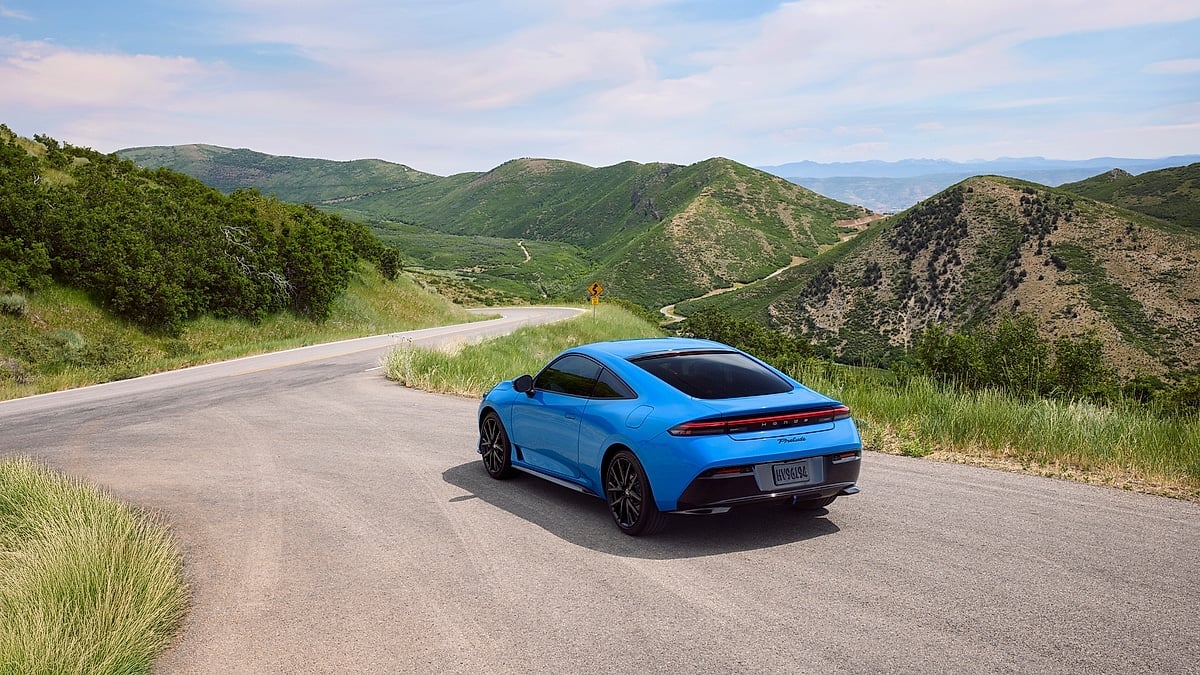
The original buyer's decision to walk away, despite genuinely liking the Prelude, was a financially sound one. Paying an additional $13,000 for non-essential "prep" and a $2,400 "All Season Package" on a car with an MSRP likely in the mid-$30,000s is simply unjustifiable. This experience reminds all car buyers to research the true value of the vehicle, understand what constitutes a legitimate fee versus pure profit, and never be afraid to take their business elsewhere.
Dealerships that continue to rely on mandatory, inflated fees and opaque pricing structures are not operating in the best interest of the consumer. The significant price drop offered after the buyer walked away confirms that the initial $48,000 price was an attempt to exploit market conditions rather than reflect fair value. Consumers must remain vigilant, informed, and ready to walk away from any deal that includes non-negotiable, exorbitant add-ons.
Image Sources: Honda Media Center
About The Author
Noah Washington is an automotive journalist based in Atlanta, Georgia, covering sports cars, luxury vehicles, and performance culture. His reporting focuses on explaining the engineering, design philosophy, and real-world ownership experience behind modern vehicles.
Noah has been immersed in the automotive world since his early teens, attending industry events and following the enthusiast communities that shape how cars are built and driven today. His work blends industry insight with enthusiastic storytelling, helping readers understand not just what a car is, but why it matters.
Noah is also a member of the Southeast Automotive Media Association (SAMA), a professional organization for automotive journalists and industry media in the Southeast.
His coverage regularly explores sports cars, luxury vehicles, and performance-driven segments of the automotive industry, including the evolving culture surrounding Formula Drift and enthusiast builds.
Read more of Noah's work on his author profile page.
You can also follow Noah here:
Set Torque News as Preferred Source on Google
Follow us today...