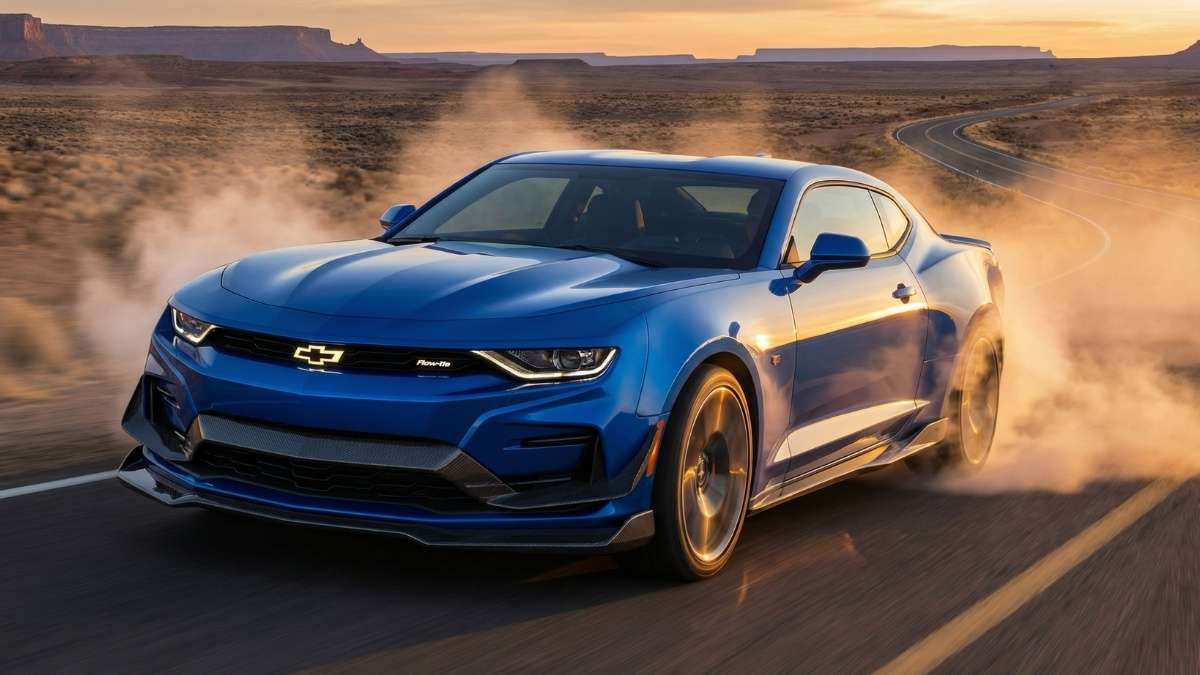

The automotive world is currently standing at a jagged crossroads. On one side lies the sterile, aerodynamic efficiency of the modern electric vehicle (EV) era; on the other, the high-octane, emotional heritage of the American muscle car. For decades, the Chevrolet Camaro has defined itself through the roar of a small-block V8 and a silhouette that screamed "rebel." But as the internal combustion engine (ICE) sixth-generation Camaro takes its final bow, the rumor mill is churning with reports of an electric successor.
According to MotorTrend, the Camaro nameplate is likely to return as a 2027 model year EV. However, the path GM chooses now will determine if the Camaro remains a legend or becomes another victim of "SUV-ification." If Chevrolet wants to win, they must learn from Ford’s mistakes and Tesla’s successes, crafting a machine that prioritizes performance and identity over utility.
Avoiding the "Mach-E" Mistake: Identity Matters
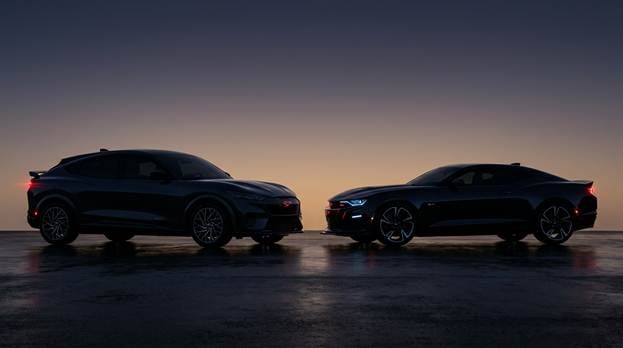
When Ford announced the Mustang Mach-E, the enthusiast community experienced a collective "glitch in the matrix." While the Mach-E is objectively a sales success and a competent EV, it committed the ultimate branding sin: it traded a legendary sports car's silhouette for the bulbous proportions of a family crossover. It utilized the "Mustang" name as a marketing shield for a vehicle that shares zero DNA with the car that Steve McQueen drove through the streets of San Francisco.
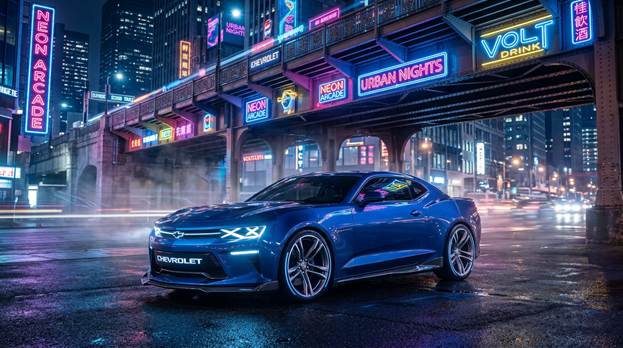
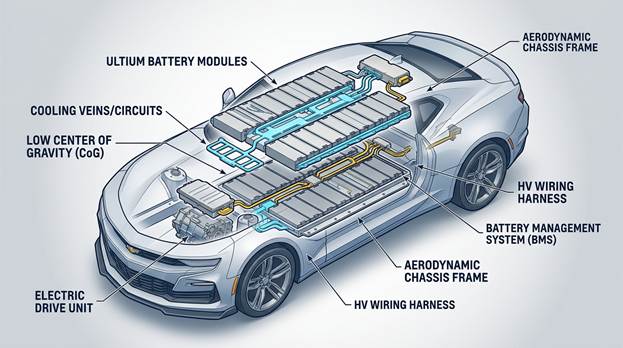
The rumored Camaro EV must avoid this identity crisis. The Camaro brand is built on the foundation of the "pony car" - short deck, long hood, and a low center of gravity. To turn the Camaro into a four-door SUV would be a betrayal of the fanbase that has kept the nameplate alive since 1967. While the Ultium platform offers incredible flexibility, GM must resist the urge to chase the high-volume crossover segment with this specific badge. The world already has the Blazer EV and the Equinox EV; it does not need a "Camaro Cross." To stay true to the brand, the Camaro EV must remain a performance-first vehicle that makes the driver feel connected to the asphalt, not perched above it.
See Torque News Editor Armen Hareyan's full analysis on our Youtube Page, titled: The Camaro Is Coming Back. But This Time, It Brings a V8, a Cadillac, and a Buick to the Fight.
The Winning Silhouette: Why Low and Wide is the Only Way
To understand what the Camaro EV should look like, we only need to look at what is currently capturing the imagination of the EV market. While crossovers sell in high volumes, the "halo" effect comes from cars that look like the future. Look at the Porsche Taycan or the Audi e-tron GT (what I drive). These vehicles are low, wide, and aggressive. They prove that an electric powertrain does not require a tall greenhouse.
The successful Camaro EV should be a "four-door sports coupe" at most—similar to the layout of a BMW i4 but with the aggressive, muscular haunches of a classic Chevy. By utilizing a low-profile battery pack, GM can maintain the aggressive "chopped top" look that defined the fifth and sixth-generation Camaros. A fastback roofline and a wide rear track would allow the Camaro to slice through the air while maintaining the "bad boy" image that distinguishes it from the clinical design language of Tesla.
Performance: Standing Out in a World of Instant Torque
In the EV era, 0-60 mph times have become a commodity. When a family sedan like the Tesla Model 3 Performance can hit 60 mph in under three seconds, "fast" is no longer a differentiator. To stand out from the Mustang Mach-E and burgeoning Chinese competitors like the Xiaomi SU7 Ultra or the MG Cyberster, the Camaro EV needs to focus on engagement rather than just raw statistics.
- Lateral Gs Over Linear Speed: The Camaro has recently out-handled the Mustang in its ICE iterations. The EV version must continue this trend with active suspension and torque vectoring that makes the car feel light and nimble despite the weight of the batteries.
- The "Vibe" Factor: GM should look into simulated shifting or haptic feedback systems—similar to what Hyundai has done with the Ioniq 5 N. Giving the driver a sense of mechanical connection is vital for a muscle car.
- Thermal Management: Chinese EVs often boast massive horsepower but struggle with sustained track performance. GM’s engineering edge should be a cooling system that allows the Camaro EV to run laps at Laguna Seca without "limp mode" kicking in after five minutes.
The GM Strategy: Execution is Everything
For the Camaro EV to be a success, GM must execute a "flawless launch"—something that has eluded them recently with software glitches in the Blazer EV. Success requires three pillars:
- Software Excellence: The infotainment and performance tracking software must be bug-free and offer "Track Mode" telemetry that rivals high-end racing simulators.
- Charging Infrastructure: While the move to NACS (Tesla Superchargers) is a win, GM must ensure the Camaro EV supports, at the very least, 350kW fast charging to minimize downtime at the "pits."
- Price Point: To beat the Chinese competition, which benefits from lower labor costs and subsidized supply chains, GM must leverage the scale of the Ultium platform to keep the base Camaro EV under $50,000.
Is GM likely to follow this path? Current leadership, including Mark Reuss, are "car people" who understand the value of heritage. However, the bean-counters often favor the high margins of SUVs. The success of the Corvette as a standalone sub-brand suggests that GM knows how to protect its icons. There is a strong likelihood they will produce a "low-profile" performance sedan or coupe to act as a technological halo for the entire electric lineup.
Forcing Ford’s Hand: The Ripple Effect
If Chevrolet releases a "true" electric muscle car—one that looks like a Camaro and handles like a dream—it will put Ford in an incredibly uncomfortable position. Currently, Ford’s only electric "Mustang" is a crossover. If Chevy enthusiasts are out there doing donuts and carving canyons in a sleek, two-door (or low-slung four-door) Camaro EV, the Mach-E will suddenly look very "suburban."
A successful Camaro EV could be the catalyst that forces Ford to greenlight a genuine electric Mustang coupe. Competition has always improved the pony car segment; just as the Z21 Camaro forced Ford to improve the Mustang in the late 60s, a superior Chevy EV will force a "Mustang 2.0" evolution. This would be a win for enthusiasts everywhere, ensuring that the electric transition doesn't mean the death of the driver’s car.
Wrapping Up
The rumored 2027 Chevrolet Camaro EV represents more than just a new model; it is the last stand for the American pony car identity in a digital age. By avoiding the crossover trap of the Mustang Mach-E, prioritizing a low, aggressive body style, and focusing on track-ready engagement over simple 0-60 sprints, GM can reclaim the performance throne. The technology exists within the Ultium platform to create a world-beater that can stand up to both domestic rivals and the rising tide of Chinese EVs. If GM has the courage to stay true to the Camaro’s roots, they won't just be selling a car; they will be saving a legacy.
Disclosure: Images rendered by Artlist.io
Rob Enderle is a technology analyst at Torque News who covers automotive technology and battery developments. You can learn more about Rob on Wikipedia and follow his articles on TechNewsWord, TGDaily, and TechSpective.
Set Torque News as Preferred Source on Google
Follow us today...