
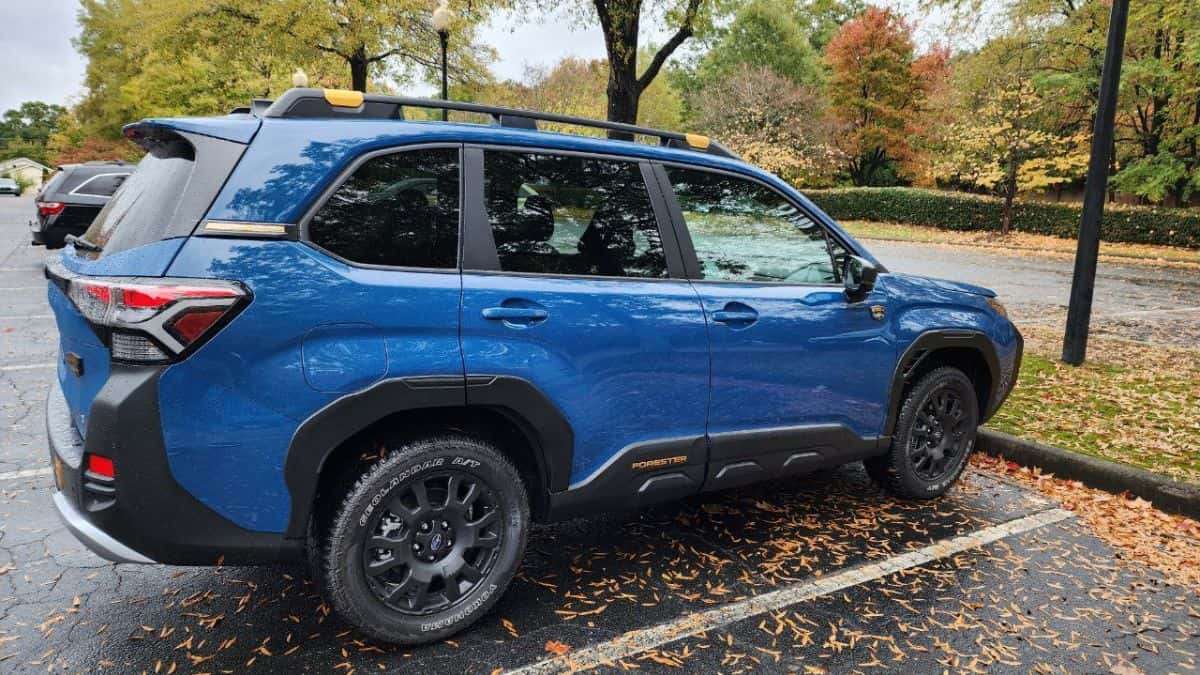

When I first climbed into the 2026 Subaru Forester Wilderness, I knew within the first few miles that this SUV had nothing to prove on a racetrack. Subaru never designed it to win races or outpace the competition at stoplights. Instead, it exists for drivers like me, those who spend their weeks navigating city streets but live for the weekends when the road turns to gravel, mud, or snow. You simply do not buy a Forester to go fast. You buy it because it gets you there, wherever there happens to be.
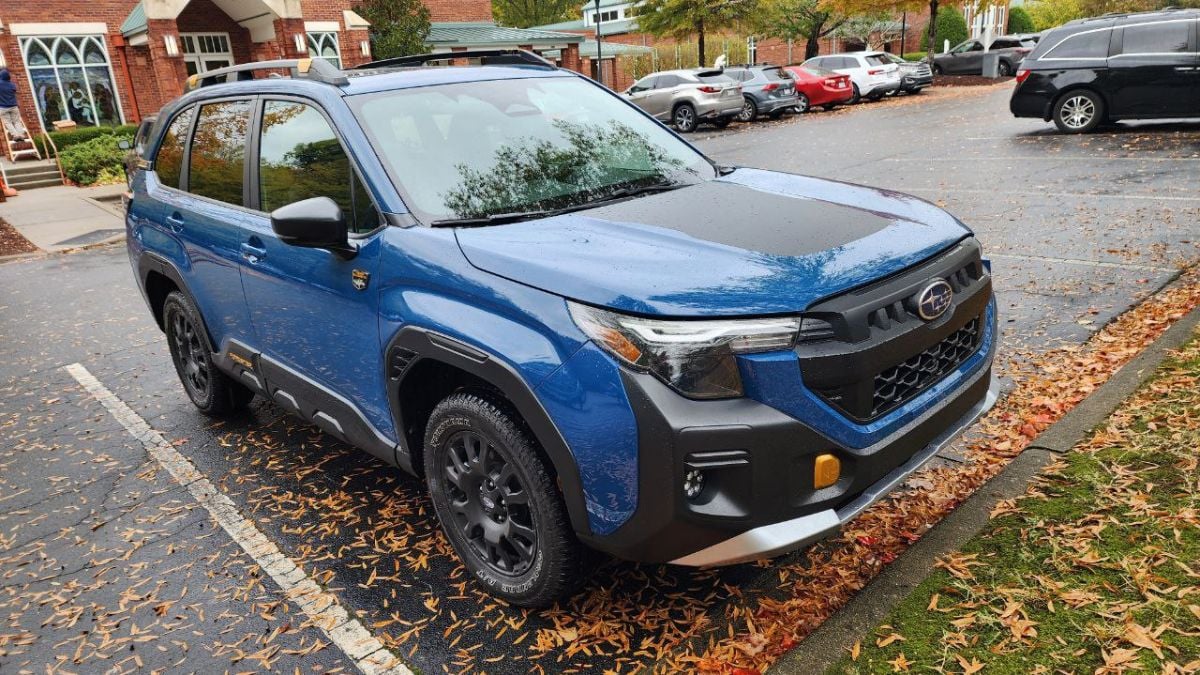
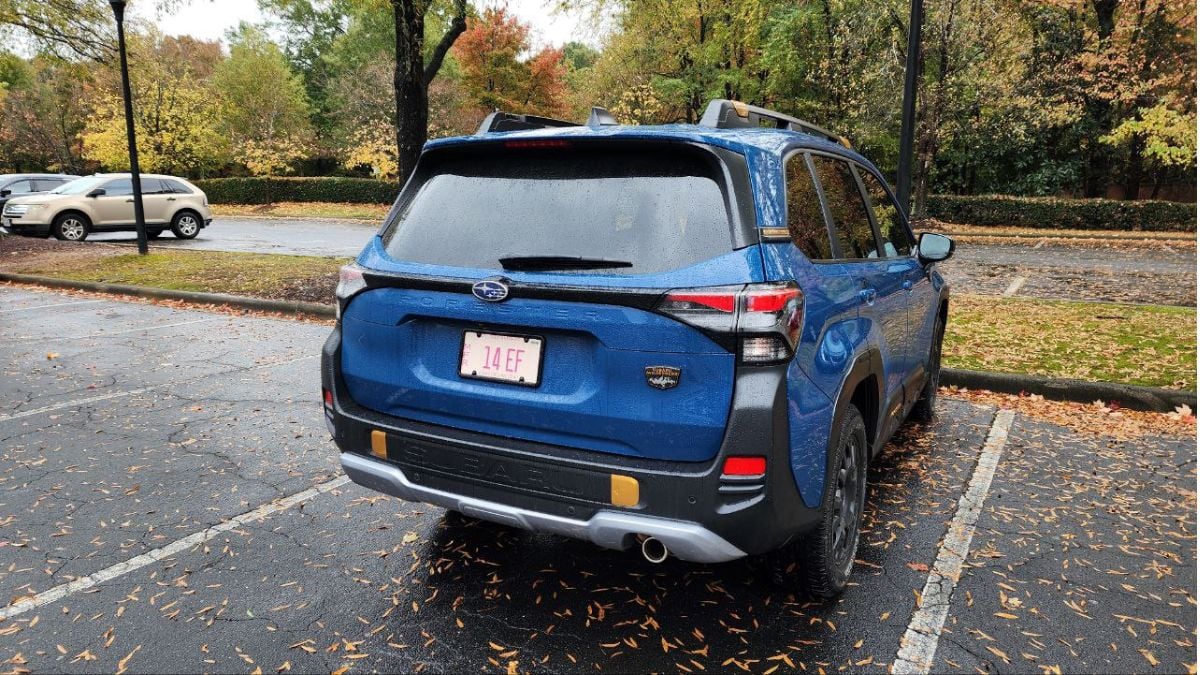
The 2026 Forester Wilderness represents Subaru’s effort to balance everyday comfort with trail-tested ability. It rides higher, feels tougher, and yet behaves like a family-friendly commuter when you need it to. The Wilderness trim is instantly recognizable with its exclusive Geyser Blue paint, black cladding, and copper accents that tell everyone this is not a city crossover pretending to be an off-roader. Subaru engineers have clearly spent time fine-tuning how this vehicle behaves in the real world.
Ride, Power, and Daily Drivability of The 2026 Subaru Forester Wilderness
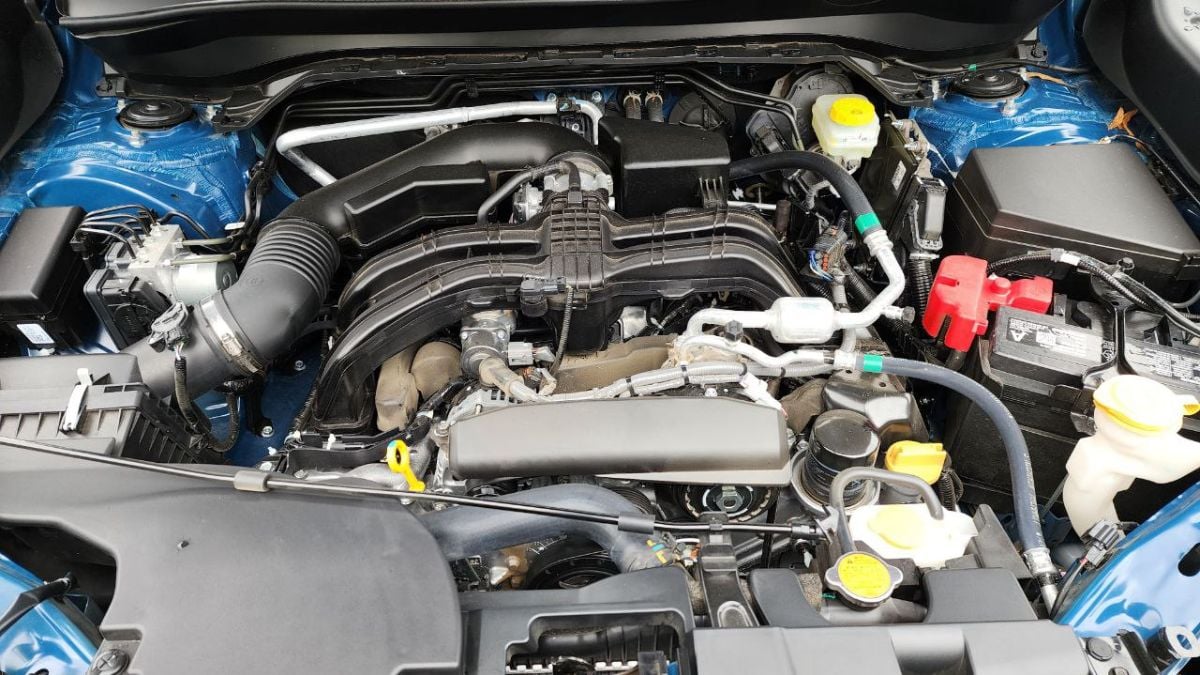
Under the hood, the familiar 2.5 liter flat four engine remains, producing 180 horsepower and 178 pound feet of torque. Some critics wish Subaru would drop in a turbo, but that misses the point. This engine and its continuously variable transmission are tuned for reliability, not performance trophies. In my week of testing, I learned that the Forester’s power delivery is linear, predictable, and entirely adequate for its mission. When you floor it, there is a momentary drone from the CVT, but on the highway, it settles into a quiet rhythm that feels well matched for long drives.
Fuel economy was a pleasant surprise. Even with its taller stance and all-terrain tires, I averaged just over 27 miles per gallon in mixed driving. Subaru claims 24 city and 28 highway, and those numbers felt realistic in the real world. The steering is light but precise, and while the brake pedal has a small dead spot at the top, modulation feels natural once you adapt. On broken pavement and wet surfaces, body control is tight, thanks to upgraded suspension tuning. The car feels planted, and that matters when you are carrying passengers and cargo through unpredictable weather.
2026 Wilderness Forester's Off-Road Confidence and Real Capability
Where the 2026 Forester Wilderness separates itself from the rest of the lineup is once the pavement ends. The suspension lifts ground clearance to 9.3 inches, and the Yokohama Geolandar all-terrain tires add grip without punishing your ride quality. Subaru’s dual-mode X Mode system lets you pick terrain settings for snow, dirt, or deep mud. During my tests on a steep gravel trail outside Charlotte, I found that the Forester climbed with quiet assurance. You can feel the electronics subtly managing wheel slip, delivering torque where it is needed, not where it is wasted. The hill descent control kept speed steady, and the underbody protection absorbed a few strikes from small rocks without complaint.
I noticed something important about the 2026 Wilderness. It is not about tackling hardcore trails. It is about giving drivers confidence when they need to venture off the beaten path. In that sense, Subaru delivers on its promise. The extra ground clearance and improved suspension tuning mean you no longer worry about scraping over ruts or deep snow. As Torque News previously reported in its detailed preview of how the next generation Subaru Forester Wilderness works now, Subaru built this SUV with everyday exploratory driving in mind. My time behind the wheel only reinforces that message.
Interior and Comfort
Inside, the Forester Wilderness maintains a practical personality. Seats are wrapped in water-resistant StarTex material, which wipes clean easily after muddy hikes. Copper stitching and accents highlight the rugged character without trying too hard. The seating position is upright, and visibility is exceptional, one of Subaru’s long-standing strengths. I liked how the A-pillars are kept thin enough to minimize blind spots. There is also a sense of openness in the cabin that many compact SUVs fail to deliver. The large windows make every drive feel relaxed.
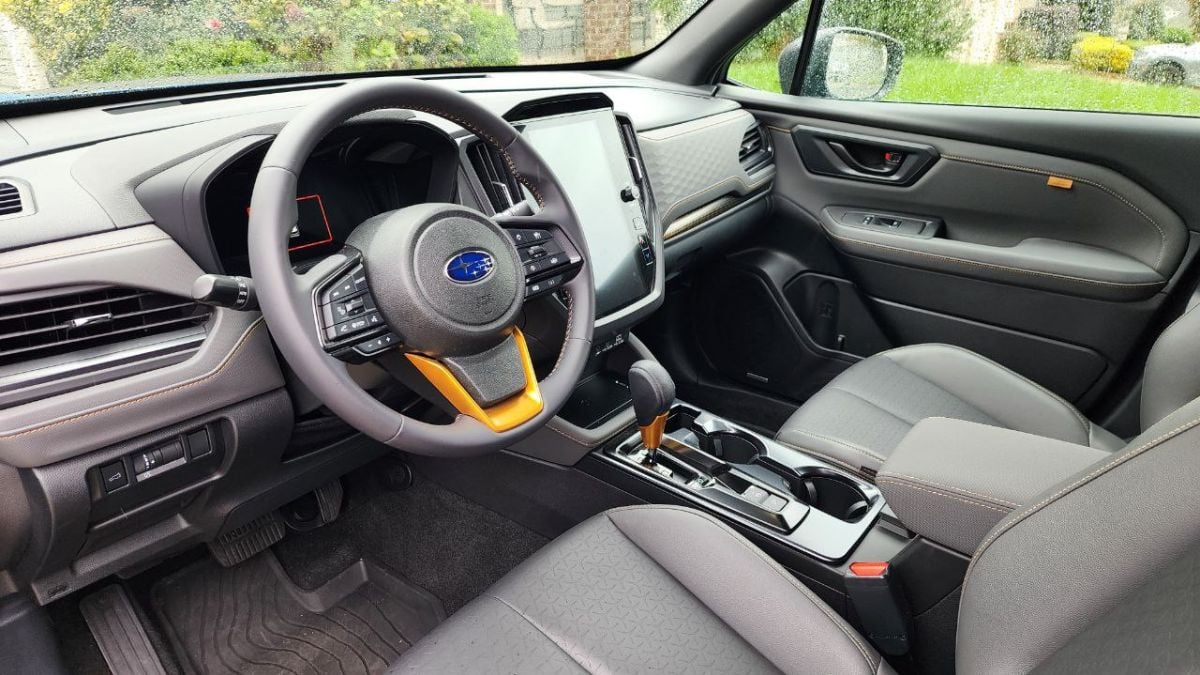
The new 11.6-inch vertical touchscreen dominates the dashboard. Subaru has integrated its latest Starlink system here, with wireless Apple CarPlay and Android Auto. While responsive for most tasks, I did notice a slight lag when switching menus or loading maps. Some reviewers at MotorTrend criticized the lack of dedicated climate buttons, and I agree that tactile controls would have been nice. However, the interface is easy enough to live with once you learn where the settings are nested.
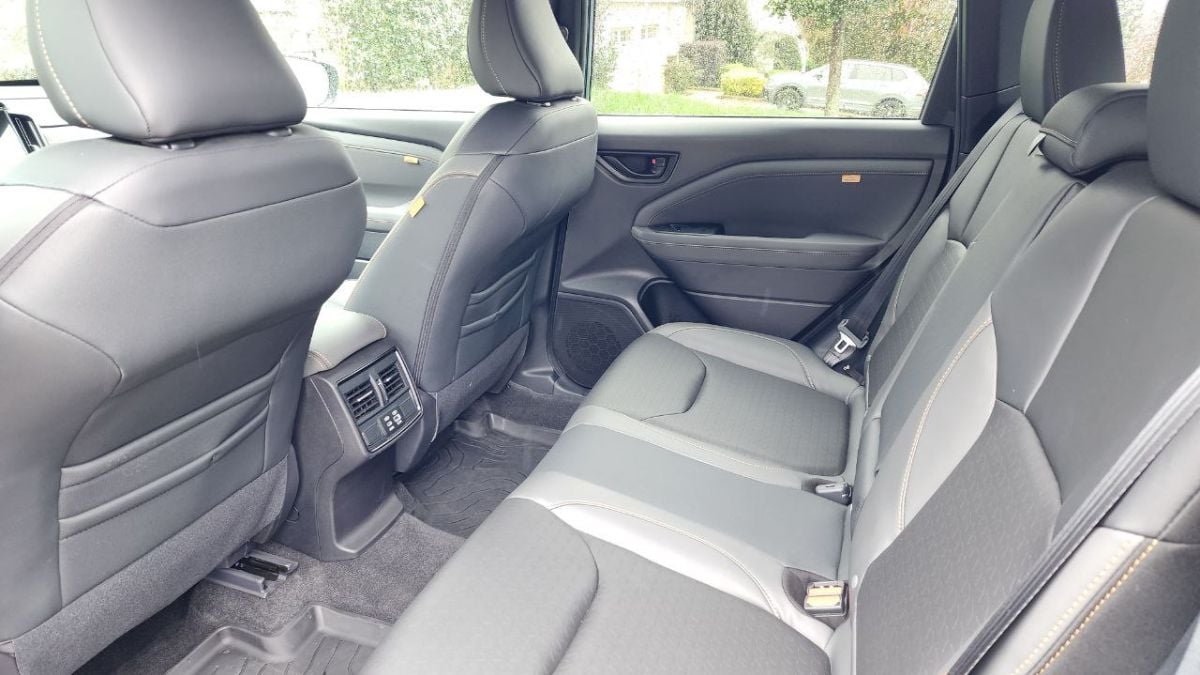
The back seat of the 2026 Subaru Forester Wilderness feels surprisingly roomy, with generous legroom and wide door openings that make getting in and out easy for passengers of all ages. The large windows and supportive cushions create a bright, comfortable space that stays relaxing even on longer drives.
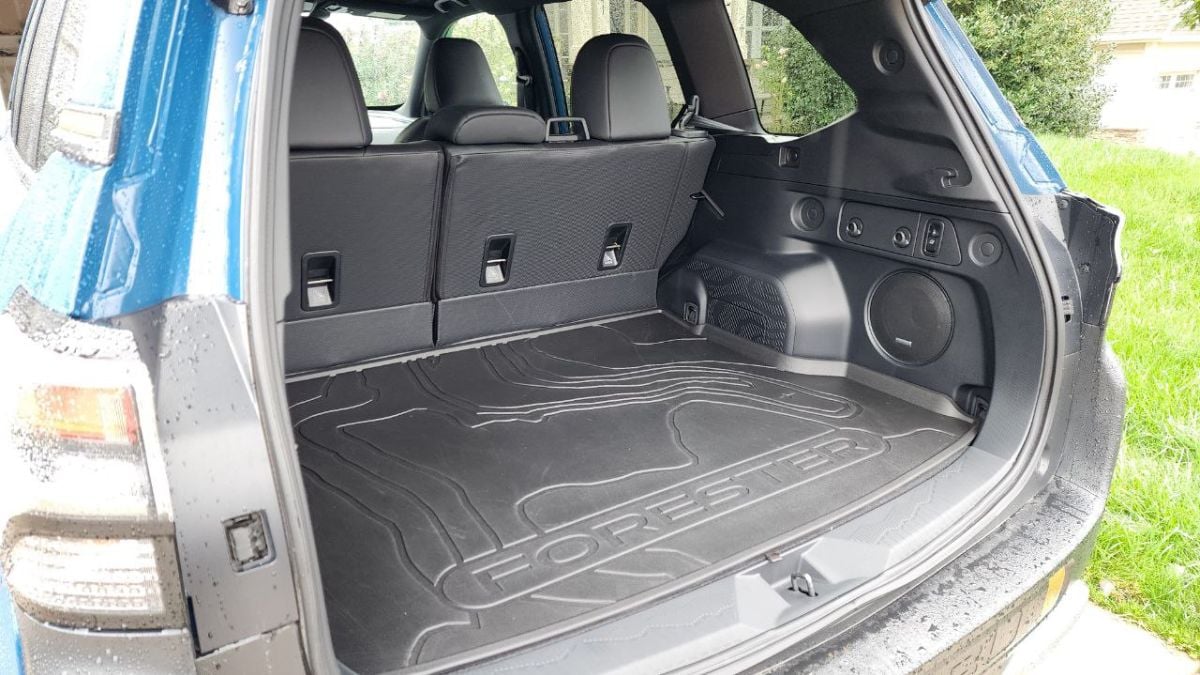
With the seats folded, you get a flat load floor, which makes hauling bikes or camping gear effortless. If you often carry pets or outdoor gear, the Forester’s cargo area is built for you.
On Road Composure and Noise Levels
Compared to the outgoing generation, the 2026 model is noticeably quieter. Subaru added more sound insulation, thicker glass, and improved seals. Even at 70 miles per hour, the cabin remains calm. Tire noise from the all-terrain rubber is present but not intrusive. What impressed me most is how the Forester feels solid and balanced. It does not pitch or roll excessively on curvy mountain roads, and the steering, though a bit numb, communicates enough feedback to keep you engaged.
Subaru clearly took lessons from its broader lineup, particularly the Outback Wilderness, and refined them here. It feels like an SUV engineered for people who drive a lot, not just on weekends. That is the key distinction. When I took it through city traffic and highway commutes, the Forester felt as easygoing as any crossover in its class. But when the pavement disappeared, it transformed into something genuinely capable.
Technology and Safety
Safety remains a major part of Subaru’s identity, and the 2026 Forester continues that tradition with the latest EyeSight Driver Assist suite. The dual camera system now covers a wider field of view and operates more smoothly in traffic. Adaptive cruise control is more natural in its acceleration and braking, and lane centering feels improved. In congested suburban driving, EyeSight took much of the stress out of long commutes. The blind spot monitoring system and rear cross traffic alert also functioned precisely. In bad weather, the cameras and sensors stayed clear thanks to clever heating elements that prevent fogging.
During a nighttime highway drive, the steering-responsive LED headlights impressed me with their range and precision. These are the kind of features that make a big difference in real-world use. CarTalk recently highlighted why the Subaru Forester Wilderness is among the best winter SUVs and excels in two key areas, traction and visibility. After driving through rain, gravel, and early morning fog, I understand exactly what they meant.
Comparing Forester Wilderness to Its Competitors
In the competitive compact SUV segment, the Forester Wilderness goes head-to-head with models like the Toyota RAV4 TRD Off Road, Honda CR-V TrailSport, and Mazda CX-50 Meridian. Each offers its own flavor of soft roading capability. The Forester stands out because of its driving position, all-around visibility, and consistent All Wheel Drive system. You never have to question whether all four wheels are powered. It simply works.
Toyota’s dominance in hybrids has been unmatched, as discussed in Torque News’ analysis of why Toyota may be crazy to replace the 2025 RAV4 Hybrid when it clearly tops its segment. Subaru still lacks a hybrid Forester in North America, although an electrified version is reportedly coming soon. When it does, the competition will heat up dramatically. In fact, America’s automotive watchers are already calling the next all new Subaru Forester Hybrid one of the most anticipated new models of the year. Based on how well this Wilderness trim performs, a hybrid system could turn it into a class leader.
But for now, if your priority is rugged capability combined with daily comfort, the 2026 Forester Wilderness feels like the sweet spot. I also appreciate how Subaru owners tend to personalize their vehicles. It reminds me of the Torque News reader who said he loved his 2025 Toyota RAV4 so much that he made over 600 modifications to make it stand out from all the other boring RAV4s on the road. The Forester Wilderness feels like a similar blank canvas for enthusiasts who want to make it their own.
The Real-World Fuel Economy of the 2026 Subaru Forester Wilderness
Fuel economy is one of the first questions buyers ask when comparing the 2026 Subaru Forester Wilderness to its rivals like the Toyota RAV4 Hybrid or the Honda CR-V. Subaru lists its EPA estimate at 27 mpg combined, which is respectable for an all-wheel-drive SUV with off-road capability. However, during real-world testing, drivers often report slightly lower numbers when the vehicle is loaded with gear or driven on dirt trails. That’s expected because the Wilderness model’s all-terrain Yokohama Geolandar tires, raised suspension, and tuned gearing all prioritize traction over efficiency. For many Forester Wilderness owners, that’s a fair trade-off since they value confidence in snow, mud, and gravel more than squeezing out an extra mile per gallon.
Drivers who primarily use the Forester Wilderness for commuting and light weekend trips will still find its fuel economy competitive. Even when pushed through mountain passes or city traffic, the 2.5-liter BOXER engine and Lineartronic CVT work smoothly to balance performance with economy. Many drivers report that the auto start-stop system feels less intrusive than in previous generations. In other words, you can expect to fill up less often than in larger SUVs while still having serious off-road hardware at your disposal. For shoppers comparing Subaru Forester Wilderness vs. Toyota RAV4 TRD Off-Road, this efficiency advantage often tips the scale toward Subaru for those who prefer full-time all-wheel drive and peace of mind in bad weather.
Owners who have tested the 2026 Wilderness on rough terrain consistently report how stable and predictable it feels. Subaru’s Symmetrical All-Wheel Drive system doesn’t wait for wheels to slip before redistributing power. Instead, it proactively maintains traction, which gives the driver a sense of security on uneven ground. Add in a roof rack rated for 800 pounds (static load) and the Forester becomes an ideal base for rooftop tents or overlanding gear. Whether you are climbing forest service roads or crossing icy highways, this Subaru feels like it was built to take abuse without complaint. For outdoor enthusiasts searching for the best off-road compact SUV for camping and daily driving, the 2026 Subaru Forester Wilderness is one of the few vehicles that genuinely bridges both worlds.
Verdict
After a week behind the wheel, I came away thinking that the 2026 Subaru Forester Wilderness represents Subaru at its best. It blends reliability, safety, and genuine capability without trying to pretend it is something it is not. It feels honest. You buy it because you value trust and versatility over outright speed. You buy it because you enjoy the drive to the trailhead as much as the trail itself. You buy it because you know that a Forester will take you home again, no matter what the weather or road lies ahead.
If Subaru adds a hybrid powertrain to this formula soon, it could redefine what buyers expect from an exploration-ready compact SUV. Until then, this Wilderness model stands as one of the most balanced and dependable choices in its class. It feels like a vehicle built for people who love being outdoors but also need something practical for daily life.
So what do you think? If you were choosing between a rugged gas-powered SUV like the 2026 Forester Wilderness and a hybrid competitor such as the RAV4 Hybrid, which would you pick and why? And if you already own a Subaru, what is the most unexpected thing you have discovered about it that others should know? Share your experiences and insights in the comments below.
Armen Hareyan is the founder and Editor-in-Chief of Torque News. He founded TorqueNews.com in 2010, which since then has been publishing expert news and analysis about the automotive industry. He can be reached at Torque News Twitter, Linkedin, and Youtube. He has more than a decade of expertise in the automotive industry with a special interest in Tesla and electric vehicles.
Set Torque News as Preferred Source on Google
Follow us today...



Comments
I've had my 2026 Forester…
Permalink
I've had my 2026 Forester for a little over a year now. I chose it after test driving the 2025 model and then leaving the dealership and test driving a Mazda, Toyota, and Honda. Out of those test drives, the Forester felt more responsive and was quieter and more comfortable. Of course, the visibility is incredible. The eyesight system make my daily combination of highway and in town traffic commute stress-free. Gas mileage is as advertised. I always get between 24 and 27 MPG. As a side note, I would have never test driven the Subaru if it hadn't been for my siblings. My brother has owned four Outbacks and my sister is on her third... When I passed the Subaru dealership, my siblings voices were in my head, "Go ahead test drive. What do you have to lose?" My answer. Nothing! Couldn't be happier...
Previously EPA paid…
Permalink
Previously EPA paid manufacturers to add Auto Start Stop but these payments ended. Yet Subaru continues to add it despite customer dissatisfaction. It requires $420 battery, heavy duty starter, and some claim premature motor mount wear. No way would I buy another vehicle with it esp now that EPA $ ended.