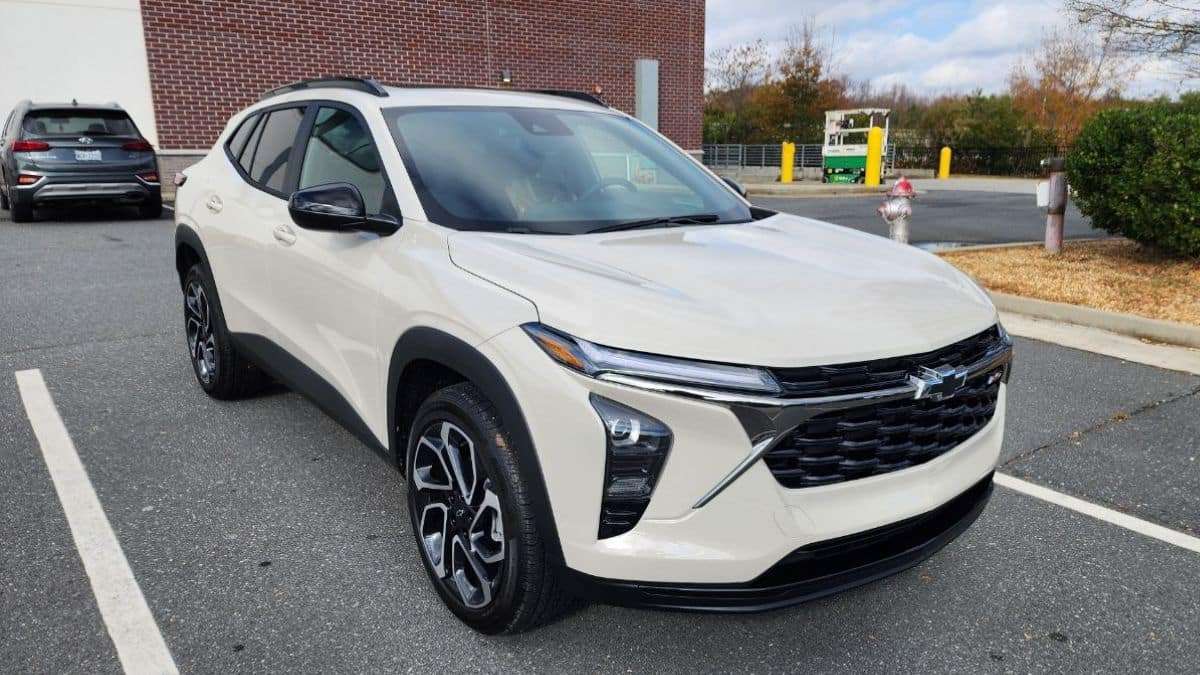

The 2026 Chevrolet Trax 2RS is one of those crossovers that sneaks up on you. You expect “entry-level,” you expect “budget,” and then you step inside, start driving, and realize Chevy has quietly built one of the best values in the affordable compact SUV segment. As someone who’s been reviewing cars professionally for 15 years and steering the editorial wheel at Torque News, I’ve driven hundreds of small crossovers. Very few hit this sweet spot of design, drivability, and price.
What’s New for the 2026 Trax
The 2026 Trax isn’t a ground-up redesign, but Chevy didn’t leave it untouched. You get new exterior paint options, slightly updated trim packages, and a cleaner lineup after Chevy removed a few accessories and bundled features. What the brand really focused on was refining a formula that already worked: bold styling, generous tech for the price point, and an interior that feels far more thoughtful than “subcompact crossover” usually suggests.
Fuel economy stays similar to the previous model, hovering around 28 mpg city and 32 mpg highway depending on trim. The well-liked turbocharged 1.2-liter three-cylinder carries over, tuned for efficiency rather than thrills. And on trims like the 2RS, the big 11-inch touchscreen is still the centerpiece of the cabin, one of the largest and clearest in this class.
This is a light refresh, but a smart one. Chevy didn’t try to fix what wasn’t broken. They simply polished what owners already appreciated.
Exterior Design of the 2026 Chevy Trax: A Sporty Look at an Everyday Price
If you haven’t seen the new-generation Trax in person yet, prepare for something that looks nothing like the old one. And if you have seen the redesigned 2024 and 2025 versions, the 2026 Trax 2RS carries that same sleek, athletic design language.
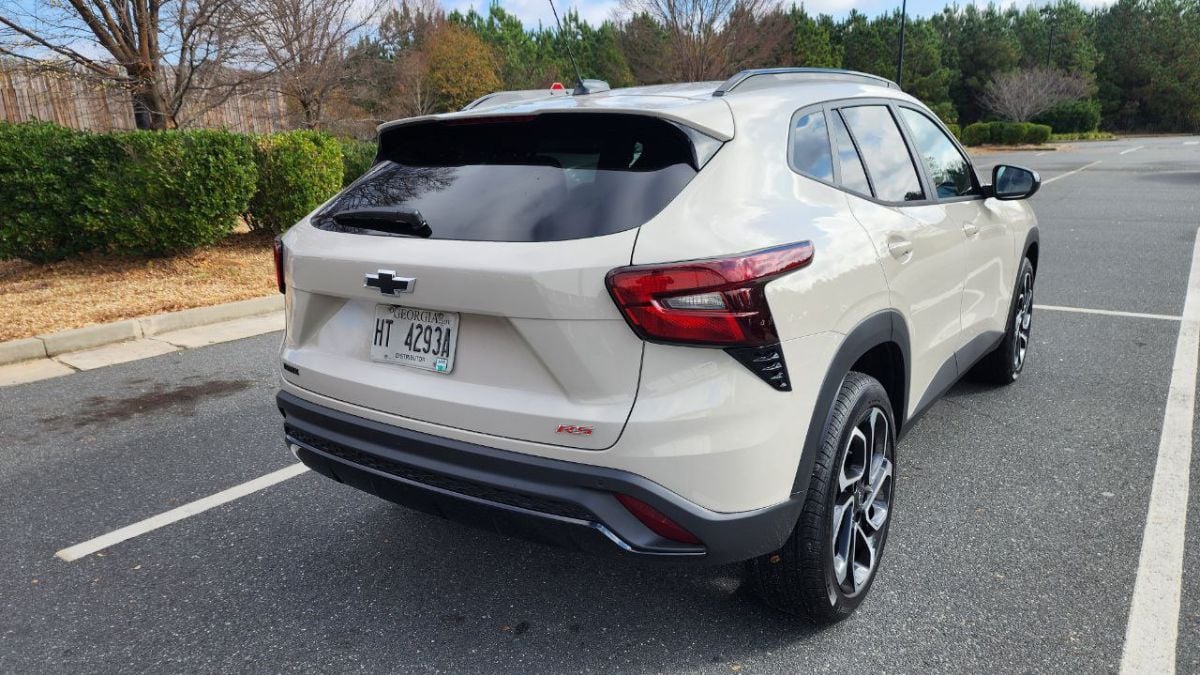
The 2RS trim of the 2026 Trax leans sporty, black bowtie badges, an aggressive mesh grille, sharper LED lighting, and a more athletic silhouette. The stance is wider, lower, and far more planted than the previous generation. What I appreciate is that the Trax doesn’t try to look like a tiny crossover pretending to be something else. It leans into its compact proportions and turns them into an advantage. A set of handsome 19-inch wheels on the 2RS trim anchors the whole look.
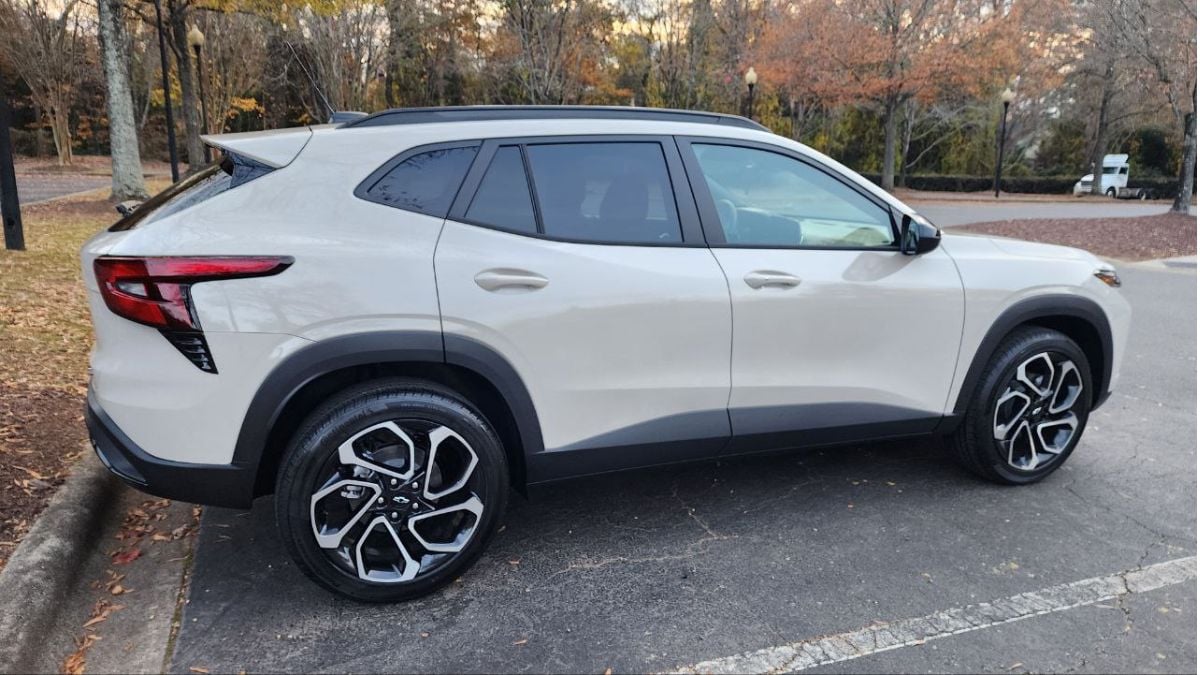
Walking up to it each morning during my test week, the Trax never felt like a “budget car.” It looks legitimately modern and attractive enough that I found myself giving it a second look as I walked away from it in the grocery store parking lot. That says something.
Interior Quality and Cabin Comfort of The 2026 Trax
Inside the 2026 Trax 2RS, Chevy continues the streak of over-delivering for the price. A lot of vehicles in the subcompact SUV category use cost-saving plastics just about everywhere. Chevy uses them too, let’s be honest, but the difference is in how they’re executed. The layout is clean, materials feel thoughtfully chosen for the price point, and nothing rattles or squeaks over bumps. You get a sense of sturdiness and intentional design.
The RS trim spices things up with red stitching, black accents, and a flat-bottom steering wheel that gives the cabin an almost sporty flavor. The driver sits fairly low compared to other crossovers. It’s not a “commanding” view like a Tahoe, but more of a car-like, connected-to-the-road feel that I’ve always appreciated when maneuvering through traffic or tight city streets.
Seat comfort is good for daily driving. Chevy doesn’t pretend these are luxury thrones, but the shape and padding are supportive. With heated front seats and a heated steering wheel available, the 2RS adds a bit of convenience you don’t always get in small SUVs.
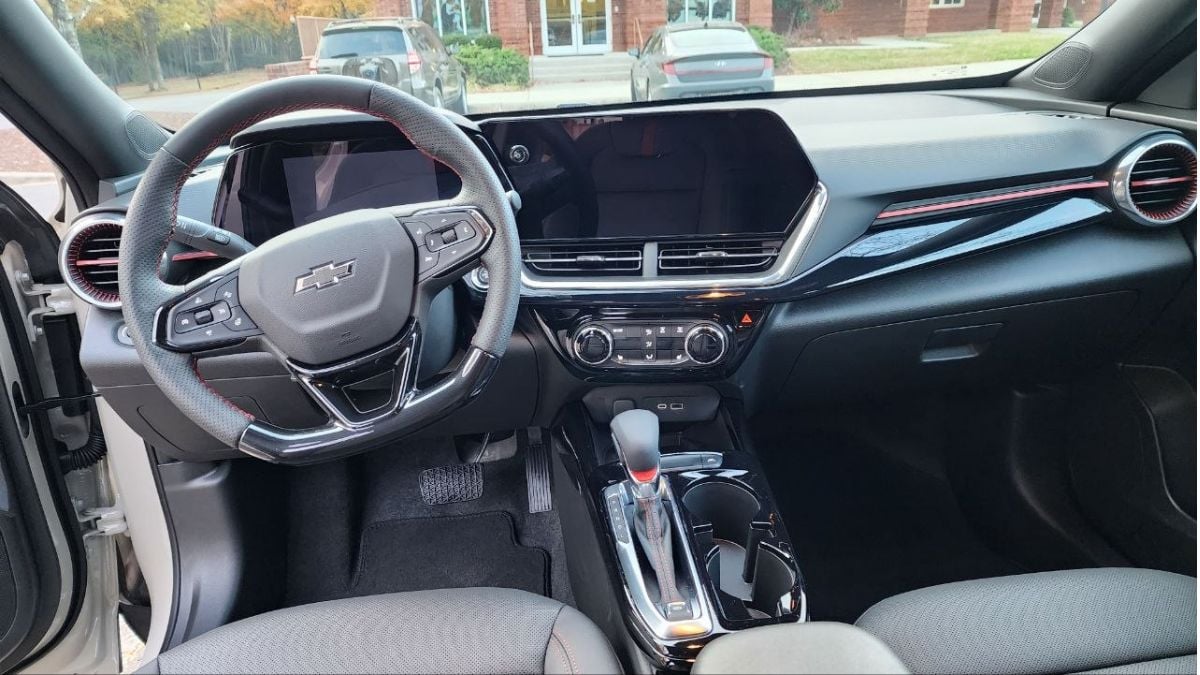
The biggest surprise? Cabin space. Chevy stretched this generation’s wheelbase, and you feel it. The Trax feels like a compact from the front seats but nearly like a midsize crossover in cabin usability.
Infotainment: The 11-Inch Touchscreen That Sets the Tone
This is where the new Trax really shows its modern side. The 11-inch center touchscreen anchors the dashboard and is one of the cleanest, easiest-to-use systems in the segment. Wireless Apple CarPlay and wireless Android Auto are standard on upper trims like the 2RS. The system is quick, intuitive, and customizable.
Below the main screen is an 8-inch digital gauge cluster that gives the Trax a surprisingly upmarket feel. You’re not staring at old-school analog dials. Everything is crisp, bright, and easy to read.
Wireless charging, multiple USB ports, and available in-car Wi-Fi keep things modern and road-trip friendly. This is the type of tech suite buyers in this segment want. Chevy gets full points for not crippling the Trax with outdated or stripped-down infotainment just because it’s the “affordable” model.
Second-Row Seating of The 2026 Trax Is Usable And Not Punishing
Rear-seat space is a very real deciding factor in this segment. A lot of subcompact crossovers feel like you’re punishing anyone who dares sit behind you. The 2026 Trax does something refreshingly different. It actually gives adults a fair shot at comfort.
Rear legroom is far better than before thanks to the longer wheelbase. I sat back there myself and had no problem with knee room, even with the front seat set for a six-foot driver. The angle of the seatback is comfortable enough for short and medium trips. Headroom is decent too.

Is it luxurious? No. But it’s legitimately usable. That matters.
Parents will appreciate that installing child seats isn’t a contortionist act. And for Lyft/Uber drivers or people who frequently transport friends or coworkers, the Trax punches above its weight.
Trunk and Cargo Space: A Small SUV That Hauls Like a Big One
Chevy found extra cargo room during the redesign and made the most of it. With the seats up, you get plenty of space for groceries, strollers, or weekend bags. Fold the seats down and you’re staring at over 50 cubic feet of usable room: an impressive number for a vehicle this size.
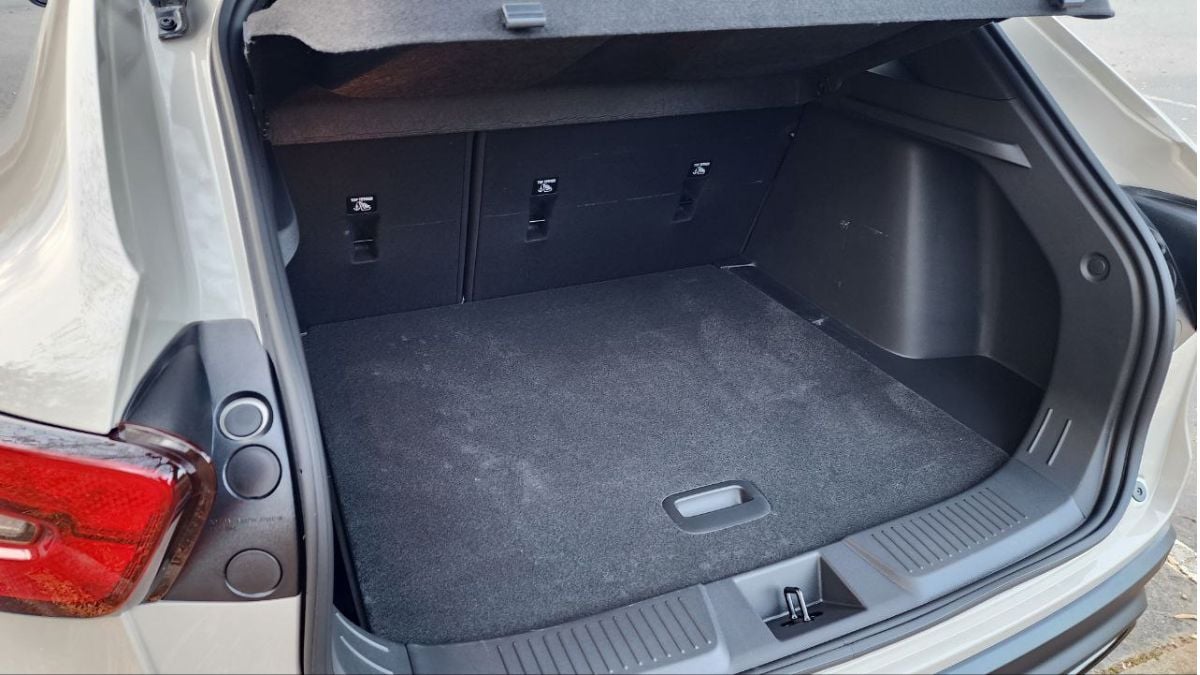
The load floor is flat, the opening is square, and the hatch angle makes it easy to slide items in. Whether you’re helping your kid move into a college dorm or bringing home gardening supplies, the Trax adapts easily.
So I think people searching for “best SUV cargo space under $30k” will want to keep this one on their radar.
Engine, Transmission, and Fuel Economy
The 2026 Trax 2RS sticks with the 1.2-liter turbocharged three-cylinder engine making 137 horsepower and 162 lb-ft of torque. It’s paired with a six-speed automatic and is front-wheel drive only.
Let’s be direct: this is not a performance engine. But it’s not trying to be. It’s designed around fuel efficiency, smoothness, and affordability. And in those categories, it performs well.
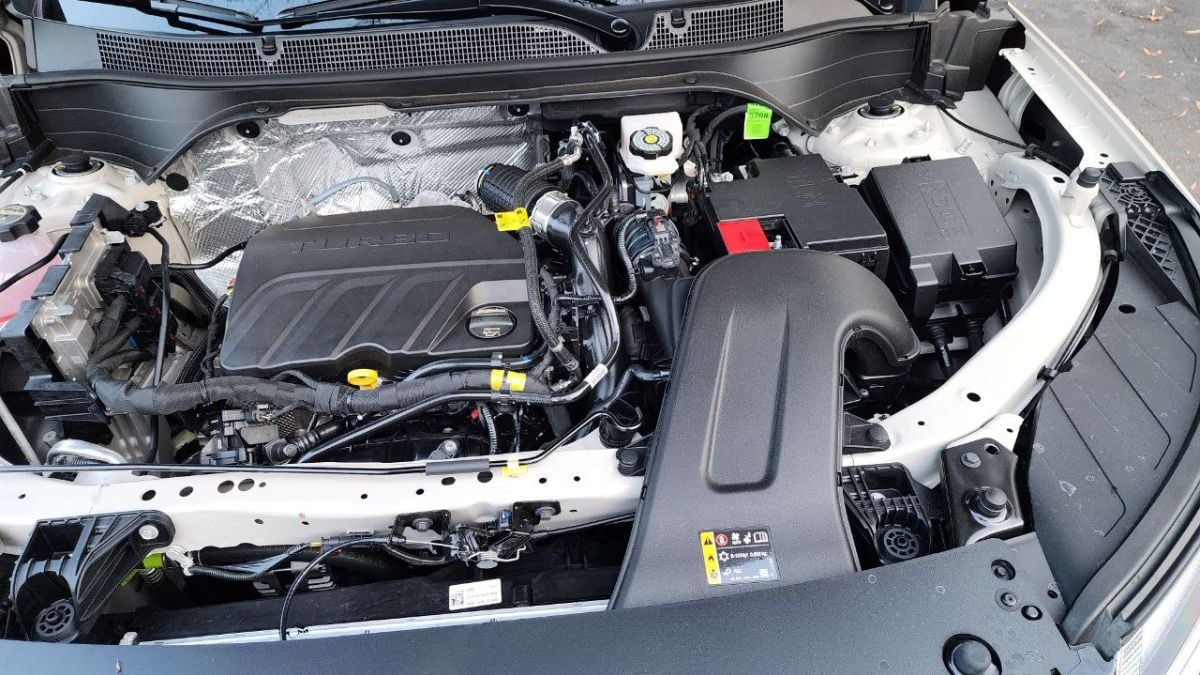
Around town, the turbo provides enough low-end torque to make the Trax feel lively. It doesn’t feel sluggish pulling away from stoplights or merging into traffic. The six-speed shifts predictably, and the throttle response is tuned for daily drivability rather than sportiness.
On the highway, the Trax settles into a comfortable rhythm. Passing power is adequate but not thrilling; you plan your moves rather than bolt ahead impulsively.
Fuel economy is one of the Trax’s biggest selling points. Getting around 30 mpg combined in a small SUV with this much interior room is a win.
Key Competitors to the 2026 Chevy Trax
When you’re shopping for a small SUV or subcompact crossover, the Trax doesn’t compete alone. Some of its fiercest rivals include the Honda HR-V, Kia Seltos, and Buick Envista. Take the HR-V: it’s often praised for its reputation for reliability and a more refined four-cylinder engine, plus a spacious back seat. But compared with the Trax, the HR-V’s lower base tech count and less aggressive pricing on its entry trims make the Trax a compelling alternative for value-focused buyers. The Seltos leans more upscale in its higher trims, with roomier cargo volume and available all-wheel drive, but again, the Trax undercuts it on cost and gives you that large touchscreen without forcing pricey options. And then there’s the Buick Envista - mechanically almost a twin of the Trax, but with a more premium veneer. It offers similar powertrain options, but those extra luxury touches come at a noticeable price premium.
In real-world cross-shops, what’s often clear is that the Trax wins on sheer dollar-for-dollar practicality, especially for buyers who want modern connectivity plus efficient performance without stretching into luxury or bigger SUVs. For first-time SUV owners, or city dwellers looking for affordable daily transportation, Trax’s competitors are tougher to justify when you run the numbers. For those who prioritize powerful engines or AWD, the rivals may pull ahead, but for a budget-conscious, tech-savvy buyer, Trax hits a sweet spot many others miss.
Cost of Ownership, Reliability, and Long-Term Value
One of the hidden advantages of the 2026 Trax is how its cost of ownership stacks up over time. According to Edmunds’ 5-year True Cost to Own for a Trax, even when you factor in depreciation, fuel, insurance, maintenance, and repairs, it’s still surprisingly affordable compared to many segment peers. Estimates show maintenance and repair costs remain modest, and because the Trax is lightweight and efficient, fuel costs are relatively low for a crossover. For someone running this as a daily driver, that adds up. The Trax isn’t just cheap on the lot, it can stay cheap to run.
On the reliability side, things are mostly positive, though not spotless. According to CarMax/RepairPal data, the Trax gets an above-average reliability rating, with unscheduled maintenance costing less than what you might expect for this class. That said, there are some known issues from earlier Trax generations - electrical glitches, infotainment freezes, and even some engine-related complaints - so it’s smart for buyers to stay on top of recalls or TSBs, and consider an extended warranty if they plan to keep the car long-term. For someone focused on total cost of ownership and real-world reliability, the Trax remains very compelling, especially compared to pricier small SUVs that demand more for the same features.
Safety Profile: Strengths and Trade-offs
Safety is always one of the first things I look at as a seasoned auto journalist, and with the Trax, it’s a mixed bag: there are some solid standard driver-assist features, but crash-test results show room for improvement. The Trax comes equipped with Chevy Safety Assist, which includes automatic emergency braking, lane-keeping assist, and lane-departure warning. Those are strong, practical systems, exactly what many small-crossover buyers want to feel confident in daily driving.
But on crash-test performance, the Trax doesn’t shine across the board. In more recent IIHS tests, it earned a Poor (P) rating in the updated moderate overlap test, signaling elevated risk for certain occupants. There are also Marginal marks on headlight performance and pedestrian crash prevention, which suggests that while the Trax is competitive in technology-assisted safety, it may lag in raw crashworthiness compared to some rivals. For someone prioritizing safety above everything else, this may be a trade-off, but for many buyers balancing budget, fuel economy, and tech, the Trax’s safety package may feel “good enough.”
How the Trax 2RS Drives in the Real World
This is where 15 years of automotive reviewing really shape my verdict. The Trax doesn't drive like a bargain-bin crossover. It feels composed, quiet enough for its price, and surprisingly refined over broken pavement. The suspension, MacPherson struts in front and a torsion beam in back, does a solid job balancing comfort with predictable handling.
Steering is light but purposeful. The compact footprint makes parking in tight garages or squeezing through city congestion an easy task. The lower seating position gives you that car-like confidence many crossover buyers still prefer.
Safety tech is thoughtfully applied. Features like automatic emergency braking, lane-keeping assist, and lane-departure warning come standard. Higher trims can be optioned with blind-spot monitoring and rear cross-traffic alert. The Trax may be affordable, but it doesn’t force you to compromise on safety essentials.
Overall, the driving experience was better than I expected from a vehicle with this price tag. It’s not sporty. But it’s consistent, smooth, and easy to live with: qualities that matter more in real life than outright speed.
Final Verdict: Why the 2026 Trax 2RS Works So Well
After spending a week with the 2026 Chevrolet Trax 2RS, I came away genuinely impressed. Chevy figured out the formula:
- Make it look great.
- Give it real space and practicality.
- Load it with tech people actually use.
- Keep the price where regular buyers can reach it.
That’s how you build one of the most compelling budget-friendly SUVs right now.
For first-time SUV buyers, young professionals, families needing a second car, or anyone who just wants a stylish, fuel-efficient commuter with modern tech. The Trax 2RS checks almost every box.
Questions for You
- If you were choosing between the Trax and another small SUV, how much weight would you give to its big-screen tech and excellent fuel economy?
- Would you be satisfied with the turbo three-cylinder’s performance, or would you prefer Chevy offer a stronger engine option?
Drop your thoughts below. I’d love to hear what you think about the 2026 Trax and how it stacks up in your real-world needs.
Armen Hareyan is the founder and Editor-in-Chief of Torque News. He founded TorqueNews.com in 2010, which since then has been publishing expert news and analysis about the automotive industry. He can be reached at Torque News Twitter, Linkedin, and Youtube. He has more than a decade of expertise in the automotive industry with a special interest in Tesla and electric vehicles.
Set Torque News as Preferred Source on Google
Follow us today...