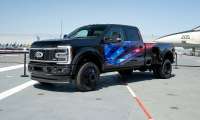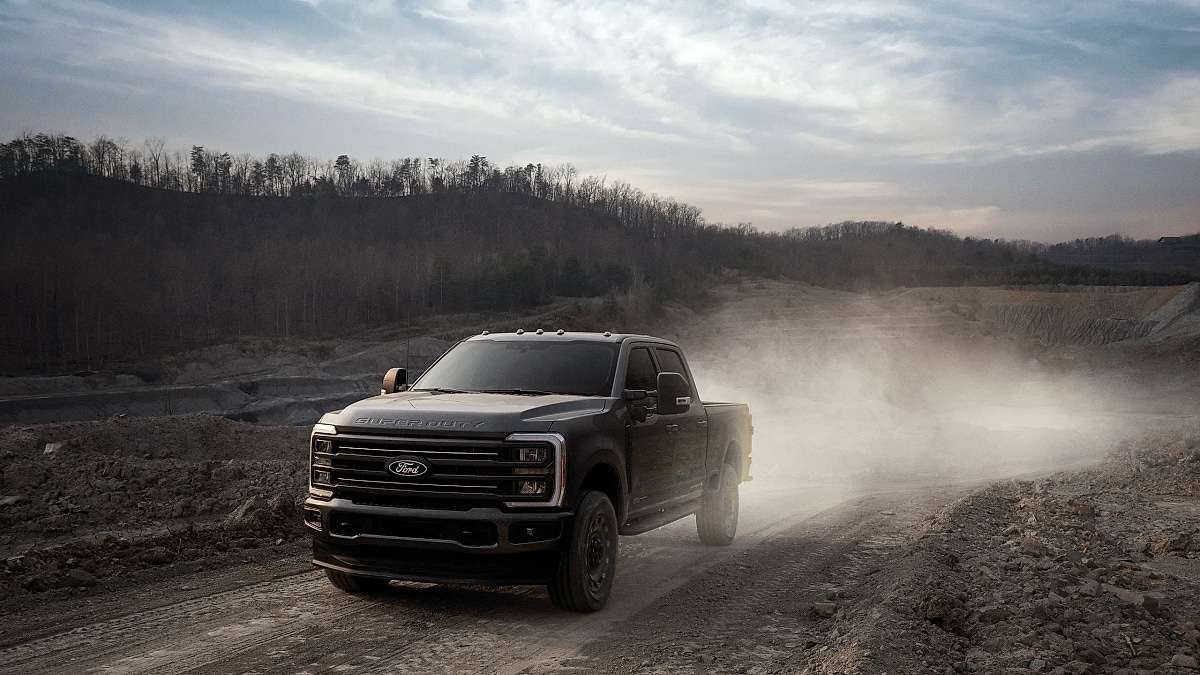

Ford just launched the 2027 Super Duty Carhartt package, and the reaction exposed a growing divide in truck culture. Buyers like the idea. They respect the workwear connection. But many immediately asked the same question. Where is the actual Carhartt design? Why does this mostly feel like badges and branding?
Ford knows truck buyers pay attention to details. That is exactly why the company’s new 2027 Super Duty Carhartt package immediately sparked conversation across truck forums and social media. Some buyers loved the collaboration instantly. Others wanted a more aggressive Carhartt inspired design language throughout the truck.
One early reaction captured both excitement and hesitation perfectly. “People say they like the idea but was hoping for more Carhartt design on it not just logos.”
That comment actually highlights something positive about today’s truck market. Buyers care deeply about authenticity. After 15 years covering the automotive industry at Torque News, I think the reaction to Ford’s Carhartt package says less about disappointment and more about how emotionally connected people remain to trucks, work culture, and trusted American brands.
And honestly, that connection matters.
Ford did not create this package randomly. The company understands that Super Duty buyers often overlap with the same people who wear durable workwear daily. Contractors, ranchers, electricians, farmers, utility crews, and towing operators already view both Ford trucks and Carhartt clothing as tools built around hard work.
That shared reputation is exactly why this collaboration makes sense.
The new package adds practical upgrades including exterior LED lighting, a spray in bedliner, all weather floor mats, and exclusive Carhartt badging throughout the truck. The package is available exclusively on four wheel drive XLT crew cab Super Duty models and adds $4,195 to the base price.
Some critics immediately focused on the appearance elements. But many buyers may actually appreciate Ford’s restrained approach.
Why?
Because truck owners often prefer customization freedom.
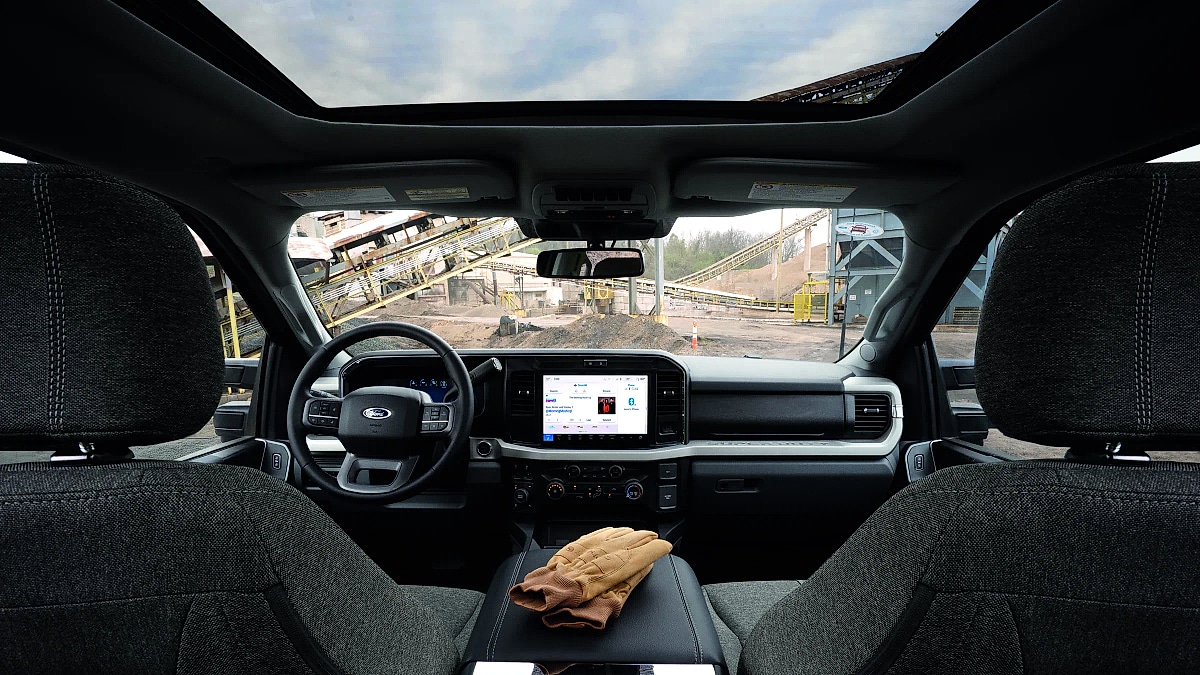
A heavily themed interior or oversized exterior graphics package can age quickly. More subtle branding gives owners flexibility while still creating exclusivity. Ford likely wanted this truck to feel durable and mature rather than gimmicky.
That distinction is important.
Modern truck buyers increasingly reject flashy appearance packages that feel disconnected from daily usability. In many ways, Ford may have intentionally avoided over designing the Carhartt package to preserve the Super Duty’s professional image.
And there is another side many people are missing.
Not every work truck buyer wants rugged styling pushed to extremes.
Some buyers simply want practical factory installed upgrades with recognizable branding from companies they already trust. The spray in bedliner alone addresses a real ownership concern. So do the all weather floor mats. Exterior LED lighting also improves nighttime visibility around job sites and trailers.
Those are not meaningless additions.
In fact, many aftermarket buyers already spend thousands adding those exact features after purchase.
Ford’s advantage here is integration.
Factory installed accessories generally fit better, carry warranty protection, and simplify financing compared with aftermarket modifications. For busy contractors and fleet operators, that convenience matters.
I think some automotive coverage also missed another key point.
This package is launching on the XLT trim, not a luxury focused Platinum or King Ranch model.
That tells us Ford likely intended this truck to stay closer to actual work focused buyers rather than pure luxury shoppers.
And frankly, that is probably smart positioning.
Heavy duty truck prices continue rising rapidly across the industry. Many buyers today carefully balance capability, monthly payments, operating costs, and long term durability. The XLT trim traditionally hits a sweet spot because it offers meaningful technology and comfort upgrades without entering ultra luxury pricing territory.
The Carhartt package fits naturally into that middle ground.
It adds identity and practicality without transforming the truck into a rolling fashion statement.
That balance may ultimately help resale value too.
One thing truck buyers consistently worry about is how special editions age over time. Extremely aggressive appearance packages sometimes lose appeal after several years. A cleaner factory design often survives changing trends better.
Ford may be playing the long game here.
And honestly, Carhartt itself built its reputation around understatement. The company became successful because workers trusted the clothing to perform consistently over time. Flashy branding was never really the core appeal.
Reliability was.
That philosophy arguably carries into this truck package as well.
Still, I understand why some enthusiasts hoped Ford would go further.
A Carhartt specific seat material would have been interesting. Additional utility storage could have strengthened the work focused image. Specialized washable interior surfaces may have fit the branding naturally.
But that does not necessarily mean Ford failed.
It may simply mean buyers already see huge potential in this partnership.
That is actually a compliment.
Nobody asks for “more” unless they already like the foundation.
And from a business perspective, Ford and Carhartt may also be testing market demand carefully before expanding the concept later. Automakers frequently launch limited packages first to evaluate customer response before investing in larger dedicated redesigns.
If demand proves strong, future versions could evolve significantly.
I also think this launch reflects something broader happening inside the truck market.
Buyers increasingly want trucks that connect emotionally without abandoning functionality.
That balance is harder to achieve than many people realize.
Truck owners often use these vehicles for multiple roles simultaneously. One day the truck handles towing duties. The next day it carries family members. Later it may appear at a construction site or outdoor event. Modern pickups became lifestyle vehicles because they now serve several identities at once.
Ford understands that evolution better than most manufacturers.
The Super Duty lineup especially has become central to Ford’s profitability and long term truck strategy. Buyers expect these trucks to deliver capability, comfort, technology, and personal identity together.
The Carhartt package taps directly into that emotional space.
And unlike some branding collaborations, this partnership at least makes logical sense.
Carhartt represents durability.
Super Duty represents heavy duty capability.
There is natural overlap between the audiences.
That authenticity helps separate this package from purely cosmetic marketing exercises.
Interestingly, the conversation surrounding this truck also reveals how passionate truck communities remain today. People care enough to debate the details because these vehicles still symbolize independence, work ethic, and personal values for many owners.
That emotional connection keeps the truck market incredibly competitive.
It also pushes manufacturers to improve continuously.
In that sense, constructive criticism from enthusiasts may actually help Ford refine future special editions. Automakers closely monitor owner reactions online. When buyers consistently request more functionality or stronger thematic integration, companies notice.
And truck buyers often shape future products more than they realize.
Personally, I think Ford largely made the correct strategic move here.
The company created a package that feels professional, restrained, and useful without crossing into novelty territory. Some buyers will absolutely prefer a more aggressive Carhartt identity. Others will appreciate that the truck still looks clean and work ready.
There is room for both opinions.
That is what makes the discussion interesting.
At the end of the day, the 2027 Ford Super Duty Carhartt package succeeds because it starts a conversation about what truck buyers truly value today.
Some prioritize bold styling.
Others prioritize utility.
Most want both.
And maybe that is the real takeaway here.
Truck buyers are no longer satisfied with either pure luxury or pure ruggedness alone. They increasingly expect manufacturers to blend identity, durability, practicality, and long term ownership value together.
That is not easy.
But it explains why this launch attracted so much attention immediately.
What features would you personally add to a future Ford Carhartt truck package?
And do you prefer subtle special editions like this one, or more aggressive themed truck designs?
About The Author
Armen Hareyan is the founder and Editor-in-Chief of Torque News and an automotive journalist with over 15 years of experience writing car reviews and industry news. Now based in the Charlotte region (Indian Land, SC, he founded Torque News in 2010, which since then has been publishing expert news and analysis about the automotive industry. He can be reached at Torque News on X, Linkedin, Facebook, and Youtube. Armen holds three Masters Degrees, including an MBA, and has become one of the known voices in the industry, specializing in the landscape of electric vehicles and real-world stories of actual car owners. Armen focuses on providing readers with transparent, data-backed analysis bridging the gap of complex engineering and car buyer practicality. Armen frequently participates in automotive events throughout the United States, national and local car reveals and personally test-drives new vehicles every week. Armen has also been published as an automotive expert in publications like the Transit Tomorrow, discussing how will autonomous vehicles reshape the supply chain, and emerging technologies in vehicle maintenance.
Set Torque News as Preferred Source on Google
Follow us today...