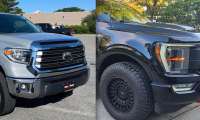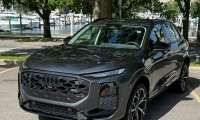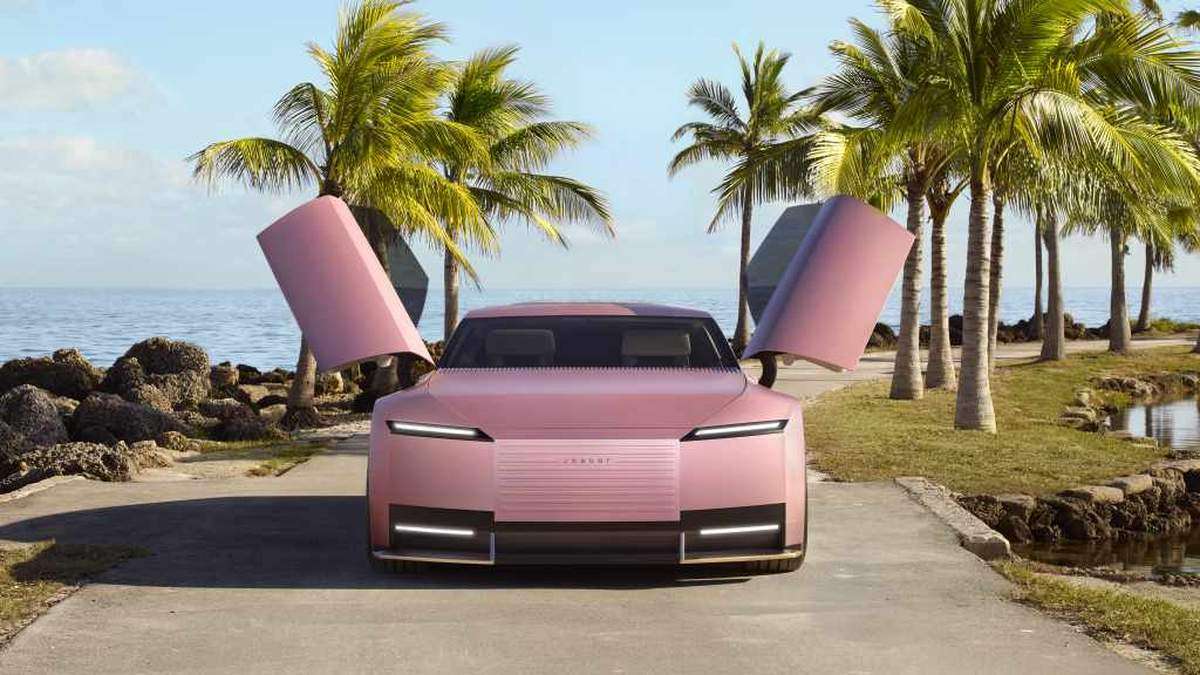

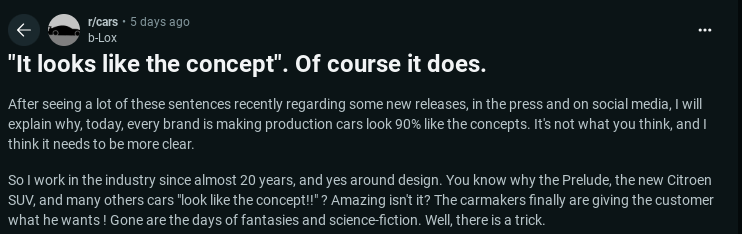
Once upon a time, concept cars were the unfiltered fever dreams of the automotive industry, jet-fueled hallucinations in chrome and glass. They didn’t just hint at the future; they kicked the present in the teeth. You remember them: the Cadillac Cyclone with radar-guided cones and rocket-like tailfins, the Buick Y-Job with no practical purpose other than looking cool enough to shut down an entire parking lot. They were designed not with pragmatism, but with audacity. But today, the pulse has flatlined. We've gone from building dreams to building previews. As one seasoned designer put it in a Reddit post,
"It is a marketing trick, but seeing it work so well is sometimes funny.
Sometimes a bit sad."
Veteran Auto Designer Exposes How Today’s Concept Cars Are Pure Marketing Stunts
That designer, a Reddit user named b-Lox, has been in the car design trenches for two decades. His recent confession reads like a defector spilling state secrets. The crux? Most of what the public is sold as “concept cars” today is nothing more than dressed-up prototypes.
“Most of the 'concepts' you see are called 'showcars' in the business, and they are different. They are teasers of the production car. Marketing loves them. Easier to understand, and also lie to journalists and customers.”
This isn't evolution, it’s erosion. The bold lines and camera-mirror gimmicks aren't there to tease innovation. They’re sleight of hand, a montage trailer for a movie you’re already destined to see in its PG-13, beige crossover final form.
What happened to the spine-tingling promise that once came with a concept car reveal? Ask any gearhead over the age of thirty, and they'll recall a personal heartbreak: that one concept car that promised teleportation and instead delivered Bluetooth. As b-Lox explains,
“Usually they just tweak the proportions of the 90% finished production car, fit big wheels, a crazy colour, and cool details like camera mirrors etc, and it looks cool.”
What we're seeing isn't the future, it's an elaborate Photoshop job made of clay and carbon fiber, built not by mad scientists but by marketing directors on a deadline.
3 Essential Roles of Concept Cars: Innovation, Feedback & Brand Buzz
- Concept cars allow manufacturers to explore and test radical design ideas and advanced technologies that may be too risky or ambitious for immediate mass production. This includes experimenting with new aerodynamics, user interfaces, and electric drivetrains, providing a sandbox for innovation without the constraints of production timelines or budgets.
- By showcasing concept cars at auto shows and events, manufacturers can gauge public and media reactions to new designs and technologies. This feedback helps in assessing consumer interest and potential market trends, informing decisions on which features or styles to pursue in future production models.
- Concept cars serve as powerful marketing tools, generating media buzz and reinforcing a manufacturer's image as an innovator. They help in creating favorable public relations and can attract attention to a brand's vision for the future, even if the concept itself is not intended for production.
It gets worse. According to another Redditor, KamiPigeon, who works in manufacturing at a major North American OEM, even internal teams are misled by these showroom illusions. One concept was so dramatically different from the production plan that it triggered “emergency meetings” with manufacturing, engineering, and stamping teams, because they had no idea the public was about to be sold a fantasy that wasn’t in the playbook. The styling was so off-book that it nearly sent the assembly line into chaos. Think about that: millions of dollars, union hours, and square footage all nearly rearranged because PR wanted a better shot for the press release.
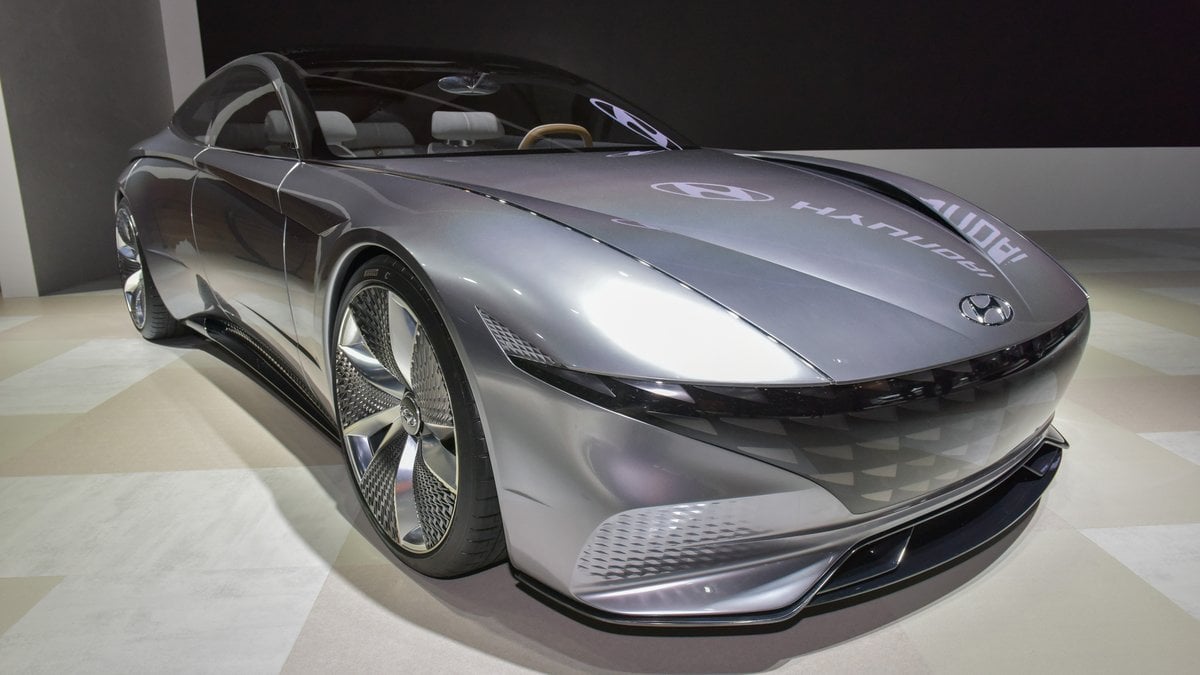
This isn’t just disingenuous, it’s disorienting. And it’s not just happening at the auto shows. From fake exhaust sounds (see: BMW’s Hans Zimmer soundtracks) to hollow performance badges, the industry is addicted to illusion. As Wired and the Washington Post have both explored, automakers have become curators of fake excitement. It's not about building better cars, it's about making people feel like the car is better. A bit of performance theater piped through the stereo, a bit of concept sleight-of-hand under a spotlight. It's the same illusion at both ends.
The De‑Risking of Modern Showcars
The auto industry used to gamble big on concept cars, not because they were guaranteed hits, but because they might be. They were intellectual exercises, raw material for future revolutions. But in today’s boardrooms, where ROI charts carry more weight than racing pedigrees, concepts have been de-risked and repackaged. As b-Lox notes:
“A showcar can be done in 4 months... sometimes they are just a foam model with printed parts.”
In other words, what you’re seeing isn’t even a car, it’s set dressing with a VIN placeholder.
Concept Cars as Cultural Icons: Film, Music & Future‑Tech Inspirations
- Concept cars have often been featured in movies and TV shows, capturing audiences' imaginations and becoming symbols of futuristic innovation. For instance, the DeLorean DMC-12, with its distinctive gull-wing doors, was transformed into a time machine in the "Back to the Future" series, cementing its place in cinematic history. Similarly, the Batmobile, evolving through various concept designs, has become synonymous with the Batman franchise, showcasing how concept cars can become cultural icons.
- The sleek and avant-garde designs of concept cars have inspired musicians and fashion designers alike. Songs like Prince's "Little Red Corvette" highlight the car's role as a metaphor for desire and speed, while fashion shows have incorporated automotive elements, reflecting the car's status as a symbol of modernity and style.
- Concept cars often embody visions of the future, influencing public expectations and aspirations. Their futuristic designs and technologies, such as autonomous driving and alternative energy sources, have not only showcased what's possible but have also set trends in consumer desires and technological advancements.
And yet, the automakers pat themselves on the back when the production car “stays true to the concept”, as if they didn’t plan it that way all along.
“If a carmaker says the production car is like the concept, look at the timeline first.”
b-Lox writes.
“If it's less than a year after the release of the 'concept', well then, you can be assured that the concept is just a souped-up teaser of the already finished project.”
It’s like praising a movie for sticking to its trailer.
The tragedy isn’t that these cars are boring. The tragedy is that the audience has started to believe the illusion.
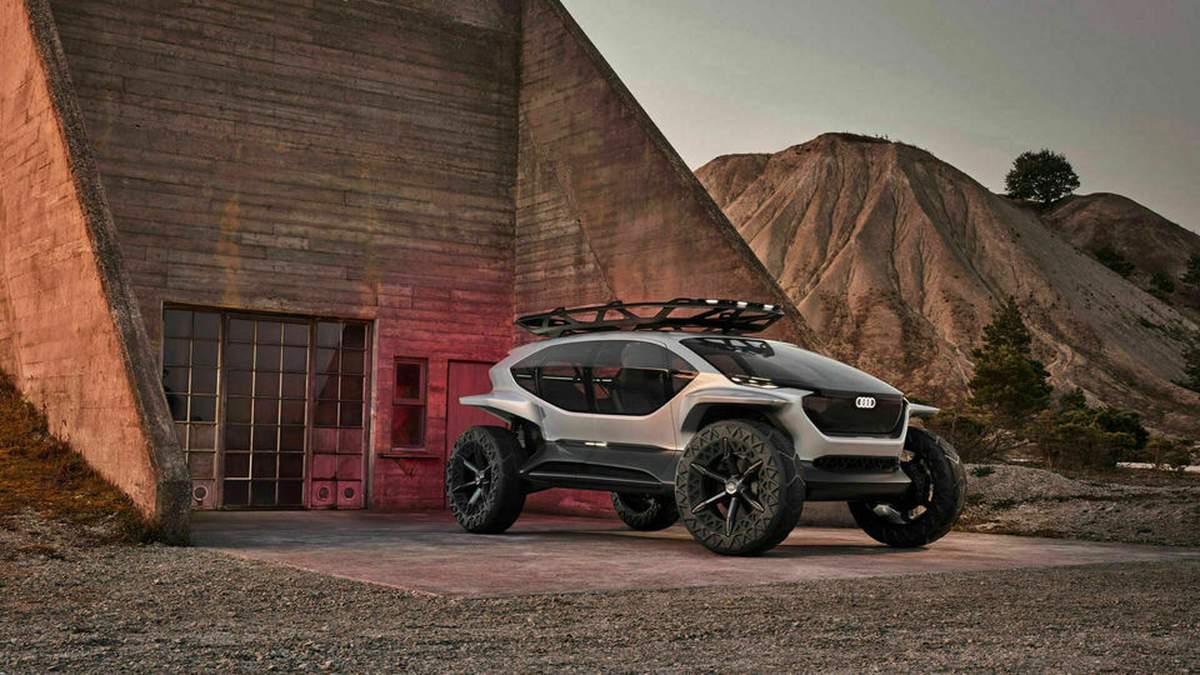
We should demand concept cars that challenge us, that break the mold, not reinforce it. Because when everything looks like a future we’ve already agreed to, we stop pushing for better. And if the soul of the automobile has always been about reaching beyond what’s possible, then the soul is in critical condition. Let’s stop mistaking the trailer for the film and start asking the industry to show us the full feature.
What's a concept car you would buy right now, regardless of price tag? Let us know right now in the comments below.
Image Sources: Audi Media Center, Jaguar Media Center, Hyundai Newsroom
Noah Washington is an automotive journalist based in Atlanta, Georgia. He enjoys covering the latest news in the automotive industry and conducting reviews on the latest cars. He has been in the automotive industry since 15 years old and has been featured in prominent automotive news sites. You can reach him on X and LinkedIn for tips and to follow his automotive coverage.
Set Torque News as Preferred Source on Google
Follow us today...