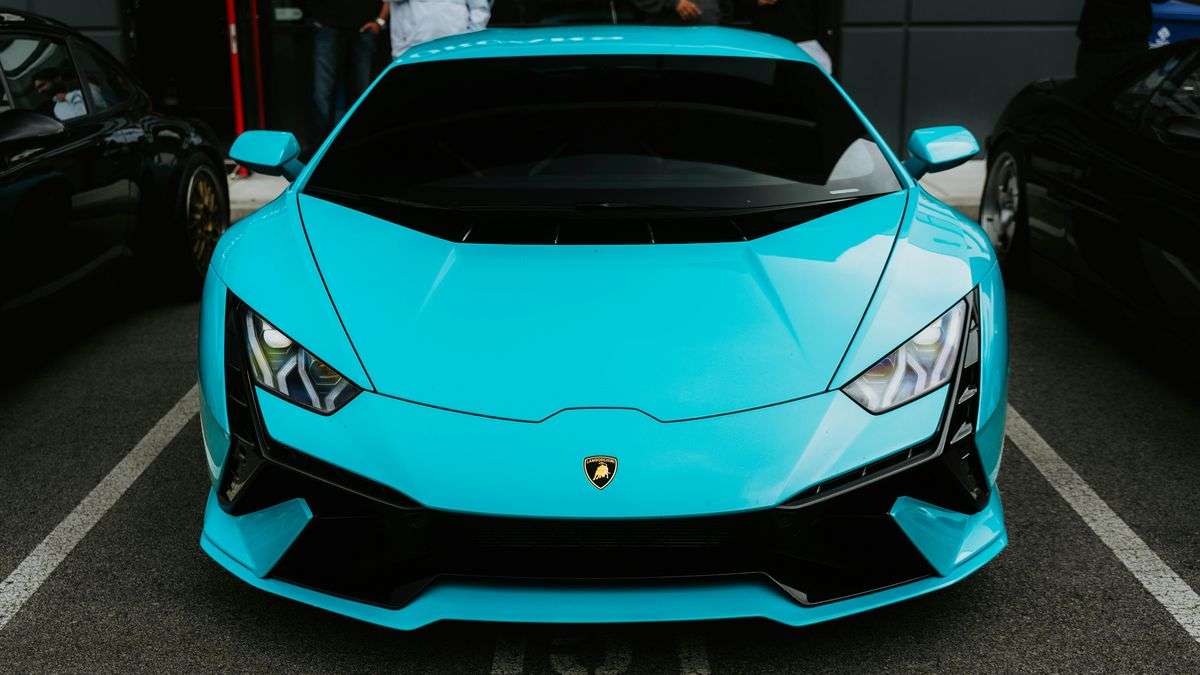

There was a time when buying a car was like buying a leather jacket in 1970s Detroit, you didn’t do it to blend in. Cars came in Plum Crazy, Hugger Orange, and British Racing Green. They weren’t just paint choices, they were rolling declarations of intent. Today, we seem to have collectively decided that the most expressive thing a new car should say is:
“I’m available in white, silver, or black.”
The modern automotive palette has been drained of vitality, reduced to grayscale in the name of resale, convenience, and a misplaced fear of attention.
To understand the decline of color on the American road, we reached out to people who know paint better than most, Mothers, the California-based detailing company that's been helping car enthusiasts preserve their finishes for over five decades.
The Decline of Vibrant Car Colors: Insights from Experts and Enthusiasts
We also dove into the passionate, and often contradictory, chorus of enthusiasts on Reddit’s r/cars community, where complaints about boring factory colors are nearly as common as posts about build quality or lease deals.
We spoke to Jim Dvorak at Mothers, who laid out the full picture:
“Primarily, I would suggest that the designers and automakers select particular color palettes from which the dealers can order their vehicles. It’s really dealer-driven and what consumers want. But a lot of people don’t like that bright red Corvette because it attracts attention to them. Most people, I think, are white and gray or silver. Most automakers are running three or four common colors, white, silver, charcoal, dark charcoal, and black, with a little bit of blue and green and orange, or red mixed in there. But it seems like no matter where you go, you’re seeing grayscale.”
Dvorak pointed out what many already suspect: the color decisions aren't being made by daring designers but rather by cautious dealers reacting to even more cautious consumers.
Advertising
“Primarily, I would suggest that the designers and automakers select particular color palettes from which the dealers can order their vehicles. It’s really dealer-driven and what consumers want,”
He explained. The end result is a showroom floor that looks more like a parking garage at an insurance convention than the vibrant dreamscapes once promised by concept cars.
Dealer-Driven Palettes: Why Showrooms Are Stuck in Grayscale
This attitude trickles down into every level of automotive culture. One of the most upvoted posts on r/cars came from a user named u/Neon_Biscuit:
“Every day I see a sea of 50 shades of grey on the highway while I bumble down the road in my French racing blue car and wonder if the lack of car colors on the road is just hive mind or people really prefer a drab color.”
It’s a question of aesthetics, yes, but also one of identity. Most drivers claim to want bold hues. They’ll applaud Miami Blue 911s and Nitro Yellow Supras on Instagram and forums. But when it comes time to sign the papers? More often than not, they retreat to white or black. As Dvorak puts it,
“A lot of people don’t like that bright red Corvette because it attracts attention to them.”
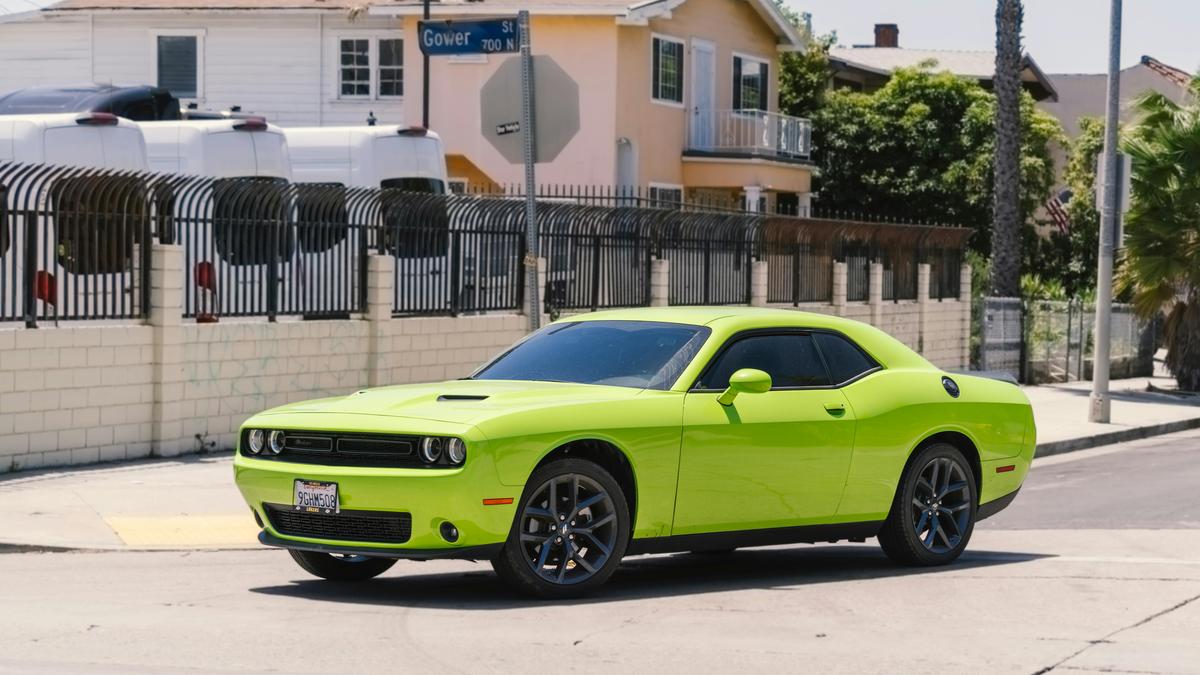
There’s a catch-22 built into the system. Dealers don’t stock colorful cars because they sit too long on the lot.
Buyers can’t choose colors that are not offered.
Keeping The Safe Colors
- Automakers often limit their palette to a few "safe" neutrals, black, white, silver, gray, to streamline production, appeal to mass-market tastes, and boost resale values.
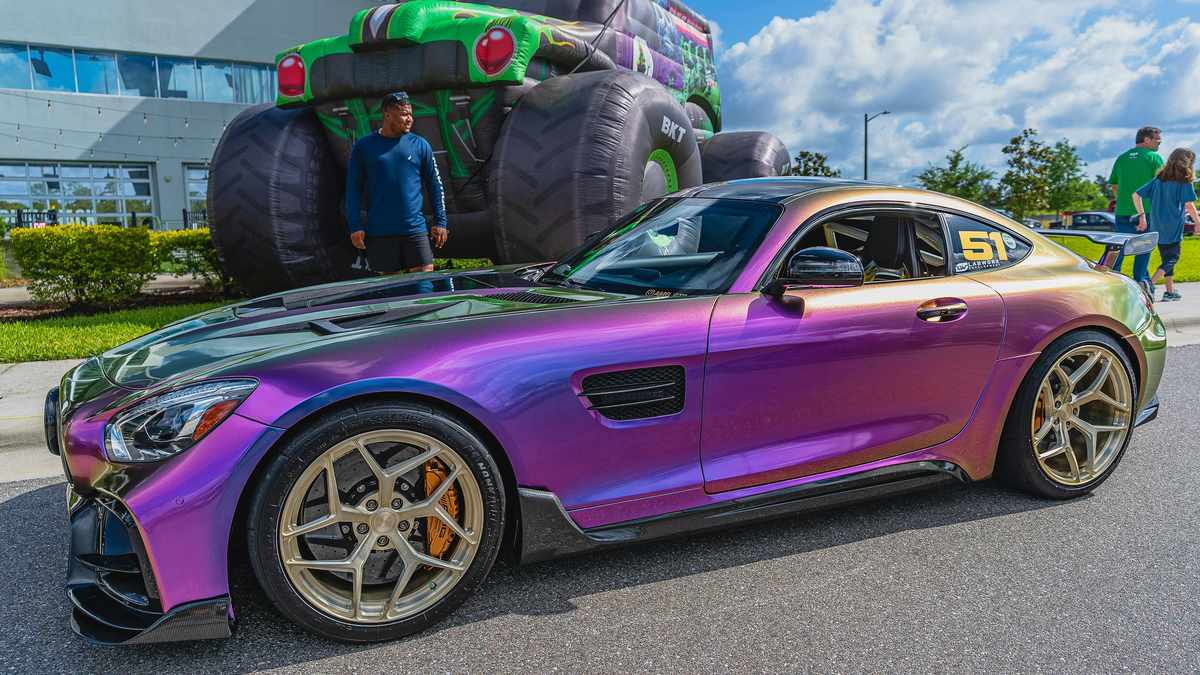
- Specialty finishes like Mystichrome now stand out by reviving the beloved 1996 Mystic Cobra’s iconic color-shifting paint, blending blue, purple, green, brown, and gold hues
- After a 20‑year hiatus since 2004, Ford’s color‑shifting special is back, through RTR, for 2024 models, offering up to $16K in premium paint and capped at only 1,000 units
- This return taps into nostalgia and exclusivity, letting enthusiasts showcase individuality in a market dominated by monotony.
And when the occasional color is available, it’s often locked behind a premium trim, like the GR Corolla’s fiery hues being exclusive to the Circuit Edition. One Reddit user summed it up:
“I wanted an army green 4Runner. I couldn’t find one at MSRP. I had to settle for charcoal.”
Multiply that by thousands of buyers a month, and you understand how the color drains out of the market, one compromise at a time.
Yet it’s not as if bright colors are harder to maintain anymore. In fact, detailing tech has evolved to meet modern expectations.
Advertising
“Ceramics are a modern convenience.”
Says Dvorak, referencing the company’s California Gold Ceramic line.
What New Colors Are Being Introduced
- With 75% of new cars painted white, black, silver, or gray in markets like North America, manufacturers favor these neutrals for their broad appeal, reduced inventory complexity, and consistent resale value
- Grey beautifully conceals grime, from winter salt to road dust, making it a worry-free choice for drivers who despise constant car washes
- Grey is seen as inoffensive and classic, widely accepted by consumers and fleet buyers alike, reinforcing its prevalence and further limiting color variety
- Brands like Audi popularized flat “Nardo Grey” in performance models, triggering copycats across the industry. As demand rose, production shifted toward more grey options, leaving vibrant hues rare and expensive to develop
Still, many avoid black due to maintenance headaches, despite its appeal.
“The quandary is that people like the way a black vehicle looks when it's new. They don't like to necessarily maintain it.”
Dvorak admits.
“Oftentimes I talk to a husband who's cleaning his wife's black Suburban, and he's hating it, but she loves it because it looks prestigious.”
That prestige comes at a cost, namely, water spots, swirl marks, and a constant battle against visible dirt. But again, the right tools can mitigate the pain. Mothers’ ceramic products, microfiber towel systems, and correction polishes are designed specifically for the nuances of modern paint protection, no matter the color.
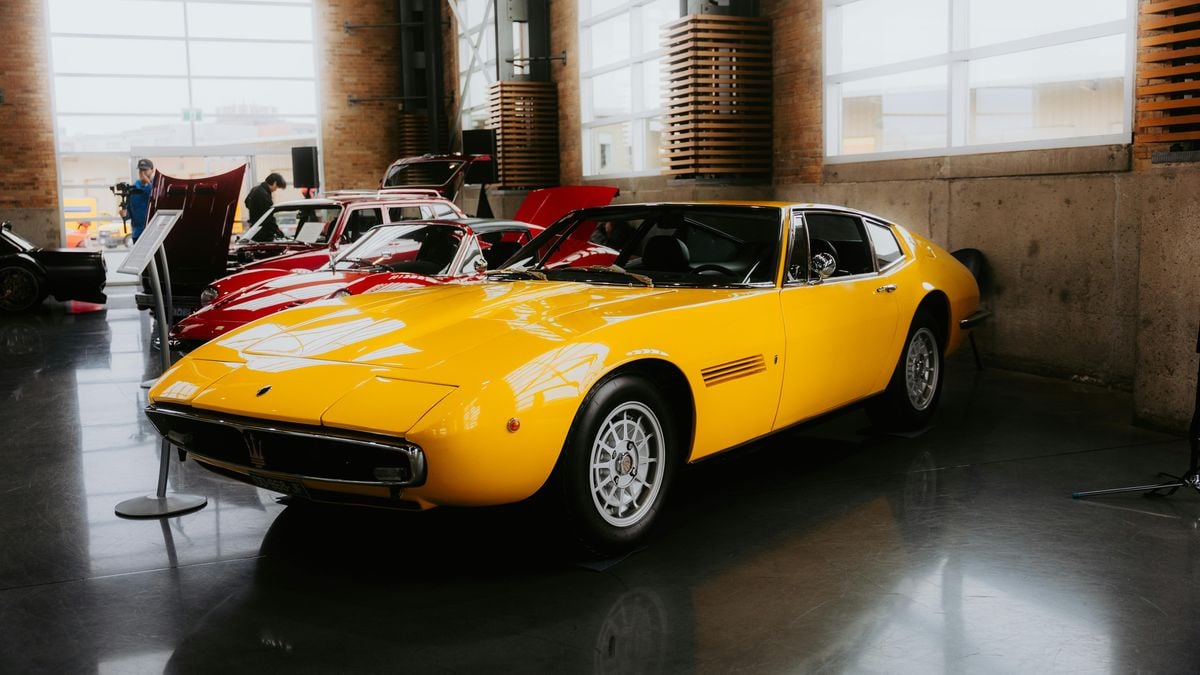
Cultural Conformity: The Psychology Behind Safe Car Colors
But the deeper issue isn't technical, it's cultural. A black or silver car doesn’t offend. It blends. It communicates conformity. Even as we applaud creativity, many fear standing out. It’s the same reason you don’t wear a lime-green suit to a board meeting, even if you secretly want to. One Redditor nailed it when he said,
“I’m not gonna paint my house beige because it’ll help the resale value.”
Yet that’s exactly how most of us shop for cars.
Color, like character, is something we say we admire but rarely commit to. And until we stop treating our cars like commodities and start treating them like companions, the grayscale takeover will continue. But the power is still in our hands, or wallets. Buy the red one. Wrap it in green if you have to. Polish it, protect it, and park it proudly.
Because if you’re going to spend five years making payments and staring at that fender in traffic, it shouldn’t look like a photocopier.
Image Sources: Pexels
Noah Washington is an automotive journalist based in Atlanta, Georgia. He enjoys covering the latest news in the automotive industry and conducting reviews on the latest cars. He has been in the automotive industry since 15 years old and has been featured in prominent automotive news sites. You can reach him on X and LinkedIn for tips and to follow his automotive coverage.
Set Torque News as Preferred Source on Google
Follow us today...