
In an industry defined by the new and the next, Jaguar Land Rover is making a bold and counterintuitive wager on the old and the enduring. The British automaker, a purveyor of vehicles long synonymous with a certain kind of fleeting, accessible luxury, is pivoting its entire electric vehicle (EV) strategy around the principles of a circular economy. This ambitious plan, designed to slash waste by a staggering 70%, isn't just about environmental brownie points; it's a calculated move to exorcise the ghosts of its past, set itself apart in a crowded EV market, and finally capture the attention of a younger, more conscientious generation of affluent buyers.
Beyond the Landfill: A £100 Million Gamble on Reinvention
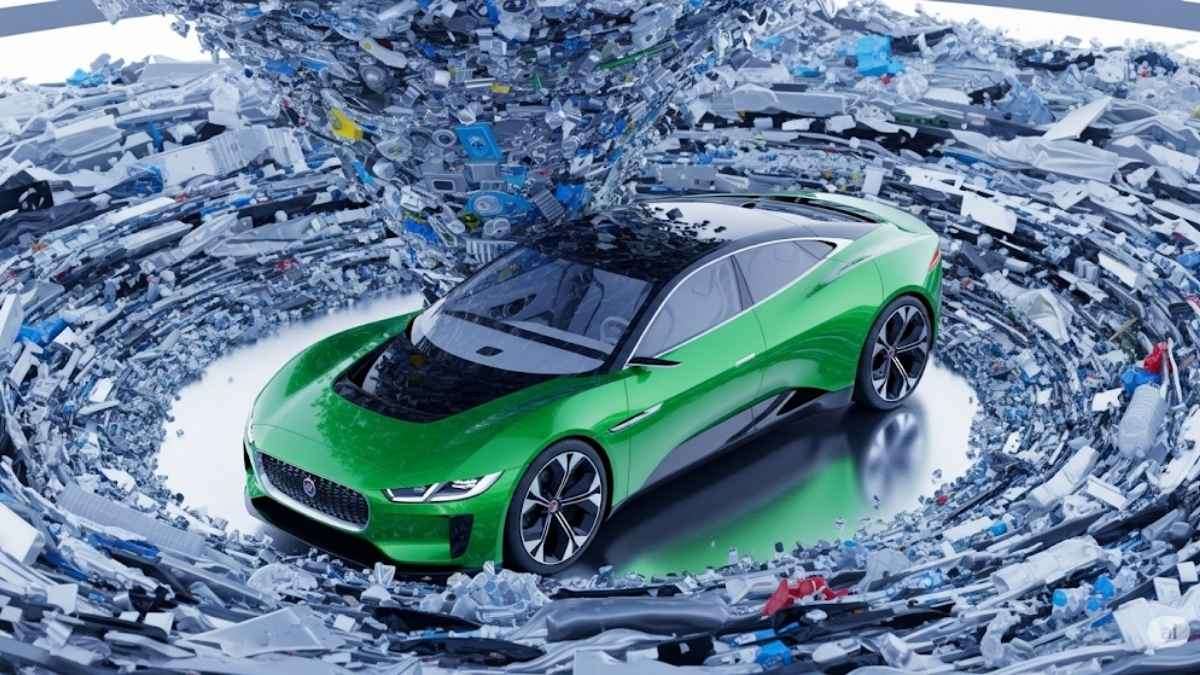
At the heart of JLR's strategy is a £100 million investment to fundamentally re-engineer its production processes. The company is actively working to create a closed-loop system for its materials, moving away from the traditional linear model of "take, make, dispose." This means everything from production-line robots to the aluminum in their vehicle chassis is being viewed through a new lens of longevity and reuse.
A prime example of this is the company's "REALITY" project, a pioneering initiative focused on recycling aluminum from end-of-life vehicles and even common household waste to create new, high-grade aluminum for its cars. This not only reduces the demand for raw materials but also significantly cuts down on the energy-intensive process of producing virgin aluminum. Similarly, a partnership with Dow and Adient is creating a closed-loop recycling system for polyurethane seat foam, transforming a material notoriously difficult to recycle into a reusable resource. These initiatives are not just about incremental improvements; they represent a fundamental rethinking of how a modern luxury vehicle is made.
Distancing from a Complicated Past
For decades, both Jaguar and Land Rover have occupied a unique space in the automotive landscape, offering a taste of British luxury that was, at times, more attainable than its German rivals. This "affordable luxury" perception, a legacy of a complex corporate history that includes periods of state ownership and partnerships with more mass-market brands, has been both a blessing and a curse. While it broadened their appeal, it also diluted the exclusivity that defines true luxury in the modern era.
This pivot to a circular economy is a powerful tool to shed that old skin. By embedding sustainability and a tangible commitment to waste reduction into the very DNA of their next-generation EVs, JLR is signaling a move towards a more profound and, frankly, more expensive form of luxury. This is a brand that is no longer just selling a premium product, but a premium ethos. The message is clear: a JLR vehicle is not a disposable commodity but a long-term investment in both quality and environmental responsibility. This narrative is a world away from the brand's more utilitarian and accessible past, creating a clear and compelling distinction in the minds of consumers.
A Precursor to a Broader Industry Shift?
JLR is not alone in its pursuit of sustainability. Competitors like Audi and BMW are also making significant strides in incorporating circular economy principles into their operations. However, JLR's all-encompassing and highly publicized commitment, particularly its ambitious 70% waste reduction target, has the potential to set a new benchmark for the industry.
As concerns over pollution and climate change intensify, the pressure on automakers to move beyond simply producing zero-emission vehicles will only grow. The entire lifecycle of a vehicle, from the sourcing of its raw materials to its end-of-life disposal, is coming under increasing scrutiny. JLR's proactive approach could well be a precursor to a broader trend where a company's environmental stewardship becomes as significant a competitive advantage as performance or design. We are likely to see a future where the "sustainability rating" of a vehicle is as important to consumers as its horsepower or its 0-60 mph time.
Improving Brand Image and Attracting the Next Generation
This strategic shift is also a direct appeal to a demographic that has thus far remained largely elusive to JLR: affluent younger generations. Millennials and Gen Z, who are increasingly driving the luxury market, are known to prioritize brands that align with their values. A recent report highlighted that a significant majority of these consumers are willing to pay more for sustainable products.
By positioning itself as a leader in the circular economy, JLR is speaking directly to this cohort. The story of a recycled aluminum chassis or a seat made from repurposed materials is a far more compelling narrative for a 30-something tech entrepreneur than traditional marketing tropes of performance and prestige. This is a language of innovation, responsibility, and forward-thinking, and it has the potential to fundamentally reshape JLR's brand image from a legacy automaker to a progressive, future-focused mobility company. This should, over time, help them overcome recent rebranding struggles and build a more resilient and relevant brand for the 21st century.
What's Next on the Road to Circularity?
Having laid this ambitious groundwork, JLR's next moves will be crucial. We can expect to see them double down on their materials science research, exploring new and innovative ways to recycle and repurpose an even wider range of components. Look for further partnerships with tech startups and research institutions to pioneer new sorting and reprocessing technologies.
Furthermore, expect JLR to leverage its circular economy strategy heavily in its marketing and communications. The story of sustainability will likely become a central pillar of their brand identity, woven into everything from their advertising campaigns to their dealership experiences. They may also explore new business models, such as certified pre-owned programs that emphasize the longevity and durability of their vehicles, or even subscription services that include end-of-life buy-back and recycling options.
Wrapping Up
Jaguar Land Rover's embrace of the circular economy is more than just a corporate social responsibility initiative; it is a shrewd and multifaceted strategy for survival and growth in a rapidly changing world. By embedding sustainability at the core of its EV future, JLR is not only future-proofing its manufacturing processes but also embarking on a much-needed journey of brand reinvention. This bold bet on a less wasteful, more responsible form of luxury has the potential to not only set a new standard for the automotive industry but to finally capture the hearts and minds of a new generation of drivers, securing its legacy for decades to come.
Disclosure: Image rendered by Gemini
Rob Enderle is a technology analyst at Torque News who covers automotive technology and battery developments. You can learn more about Rob on Wikipedia and follow his articles on Forbes, X, and LinkedIn.
Set Torque News as Preferred Source on Google
Follow us today...