
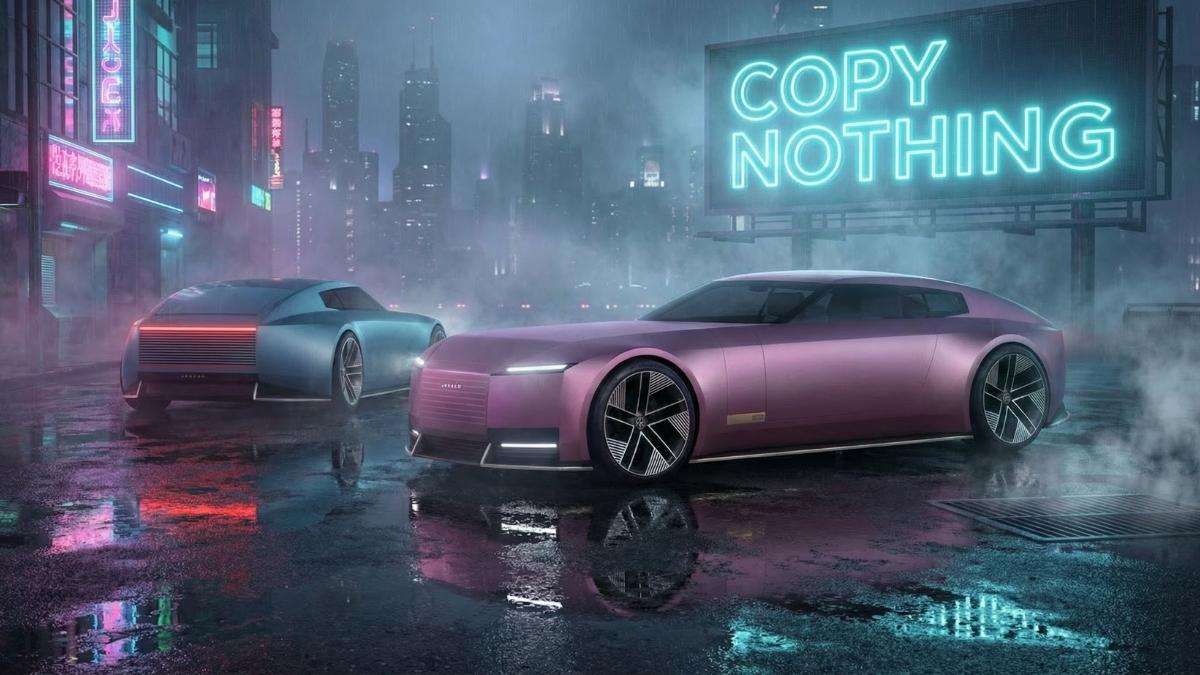

In the world of high-stakes automotive pivoting, there is "bold," and then there is Jaguar. For those of us who have spent decades tracking the industry, watching Jaguar is often like watching a high-wire act where the performer suddenly decides to set the wire on fire just to see if they can run faster.
On January 29, 2026, the rumor mill—specifically a report from The Sunday Times—claimed that Jaguar engineers were being tasked with a "Plan B": a combustion-based range extender for the upcoming 1,000-hp GT. The logic seemed sound. With EV demand cooling globally and even stalwarts like Volvo and Mercedes-Benz walking back their "EV-only" timelines, a hybrid safety net felt like common sense.
Jaguar’s response? A resounding dismissal of the rumors as "rubbish". They aren’t just staying the course; they are burning the ships. By 2027, Jaguar intends to be a 100% EV-only luxury brand. No hybrids. No "just in case" gas tanks. Just pure, silent, high-voltage luxury.
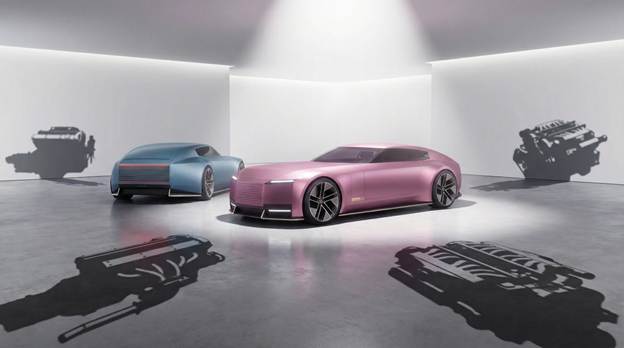
How We Got Here: From the E-Type to the "Electric-Only" Abyss
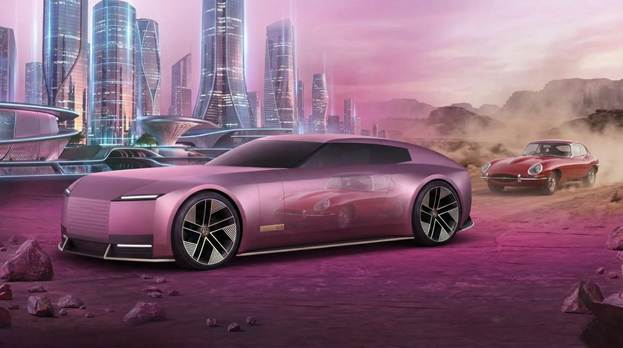
To understand why Jaguar is making this move, you have to look at the "valley of death" they’ve been wandering through for a decade. Historically, Jaguar was the brand of "Grace, Space, and Pace." Sir William Lyons founded a company that produced icons like the 1961 E-Type—a car Enzo Ferrari famously called the most beautiful in the world.
But over the last 20 years, Jaguar became the "third wheel" in the German luxury trio. They tried to out-BMW BMW with the XE and out-Mercedes Mercedes with the XJ, but they never quite achieved the scale. By the time the I-PACE arrived in 2018, it was a critical darling—winning World Car of the Year—but a commercial outlier.
The "Reimagine" strategy, launched in 2021, was a desperate, brilliant realization: Jaguar couldn't win the volume game against Audi or Lexus. Instead, they decided to move upmarket, targeting the Bentley and Porsche crowd with a hyper-luxury, low-volume, high-margin EV strategy.
The Danger of the All-In Bet
There is a massive risk in shifting from an EV-only strategy this late in the game. On one hand, the advantages are clear:
- Brand Clarity: By being the only legacy brand to actually stick to its guns, Jaguar becomes the "pure" choice for the ultra-wealthy environmentalist.
- Design Freedom: The JEA (Jaguar Electric Architecture) allows for radical proportions—like the Type 00 concept—that simply aren't possible when you have to package a transmission tunnel and an exhaust system.
However, the disadvantages are harrowing:
- Infrastructure Reality: If you’re selling a $130,000+ Grand Tourer, your customers expect to tour. If the high-speed charging network remains spotty, that "Plan B" engine starts looking less like rubbish and more like a life raft.
- Alienating the Base: Jaguar recently retired the "Growler" logo and shifted to a minimalist aesthetic that many loyalists find "cold." By ditching ICE engines, they are essentially telling their historic fan base (those who love the roar of a V8) to shop elsewhere.
The Path to Recovery: A Race Against Time
To recover their brand image, Jaguar needs to stop selling "vibes" and start showing "metal." The controversial 2024 "Copy Nothing" ad campaign featured models in colorful outfits but no cars. For a car company, that’s a cardinal sin.
Jaguar has until the summer of 2026—when the production GT is revealed—to prove that "Exuberant Modernism" isn't just marketing speak for "we forgot how to build cars." They must demonstrate that their 1,000-hp GT isn't just fast, but that it possesses the "soul" of a Jaguar. If they don't land this by the time deliveries start in early 2027, the brand equity will have evaporated completely.
Can Jaguar Succeed?
I’ve seen many brands attempt a "Hail Mary," but Jaguar’s is the most ambitious. Can they be successful? Maybe. Success for the "new" Jaguar isn't selling 100,000 cars; it’s selling 15,000 cars to people who are bored with their Taycans. If the product is truly a "piece of art" as CEO Adrian Mardell claims, the exclusivity will drive the brand. However, I suspect the lack of a "Plan B" is a mistake. In technology, we call this "single point of failure." If the luxury EV market doesn't rebound by 2027, Jaguar has nowhere to go but into the history books.
The Lesson of the Leaping Cat
It would be a profound shame if Jaguar failed. The world is more interesting with British eccentricity on the road. The lesson here is about the danger of "Revolution over Evolution." Brands like Porsche have successfully transitioned by keeping the 911 (ICE/Hybrid) while building the Taycan (EV). Jaguar is attempting to jump across a canyon without a parachute.
If they fail, the lesson for the industry will be clear: never sacrifice your heritage on the altar of a singular technology before that technology is ready to support your entire weight.
Wrapping Up
Jaguar is taking a "burn the boats" approach that is either the most courageous strategy in automotive history or a slow-motion corporate suicide. By dismissing the hybrid rumors as "rubbish," they have committed to a 2027 EV-only future that leaves no room for error. They need to deliver a car that is so undeniably beautiful and technologically superior that it silences the critics. If they can’t, the leaping cat may finally run out of ground.
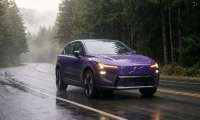
Disclosure: Images rendered by Artlist.io
Rob Enderle is a technology analyst at Torque News who covers automotive technology and battery developments. You can learn more about Rob on Wikipedia and follow his articles on Forbes, X, and LinkedIn.
Set Torque News as Preferred Source on Google
Follow us today...





Comments
I predict extinction for the…
Permalink
I predict extinction for the Jaguar.