
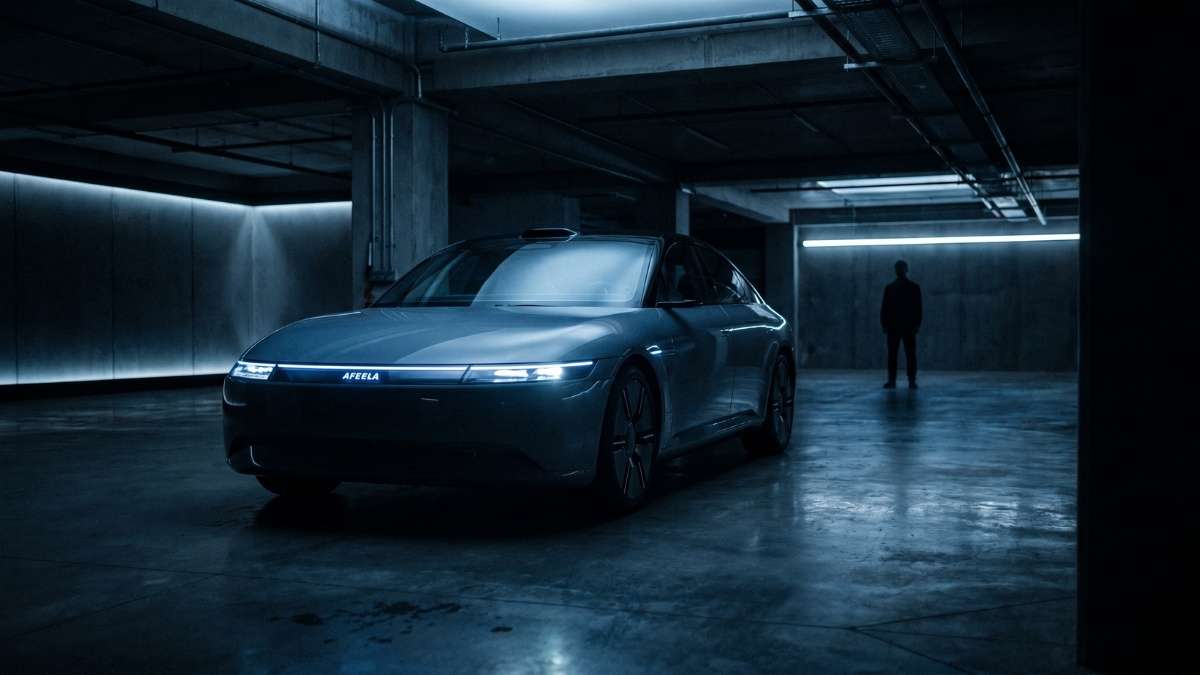

The automotive world was rocked this week by reports that Sony Honda Mobility (SHM) has pulled the plug on its North American Afeela program. For those of us who have followed the intersection of consumer electronics and automotive engineering, this wasn’t just a product cancellation; it was a fundamental reality check. The dream of a "PlayStation on wheels" has hit a wall of economic reality and manufacturing complexity that even a joint venture between a titan of tech and a master of motors couldn’t overcome.
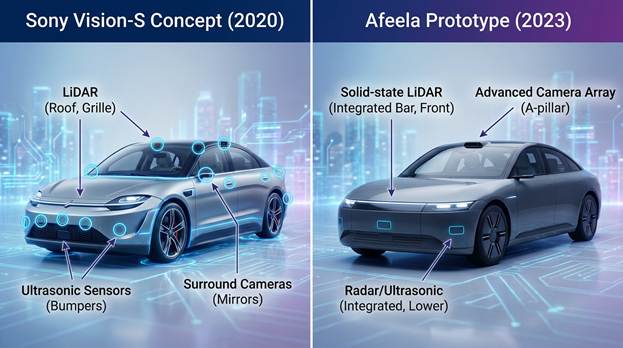
The Rise and Fall of the Afeela Vision
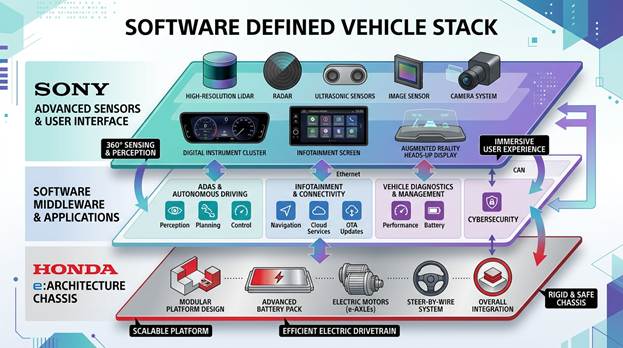
The journey began at CES 2020 when Sony surprised the world with the Vision-S concept. It was a stunning demonstration of Sony’s sensor technology, entertainment prowess, and design language. By the time Honda joined the fray in 2022 to form Sony Honda Mobility, the industry thought we had a "dream team." Sony would handle the software, AI, and user experience, while Honda would provide the "hard" assets - the platform, the safety engineering, and the manufacturing scale.
The Afeela brand, unveiled at CES 2023, was intended to be the manifestation of this synergy. It promised Level 3 autonomy, a cabin filled with Epic Games’ Unreal Engine 5 visuals, and a seamless digital lifestyle integration. However, according to recent reports highlighted by the Minnesota Automobile Dealers Association, SHM has reportedly canceled the North American Afeela program as part of a larger restructuring of the joint venture.
The "why" behind this cancellation likely stems from a combination of cooling EV demand in North America and the sheer difficulty of integrating two vastly different corporate cultures. Sony operates on a consumer electronics cycle (fast, iterative, high-margin software), while Honda operates on an automotive cycle (slow, safety-critical, low-margin hardware). When these two tempos clash in a market where interest rates are high and charging infrastructure is lagging, the "tech-meets-auto" dream becomes an expensive liability.
Why Chinese Tech Companies Succeeded Where Sony Failed
The most stinging aspect of this cancellation is the comparison to the Chinese market. Companies like Xiaomi and Huawei have successfully transitioned from smartphones to smart cars with terrifying efficiency. The Xiaomi SU7, for instance, went from announcement to mass production and delivery in record time, garnering tens of thousands of orders almost instantly. Even in 2026, Xiaomi's aggressive production cycles continue to outpace traditional joint ventures.
Why did Xiaomi succeed while the Sony-Honda alliance faltered? The answer lies in vertical integration and ecosystem agility. Chinese tech companies treat the car as a peripheral to the phone. They have navigated the "Software Defined Vehicle" (SDV) landscape by utilizing existing supply chains that are already optimized for rapid EV production in China.
Furthermore, companies like Xiaomi didn’t try to reinvent the wheel with a legacy partner; they acted as the primary orchestrators of the entire stack. Honda, while having immense car market knowledge, brings with it a legacy dealer network and a traditional manufacturing mindset that can act as "organizational drag." In China, the tech companies lead, and the automotive manufacturers act as agile contract partners. Sony and Honda attempted a "marriage of equals," which often results in gridlock rather than innovation.
The Future of the Sony-Honda Partnership
So, is the partnership dead? Not necessarily, but it is certainly being relegated to the laboratory. The official discontinuation announcement suggests that SHM will pivot toward becoming a Tier 1 supplier of automotive software and entertainment "stacks" rather than a full-scale vehicle manufacturer.
We are likely to see Sony’s high-end sensor suites and "Afeela" software appearing as a premium trim or a technology package within Honda’s future 0 Series EVs. By removing the burden of launching a new brand and a bespoke vehicle in a hostile North American market, Sony can focus on what it does best: the user interface. Honda, meanwhile, can focus on its independent EV strategy without the distraction of a high-risk tech experiment. Reports indicate that nearly 400 employees will be reassigned as the venture pivots toward non-EV products and AI services.
What the Sony-Honda Vehicle Should Have Been
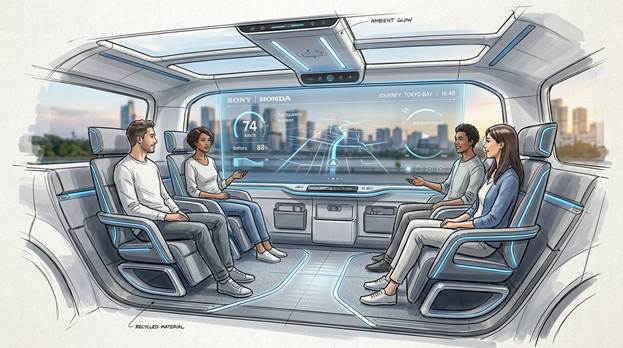
If Sony and Honda wanted to truly disrupt the market, they should have looked at the "Third Space" concept—the car as a mobile office or living room—more pragmatically. The Afeela was too much of a traditional sedan. In a market dominated by SUVs and crossovers, a low-slung sedan filled with screens felt like a solution looking for a problem.
The ideal product should have been a highly modular, autonomous shuttle or a premium compact crossover that prioritized "Time Well Spent." Instead of competing with Tesla on 0-60 mph times, they should have focused on the "Level 4 Lite" experience - a vehicle designed specifically for urban commuting where the driver is completely hands-off in traffic jams, fully immersed in a Sony-curated entertainment or productivity environment. It needed to be a "mobility service" vehicle first and a "car" second.
Wrapping Up
The cancellation of the Afeela program in North America is a sobering reminder that brand recognition and engineering heritage aren't enough to win the EV war. Sony’s inability to translate its "cool factor" into a viable automotive product, despite Honda’s help, highlights a massive gap in execution compared to the rapid-fire success of Chinese tech-auto entrants.
Moving forward, the Sony-Honda partnership will likely transition from a car company to a technology provider. While we may never see an Afeela-badged car in a California driveway, the DNA of this project will undoubtedly influence the screens and sensors of the next generation of Honda vehicles. The tech-meets-auto dream isn't dead; it's just being forced to grow up and face the harsh realities of the global market.
Disclosure: Images rendered by Artlist.io
Rob Enderle is a technology analyst at Torque News who covers automotive technology and battery developments. You can learn more about Rob on Wikipedia and follow his articles on TechNewsWord, TGDaily, and TechSpective.
Set Torque News as Preferred Source on Google
Follow us today...






