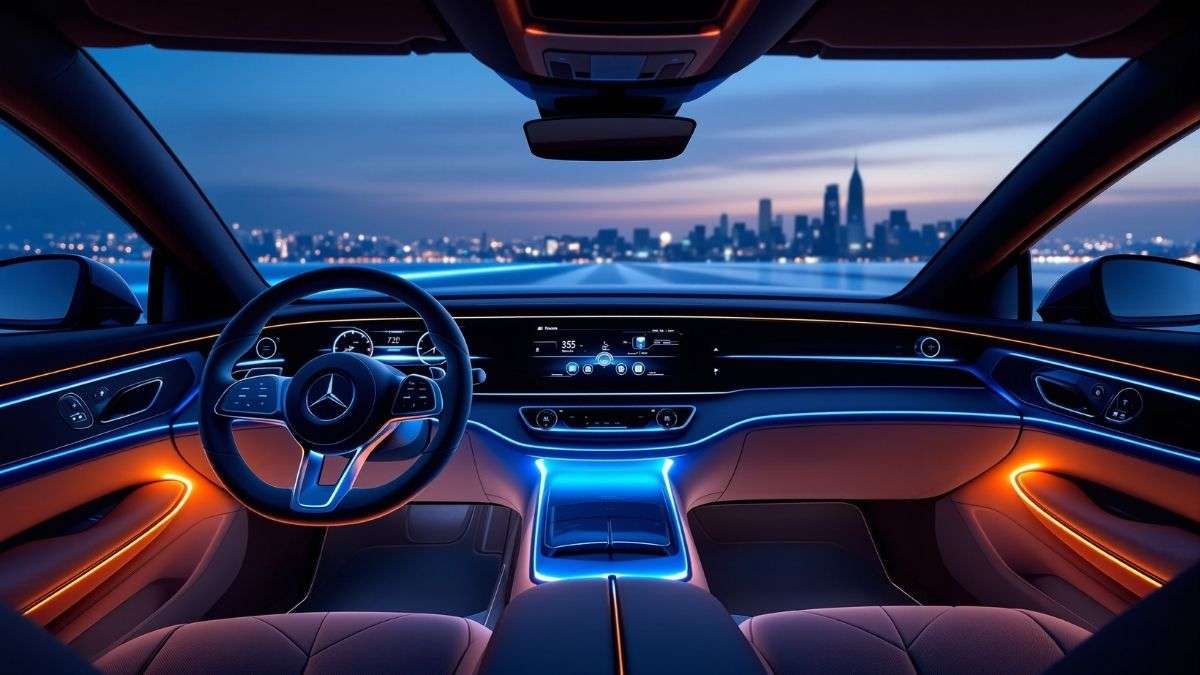

For years, the in-car voice assistant has been a clumsy affair. We’ve been forced to learn a stilted, robotic command language, barking out specific phrases like "Set temperature to 70 degrees" or "Navigate to 123 Main Street." It's been a far cry from the seamless, conversational computer in Star Trek. But with its latest MBUX infotainment update (based on Google Gemini), Mercedes-Benz has taken a significant and fascinating leap forward. The new "AI Co-Pilot" feature, which allows drivers to give conversational, multi-intent commands like, "Hey Mercedes, I'm cold and it's getting dark," and have the car automatically adjust the climate, turn on the headlights, and close the sunshade, is more than just a party trick. It's a fundamental shift from a simple voice remote to a true automotive brain.
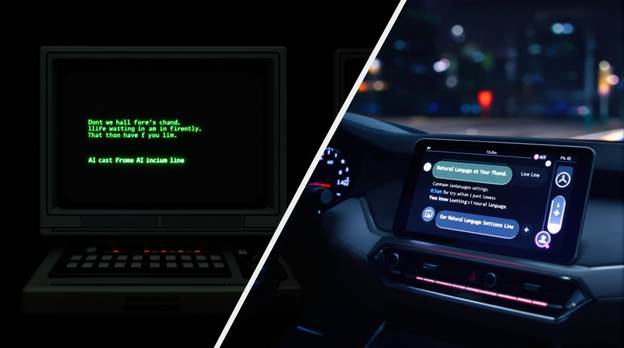
From Command Line to Conversation
To understand why this is a big deal, we have to look at the current state of in-car AI. Tesla has long been praised for the breadth of its voice commands—you can control almost anything, from the glovebox to the wipers. However, these are still largely single-shot commands. Google's Android Automotive brings the power of Google Assistant for knowledge-based queries but has historically been a layer on top of the car's core controls. Apple CarPlay, for its part, remains a sandboxed projection of your phone, with limited ability to control the vehicle itself.
The Mercedes AI Co-Pilot is different because it understands context and intent. The phrase "I'm cold and it's getting dark" contains two distinct problems that require three separate actions. The system's ability to parse that natural, human sentence and translate it into a sequence of specific vehicle commands is a genuine breakthrough. It’s the difference between a tool that you operate and an assistant that understands you. (Certainly a massive improvement over Microsoft’s old Auto PC effort).

A Step on a Much Longer Road
As impressive as this is, it's merely the first step on a path toward a truly proactive and intelligent vehicle. The logical next phase will be for the AI to move from reacting to complex commands to anticipating needs before they are even spoken. Imagine getting into your car after a long day, and the car already knows from your calendar that you had a stressful meeting. It might proactively ask, "Looks like it was a tough afternoon. Would you like me to take the scenic route home, dim the cabin lights, and play your chill-out playlist?"
Further down the road, this system will integrate with your life outside the car. It could detect from a text message that you're picking up pizza and automatically set the navigation. It could know you have an early flight and pre-condition the cabin and suggest a departure time based on real-time traffic. This is the ultimate goal of ambient computing: technology that is so seamlessly integrated into your environment that it feels invisible, anticipating and serving your needs without explicit commands.
Helpful or Annoying? The UX Challenge
The success of a system like this lives and dies on its reliability. If it correctly interprets your intent 99% of the time, it feels like magic. If it fails even 10% of the time, it becomes an infuriating gimmick that drivers will quickly abandon. For now, this is a feature that will be most appreciated by early adopters and tech enthusiasts who get a thrill from interacting with a next-generation system. Is it worth waiting for if you're in the market for a new car today? Probably not. But it is a powerful indicator of where the entire industry is heading, and within a few years, this level of interaction will likely be the expected standard in the luxury segment.
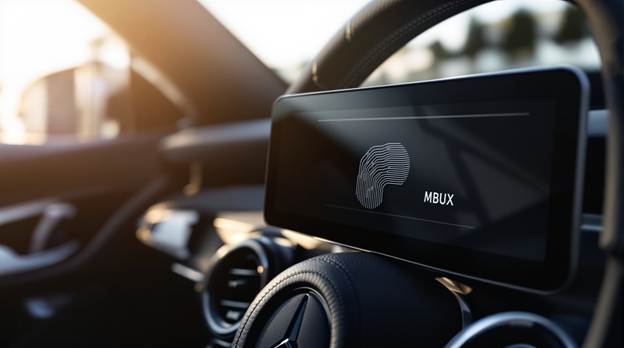
Enhancing the Three-Pointed Star
This AI Co-Pilot is a perfect fit for the Mercedes-Benz brand. For decades, Mercedes has built its reputation on being a leader in luxury, safety, and mature, well-executed innovation. They are not a tech company that happens to make cars; they are a car company that uses technology to enhance the core experience of comfort and effortless control. This feature isn't a flashy, beta-level gimmick; it's a practical enhancement that reduces the driver's cognitive load and makes the cabin a more serene and responsive environment. It reinforces the brand's image as an innovator that delivers attainable, useful futurism rather than speculative tech demos.
The people who will most appreciate this are the brand's core demographic: successful professionals who spend significant time in their vehicles and value convenience and a premium experience. It appeals to the driver who wants their car to be as smart and responsive as their smart home, creating a seamless technological ecosystem that surrounds them throughout their day.
Wrapping Up
The Mercedes-Benz AI Co-Pilot is a significant milestone. It marks the moment the in-car voice assistant began to grow up, evolving from a simple tool into a genuine partner. By successfully interpreting natural, conversational language to perform multiple actions, Mercedes has not only leapfrogged its competitors but has also given us the first real taste of the future of ambient computing in the automobile. While it’s just the first step on a long road, it’s a clear sign that the car of the future won't just be driven; it will be understood.
Disclosure: Images rendered by Artlist.io
Rob Enderle is a technology analyst at Torque News who covers automotive technology and battery developments. You can learn more about Rob on Wikipedia and follow his articles on Forbes, X, and LinkedIn.
Set Torque News as Preferred Source on Google
Follow us today...